

What are the high humidity in house causes?
High humidity in house causes most commonly include poor ventilation, everyday moisture from cooking, bathing, and laundry, humid outdoor weather, HVAC issues, and hidden plumbing or structural leaks. When indoor relative humidity stays above about 60%, moisture begins collecting on cool surfaces, increasing the likelihood of condensation, musty odors, mold growth, and damage to walls, furnishings, and indoor air quality.
High Humidity in House Causes and How to Fix Them
⏱ 7 min read
High humidity in house causes often develop gradually, making them easy to overlook until condensation on walls, foggy windows, or a persistent musty smell becomes noticeable. For families with babies and young children, excessive indoor moisture can reduce comfort, affect sleep quality, and create conditions that encourage mold and allergens. Understanding where excess moisture comes from is the first step toward solving the problem before it leads to costly repairs.
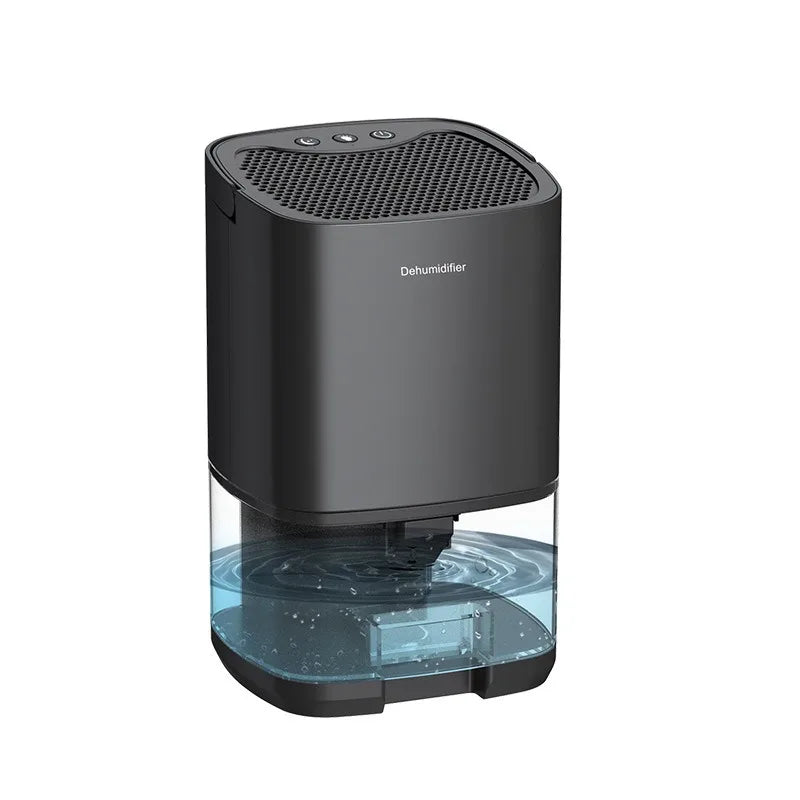
High humidity in house causes often show up as condensation on wall surfaces — See it in action
Common Causes of High Indoor Humidity
The causes of high humidity in house environments usually fall into five categories: moisture produced by daily living, inadequate ventilation, outdoor weather conditions, heating and cooling system problems, and hidden water intrusion. These factors often work together, allowing water vapor to build up faster than it can escape.
Indoor humidity naturally changes throughout the day. Cooking meals, taking showers, drying clothes, and even breathing release moisture into the air. When that moisture cannot be removed through ventilation or dehumidification, relative humidity rises and eventually creates visible signs such as condensation, damp surfaces, and musty odors.
Lifestyle moisture sources
Many humid house causes come from everyday household activities that continuously add water vapor indoors.
- Cooking with boiling water or steaming food
- Hot showers and baths without adequate ventilation
- Drying laundry indoors
- Large households where normal breathing adds significant moisture over time
Poor ventilation
Poor airflow is one of the most common reasons for high humidity in house environments. Bathrooms, kitchens, and laundry rooms generate large amounts of moisture, and without working exhaust fans or fresh air exchange, humid air remains trapped indoors.
Weather and outdoor humidity
Warm, humid climates naturally increase indoor moisture, especially when windows remain open or buildings are not well sealed. Seasonal weather can also make it harder for homes to release excess humidity.
HVAC problems
Your heating and cooling system plays an important role in managing indoor humidity. Oversized air conditioners, clogged filters, poorly maintained equipment, or incorrect thermostat settings may cool the home without removing enough moisture from the air.
Hidden leaks and structural issues
A hidden plumbing leak, roof leak, foundation seepage, or damaged window seal can introduce moisture continuously without obvious standing water. These less visible problems are a frequent cause of high humidity in house conditions because they keep adding moisture long after everyday activities have ended.
- Poor ventilation: Steam from bathrooms and kitchens remains indoors instead of being exhausted outside.
- Daily household activities: Cooking, showers, laundry, and normal occupancy steadily increase indoor moisture.
- Weather conditions: Humid outdoor air can raise indoor humidity, especially during warmer months.
- HVAC performance: Inefficient or improperly sized systems may not remove enough moisture.
- Hidden leaks: Plumbing, roofing, or structural leaks allow moisture to accumulate unnoticed over time.
Why High Humidity Matters for Families and Your Home
High humidity in home environments affects more than day-to-day comfort. Persistent moisture can reduce indoor air quality, damage building materials, and create conditions that encourage mold, mildew, dust mites, and other allergens. These humidity problems in house environments can become especially noticeable in bedrooms, nurseries, bathrooms, and other areas with limited airflow.
For families with babies and young children, maintaining balanced indoor humidity helps create a cleaner, more comfortable living space. Moisture that remains trapped indoors may gradually affect both the home and the belongings inside it.
- Home damage: Excess moisture can contribute to peeling paint, warped wood, swollen doors, and damaged drywall.
- Indoor air quality: Damp conditions encourage mold growth, mildew, and allergens that may reduce overall comfort.
- Health considerations: People with allergies or respiratory sensitivities may notice increased irritation in persistently humid environments.
- Higher long-term costs: Delaying repairs to leaks or ventilation problems can lead to more extensive maintenance and restoration work.
Many families looking to improve indoor air quality begin by exploring practical Health & Safety resources that support healthier everyday living.
How to Identify Hidden Moisture Problems
If you're asking, " Why is humidity high in my house? " the answer is not always immediately visible. A systematic inspection helps identify whether the source is everyday moisture, poor ventilation, HVAC performance, or a hidden leak.
Check humidity levels
Begin by measuring indoor relative humidity with a hygrometer. Readings that consistently remain above 60% indicate excess moisture that deserves further investigation. Take measurements in several rooms, including bathrooms, bedrooms, laundry areas, and the basement if your home has one.
Inspect for leaks
Look carefully for signs of hidden water intrusion around plumbing fixtures, beneath sinks, near windows, around the roofline, and along exterior walls. Water stains, bubbling paint, damp flooring, or discoloration often point to moisture entering the home.
Evaluate ventilation
Check whether bathroom exhaust fans vent properly outdoors and verify that kitchen range hoods remove cooking steam effectively. Laundry rooms should also have adequate ventilation, especially when using a clothes dryer.
Assess HVAC performance
Your heating and cooling system should control both temperature and humidity. Dirty air filters, blocked vents, oversized air conditioners, or neglected maintenance can reduce moisture removal even if the home feels cool.
Common warning signs of high moisture in house environments include:
- Foggy windows or persistent condensation on cooler surfaces
- Clothing, towels, or bedding that feel damp longer than usual
- A recurring musty smell in small rooms or enclosed spaces
- Peeling paint, warped wood, or bubbling finishes
- Visible mold or mildew around windows, bathrooms, or closets
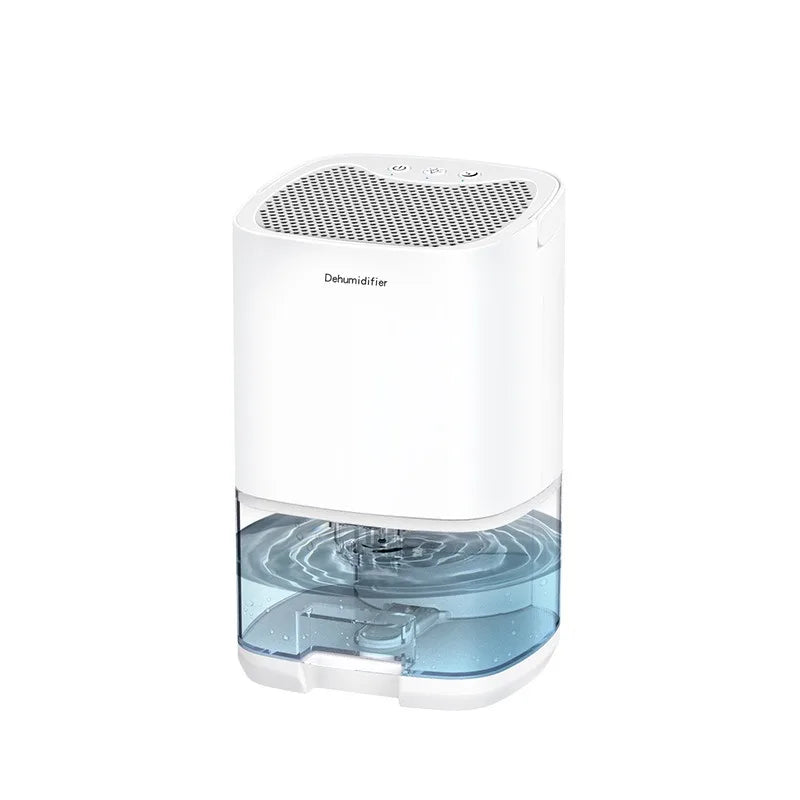
Musty smell in small rooms is a common sign of trapped moisture — See it in action
How to Reduce Humidity in Your House
Successfully lowering indoor humidity starts by addressing the source of the moisture rather than masking the symptoms. In many homes, a combination of better ventilation, routine maintenance, and targeted moisture control provides the most effective long-term results.
Improve ventilation
Ventilate areas that generate the most moisture, including bathrooms, kitchens, and laundry rooms. Run exhaust fans during and for at least 20–30 minutes after showers or cooking, and open windows when outdoor humidity levels are lower than indoor conditions.
Repair leaks
Even small plumbing drips or roof leaks can continuously introduce moisture into your home. Promptly repairing leaking pipes, damaged seals around windows, or water intrusion around foundations helps prevent excess humidity from returning.
Optimize your HVAC system
Keep heating and cooling equipment operating efficiently by replacing air filters regularly, scheduling routine maintenance, and ensuring vents remain unobstructed. A properly functioning HVAC system helps regulate both temperature and indoor moisture.
Seal unwanted air leaks
Gaps around doors, windows, and utility penetrations can allow humid outdoor air to enter the home. Weatherstripping, caulking, and proper insulation reduce moisture infiltration while improving overall energy efficiency.
Use a dehumidifier when needed
If humidity remains high after improving ventilation and repairing moisture sources, a dehumidifier can help maintain healthier indoor conditions. Portable units work well in bedrooms, basements, bathrooms, and other damp areas where humidity tends to accumulate.
- Increase airflow by using exhaust fans and encouraging fresh-air exchange when conditions allow.
- Reduce indoor moisture production by covering pots while cooking, venting clothes dryers outdoors, and avoiding indoor clothes drying whenever possible.
- Fix leaks quickly to eliminate ongoing sources of hidden moisture.
- Maintain heating and cooling systems so they effectively manage humidity as well as temperature.
- Add a dehumidifier only if humidity remains elevated after addressing the underlying causes.
Parents often complement humidity control with products from Beauty & Wellness or relaxation essentials from Massage & Relaxation to create a more comfortable indoor environment.
Prevent High Humidity Year-Round
Long-term humidity control depends on regular maintenance rather than one-time fixes. By monitoring indoor moisture, maintaining ventilation systems, and addressing water problems promptly, you can reduce the risk of mold growth, protect your home's structure, and maintain healthier indoor air throughout the year.
Seasonal maintenance checklist
- Check indoor humidity regularly with a hygrometer and aim to keep relative humidity between 30% and 50% in most living areas.
- Clean bathroom and kitchen exhaust fans to maintain proper airflow.
- Inspect plumbing fixtures, appliance hoses, and visible pipes for leaks.
- Keep gutters and downspouts clear so water drains away from the foundation.
- Leave a small gap between large furniture and exterior walls to improve air circulation.
- Clean moisture-prone areas before mold or mildew has a chance to develop.
- Service your HVAC system according to the manufacturer's maintenance schedule.
When to call a professional
If indoor humidity consistently remains above recommended levels despite improving ventilation and repairing obvious leaks, a more detailed inspection may be necessary. A qualified professional can identify hidden moisture sources such as roof leaks, foundation seepage, improperly vented appliances, or HVAC performance issues that are difficult to detect during a routine home inspection.
Families focused on maintaining a comfortable indoor environment often explore products in Sleep & Comfort alongside practical humidity-control strategies.
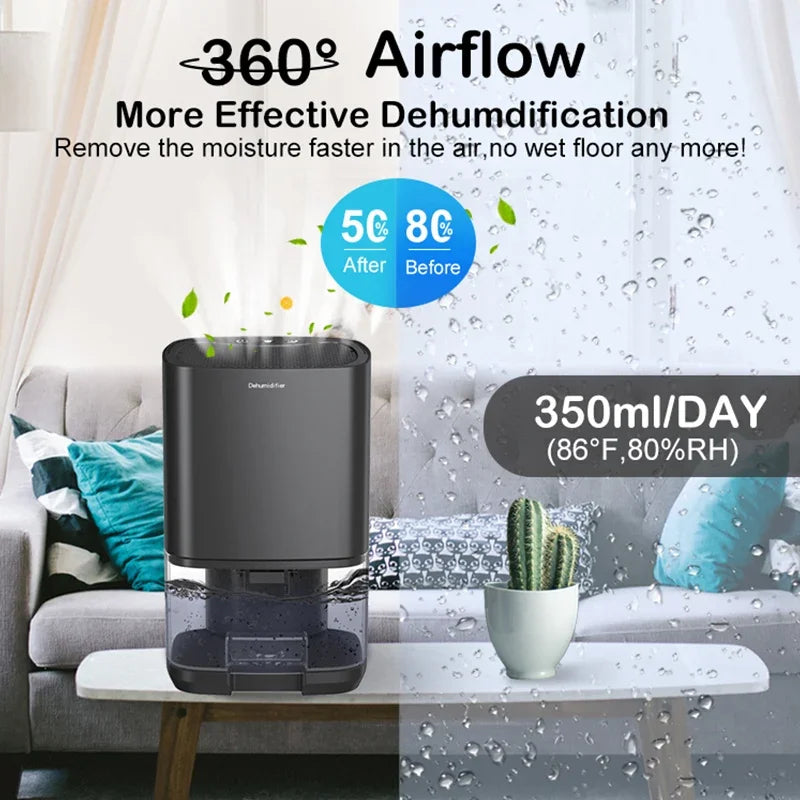
Preventing mold in house areas starts with maintaining balanced indoor humidity — See it in action
Quick FAQ
What causes humidity in a house even when it is not raining?
Indoor humidity can remain high because of cooking, showers, laundry, poor ventilation, hidden plumbing leaks, crawl space moisture, or HVAC systems that are not removing enough water vapor from the air.
What is considered high humidity inside a house?
Indoor relative humidity that consistently exceeds about 60% is generally considered too high and increases the likelihood of condensation, mold growth, and moisture-related damage.
Can HVAC systems increase indoor humidity?
Yes. An oversized or poorly maintained air conditioning system may cool the home quickly without running long enough to remove adequate moisture, leaving indoor humidity elevated.
How do I know if a hidden leak is causing high humidity?
Watch for recurring water stains, peeling paint, warped flooring, damp drywall, unexplained musty odors, or humidity that stays high even after improving ventilation.
Does opening windows reduce indoor humidity?
It depends on outdoor conditions. Opening windows helps when the outside air is drier than the indoor air, but during humid weather it may actually increase indoor moisture levels.
Can high humidity make a house smell musty?
Yes. Persistent moisture encourages mold and mildew growth, which commonly produces a musty odor, particularly in enclosed rooms, closets, basements, and bathrooms.
How long does it take to lower humidity in a house?
Improvement may be noticeable within one to three days after correcting the moisture source and increasing ventilation, although larger structural moisture problems can take considerably longer to resolve.
When should I use a dehumidifier instead of improving ventilation?
Always address the underlying cause first. A dehumidifier is most effective when humidity remains elevated after ventilation has been improved and leaks or other moisture sources have been repaired.
Pillar Article: Not Found
Other Related Articles:
- Excess Humidity in House? How to Control It Effectively
- Lowering Indoor Humidity Made Easy for Every Room
- How to Reduce Humidity in House: Step-by-Step Guide
- Small Dehumidifier for Bathroom Reviews That Stop Damp Odors
Explore More:





