

What are heart lung sounds and why do they matter?
Heart lung sounds reflect how blood and air move through the chest, offering real-time clues about health. Clear heart lung sounds help clinicians detect normal function, while changes in rhythm, intensity, or timing may signal issues like fluid overload, airway obstruction, or valve disease—often before symptoms appear.
Heart Lung Sounds for Different Patients: What to Listen For
Heart lung sounds can reveal far more than a simple beat or breath when you know what to listen for. From subtle cardiac auscultation sounds to the faint heart sounds meaning clinicians watch for in older adults, pediatrics, or obese patients, this guide breaks down why heart sounds faint in some cases and how they differ from a normal heart waveform. You’ll learn practical listening tips, patient-specific clues, and common mistakes that lead to missed diagnoses—so what might you be overlooking right now?
⏱ 12 min read
Which patient group challenges your listening skills the most? Newborns with rapid rates, tired parents in postpartum care, or older adults with subtle changes? Read on to sharpen your ear.

Heart lung sounds and cardiac auscultation sounds in practice 💡 See it in action
Foundations of Heart Lung Sounds You Can Trust
Heart lung sounds are created by mechanical events: valves closing, chambers filling, and air moving through branching airways. Mastery starts with consistency—same positions, same sequence, and a calm environment.
- Use the diaphragm for high-pitched sounds (S1, S2, crackles).
- Use the bell for low-pitched sounds (S3, S4, murmurs).
- Compare side-to-side and front-to-back.
- Listen through a full respiratory cycle.
What does a normal heart waveform sound like?
A normal heart waveform produces crisp, evenly spaced S1 and S2 sounds with predictable timing and intensity. In healthy adults, these sounds are symmetrical across valve areas, without extra beats or prolonged gaps, reflecting efficient valve closure and coordinated contraction.
Key markers of normal findings
- Regular rhythm with consistent spacing
- Clear S1 at the apex, S2 at the base
- No added sounds or harsh turbulence
Listening to Heart Lung Sounds in Infants and Children
Children aren’t just small adults. Faster rates, thinner chest walls, and frequent movement change what you hear.
In infants, normal heart waveform patterns may sound louder and faster. Innocent murmurs are common and often disappear with position changes or growth.
- Expect higher rates and shorter pauses.
- Breath sounds are typically louder and harsher.
- Crying can mimic abnormal findings—reassess when calm.
For caregivers focused on daily safety and monitoring, collections like Monitoring Devices and Health & Safety align well with home observation needs.
Pregnancy and Postpartum: What Changes Are Normal?
During pregnancy, blood volume rises significantly. This can amplify cardiac auscultation sounds and introduce soft flow murmurs without pathology.
Postpartum, heart lung sounds gradually normalize, but fatigue and fluid shifts may temporarily alter findings.
- Soft systolic murmurs can be normal.
- Basilar crackles may appear with fluid shifts.
- Persistent abnormalities warrant follow-up.
Older Adults: Interpreting Subtle Clues
In older adults, faint heart sounds meaning becomes especially important. Chest wall changes, kyphosis, and chronic lung disease can all dampen intensity.
Listen for timing changes, not just loudness. A new extra sound or delayed closure often matters more than volume alone.

Faint heart sounds meaning across patient ages 💡 See it in action
Why are heart sounds faint in some patients?
Heart sounds faint when tissue between the heart and stethoscope dampens vibration. In obesity, increased chest wall thickness and lung expansion reduce sound transmission, making careful positioning and enhanced amplification essential to accurately interpret heart lung sounds.
- Ask patients to lean forward or lie in left lateral position.
- Listen longer at each site.
- Reduce background noise.
Lung Sounds That Commonly Accompany Cardiac Findings
Heart lung sounds are inseparable in practice. Crackles may suggest fluid overload, while wheezes can mask cardiac issues.
- Crackles: fluid or atelectasis
- Wheezes: airway narrowing
- Diminished sounds: effusion or obesity
Tools That Help You Hear with Confidence
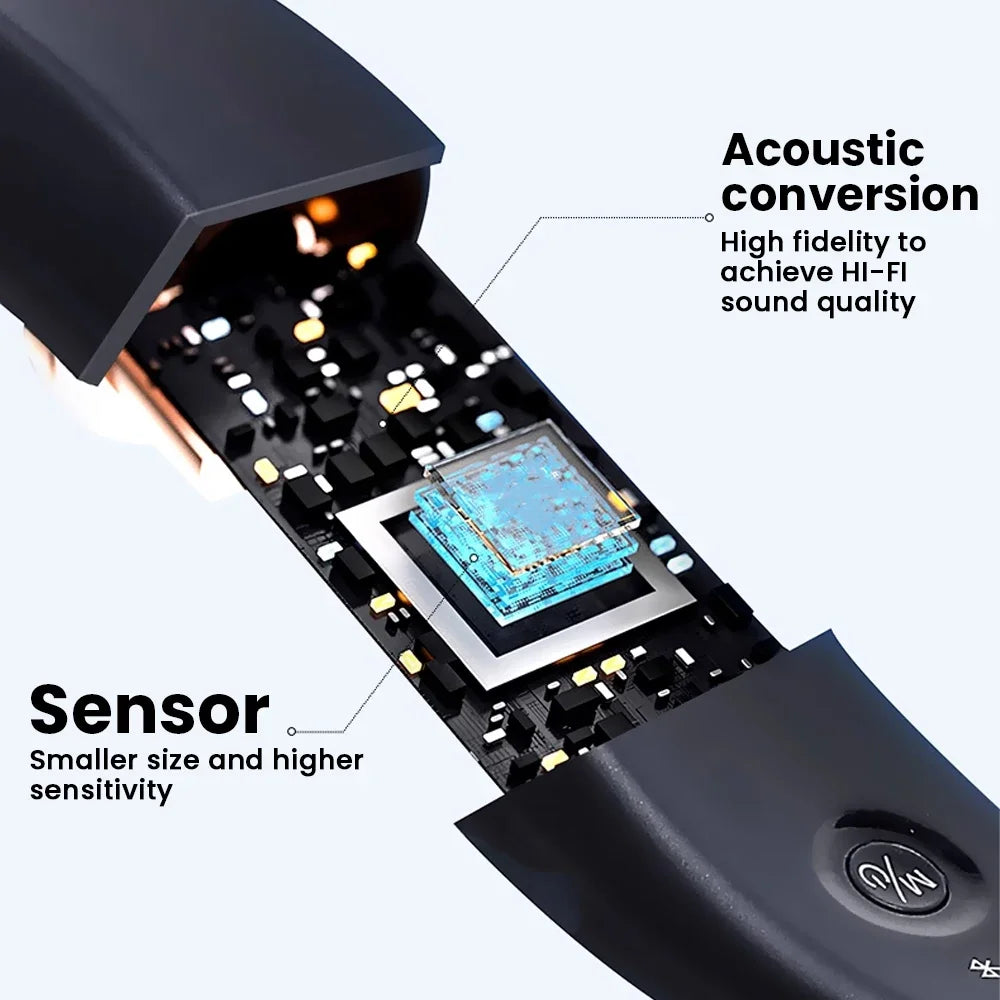
Clear listening reduces doubt. An electronic stethoscope with amplification and recording can help differentiate subtle cardiac auscultation sounds, especially when heart sounds faint.
👉 Explore clearer listening for challenging patients
For families and clinicians balancing care at home and in practice, Massage & Relaxation and Beauty & Wellness support recovery and daily wellbeing.
Common Listening Mistakes That Lead to Missed Clues
- Rushing through positions
- Ignoring patient posture
- Focusing only on loudness
- Not correlating heart and lung findings
Normal heart waveform vs abnormal patterns 💡 See it in action
Ready to sharpen your bedside skills? 👉 Hear subtle changes sooner with the right tool
Mini FAQ
What do faint heart sounds usually indicate?
Faint heart sounds often result from increased distance between the heart and chest wall, such as obesity, lung hyperinflation, or fluid. Context and timing matter more than volume alone.
How do heart lung sounds differ in children?
Children have faster rates and louder breath sounds. Many murmurs are innocent and position-dependent, resolving with growth.
Can lung sounds affect heart sound interpretation?
Yes. Wheezes or crackles can mask cardiac findings, which is why listening to heart lung sounds together improves accuracy.
Related Articles:
- Gurgling Lung Sounds in Acute Care: When to Act
- Dull Lung Sounds in Elderly Patients: Causes and Clues
Pillar Articles:





