

Dull Lung Sounds in Elderly Patients: Causes and Clues
What are dull lung sounds and why do they matter in older adults?
Dull lung sounds are quieter, muted breath sounds often heard during chest listening. In elderly patients, dull lung sounds may signal fluid buildup, lung collapse, or reduced airflow. Age-related chest changes can mask severity, making early recognition critical for timely care and safer outcomes.
⏱ 8 min readCaring for aging parents or patients can feel overwhelming—especially when subtle signs are easy to miss. One of the most confusing? Dull lung sounds. Are they harmless age-related changes, or early warnings of something more serious? Understanding these clues can help you act sooner and with confidence.
Which subtle sound could change your next evaluation? Read on.

Dull lung sounds during assessment can hide serious issues — 💡 See it in action
Why dull lung sounds are common in elderly patients
Dull lung sounds occur more frequently with age due to natural and medical changes. Reduced chest wall flexibility, weaker respiratory muscles, and chronic conditions all play a role. These factors lower sound transmission, making breath sounds softer even before illness appears.
- Loss of lung elasticity
- Kyphosis and posture changes
- Chronic heart or lung disease
- Long-term immobility
For caregivers focused on safety and wellness, recognizing that “quiet” doesn’t always mean “normal” is essential.
What causes dull lung sounds in older adults?
Dull lung sounds often point to reduced air movement or sound blockage. In elderly patients, the most common causes include fluid, tissue changes, or collapsed air spaces.
Fluid accumulation
Pleural effusion or heart-related fluid overload can dampen sound transmission. Breath sounds may be faint or absent at lung bases.
Lung consolidation
Pneumonia and infections replace air with fluid or pus, creating dull, flat sounds that are easy to overlook during noisy clinical auscultation.
Atelectasis
Partial lung collapse, common after surgery or prolonged bed rest, reduces ventilation and produces muted breath sounds.
Why unclear lung sounds diagnosis happens so often
Unclear lung sounds diagnosis is a frequent challenge, even for experienced clinicians. Background noise, patient movement, and weakened breath effort all interfere with accurate listening.
| Challenge | Impact |
|---|---|
| Noisy environment | Masks subtle breath changes |
| Low patient effort | Faint airflow sounds |
| Traditional tools | Limited amplification |
This is why many healthcare providers explore newer solutions within Health & Safety tools designed for clearer assessments.
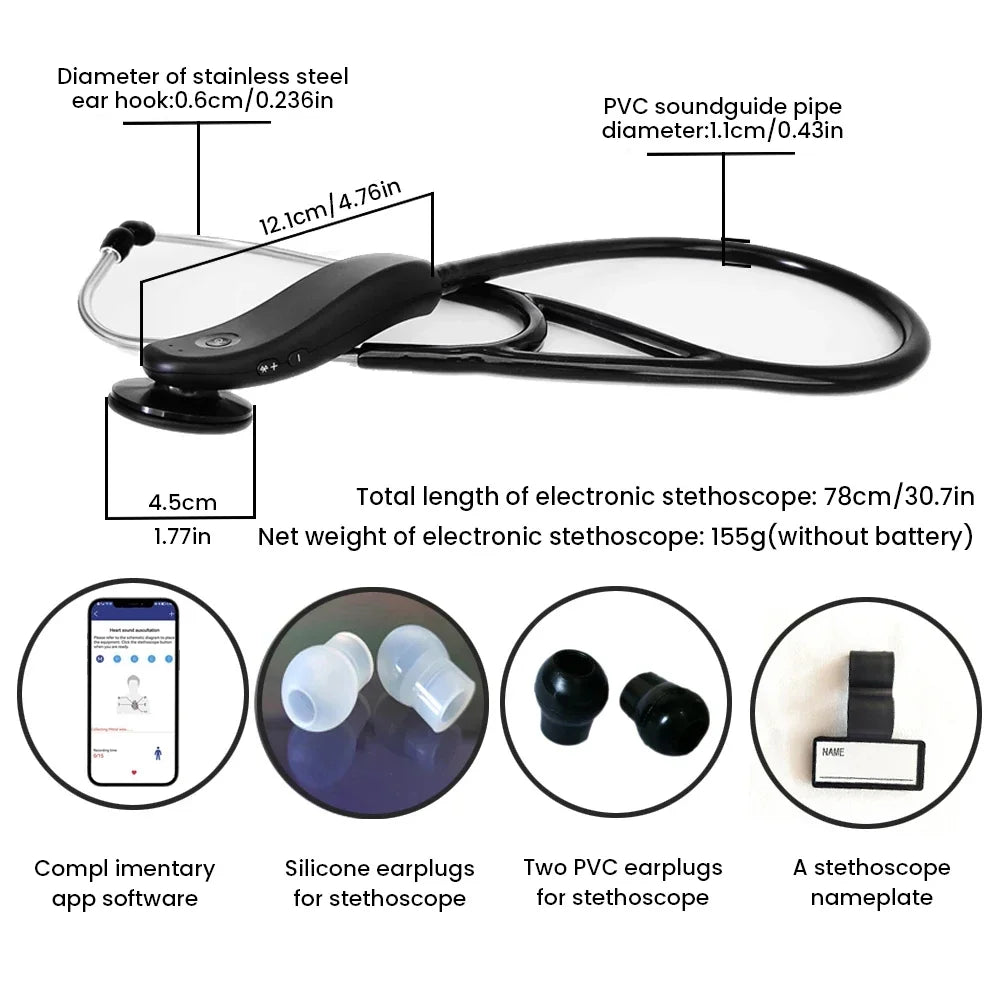
Noisy clinical auscultation can delay recognition — 💡 See it in action
How lung assessment digital technology reduces guesswork
Lung assessment digital technology helps amplify, filter, and record sounds for review. These tools support safer decisions when dull lung sounds are hard to interpret.
- Sound amplification improves clarity
- Noise filtering reduces interference
- Playback enables comparison over time
- Sharing recordings supports team care
An amplified stethoscope, such as the model available here, can reveal subtle airflow differences ears alone may miss—especially valuable in home care and long-term monitoring.
Families balancing caregiving and daily life often rely on supportive wellness tools found in Monitoring Devices to stay proactive without added stress.
Real-world scenarios: when listening closer changes outcomes
Scenario 1: A home caregiver notices increasing fatigue but no cough. Amplified listening reveals progressively dull lung sounds at the bases, prompting early medical review.
Scenario 2: In a busy clinic, digital playback confirms asymmetry between lungs, supporting faster imaging and treatment.
These moments highlight how clearer sound access supports peace of mind—similar to how parents use wellness tools from Beauty & Wellness to care for loved ones holistically.

Amplified stethoscope use improves unclear lung sounds diagnosis — 💡 See it in action
Take a closer listen today. Tools designed for clarity can make assessments calmer, faster, and more reliable—especially when caring for someone you love.
Frequently asked questions
Are dull lung sounds always serious?
No. Some dull lung sounds reflect age-related changes, but new or worsening findings should always be evaluated, especially with symptoms like shortness of breath or fever.
Can digital tools replace clinical judgment?
They don’t replace expertise but enhance it. Amplification and playback support clearer interpretation and better communication.
Who benefits most from amplified listening tools?
Clinicians, home caregivers, and families managing chronic conditions all benefit from clearer sound detection and reduced uncertainty.
Pillar Article: Heart Lung Sounds for Different Patients: What to Listen For
Other Related Articles:
Explore More:





