

What is pulmonary sounds audio and why does it matter?
Pulmonary sounds audio refers to digitally captured lung and chest sounds that help clinicians hear subtle respiratory details more clearly. By reducing background interference and amplifying low-volume signals, pulmonary sounds audio improves interpretation during noisy clinical auscultation and helps distinguish breath patterns that may otherwise be missed.
Pulmonary Sounds Audio: Top Digital Tools Compared
⏱ 7 min read
Have you ever strained to catch a faint breath sound while alarms beep or conversations hum nearby? For clinicians balancing accuracy with time pressure, unclear listening can feel frustrating and risky. Digital listening tools promise clearer pulmonary sounds audio—but which ones actually help you hear with confidence?
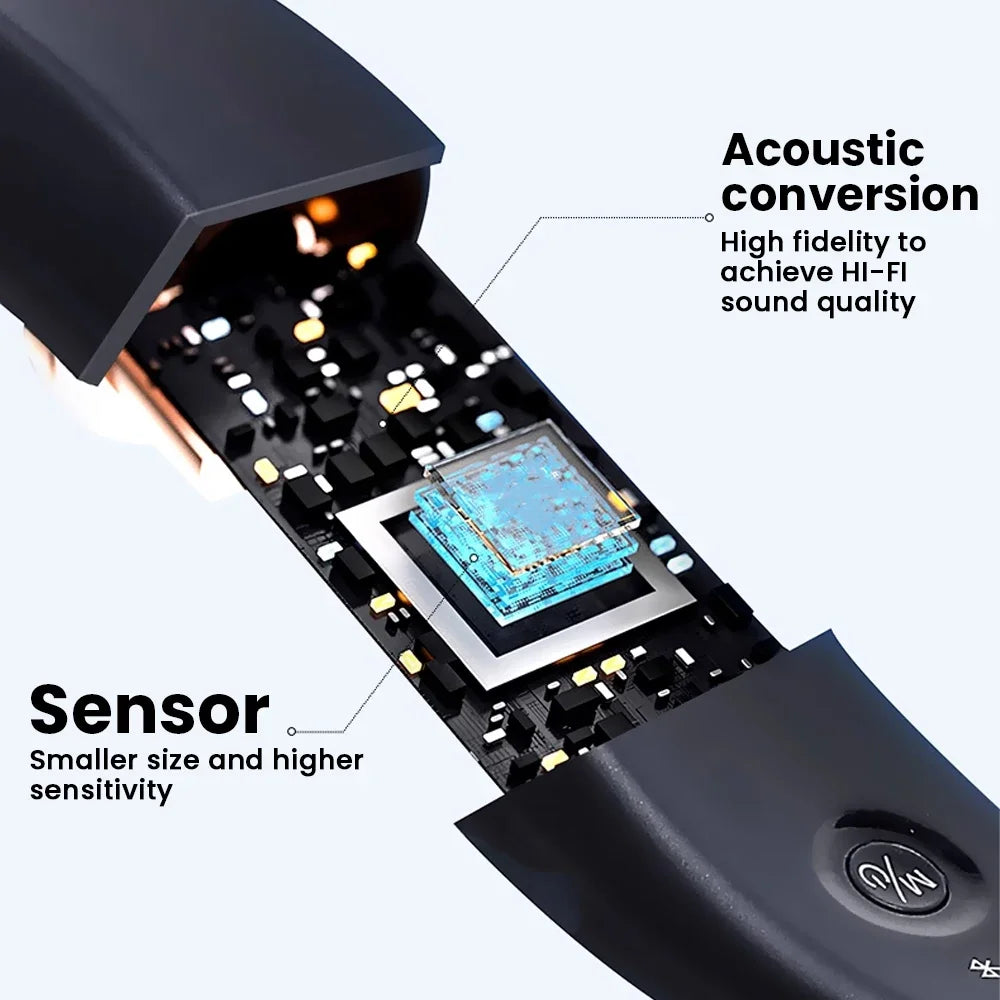
Pulmonary sounds audio clarity during noisy clinical auscultation 💡 See it in action
Why Digital Listening Tools Improve Confidence
Pulmonary sounds audio captured digitally allows clinicians to revisit and analyze what they hear. Instead of relying solely on memory, recordings help confirm findings and explain faint heart sounds meaning to colleagues or trainees.
- Clearer differentiation between normal and abnormal breath sounds
- Reduced stress in fast-paced or loud environments
- Better documentation for follow-up care
- Improved teaching and team communication
Many professionals pair these tools with resources from the Health & Safety collection to create a more reliable assessment setup.
Side-by-Side Comparison of Digital Options
Pulmonary sounds audio tools vary widely in features and ease of use. The table below highlights common differences clinicians notice during daily practice.
| Feature | Traditional Stethoscope | Digital Listening Tool |
|---|---|---|
| Sound Amplification | Limited | Up to 40× amplification |
| Noise Filtering | None | Advanced electronic stethoscope noise reduction |
| Recording & Playback | No | Yes |
| Learning Support | Minimal | High—ideal for training |
For clinicians who also monitor infants or dependents at home, pairing tools with Monitoring Devices can add peace of mind beyond the clinic.
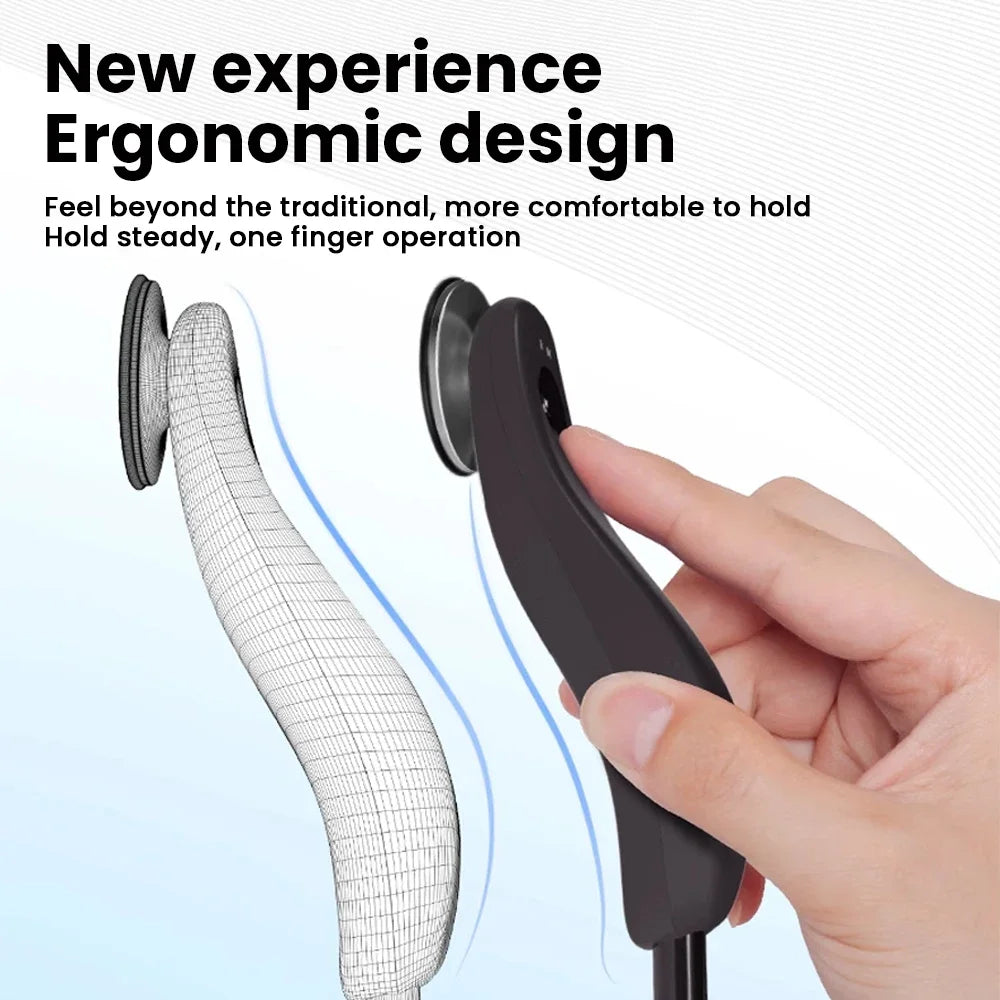
Electronic stethoscope noise reduction revealing subtle pulmonary sounds audio 💡 See it in action
How Noise Reduction Changes Clinical Listening
Pulmonary sounds audio becomes far more reliable when background noise is filtered out. Advanced processing isolates lung and heart frequencies, helping clinicians interpret faint heart sounds meaning without distraction.
This is especially helpful in emergency rooms, busy wards, or home visits where silence is unrealistic. Many users report less listening fatigue and more consistent findings.
Common Advantages Noticed
- Improved focus during assessments
- Greater confidence explaining findings to families
- Reduced need for repeat examinations
- Better collaboration with remote colleagues
Benefits of Amplified Listening
An amplified stethoscope enhances pulmonary sounds audio by making low-volume signals easier to hear without straining. This can be crucial for early detection of subtle respiratory changes.
Clinicians caring for postpartum parents or infants often combine these tools with wellness solutions from Beauty & Wellness to support holistic care routines.
Who Benefits Most From These Tools?
Digital listening tools are not limited to specialists. They support a wide range of users:
- Nurses working in high-noise environments
- Physicians monitoring chronic respiratory conditions
- Educators teaching auscultation skills
- Caregivers balancing clinic and home health needs
Many professionals appreciate having recordings available when consulting remotely or reviewing cases later.
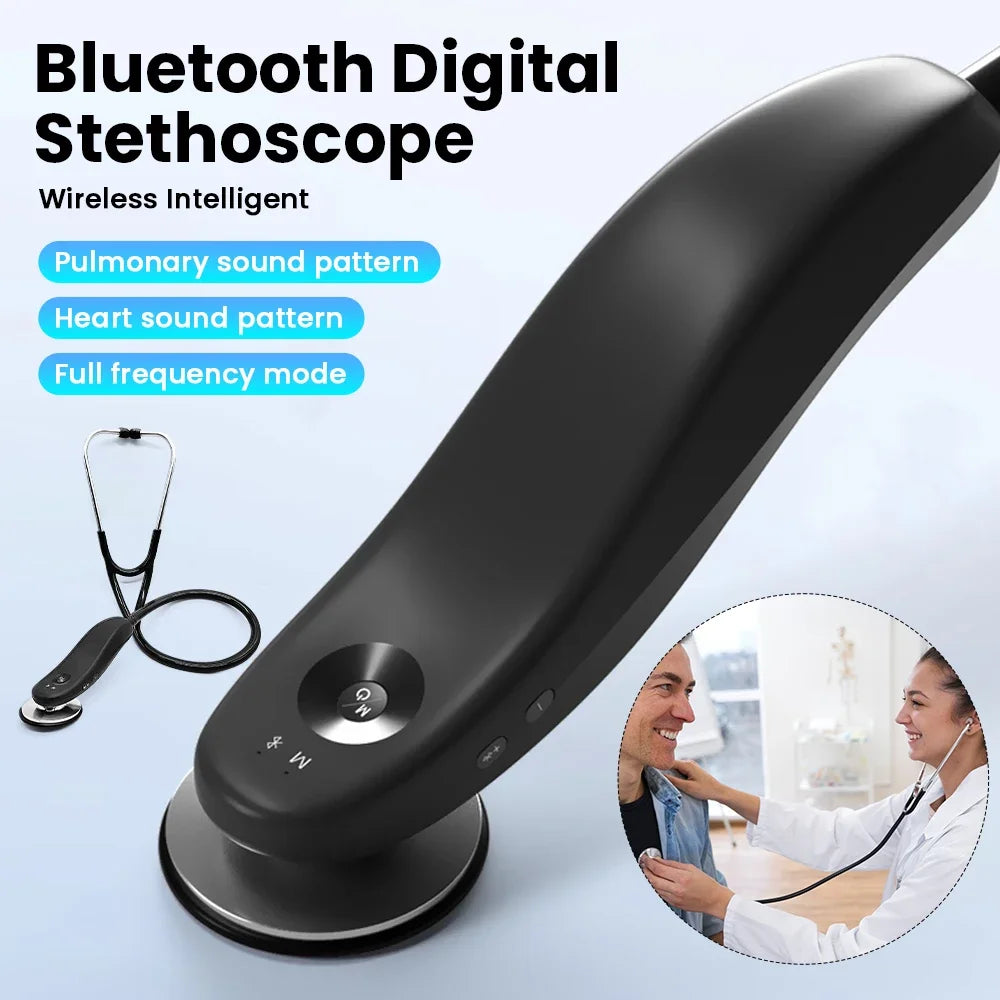
Amplified stethoscope improving pulmonary sounds audio clarity 💡 See it in action
Frequently Asked Questions
Does pulmonary sounds audio really improve accuracy?
Yes. By enhancing clarity and reducing interference, pulmonary sounds audio helps clinicians identify subtle variations more reliably, especially in loud environments.
Is digital listening difficult to learn?
Most users adapt quickly. Controls are intuitive, and playback features make learning easier for both new and experienced clinicians.
Can recordings be shared securely?
Many tools allow safe storage and sharing within care teams, supporting collaboration while respecting patient privacy.
Related Articles:
- Poor Stethoscope Sound Quality? Devices That Fix It
- Electronic Stethoscope for Telemedicine: Best Picks
- Pulmonary Sounds Audio: Top Digital Tools Compared
- Heart Sound Recording Devices Reviewed Side by Side
- Sound Waves Visualization Tools: Which Devices Perform Best
Pillar Articles:





