

Do gurgling lung sounds mean an emergency?
Gurgling lung sounds do not always mean a medical emergency, but they should never be ignored when they occur with breathing difficulty, chest pain, bluish lips or skin (cyanosis), confusion, severe weakness, or a sudden decline in health. A gurgling sound when breathing may come from mucus or airway secretions that are temporary, but it can also indicate fluid buildup, infection, or serious respiratory problems that require prompt medical evaluation.
Gurgling Lung Sounds in Acute Care: When to Act
⏱ 7 min read · Gurgling lung sounds can range from mild mucus-related noises to signs of more serious airway or lung conditions. Understanding what causes these wet, bubbling sounds, how clinicians interpret them, and when they may require urgent attention helps patients and caregivers recognize important warning signs. This guide explains what gurgling breath sounds may indicate and how they differ from other abnormal breathing noises.
Can you hear fluid in lungs, and does every bubbling sound mean something dangerous? The answer depends on the cause, accompanying symptoms, and how quickly the sound develops.

Gurgling lung sounds during assessment can signal airway fluid or mucus buildup—understanding the cause supports faster decisions. See it in action
What are gurgling lung sounds?
Gurgling lung sounds are wet, low-pitched breathing noises that occur when air moves through fluid, mucus, or secretions inside the airways. People may describe them as bubbling, rattling, or a “wet” sound when breathing. In medical settings, these gurgling breath sounds can provide clues about changes in the lungs or larger air passages.
Unlike normal breathing, lung sounds gurgling often suggest that airflow is interacting with material inside the respiratory system. This may happen with increased mucus production, reduced ability to clear secretions, airway irritation, infection, or fluid accumulation.
How clinicians describe abnormal breath sounds
Healthcare providers listen carefully to the quality, location, timing, and intensity of abnormal breath sounds. Gurgling sounds in lungs are not a diagnosis by themselves—they are a physical finding that must be interpreted alongside symptoms, medical history, and other examination results.
Gurgling or bubbling lung sounds may overlap with other respiratory findings, including:
- Crackles (rales): Short popping sounds often associated with fluid or changes in the small airways.
- Rhonchi: Lower-pitched, coarse sounds that may occur when mucus or secretions partially block larger airways.
- Wheezing: High-pitched sounds commonly linked to narrowed airways.
- Coarse breath sounds: Rough, wet noises that may indicate airway secretions.
The bubbling quality of bubbling lung sounds usually comes from air moving through liquid or mucus. The sound may become quieter after coughing, suctioning, changing position, or clearing secretions, depending on the underlying cause.
How gurgling sounds are typically noticed
- Wet, bubbling quality that may change after coughing or clearing mucus
- Often heard more clearly over larger airways
- May occur together with crackles, rhonchi, or coarse respiratory sounds
- Can change depending on body position or breathing pattern
Common causes of gurgling lung sounds
Gurgling lung sounds can develop when air moves through mucus, fluid, or other material inside the respiratory system. The cause may be temporary and treatable, such as increased airway secretions, or it may indicate a more serious condition involving fluid buildup or impaired breathing. Understanding the context, symptoms, and medical history helps determine the level of concern.
Fluid buildup, infection, mucus, and chronic lung conditions
- Excess airway secretions: Mucus buildup from conditions such as pneumonia, bronchitis, or respiratory infections can create wet, bubbling sounds as air passes through the airways.
- Pulmonary edema: Fluid accumulation in the lungs, often related to heart failure or fluid overload, can cause crackling or wet respiratory sounds and may require urgent evaluation.
- Aspiration: Food, liquid, vomit, or oral secretions entering the airway can lead to gurgling respiratory sounds and increase the risk of breathing complications.
- Reduced ability to clear mucus: Sedation, neurological conditions, weakness, or an impaired cough reflex can allow secretions to collect and produce abnormal lung sounds.
- Chronic lung conditions: Diseases such as COPD may contribute to increased mucus production and ongoing changes in breathing sounds.
When there is fluid or mucus in the airways, airflow becomes disrupted. This interaction between air and liquid creates the wet or bubbling quality often described as lung gurgling. The sound alone cannot identify the exact cause, which is why healthcare providers consider other signs such as oxygen levels, breathing effort, fever, chest discomfort, and overall condition.
When should gurgling lung sounds be treated as urgent?
Gurgling lung sounds require urgent medical attention when they occur with signs of respiratory distress or sudden health changes. While mild mucus-related sounds may improve after coughing or clearing secretions, persistent or worsening gurgling breathing sounds can indicate a more serious problem such as airway obstruction, severe infection, or acute fluid buildup.
Red flags that require immediate medical attention
- Difficulty breathing, rapid breathing, or increasing effort to breathe
- Blue or gray lips, face, or fingertips (cyanosis)
- Chest pain, severe pressure, or sudden discomfort
- Confusion, extreme drowsiness, or altered mental status
- Increasing oxygen requirements or signs of low oxygen
- Inability to cough up or clear thick secretions
- Rapid worsening of symptoms over minutes or hours
Early medical intervention may involve addressing the underlying cause, such as clearing airway secretions, providing oxygen support, treating infection, or managing fluid buildup. The appropriate response depends on why the gurgling sound is occurring and should be guided by a healthcare professional.
How doctors diagnose the cause of gurgling lung sounds
Physical examination and diagnostic tests
Because gurgling lung sounds can have several possible causes, healthcare providers use a combination of symptoms, physical examination findings, and diagnostic tests to determine what is happening inside the respiratory system. A wet or bubbling sound alone does not identify a specific condition—it must be evaluated alongside breathing patterns, oxygen levels, and overall health status.
During an assessment, clinicians typically listen to the chest with a stethoscope to identify the location, timing, and quality of abnormal breathing sounds. They may check whether the sound changes after coughing, repositioning, or clearing airway secretions, which can provide clues about whether mucus or fluid is contributing.
Additional evaluations may include:
- Oxygen level measurements: Help determine whether breathing problems are affecting oxygen delivery.
- Chest X-rays or imaging: Can help identify fluid buildup, infection, lung changes, or other abnormalities.
- Blood tests: May provide information about infection, inflammation, or conditions affecting heart and lung function.
- Medical history review: Helps identify risk factors such as heart disease, COPD, recent illness, aspiration risk, or fluid retention.
Accurate diagnosis is important because treatment depends on the underlying reason for the gurgling respiratory sounds. A sound caused by mucus congestion may require a different approach than one caused by pneumonia, heart-related fluid buildup, or another lung condition.
Treatment options depend on the underlying cause
Managing infection, fluid buildup, and airway problems
Gurgling lung sounds are a symptom rather than a disease. Treatment focuses on identifying and addressing the condition creating the abnormal sound.
Depending on the cause, medical care may include:
- Airway treatments: Techniques or medications that help loosen and clear mucus when secretions are contributing to breathing sounds.
- Infection management: Conditions such as pneumonia may require clinician-directed treatment based on the type and severity of infection.
- Fluid management: Pulmonary edema or fluid overload may require treatments that reduce excess fluid and improve breathing.
- Oxygen therapy: May be used when oxygen levels are lower than expected or breathing is impaired.
- Supportive respiratory care: Additional breathing support may be considered when symptoms become severe.
For some patients, tools such as an electronic stethoscope may support clearer auscultation during assessment by helping healthcare providers hear respiratory sounds more distinctly. However, diagnosis and treatment decisions rely on the complete clinical picture, not on sound amplification alone.
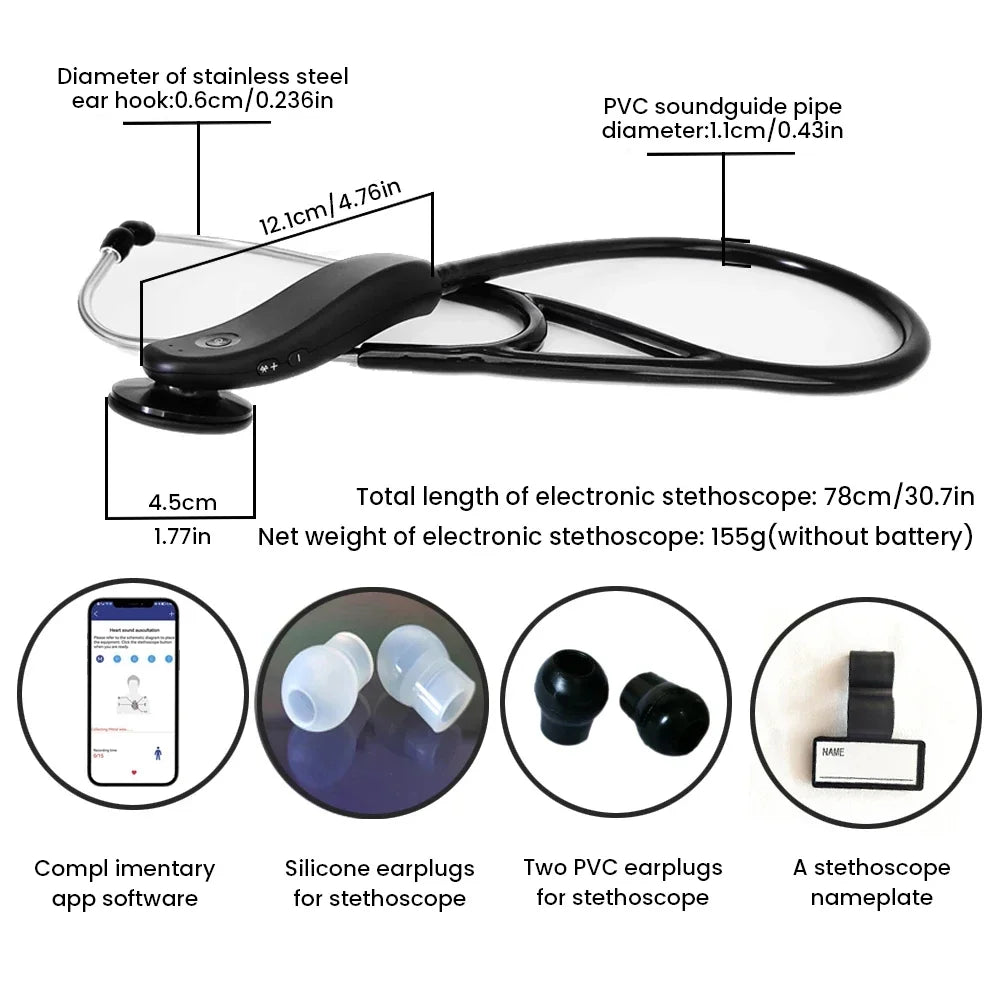
Understanding respiratory sounds helps connect lung findings with possible causes. See it in action
What does fluid in the lungs sound like?
Signs of pulmonary fluid accumulation
Fluid in the lungs can create several different abnormal breathing sounds depending on where the fluid is located and how much is present. Healthcare providers may describe these findings as crackles, coarse breath sounds, or gurgling lung sounds. Patients often describe them as bubbling, rattling, wet, or crackling noises when breathing.
Some people can hear or feel these sounds themselves, particularly when lying flat or taking deep breaths. Others are only identified during a physical examination with a stethoscope.
- Fine crackles: Brief popping sounds that may suggest fluid within the smaller air sacs of the lungs.
- Coarse crackles or bubbling sounds: Wet, louder sounds that can occur when air moves through larger amounts of mucus or fluid.
- Gurgling breathing sounds: Often indicate secretions or fluid within the larger airways that may need further medical evaluation.
Although abnormal lung sounds may suggest pulmonary congestion or fluid accumulation, they are not enough to diagnose a specific condition. Imaging studies, oxygen measurements, and a complete clinical assessment are usually needed to determine the underlying cause.
Learning more about respiratory conditions and warning signs can help patients recognize when symptoms deserve prompt medical attention. Additional educational resources are available in our Health & Safety library.
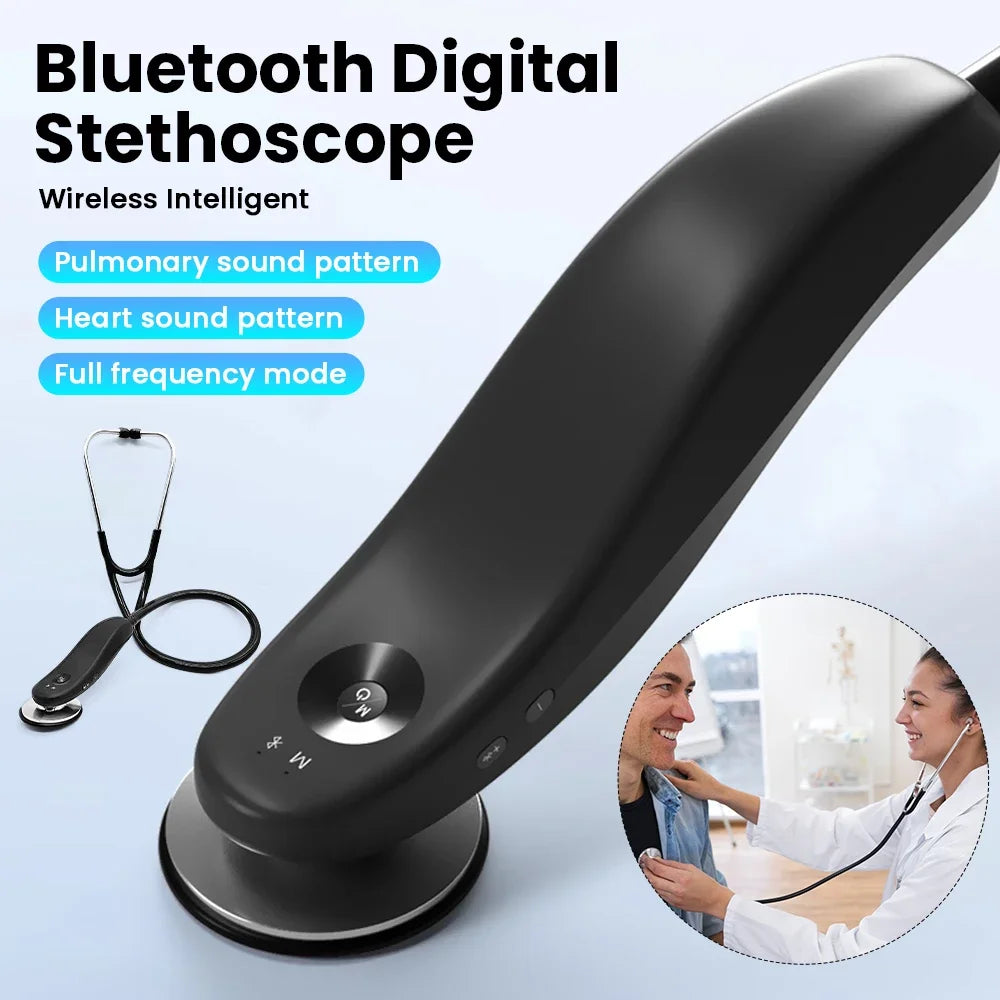
Gurgling lung sounds, bubbling breath sounds, and crackles can all indicate changes that deserve careful medical evaluation. See it in action.
Quick FAQs
Can gurgling lung sounds go away on their own?
Yes, mild gurgling lung sounds caused by temporary mucus or airway secretions may improve after coughing, deep breathing, hydration, or changing position. However, persistent or worsening gurgling sound when breathing should always be evaluated by a healthcare professional, particularly if it is accompanied by fever, shortness of breath, or low oxygen levels.
Are gurgling sounds always abnormal?
Not always. Brief bubbling lung sounds related to mucus can occur during respiratory infections and may resolve as the illness improves. In adults, persistent gurgling breath sounds are generally considered abnormal because they can indicate fluid in the lungs, excessive secretions, or partial airway obstruction that requires medical assessment.
Can mucus cause bubbling lung sounds?
Yes. Thick mucus within the larger airways is one of the most common causes of bubbling lung sounds or gurgling respiratory sounds. Conditions such as bronchitis, COPD, pneumonia, or viral respiratory infections may produce excess mucus that changes the sound of breathing until the secretions are cleared or treated.
Are gurgling lung sounds contagious?
The sounds themselves are not contagious. However, if they result from an infectious illness such as pneumonia or certain viral respiratory infections, the underlying disease may spread to others depending on the specific cause and mode of transmission.
When should I see a doctor for gurgling breathing?
Seek prompt medical evaluation if gurgling breathing lasts more than a short period, repeatedly returns, or occurs with chest pain, difficulty breathing, blue lips or fingertips, confusion, coughing up blood, or rapidly worsening symptoms. These warning signs can indicate serious conditions such as pneumonia, pulmonary edema, or significant airway obstruction.
Can you hear fluid in your lungs?
Some people notice a wet, bubbling, or rattling sensation while breathing, but many cannot accurately tell whether fluid is present. Healthcare providers use a stethoscope along with imaging and other tests to determine whether abnormal lung sounds are caused by fluid, mucus, or another respiratory condition.
Pillar Article: Heart Lung Sounds for Different Patients: What to Listen For
Other Related Articles:
Explore More:





