

How do you sterilize baby bottles safely by boiling?
How to sterilize bottles by boiling involves fully submerging cleaned bottles and parts in rapidly boiling water for at least 5 minutes to kill germs. This method works for most bottle materials, is cost-free, and helps protect babies from bacteria during daily feeding routines.
⏱ 8 min read
How to Sterilize Bottles by Boiling: Step-by-Step Guide for Parents
How to sterilize bottles by boiling is one of the simplest yet most reassuring habits new parents can build. If you’ve ever stared at a sink full of bottles wondering whether soap alone is enough, you’re not alone. Germs are invisible, routines are exhausting, and feeding time should feel safe—not stressful. This guide shows exactly how to do it right.
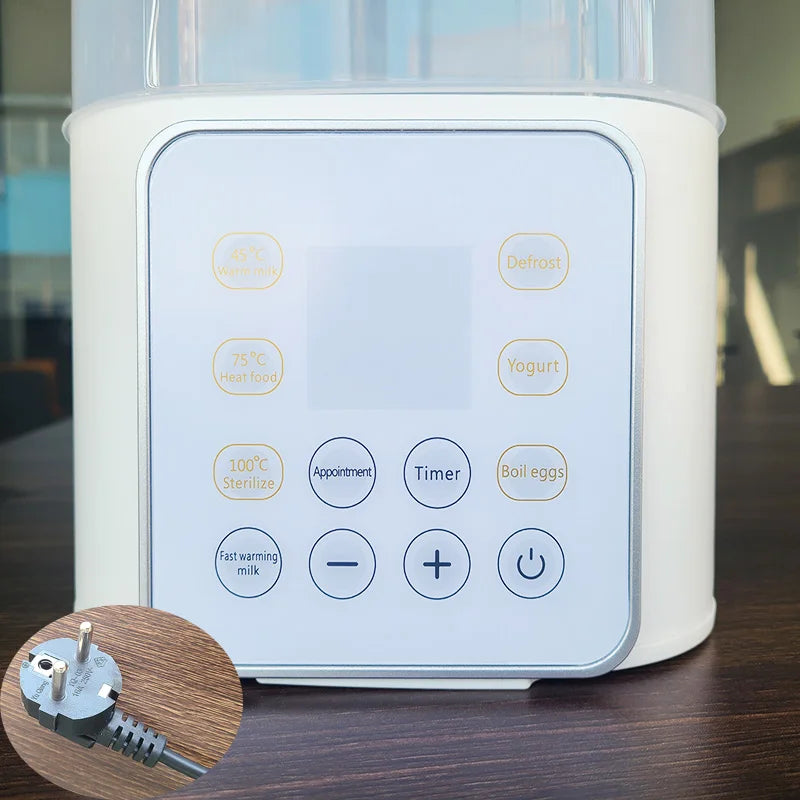
How to sterilize bottles by boiling safely at home 💡 See it in action
Explore trusted tools designed to support everyday baby hygiene.
Baby Care EssentialsWhy Bottle Sterilization Matters More Than You Think
Babies’ immune systems are still developing. Even tiny traces of milk left behind can become a breeding ground for bacteria. Sterilizing bottles reduces the risk of stomach bugs, thrush, and infections—especially during the first year.
Parents often ask if boiling is still necessary. The answer is yes, particularly for newborns, premature babies, or when your household has been sick.
What You Need Before Boiling Bottles
- A large pot deep enough to fully submerge bottles
- Clean water
- Washed bottles, nipples, rings, and caps
- Tongs or a clean utensil for removal
Washing comes first. Always clean bottles thoroughly before sterilizing to remove milk residue and formula buildup.
How to Sterilize Bottles by Boiling: Step-by-Step
How to sterilize bottles by boiling starts with fully cleaned bottles placed in a pot of water, ensuring no air bubbles remain. Bring the water to a rolling boil and keep boiling for at least 5 minutes. Carefully remove and air-dry on a clean surface to prevent contamination.
- Disassemble bottles completely.
- Wash with warm, soapy water and rinse well.
- Place all parts into a pot and cover with water.
- Bring to a full boil for 5–10 minutes.
- Remove with clean tongs and air-dry.
Tools that warm, clean, and support bottles can save precious minutes.
See how this bottle warmer fits your routineSterilizing Plastic Bottles vs Glass Bottles
The safest way to handle plastic
Sterilizing plastic bottles requires attention to heat tolerance. Always check manufacturer guidelines. Avoid letting bottles rest on the pot’s base to prevent warping, and never exceed recommended boiling times.
The best way to sterilize glass bottles
The best way to sterilize glass bottles is boiling because glass withstands high heat without releasing chemicals. Glass bottles can safely remain in boiling water slightly longer, making them ideal for repeated sterilization.
| Material | Heat Resistance | Best Practice |
|---|---|---|
| Plastic | Moderate | Shorter boil, careful placement |
| Glass | High | Standard boil, low risk |
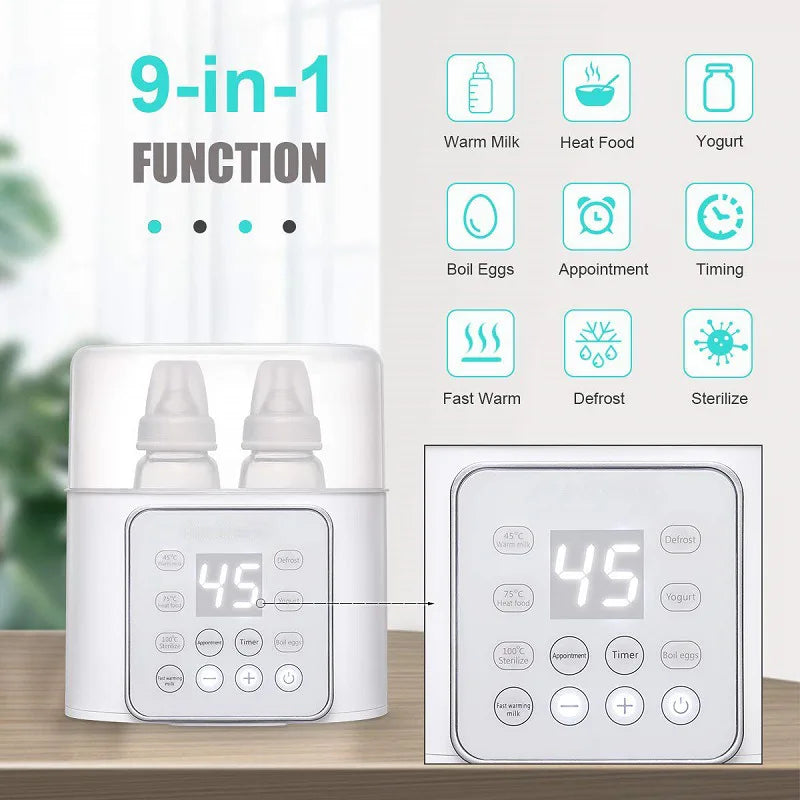
Sterilizing plastic bottles and glass bottles the right way 💡 See it in action
Common Boiling Mistakes Parents Make
- Skipping pre-wash before boiling
- Letting bottles touch dirty surfaces after sterilizing
- Over-boiling plastic bottles
- Using unclean tongs or towels
Small mistakes can undo the entire process. Creating a clean flow—from sink to pot to drying area—keeps sterilization effective.
When Steam Sterilization at Home Makes Sense
Steam sterilization at home is helpful for busy parents who sterilize multiple times a day. Electric steam devices use high heat without submerging bottles, reducing wear on plastic and saving time between feeds.
Many parents rotate between boiling and steam depending on schedule and bottle material.
For households focused on safety and convenience, browsing options under Sterilization Devices can help streamline daily routines.
Making Bottle Sterilization Easier Every Day
Consistency matters more than perfection. Set a routine, keep tools together, and choose equipment that supports your lifestyle. When feeding feels easier, bonding feels better.
Parents often pair sterilizing with warming and prep stations to reduce nighttime stress. Solutions found in Feeding & Nursing collections are designed for exactly this phase of life.
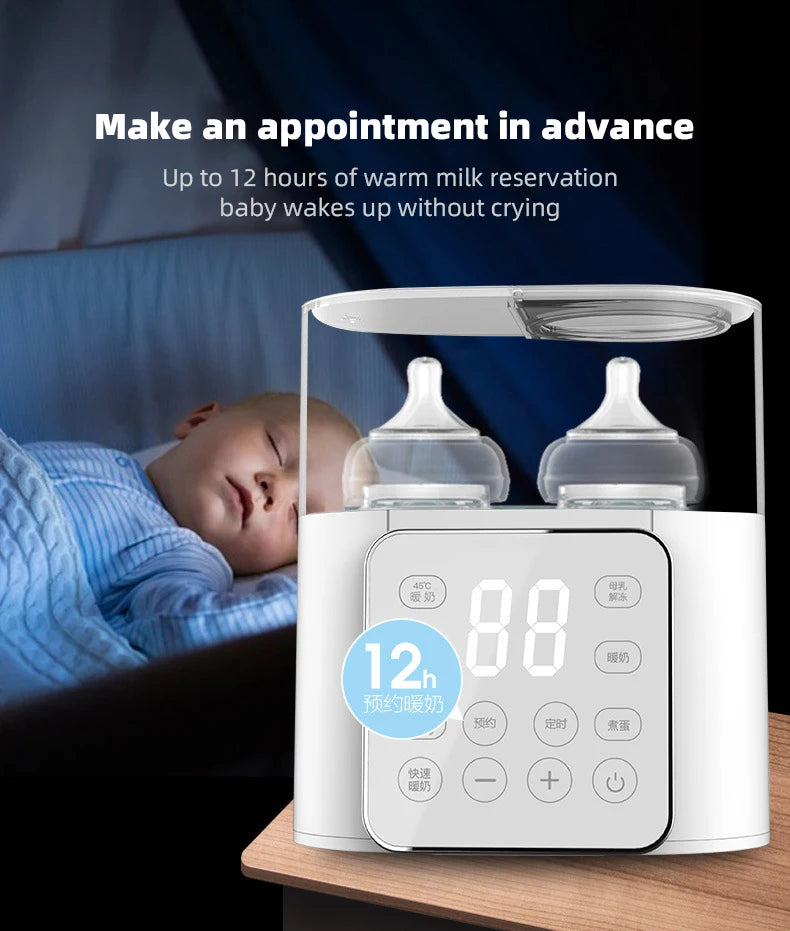
How to sterilize bottles by boiling and prep feeds faster 💡 See it in action
Parents love tools that save time during late-night feeds.
Get yours now — limited stock!Frequently Asked Questions
How often should I sterilize baby bottles?
For newborns, daily sterilization is recommended. As babies grow and their immune systems strengthen, parents may reduce frequency while maintaining thorough cleaning.
Is boiling better than using chemicals?
Boiling uses only heat and water, making it a trusted option for parents who prefer simple, residue-free methods.
Can I boil bottle nipples and accessories?
Yes, as long as they are heat-safe. Always check instructions and avoid over-boiling silicone or rubber parts.
Related Articles:
- Steam Sterilization for Bottles: How to Do It at Home Safely
- Feeding Infant Formula Safely: Step-by-Step Preparation Guide
- How to Warm Breast Milk from Fridge: Quick Steps for Busy Moms
- How to Use Bottle Sterilizer: Tips for Safe and Efficient Feeding
Pillar Articles:
- How to Sterilize Bottles in Microwave: Best Practices for Busy Parents
- NTC Temp Sensor in Bottle Warmers: How It Protects Your Baby
- Precise Temperature Baby Bottle Heater: Why It Matters for Newborns
- Fast Heating Baby Bottle Warmer: Top Models for Every Parent
- How to Warm Baby Milk: Top Options for Safe and Fast Feeding





