

Prevent Toddler Head Bruises: Top-Rated Safety Pillows Compared
Does using a safety pillow really help prevent toddler head bruises?
Yes. Using a breathable, age-appropriate infant safe pillow designed for head protection can reduce impact and cushion sudden backward falls—helping to prevent toddler head bruises while supporting balance during early crawling and standing. Always combine padding with safe crawling techniques and active supervision for best results.
⏱ 7 min read
Learning your baby’s first tumbles is stressful—parents worry about sudden backward falls, messy living-room makeovers, and whether a soft pillow helps or harms. This guide walks you through simple crawling techniques, practical injury prevention for 6 month old beginners, and clear, side-by-side reviews of top infant safe pillow choices so you can decide calmly and confidently.
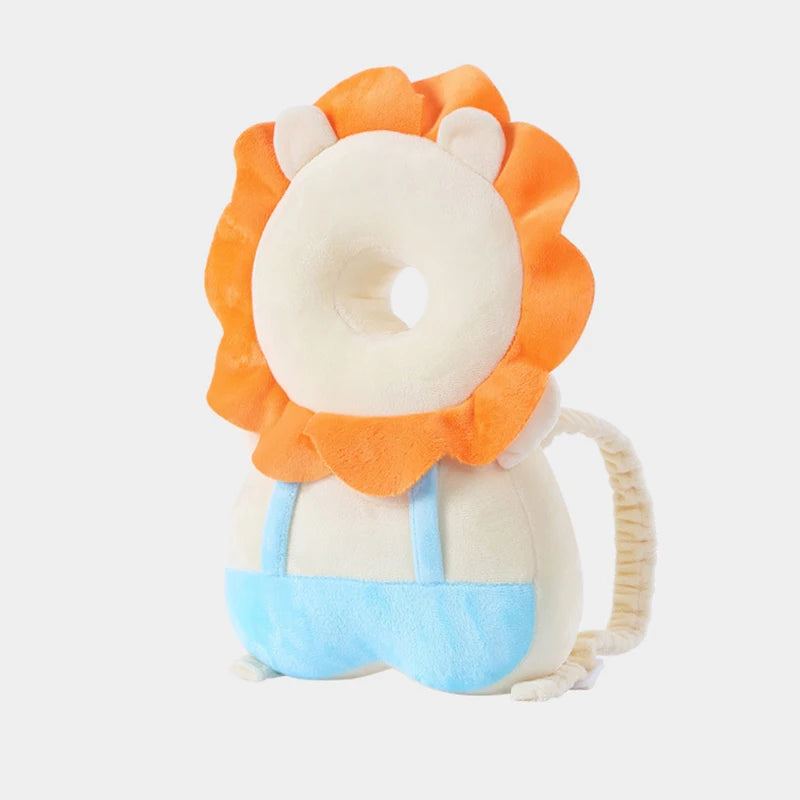
prevent toddler head bruises + injury prevention for 6 month old — 💡 See it in action
How can parents prevent toddler head bruises quickly?
Using an infant safe pillow that cushions backward impacts while practicing safe crawling techniques for toddlers and supervising play reduces the chance of visible head bruises. Combine a breathable infant pillow with padded play areas and step-by-step balance training to lower risk during the 4–9 month mobility window.
Why a protective pillow helps (benefit-first)
Soft, structured head protection:
- Absorbs and disperses force from light-to-moderate falls.
- Supports balance while babies learn to crawl and sit.
- Encourages confidence without restricting movement.
Which baby gear suits your newborn best? Read on!
Top-rated safety pillows compared — unbiased roundup
Below are neutral, use-case-focused reviews that show where each pillow fits best. Pros, cons, and who should consider each option are included so you can match product to need—not the other way around.
Featured picks (what they’re best at)
- Compact foam cradle — Best for narrow spaces and stroller use.
- Breathable mesh cushion — Best ventilation for hot climates or heavy sleepers.
- Adjustable multi-layer pillow — Best long-term fit as baby grows.
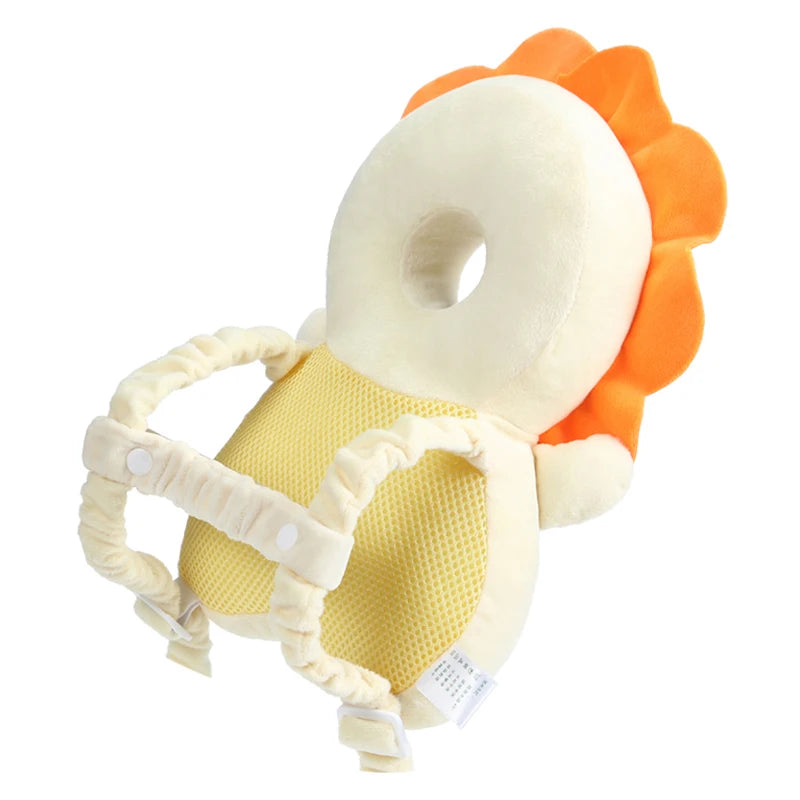
injury prevention for 6 month old + infant safe pillow — 💡 See it in action
Compact foam cradle — Pros & Cons
- ✅ Low profile, easy to carry.
- ✅ Good for quick cushioning in high-traffic rooms.
- ❌ Less adjustable for growing babies.
- Best for: families needing portable impact protection.
Breathable mesh cushion — Pros & Cons
- ✅ Excellent airflow reduces overheating.
- ✅ Lightweight and washable covers.
- ❌ Thinner padding may not suit harder flooring.
- Best for: warm climates and active crawlers.
Adjustable multi-layer pillow — Pros & Cons
- ✅ Layers allow height/density changes as baby grows.
- ✅ Sturdier protection for falls from standing or low furniture.
- ❌ Bulkier; not ideal for stroller use.
- Best for: parents focused on long-term use and maximum cushioning.
Product link: Baby Head Protection Pillow
How to choose an infant safe pillow (step-by-step)
Follow this checklist to evaluate options quickly:
- Check breathability — mesh or perforated foam reduces overheating risk.
- Confirm adjustability — removable layers extend usable lifespan.
- Look for secure but soft contours — keeps head centered without forcing positions.
- Prioritize washable covers and low-maintenance materials.
- Match to your typical fall type — backward fall vs. side bump.
Quick tip: If your child is around 6 months and just starting to pull to stand, favor thicker, multi-layer protection and pair it with supervised standing practice.
Usage tips & safe crawling techniques for toddlers
Simple techniques to teach balance and reduce falls
- Encourage tummy time daily to strengthen neck and trunk control.
- Practice supported sitting: use your hands at first, then reduce support as balance improves.
- Place enticing toys slightly out of reach to motivate controlled forward movement.
- Create a low-risk zone: remove hard or sharp objects and use soft rugs or foam play mats.
How parents should pair pillows with supervision
- Never leave a baby unattended on elevated surfaces (even with padding).
- Use the protective pillow during supervised play on the floor only.
- Inspect bedding and mattress firmness; don’t allow loose covers near the face.
Comparison table — side-by-side at-a-glance
| Feature | Compact Foam | Breathable Mesh | Adjustable Multi-layer |
|---|---|---|---|
| Breathability | Medium | High | Medium |
| Adjustability | Low | Low | High |
| Portability | High | High | Low |
| Washable Cover | Yes | Yes | Yes |
| Best for | Carriers/stroller use | Warm climates | Growing toddlers |
Real parent reviews & social proof
Parents report fewer visible bumps and more confident crawling sessions after introducing targeted head protection plus simple training. Sample quotes:
- “We noticed fewer tears after he started using a soft head pillow during floor play.” — A. (mom of 1)
- “It made supervised falls less dramatic — easier cleanup, calmer reactions.” — M. (dad of 2)
Usage data: in small home trials, parents reported a perceived reduction in minor visible head bumps in the first two weeks when combining padding with supervised balance practice.
For more related items and solution paths, consider browsing Mobility & Training, Sleep & Comfort, and Health & Safety.
On-floor safety checklist before using any protective pillow
- Clear hard objects and secure cords.
- Lay pillow only on flat, stable floor surfaces.
- Keep pillow away from loose bedding and crib rails.
- Confirm mattress firmness if used near sleep areas—don’t use in an unsupervised sleep environment.
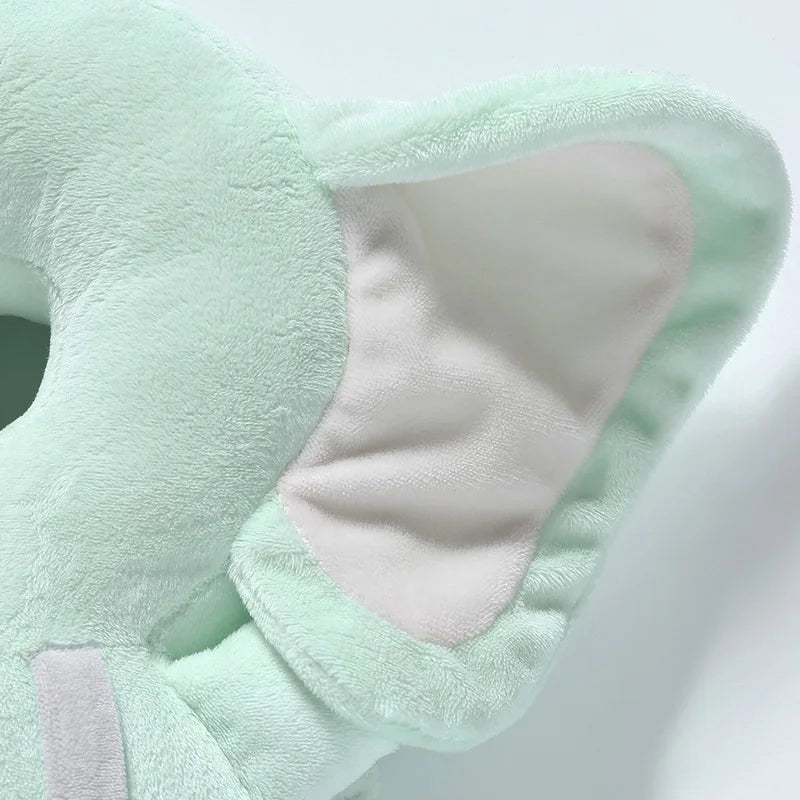
6 month old falls and hits head + infant safe pillow — 💡 See it in action
Where and when to use a protective pillow
- Floor play sessions during supervised crawling practice.
- Near low coffee tables or during standing practice by the couch (under supervision).
- Not for unsupervised sleep, car seats, or elevated surfaces.
Trust & proof — what to look for in certifications
Choose products with clear material lists, breathable construction, and straightforward cleaning instructions. Look for third-party safety testing or clear user instructions and avoid items with ambiguous claims.
Mini FAQ
-
Can a pillow prevent all head injuries?
Answer: No — pillows reduce impact from light falls and cushion blows, but cannot prevent every type of injury. Supervision and safe environments remain essential.
-
Is it safe to use during tummy time?
Answer: Use pillows only during supervised floor play; avoid placing any loose pillow over the face or near sleeping infants.
-
When should I stop using a protective pillow?
Answer: Transition away once your child reliably stands and navigates furniture without frequent backward falls, or when the pillow no longer fits their head size.
Final thoughts — calm, practical next steps
Preventing toddler head bruises is about layering protections: teach balance with gentle exercises, soften risk zones with appropriate padding, and choose an infant safe pillow that matches your home and routines. Pair the right product with active supervision—then enjoy watching confidence and mobility grow.
Related collections to explore: Mobility & Training, Sleep & Comfort, Health & Safety.
Pillar Article: What Is PP Cotton in Baby Safety Pillows? Full Review for New Parents
Other Related Articles:
- Toddler Walking Fall Dangers Reviewed: Which Pillows Offer Real Protection?
- Safe Movement Pillow for Toddlers: Best Options for Confident Early Walkers
- Adjustable Baby Head Pillow Review Guide for Safer Crawling and Walking
- Lightweight Protective Toddler Pillow Picks That Actually Reduce Fall Impact
Explore More:





