

What makes a safe BPA free baby bottle best for newborns?
A safe BPA free baby bottle protects newborns from chemical exposure while supporting gentle digestion. Using pp plastic bpa free materials, smart airflow systems, and soft nipples, the right bottle can make feeding a newborn with a bottle easier and help reduce newborn gas after every feeding.
Safe BPA Free Baby Bottle Guide for Different Newborn Needs
⏱ 7 min read
A safe BPA free baby bottle can quietly solve more feeding frustrations than most parents expect. From choosing pp plastic bpa free materials to mastering feeding a newborn with a bottle, the right design can reduce leaks, support natural latch, and even help calm newborn gas after every feeding. Many parents are surprised how bottle shape and airflow affect sleep, comfort, and digestion in the first weeks.
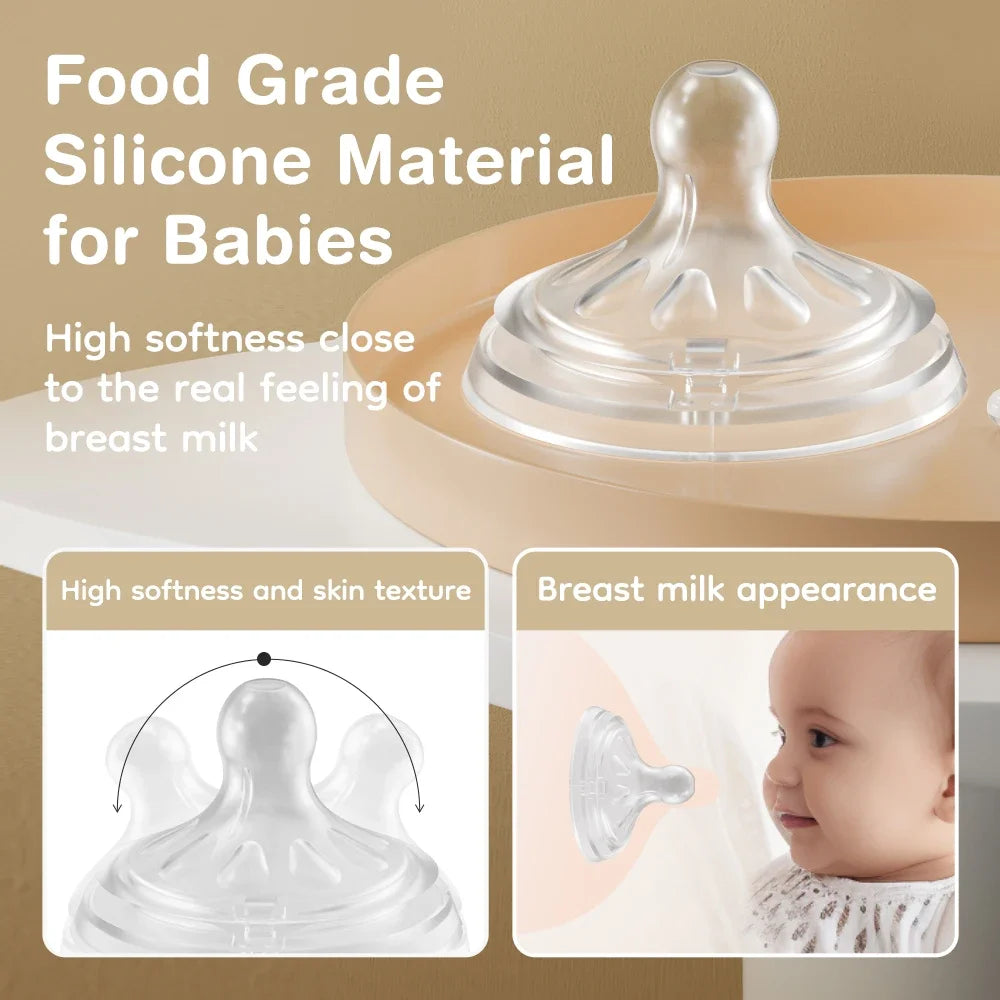
Safe BPA free baby bottle with pp plastic bpa free design 💡 See it in action
Why BPA-Free Bottles Matter for Newborn Safety
A safe BPA free baby bottle reduces the risk of chemical exposure during early development. Newborns feed frequently, and repeated contact with unsafe plastics can increase unnecessary exposure. BPA-free materials give parents peace of mind during every feeding.
- Protects developing endocrine systems
- Safe for warm milk and sterilization
- Designed for repeated daily use
- Meets modern baby safety standards
Parents browsing Health & Safety products often prioritize bottles first because feeding is the most frequent daily interaction during early weeks.
Why PP Plastic BPA Free Is a Smart Choice
A safe BPA free baby bottle made with pp plastic bpa free material balances safety, durability, and lightweight handling. PP plastic resists heat warping and doesn’t absorb odors, making it ideal for newborn feeding routines.
Unlike heavier materials, pp plastic bpa free bottles are easier for tired parents to handle during night feeds and safer for babies beginning to grip bottles later.
| Feature | PP Plastic BPA Free | Traditional Plastic |
|---|---|---|
| Chemical Safety | High | Variable |
| Heat Resistance | Stable | May warp |
| Weight | Light | Medium |
| Odor Retention | Low | Higher |
Parents pairing bottles with sterilizers from Sterilization Devices often prefer pp plastic bpa free for consistent safety.
Feeding a Newborn with a Bottle Without Stress
Feeding a newborn with a bottle can feel overwhelming at first. The right bottle supports natural sucking, reduces milk flow confusion, and helps babies feel secure during feeds.
- Choose a soft, slow-flow nipple for newborn pacing
- Hold bottle at a gentle angle to reduce air intake
- Pause frequently for burping
- Watch baby cues rather than forcing volume
Many parents browsing Feeding & Nursing collections notice calmer feeds when bottle design matches newborn reflexes.
Reducing Newborn Gas After Every Feeding
A safe BPA free baby bottle with anti-colic airflow helps reduce newborn gas after every feeding by preventing excess air swallowing. Venting systems allow air to enter the bottle without mixing into milk.
Babies prone to gas often show:
- Frequent squirming after feeds
- Short naps due to discomfort
- Excessive burping or spit-up
- Clenched fists during feeding
Parents often pair bottles with soothing routines from Massage & Relaxation collections to support digestion and calm.
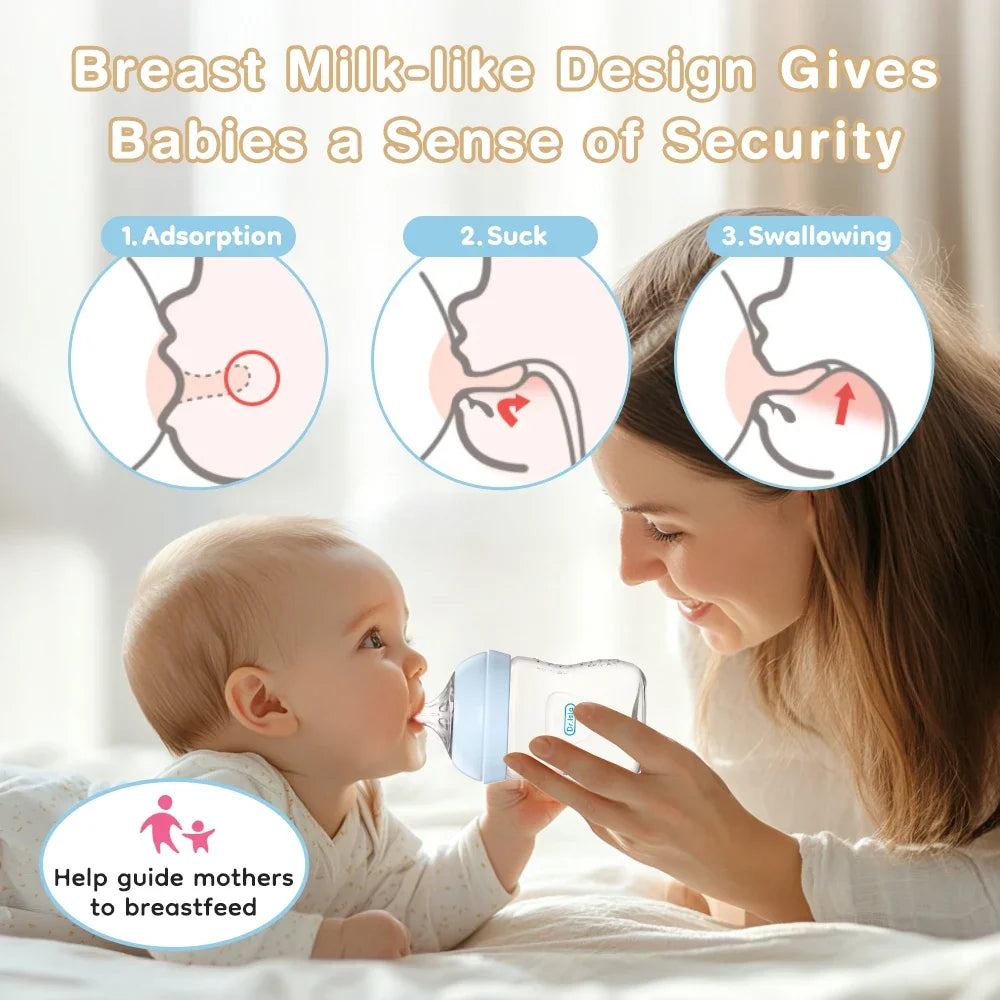
Anti-colic safe BPA free baby bottle for newborn gas relief 💡 See it in action
Matching Bottle Features to Common Newborn Needs
Sensitive Stomachs
Babies with sensitive digestion benefit from slow-flow nipples and consistent venting to minimize pressure.
Combination Feeding
For parents combining breast and bottle, nipple shape and flexibility matter to maintain latch familiarity. Many explore Breastfeeding Aids alongside bottles.
Night Feeding Convenience
Clear measurement markings and leak-resistant caps reduce fumbling during night feeds, especially when paired with Bottle Warmers.
Growing Independence
Lightweight pp plastic bpa free bottles help babies transition toward self-feeding safely.
This anti-choke baby bottle is designed to meet multiple needs without overwhelming parents with complicated parts.
Real Parent Experiences
“We switched to a safe BPA free baby bottle at two weeks, and feeds became calmer almost overnight,” shared a California parent. “Gas episodes dropped, and bedtime was easier.”
Another family noted fewer leaks and easier cleaning when switching to pp plastic bpa free bottles paired with tools from Baby Care Essentials.
How to Choose the Right Bottle for Your Newborn
- Confirm BPA-free and pp plastic bpa free materials
- Check nipple flow designed for newborns
- Look for proven venting or anti-colic features
- Ensure compatibility with sterilizers and warmers
- Choose a size that matches early feeding volumes
Parents overwhelmed by options often simplify by selecting one reliable bottle and adjusting as baby grows.
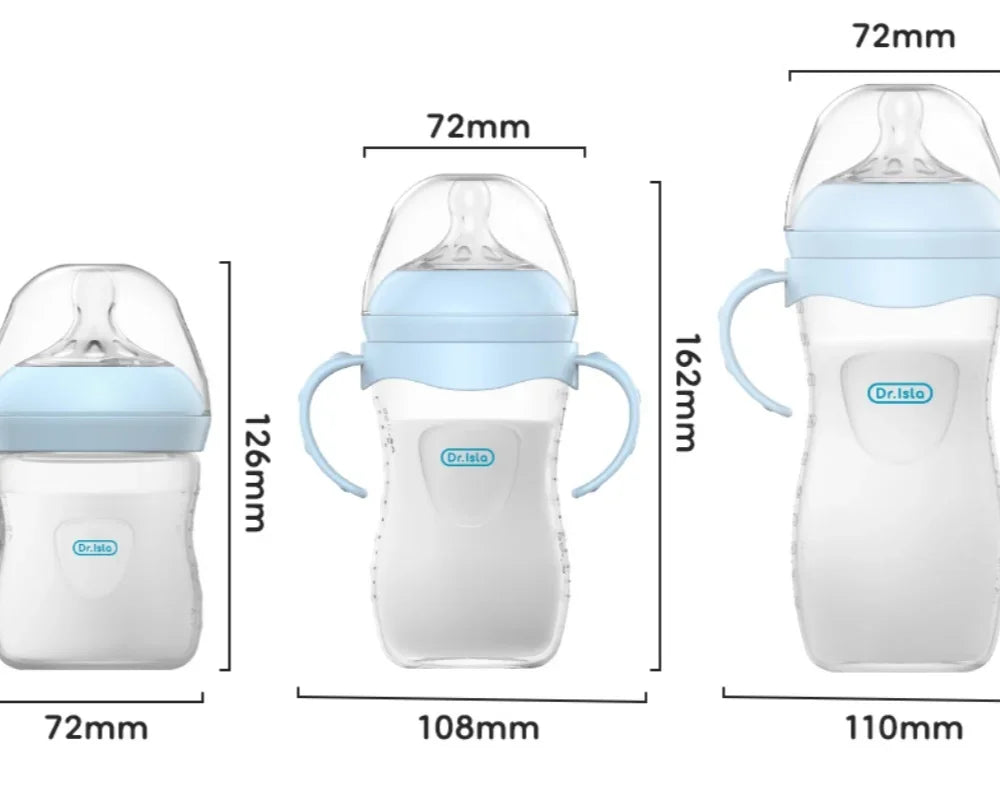
Safe BPA free baby bottle for everyday newborn feeding 💡 See it in action
Frequently Asked Questions
Is a safe BPA free baby bottle better for newborns?
A safe BPA free baby bottle reduces chemical exposure while supporting gentle feeding. Many parents notice improved comfort and fewer digestive issues when using bottles made from pp plastic bpa free materials.
Can bottle design really reduce newborn gas after every feeding?
Yes. Bottles with effective venting systems limit air intake, which helps reduce pressure and discomfort linked to newborn gas after every feeding.
What material is easiest to clean for frequent feeds?
PP plastic BPA free bottles resist odor buildup and tolerate repeated sterilization, making them practical for frequent newborn feeding schedules.
Related Articles:
- Medium Flow Bottle Nipple: Ideal Babies and Feeding Scenarios
- Variable Flow Baby Nipple: Best Use Cases for Your Newborn
Pillar Articles:





