

What is a variable flow baby nipple and does it really help newborn feeding?
A variable flow baby nipple adjusts milk flow based on your newborn’s sucking strength, helping prevent choking, gulping, and frustration. Unlike fixed-flow nipples, it supports natural feeding rhythms, making feeds calmer and more comfortable while reducing gas and spit-up for many babies.
Variable Flow Baby Nipple: Best Use Cases for Your Newborn
Variable flow baby nipple solutions are designed to follow your newborn’s lead, not force a fixed pace. If feeding times feel messy, stressful, or unpredictable, understanding variable flow nipple meaning and seeing a clear bottle nipple flow comparison can help you choose a gentler, more responsive option that supports comfort, safety, and bonding.
⏱ 7 min read
Does your newborn gulp milk too fast one day and fall asleep frustrated the next? Many parents worry about choking, colic, or whether they’re using the “right” nipple flow. The good news: feeding doesn’t have to be guesswork. A variable flow baby nipple can adapt to your baby’s natural sucking rhythm, making feeds calmer and easier.
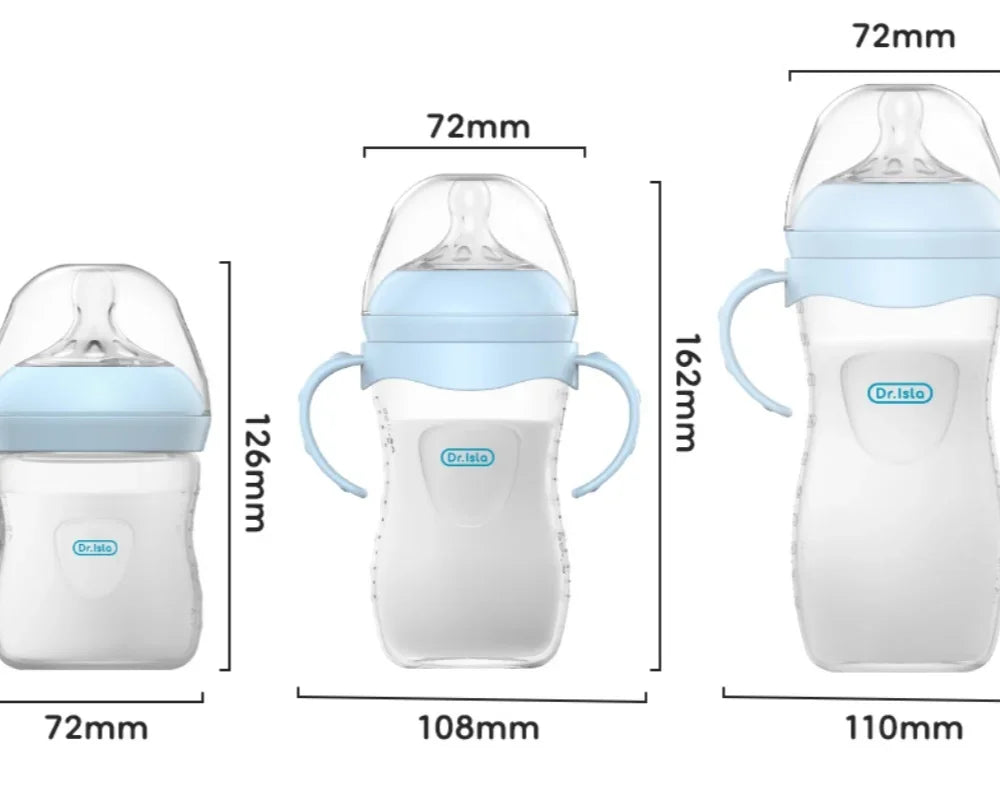
Variable flow baby nipple in everyday newborn feeding routines 💡 See it in action
What does variable flow nipple mean?
A variable flow baby nipple allows milk to flow based on how strongly your baby sucks, rather than delivering a fixed amount. This responsive design helps newborns control feeding speed, reducing coughing, choking, and air intake while supporting a more natural feeding experience similar to breastfeeding.
In simple terms, your baby decides the pace. When sucking gently, milk flows slowly. When sucking more strongly, flow increases. This adaptability is especially helpful during growth spurts or when babies switch between breast and bottle.
Why parents find this helpful
- Less milk leaking from the mouth
- Reduced gulping and swallowed air
- Smoother transitions between breast and bottle
- Calmer feeds, especially at night
Best use cases for a variable flow baby nipple
A variable flow baby nipple works best when feeding challenges change from day to day. Newborns aren’t consistent feeders, and this flexibility supports their development.
For newborns prone to choking or coughing
Babies with sensitive gag reflexes often struggle with standard nipples. Variable flow helps slow milk delivery until your baby is ready, reducing sudden surges.
For babies switching between breast and bottle
Because flow depends on active sucking, babies are less likely to prefer the bottle over breastfeeding. This supports feeding balance and reduces confusion.
For colic or gassy newborns
Taking in less air during feeds may ease discomfort. Many parents notice fewer pauses for burping and calmer post-feed behavior.
Parents often pair feeding solutions with items from Feeding & Nursing to build a routine that feels predictable and soothing.
Bottle nipple flow comparison: variable vs fixed flow
Understanding bottle nipple flow comparison can clarify why some babies struggle with standard options.
| Feature | Variable Flow Nipple | Fixed Flow Nipple |
|---|---|---|
| Milk control | Baby-controlled | Pre-set speed |
| Choking risk | Lower for many newborns | Higher if flow is too fast |
| Breastfeeding compatibility | Often better | Can cause preference |
| Adaptability | Adjusts as baby grows | Requires frequent changes |
For parents overwhelmed by choices, variable flow can simplify feeding by covering multiple stages with one solution.
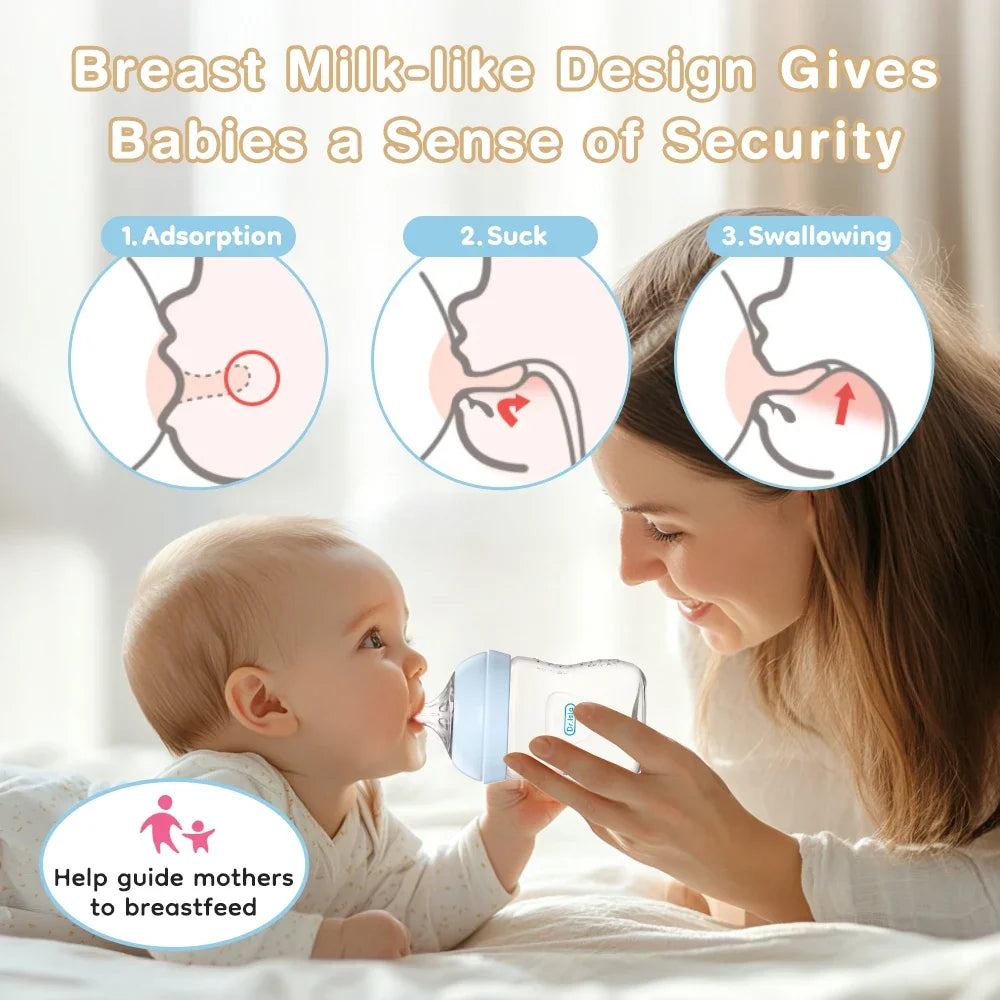
Bottle nipple flow comparison showing variable flow benefits 💡 See it in action
Tips for bottle feeding a newborn with variable flow
Even with the right nipple, technique matters. These tips for bottle feeding a newborn help maximize comfort and reduce mess.
- Hold your baby in a semi-upright position.
- Let your baby latch before tilting the bottle.
- Watch sucking rhythm, not the clock.
- Pause for burping when sucking slows.
Many parents also rely on gentle routines supported by Baby Care Essentials to keep feeding calm and consistent.
Real parent experience
“We noticed fewer spit-ups within days. Our baby seemed more relaxed and didn’t rush through feeds anymore,” shared a first-time parent of a two-week-old newborn.
Safety, hygiene, and comfort considerations
Always inspect nipples for wear and clean thoroughly. Pairing feeding tools with items from Health & Safety and Sterilization Devices can support safer routines.
Comfort extends beyond feeding. Products from Sleep & Comfort can help babies settle after feeds, especially during nighttime routines.
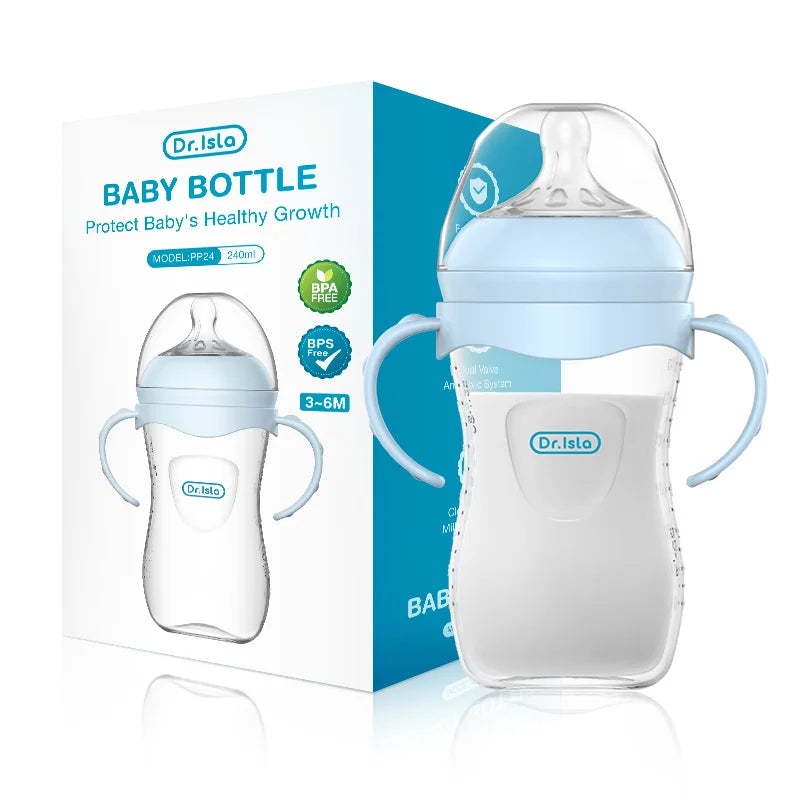
Variable flow nipple meaning in daily newborn care 💡 See it in action
Frequently asked questions
Is a variable flow baby nipple suitable from birth?
Yes. Many variable flow nipples are designed specifically for newborns and adapt to gentle sucking, making them suitable from the earliest days.
Will variable flow nipples reduce colic?
While no solution guarantees colic relief, reduced air intake and better flow control may help ease gas-related discomfort for some babies.
Do I still need different nipple sizes?
Often less frequently. Variable flow nipples can adjust as your baby’s sucking strength changes, though regular checks are still important.
Pillar Article: Safe BPA Free Baby Bottle Guide for Different Newborn Needs
Other Related Articles:
Explore More:





