

Best Bottle for Gassy Newborns: Expert Reviews & Tips
Finding the best bottle for gassy newborns can make feeding more comfortable for both babies and parents. While no bottle can completely eliminate gas or colic, a well-designed anti-colic bottle can help reduce the amount of air a baby swallows during feeding. Features such as effective venting systems, an appropriate nipple flow, and an ergonomic design may decrease burping, gas, and feeding discomfort. Understanding how these features work can help you choose a bottle that best suits your newborn's feeding needs.
Does the best bottle for gassy newborn really reduce gas?
Yes—many anti-colic bottles are designed to reduce the amount of air babies swallow while feeding, which may help lessen gas, frequent burping, and feeding discomfort. Although no bottle can prevent every case of gas or colic, choosing a bottle with an effective venting system, a properly matched nipple flow, and using good feeding techniques can significantly improve feeding comfort for many newborns.
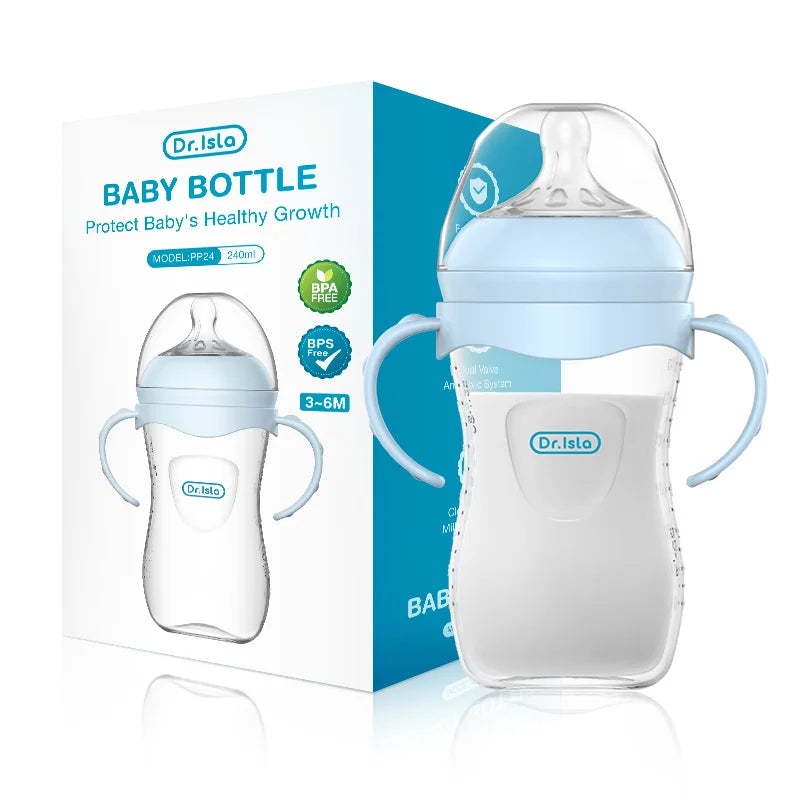
Reduce newborn gas after every feeding with the best bottle for gassy newborn — see how an anti-colic design helps minimize swallowed air.
Why the Right Bottle Matters for Gassy Newborns
Newborns naturally swallow some air while feeding, but excessive air intake can contribute to gas, frequent burping, and feeding discomfort. The right anti-colic bottle helps regulate milk flow while reducing the amount of air entering the bottle, allowing babies to feed more comfortably. Although bottles cannot treat every cause of fussiness or colic, choosing an appropriate design can make a noticeable difference for babies whose symptoms are related to swallowed air.
Key factors affecting gas
- Air entering during feeds: Poor venting or an improperly latched nipple may allow babies to swallow excess air.
- Nipple flow rate: A nipple that flows too quickly can cause gulping, while one that's too slow may encourage harder sucking and increased air intake.
- Feeding position: Holding your baby at a gentle incline helps keep milk filling the nipple and reduces the chance of swallowing air.
- Bottle vent design: Anti-colic valves, internal vents, or vented nipples are designed to improve airflow and reduce vacuum buildup inside the bottle.
- Consistent burping: Even with the best bottle for gassy newborns, regular burping during and after feeds remains an important part of reducing discomfort.
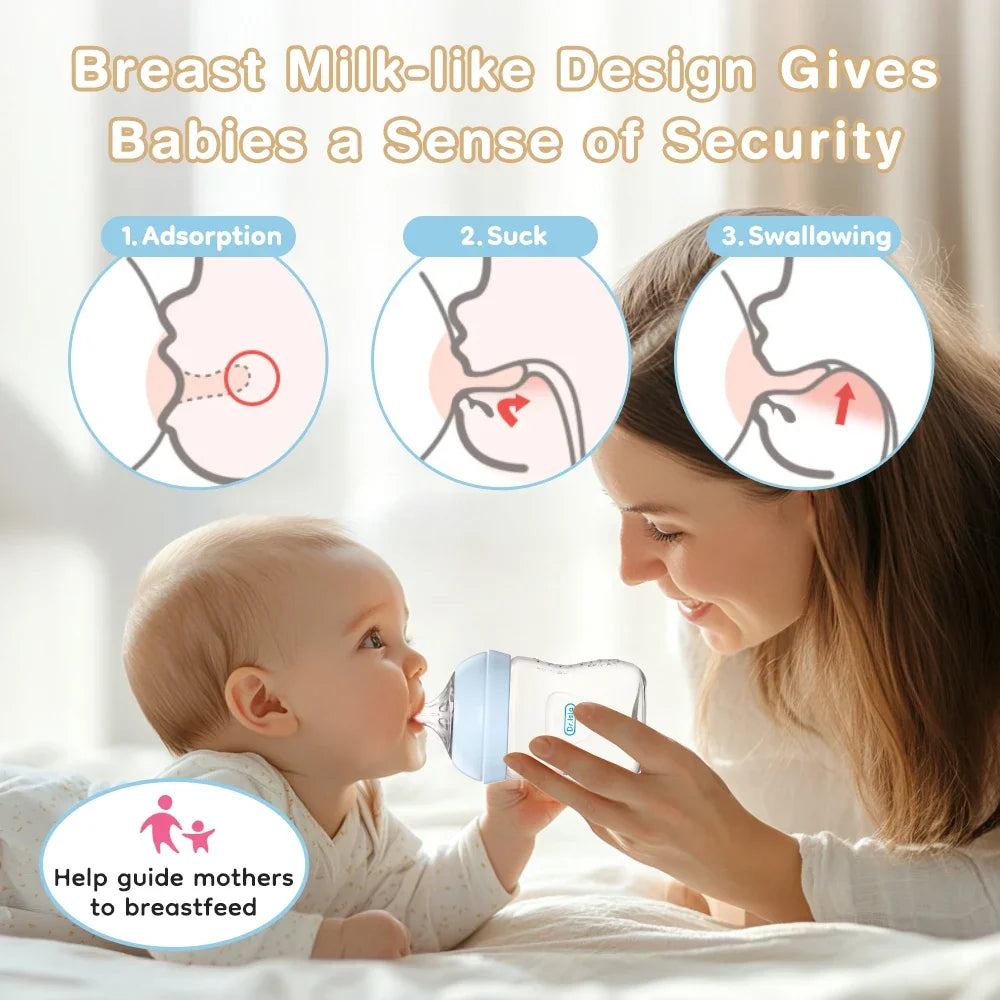
Features such as venting systems and the correct nipple flow can help reduce swallowed air during bottle feeding.
How to Choose the Best Bottle for Your Baby
The best bottle for one newborn may not be the best choice for another. Selecting an anti-colic bottle involves balancing nipple flow, vent design, ease of cleaning, and your baby's feeding style. If your baby continues to swallow air, cough during feeds, or seems uncomfortable afterward, it may be worth trying a different bottle design before assuming the issue is something more serious.
- Choose the right nipple flow: Most newborns begin with a slow-flow nipple. A nipple that flows too quickly can lead to gulping, while one that's too slow may cause babies to suck harder and swallow more air. Switch flow sizes only when your baby's feeding cues indicate they're ready.
- Compare venting systems: Anti-colic bottles use different technologies, including internal vent tubes, vented bases, or specially designed nipples. Each aims to reduce vacuum pressure and limit swallowed air.
- Look for an ergonomic design: Bottles that are comfortable to hold make paced feeding easier and help maintain a steady feeding angle.
- Prioritize safe materials: Choose BPA-free bottles with food-grade silicone nipples. Glass bottles are durable and resistant to staining, while lightweight plastic bottles are convenient for everyday use.
- Consider cleaning requirements: Some anti-colic bottles contain several removable parts that require careful cleaning after each feed. If convenience is important, select a design that's easy to disassemble and reassemble.
- Check replacement part availability: Nipples and vent components wear over time. Choosing a popular bottle system makes replacement parts easier to find as your baby grows.
Feeding Tips to Reduce Gas
Even the best anti-colic bottle works best when paired with proper feeding techniques. Small adjustments to how you feed your baby can reduce swallowed air and improve overall feeding comfort.
- Hold the bottle at the correct angle: Keep the nipple completely filled with milk to reduce air entering your baby's mouth.
- Practice paced bottle feeding: Allow short pauses every few minutes so your baby can swallow comfortably rather than rushing through the feed.
- Burp during and after feeding: Burping midway through longer feeds often releases trapped air before it causes discomfort.
- Feed in a calm environment: A relaxed baby is less likely to gulp milk quickly, which may reduce excess air intake.
- Avoid over-tightening vented bottles: Some anti-colic systems rely on proper airflow. Follow the manufacturer's assembly instructions so the vent functions correctly.
- Monitor your baby's response: If symptoms persist after trying a bottle for several days, consider discussing alternative bottle designs or feeding strategies with your pediatrician.
Pair your chosen bottle with complementary tools from Baby Care Essentials to help create a comfortable, consistent feeding routine.
Anti-Colic Bottles Pros and Cons: Are They Worth Buying?
Quick answer
For many families, anti-colic bottles are worth buying if a newborn frequently swallows air, experiences gas after feeding, or burps excessively. They cannot cure colic or digestive conditions, but they may improve feeding comfort by reducing air intake. The biggest trade-offs are the additional parts some bottles require and the extra time needed for cleaning.
Who this guide is for
This guide is ideal for parents caring for newborns with frequent gas, fussiness during or after feeds, or babies transitioning between breastfeeding and bottle feeding. Choosing an anti-colic bottle is most beneficial when paired with proper feeding technique, an appropriate nipple flow, and regular burping.
| Benefits | Potential Drawbacks |
|---|---|
|
✅ May reduce swallowed air during feeding
✅ Can decrease gas and frequent burping ✅ Supports more comfortable paced feeding ✅ Available in a variety of vent designs |
❌ Some models have multiple parts to clean
❌ Replacement nipples and valves may add cost ❌ Results vary from baby to baby ❌ Cannot treat medical causes of excessive crying or reflux |
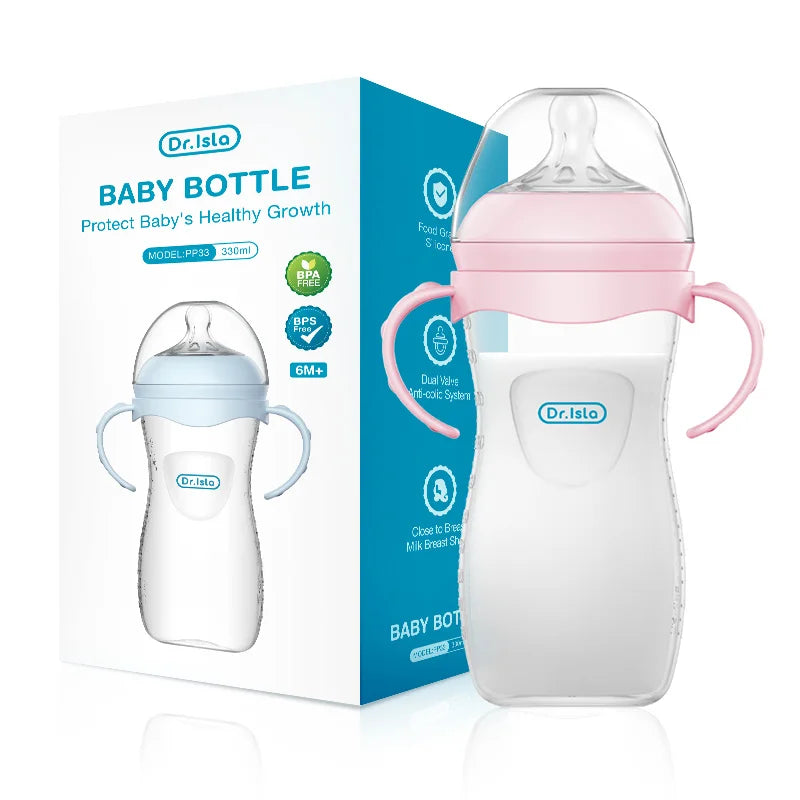
The right anti-colic bottle, combined with proper feeding techniques, can help make bottle feeding calmer and more comfortable.
Frequently Asked Questions
Are anti-colic bottles worth buying?
They can be worthwhile for babies who regularly swallow air during feeds or experience gas and frequent burping. While they are not a cure for colic, many parents notice improved feeding comfort after switching to an effective anti-colic bottle.
Do anti-colic bottles actually work?
Yes, many anti-colic bottles work by reducing the amount of air mixed with milk during feeding. Their effectiveness depends on proper assembly, using the correct nipple flow, and matching the bottle to your baby's feeding style.
How do anti-colic bottles reduce swallowed air?
Most designs use venting systems that allow air to enter the bottle instead of through the nipple. This helps reduce vacuum pressure, allowing babies to drink with fewer air bubbles entering the milk.
Are anti-colic bottles better than regular bottles?
For babies with frequent gas or excessive burping, anti-colic bottles often provide advantages over standard bottles. Babies without feeding-related gas may not experience a noticeable difference.
Do anti-colic bottles help babies with gas?
They may help reduce gas caused by swallowed air, especially when combined with paced feeding, proper burping, and the correct nipple flow. However, gas related to food sensitivities or digestive conditions may require additional evaluation.
Do anti-colic bottles reduce burping?
Many parents report fewer large burps because babies swallow less air during feeding. Regular burping is still recommended even when using an anti-colic bottle.
Can an anti-colic bottle cure colic?
No. Colic has multiple possible causes, and no bottle can cure it. Anti-colic bottles may reduce symptoms associated with swallowed air, but persistent or severe crying should be discussed with your pediatrician.
Which anti-colic bottle design works best?
No single vent design is best for every baby. Internal vent systems, vented nipples, and valve-based designs can all be effective when they fit your baby's feeding preferences and are used correctly.
Are anti-colic bottles harder to clean?
Some models contain additional vents or valves that require extra cleaning. Choosing a bottle with fewer parts may simplify daily maintenance without sacrificing performance.
When should I switch to an anti-colic bottle?
If your newborn consistently gulps air, burps excessively, seems uncomfortable after feeding, or experiences gas despite good feeding technique, trying an anti-colic bottle may be a reasonable next step.
Is it worth buying anti-colic bottles if my baby is breastfed?
Yes, if you occasionally bottle-feed expressed breast milk and your baby struggles with gas during bottle feeds. Selecting a bottle with a slow-flow nipple and effective venting can help create a feeding experience that more closely resembles breastfeeding.
Related Articles:
- Why Does My Newborn Have So Much Gas? Bottles That Help
- Tips for Bottle Feeding Newborns Without Stress or Choking
- Best Bottle for Gassy Newborns: Expert Reviews & Tips
- How Do Anti Colic Bottles Work? A Simple Guide for New Parents
- Top Anti Colic Bottles for Newborns: Side-by-Side Comparison
Pillar Articles:





