

How do you wash a feeding bottle properly for newborn safety?
How to wash feeding bottle correctly means cleaning, rinsing, and drying every part to remove milk residue and bacteria before your newborn’s next feed. Using warm water, mild detergent, and proper drying with pp plastic bpa free bottles helps protect delicate immune systems and supports safe feeding a newborn with a bottle.
How to Wash Feeding Bottle Properly for Newborn Safety
⏱ 7 min read
How to wash feeding bottle properly is one of those newborn-care steps that seems simple—until you realize how much your baby’s health depends on it. Leftover milk can turn into bacteria fast, especially during night feeds and busy mornings. If you’re feeding a newborn with a bottle, choosing pp plastic bpa free materials and following a consistent routine aligned with a bottle feeding chart for newborn can make feeding safer, calmer, and less stressful.
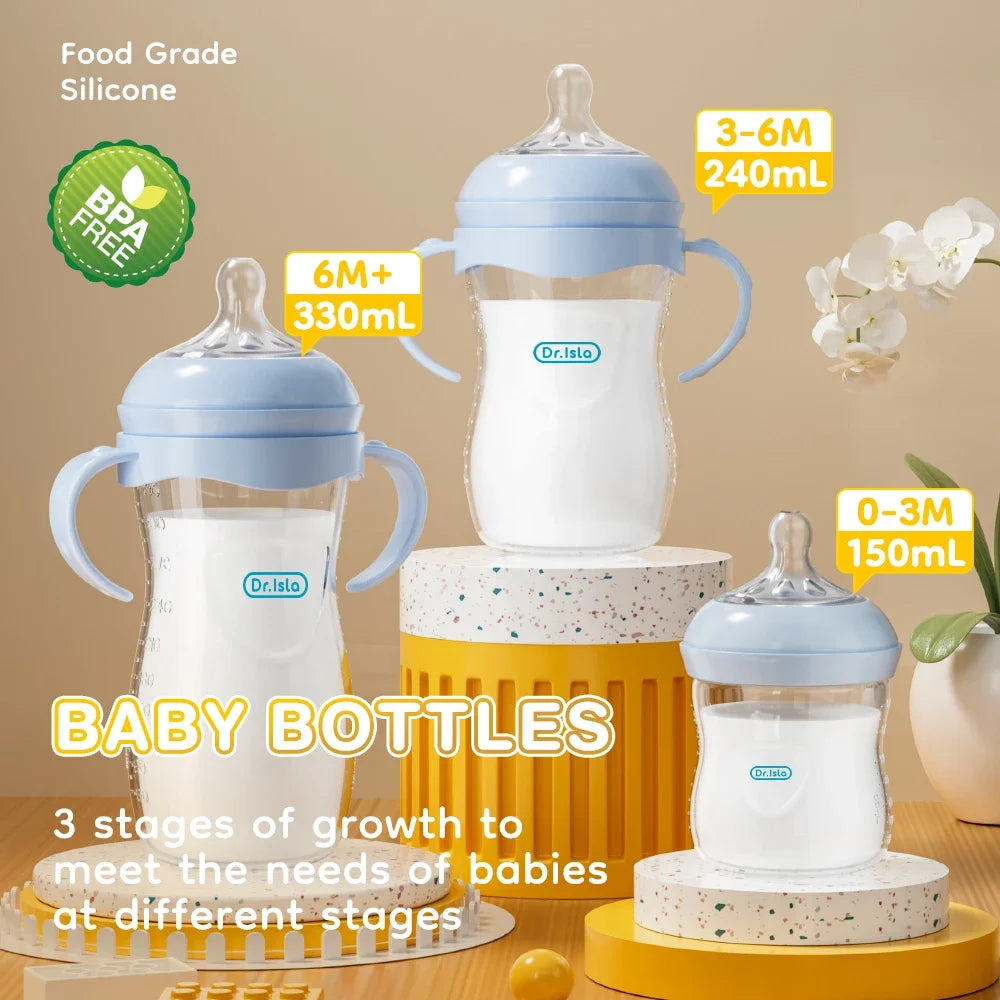
How to wash feeding bottle using pp plastic bpa free materials for safer feeding a newborn with a bottle 💡 See it in action
Why Proper Bottle Washing Matters for Newborns
Newborns have developing immune systems, which means even small amounts of bacteria can cause tummy discomfort or infections. Milk residue left in bottles creates a perfect environment for germs to grow.
- Reduces risk of stomach upset and diarrhea
- Prevents milk odor and residue buildup
- Supports consistent feeding routines
- Builds confidence for new parents
What You Need Before Washing Baby Bottles
Setting up a simple station saves time—especially during night feeds.
- Mild baby-safe dish detergent
- Warm running water
- Dedicated bottle brush
- Clean drying rack or towel
Many parents keep these items together with tools from Feeding & Nursing and hygiene helpers from Baby Hygiene Gadgets to streamline the process.
Step-by-Step: How to Wash Feeding Bottle Safely
How to wash feeding bottle correctly starts immediately after feeding. Rinse, clean, and dry every component to stop bacteria from forming. This routine works for breast milk or formula and fits easily into a bottle feeding chart for newborn schedules.
- Rinse right away: Use warm water to remove leftover milk.
- Disassemble fully: Separate bottle, nipple, ring, and cap.
- Wash thoroughly: Clean all parts with mild detergent.
- Scrub crevices: Use a brush for nipples and threads.
- Rinse again: Remove all soap residue.
- Air dry: Place on a clean rack.
Why PP Plastic BPA Free Bottles Are Easier to Clean
PP plastic bpa free bottles are lightweight, durable, and resist staining. Their smooth surface makes it harder for milk residue to stick, which means faster washing and fewer odors.
- Withstand repeated washing
- Safe for newborn feeding routines
- Compatible with most cleaning tools
Parents often pair them with accessories from Feeding Tools and sterilization helpers from Sterilization Devices for extra peace of mind.
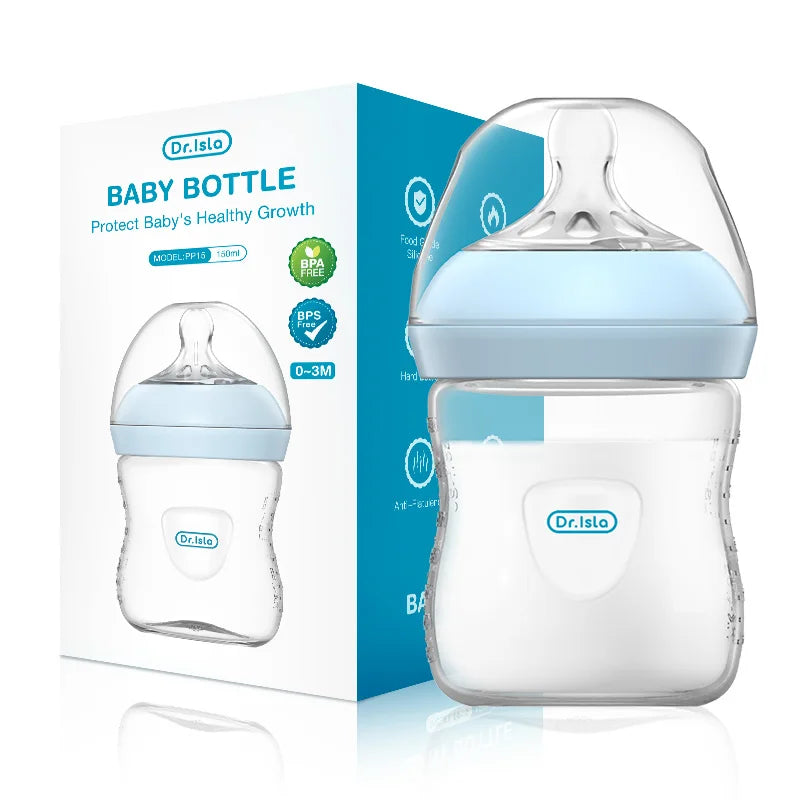
PP plastic BPA free bottles simplify how to wash feeding bottle during busy newborn days 💡 See it in action
Common Bottle Cleaning Mistakes to Avoid
- Leaving bottles unwashed for hours
- Using harsh detergents
- Skipping nipple cleaning
- Drying with unclean towels
Creating a Daily Bottle Cleaning Routine
Align washing times with your bottle feeding chart for newborn schedules. Many parents clean bottles right after feeds during the day and batch-wash at night.
Keeping items organized with help from Baby Care Essentials or calming nighttime setups from Sleep & Comfort can make routines smoother.
How to Dry and Store Bottles Hygienically
Always air dry bottles upside down. Avoid cabinets with moisture. Use dedicated storage away from raw food areas.
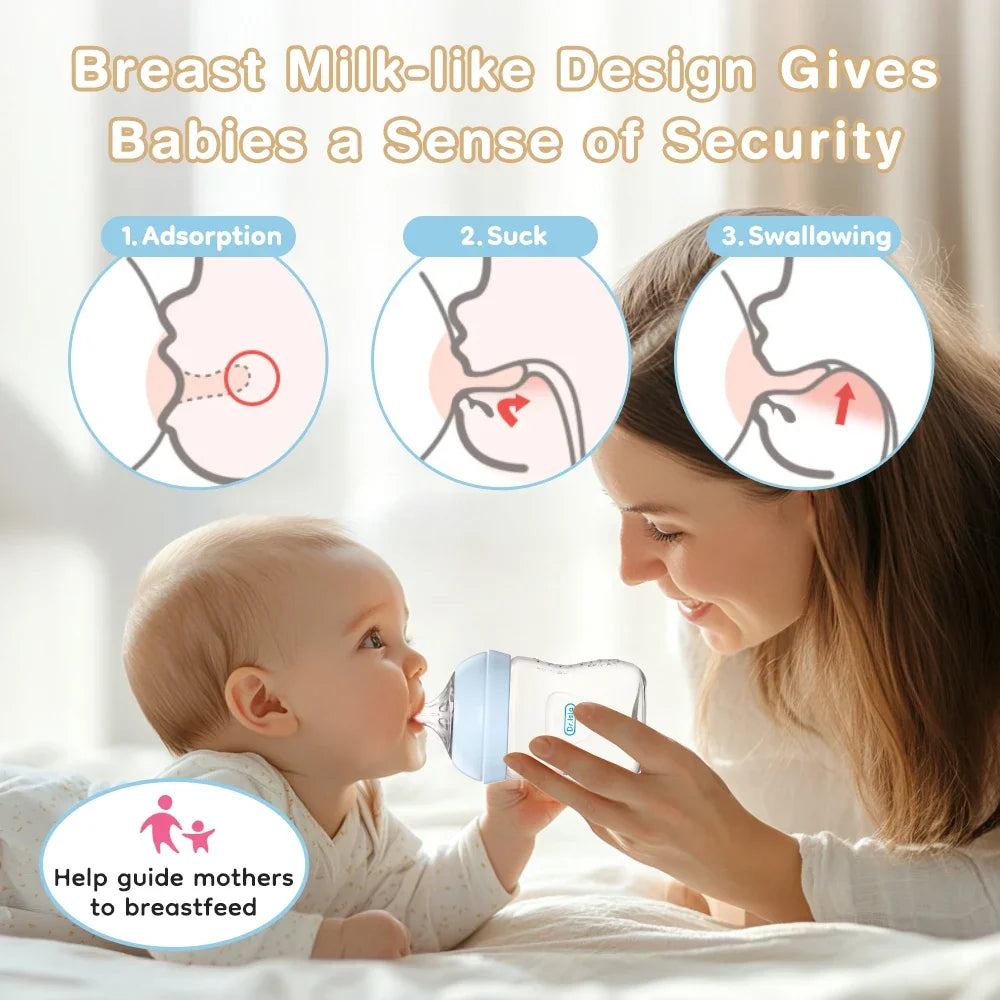
Proper drying completes how to wash feeding bottle for safer feeding a newborn with a bottle 💡 See it in action
Quick Questions Parents Ask
How often should newborn bottles be washed?
After every feed. Newborn bottles should never be reused without washing, even if only partially used.
Is hot water enough to clean bottles?
Warm water plus mild detergent is recommended to remove milk residue effectively.
Do pp plastic bpa free bottles need special care?
No special care—just consistent cleaning and proper drying to maintain safety.
Related Articles:
- When to Stop Using Anti Colic Bottles for Your Baby
- Bottle Feeding Difficulties? Step-by-Step Solutions for Newborns
- What Size Bottle Nipple for Newborn Ensures Smooth Feeding
- Can Newborn Choke on Milk? Safe Feeding Tips Every Parent Needs
Pillar Articles:





