

Fit Breast Pump Flange Correctly in 5 Easy Steps
How do you fit a breast pump flange correctly?
To fit breast pump flange correctly, the nipple should move freely in the tunnel without excessive rubbing or pulling in too much areola. A properly sized flange can improve comfort, reduce breast pump flange slipping issues, and support more efficient milk removal during pumping sessions.
⏱ 8 min read
Fit Breast Pump Flange Correctly in 5 Easy Steps
Fit breast pump flange correctly from the start to reduce discomfort, improve milk output, and make every pumping session more efficient. This guide covers common breast pump flange slipping issues, practical tips for comfortable breast pumping, and how pumping bra fit and sizing affects performance. You'll also learn what to look for in the best bra for breast pumping and why small adjustments can make a surprisingly big difference.
Struggling with soreness, poor suction, or low milk output? The flange size and fit may be the missing piece. Many pumping mothers spend weeks troubleshooting their pump when a simple fit adjustment can dramatically improve comfort and performance.
👉 Curious why some moms pump more comfortably than others? Discover how proper support and positioning can transform your routine with a quality hands-free solution: Hands-Free Pumping Bra.
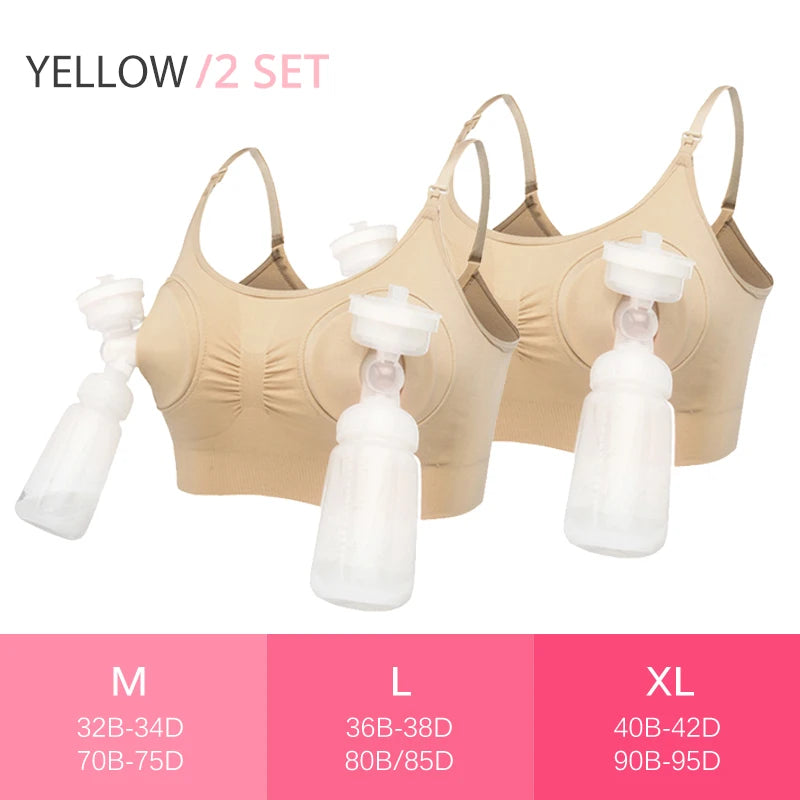
💡 See it in action - fit breast pump flange / breast pump flange slipping issues, tips for comfortable breast pumping, pumping bra fit and sizing, best bra for breast pumping
Why Proper Flange Fit Matters
To fit breast pump flange correctly, select a tunnel size that allows your nipple to move comfortably without excessive friction while maintaining an effective seal. Proper sizing helps reduce discomfort, minimize breast pump flange slipping issues, and support consistent milk expression throughout each pumping session.
Many mothers assume discomfort is a normal part of pumping. In reality, pain, pinching, and poor milk removal often point to flange fit problems.
- Improves milk transfer efficiency
- Reduces nipple soreness
- Helps maintain suction
- Prevents unnecessary friction
- Supports longer-term pumping comfort
Which pumping setup suits your routine best? Read on to learn how proper sizing, positioning, and support work together.
Step 1: Measure Your Nipple Correctly for Better Comfort
- Measure after pumping or nursing when the nipple is relaxed.
- Measure only the nipple, not the surrounding areola.
- Use a ruler or sizing guide.
- Record the diameter in millimeters.
- Compare the measurement to your pump manufacturer's recommendations.
Many mothers discover they need a smaller flange than expected. Even a few millimeters can significantly affect comfort and milk output.
Step 2: Choose the Right Flange Size to Reduce Friction
A flange that is too small may rub against the nipple. A flange that is too large can pull excessive areola tissue into the tunnel.
| Fit Issue | What You May Notice |
|---|---|
| Too Small | Pinching, rubbing, soreness |
| Too Large | Excess areola pulled in, reduced efficiency |
| Correct Size | Smooth nipple movement and comfortable suction |
If you regularly experience breast pump flange slipping issues, size mismatches are often a contributing factor.
Step 3: Position the Flange Properly for a Strong Seal
Once you've selected the appropriate size, center the nipple carefully inside the flange tunnel.
- Keep the flange flat against the breast.
- Ensure the nipple starts centered.
- Avoid twisting while pumping.
- Check suction before starting a full session.
Proper alignment reduces air leaks and helps maintain consistent suction throughout your session.
Step 4: Check for Signs of a Good Fit During Pumping
Watch how your body responds during the first few minutes.
Positive Signs
- Comfortable suction
- Minimal nipple rubbing
- Consistent milk flow
- No visible blanching or severe redness
Warning Signs
- Pain or pinching
- Frequent slipping
- Poor milk output
- Swelling after pumping
If warning signs persist, revisit sizing and positioning before assuming your pump is the problem.
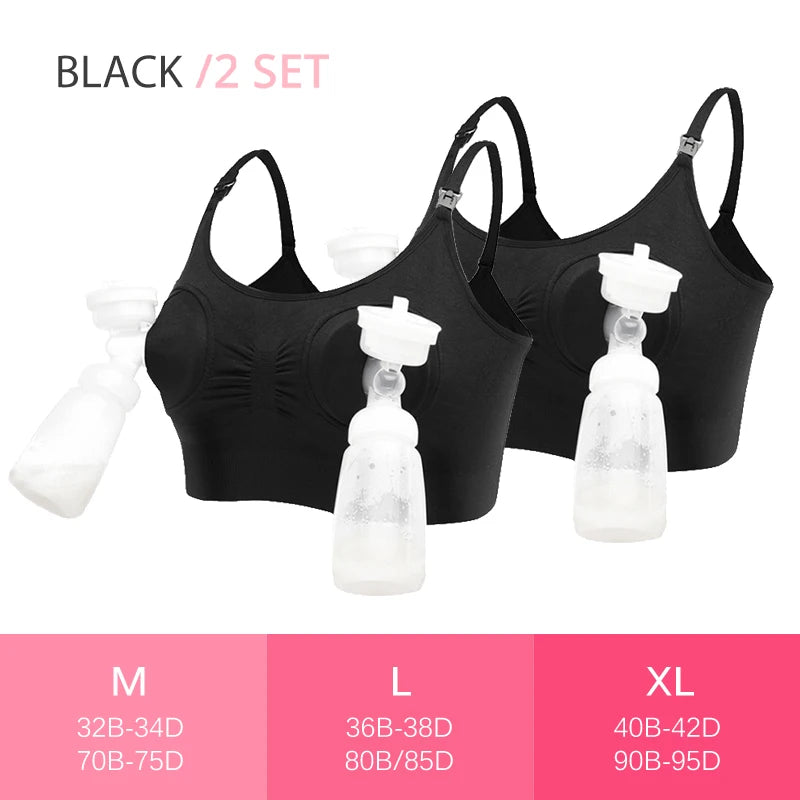
💡 See it in action - fit breast pump flange / breast pump flange slipping issues, tips for comfortable breast pumping, pumping bra fit and sizing, best bra for breast pumping
👉 Ready for a smoother pumping routine? Explore practical support designed to keep pumps stable and comfortable with the Hands-Free Pumping Bra.
Step 5: Optimize Your Pumping Bra Fit and Sizing
Even with a perfectly sized flange, poor pumping bra fit and sizing can create challenges.
A supportive pumping bra helps keep the flange aligned and reduces the need to constantly hold bottles during sessions.
Benefits of Proper Pumping Bra Fit
- Helps stabilize flange placement
- Reduces arm and shoulder fatigue
- Supports hands-free pumping
- May reduce slipping caused by movement
- Improves overall comfort during longer sessions
Many mothers find that combining correct flange sizing with a secure pumping bra provides the most noticeable improvement.
Common Breast Pump Flange Slipping Issues and Solutions
| Problem | Possible Cause | Solution |
|---|---|---|
| Flange loses suction | Poor positioning | Re-center nipple and reseal |
| Frequent slipping | Loose bra support | Improve pumping bra fit and sizing |
| Low output | Incorrect flange size | Measure and resize |
| Discomfort | Friction or pressure | Adjust flange size and suction level |
Tips for Comfortable Breast Pumping Every Day
Comfort plays a major role in maintaining a consistent pumping routine.
- Use the correct flange size.
- Replace worn pump parts regularly.
- Start with lower suction settings if needed.
- Stay hydrated.
- Take short breaks if discomfort develops.
- Wear supportive pumping apparel.
Parents looking for additional nursing and feeding support may also find useful solutions in Feeding & Nursing and Breastfeeding Aids.
How the Best Bra for Breast Pumping Makes Sessions Easier
The best bra for breast pumping does more than provide convenience. It helps maintain proper flange alignment, supports hands-free pumping, and reduces movement that can interrupt suction. Combined with correct flange sizing, a supportive pumping bra can create a more comfortable and efficient pumping experience.
What Parents Commonly Appreciate
- More freedom to multitask
- Improved stability during sessions
- Less strain on hands and wrists
- Greater confidence when pumping away from home
For broader postpartum comfort and wellness solutions, explore Mom Essentials and Beauty & Wellness.
What Real Moms Often Notice After Improving Flange Fit
✅ More comfortable pumping sessions
✅ Better consistency in milk removal
✅ Fewer interruptions caused by slipping
✅ Greater confidence using hands-free setups
While individual results vary, proper fit remains one of the most impactful adjustments mothers can make when optimizing their pumping routine.
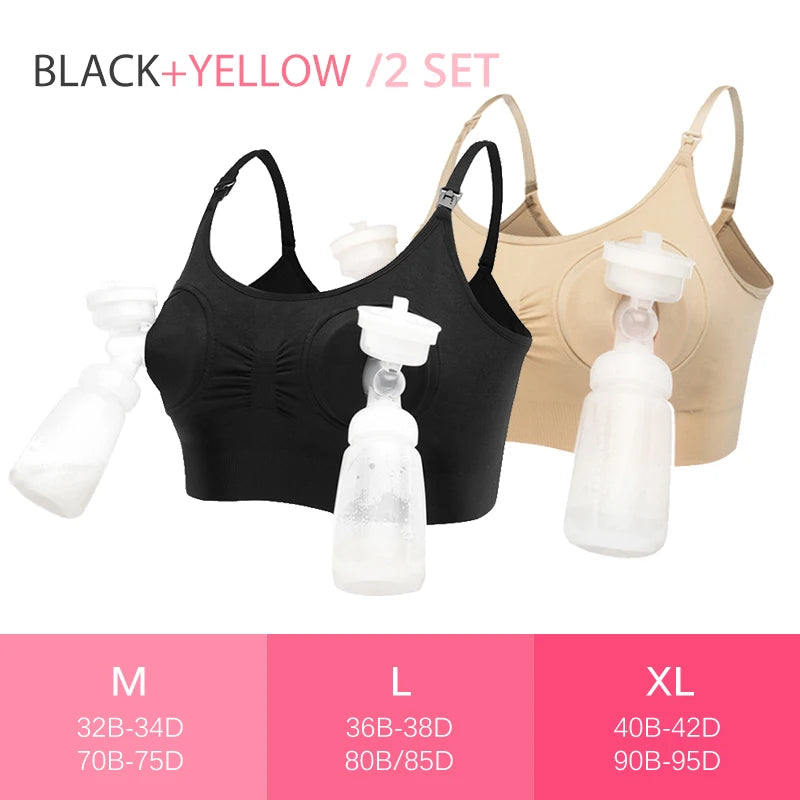
💡 See it in action - fit breast pump flange / breast pump flange slipping issues, tips for comfortable breast pumping, pumping bra fit and sizing, best bra for breast pumping
👉 Upgrade your pumping comfort today. Pair proper flange sizing with dependable support using the Hands-Free Pumping Bra and enjoy a more stable, comfortable pumping experience.
Frequently Asked Questions
How do I know if my breast pump flange is too small?
Signs may include rubbing, pinching, discomfort, and visible friction around the nipple during pumping.
Can breast pump flange slipping issues affect milk output?
Yes. Poor suction caused by slipping can reduce pumping efficiency and make milk removal less effective.
Why is pumping bra fit and sizing important?
A properly fitted pumping bra helps stabilize flanges, supports hands-free pumping, and may reduce movement-related suction loss.
What is the best bra for breast pumping?
The best option securely holds flanges in place, feels comfortable during extended wear, and supports your preferred pumping routine.
How often should I reassess flange size?
Breast and nipple size can change throughout your breastfeeding journey, so reassessing fit periodically can help maintain comfort and effectiveness.
Pillar Article: How to Breastfeed and Pump Without Feeling Overwhelmed
Other Related Articles:
- How to Combine Breastfeeding and Pumping for Better Flexibility
- How to Schedule Breastfeeding and Pumping for a Smoother Day
- How to Pump for Breastfeeding and Build a Reliable Routine
Explore More:





