

How to Breastfeed and Pump Without Feeling Overwhelmed
How to breastfeed and pump without feeling overwhelmed?
Learning how to breastfeed and pump becomes manageable when you follow a simple routine, use the right tools, and focus on consistency. Combining nursing with pumping helps maintain milk supply, build a backup stash, and reduce stress by creating flexibility for feeding schedules.
How to Breastfeed and Pump Without Feeling Overwhelmed
Wondering how to breastfeed and pump without losing your sanity? This guide breaks down realistic breastfeeding and pumping routine tips, reveals the best way to combine nursing, and tackles common breastfeeding and pumping schedule challenges with ease. You’ll also discover practical tips for comfortable breast pumping that actually work for busy moms. Ready to simplify your routine and finally feel in control?
⏱ 8 min read
Feeling stuck between breastfeeding and pumping? You're not alone. Many new moms struggle to balance both without feeling exhausted or unsure if they’re doing it “right.”
Which approach works best for your daily routine? Read on to find out!
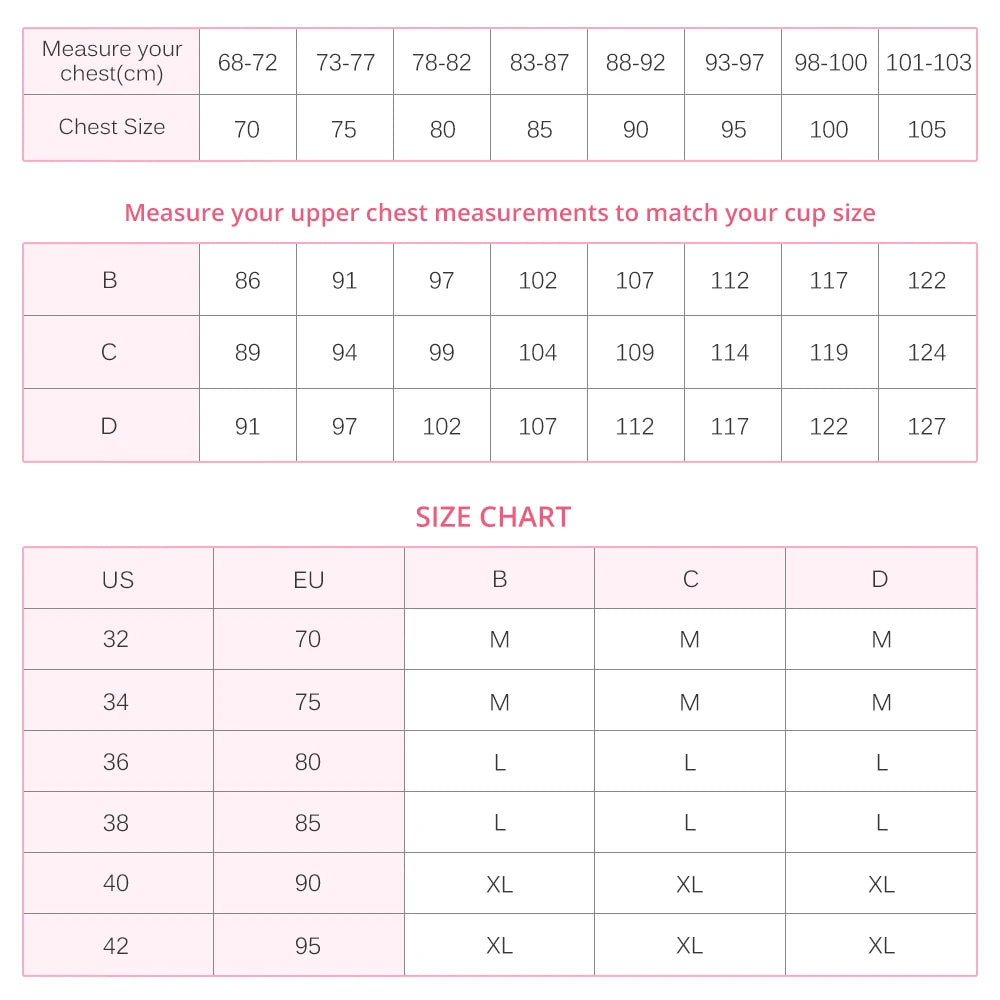
💡 See it in action - how to breastfeed and pump / breastfeeding and pumping routine tips, best way to combine nursing, breastfeeding and pumping schedule challenges, tips for comfortable breast pumping
Why Combining Breastfeeding and Pumping Makes Life Easier
Combining breastfeeding and pumping isn’t just convenient—it’s empowering.
- Flexibility: You’re not tied to every feeding session
- Milk backup: Build a freezer stash for emergencies
- Shared feeding: Partners can help with bottle feeding
- Work readiness: Easier transition back to work
Instead of choosing one method, you get the benefits of both.
Step-by-Step: How to Breastfeed and Pump Effectively
How to breastfeed and pump successfully involves timing, consistency, and comfort. Start by nursing your baby first, then pump afterward to stimulate additional milk production. Repeat this process daily while gradually building a routine that fits your schedule and your baby’s needs.
- Nurse first: Let your baby feed directly to stimulate natural milk flow
- Pump after feeding: Aim for 10–15 minutes to empty remaining milk
- Choose consistent times: Morning sessions often yield more milk
- Store milk properly: Label and refrigerate or freeze immediately
- Adjust gradually: Don’t overload your schedule early on
This method ensures your baby gets enough milk while boosting your supply.
Breastfeeding and Pumping Routine Tips That Actually Work
Creating a routine doesn’t mean following a strict schedule. It means finding a rhythm that works for you.
- Start small: Add 1–2 pumping sessions per day
- Use cues: Pump when baby naps or after feeds
- Stay hydrated: Water directly impacts milk supply
- Track sessions: Helps identify patterns
| Time | Activity |
|---|---|
| Morning | Breastfeed + Pump |
| Afternoon | Breastfeed only |
| Evening | Breastfeed + Optional Pump |
| Night | Feed on demand |
Consistency matters more than perfection.
How to Overcome Breastfeeding and Pumping Schedule Challenges
Feeling overwhelmed often comes from unrealistic expectations.
Here’s how to handle common challenges:
- Low supply worries: Add short pumping sessions instead of long ones
- Time pressure: Use hands-free solutions to multitask
- Missed sessions: Don’t stress—just resume your next session
- Fatigue: Prioritize rest over rigid schedules
Pro tip: Even one consistent pumping session daily can make a difference.
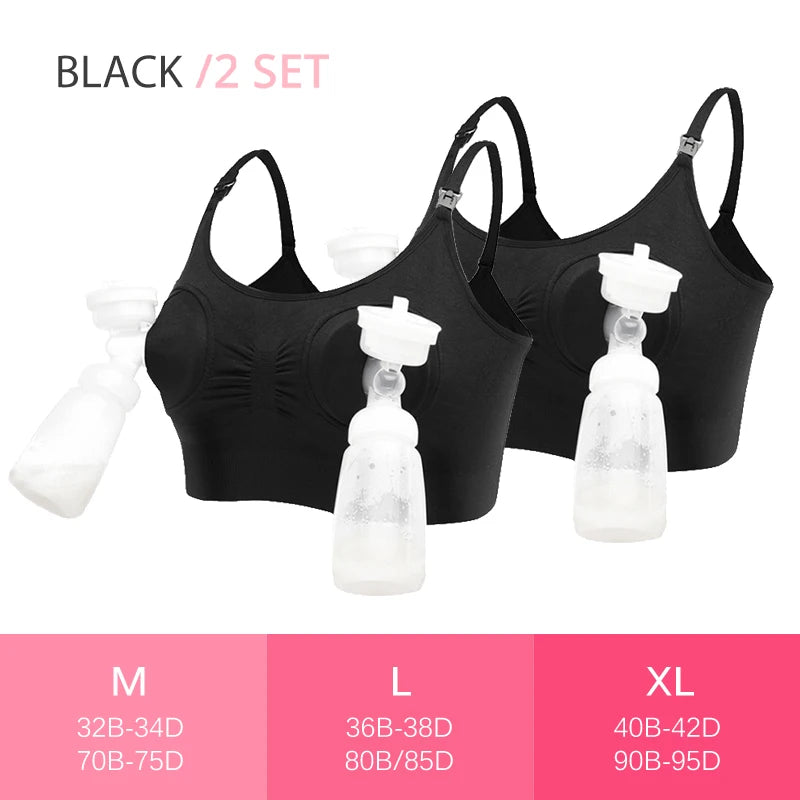
💡 See it in action - how to breastfeed and pump / breastfeeding and pumping routine tips, best way to combine nursing, breastfeeding and pumping schedule challenges, tips for comfortable breast pumping
Tips for Comfortable Breast Pumping Every Day
Comfort plays a huge role in maintaining consistency.
- Use correct flange size: Prevents pain and improves output
- Relax your body: Stress can reduce milk flow
- Apply warm compress: Encourages let-down
- Massage gently: Helps empty breasts fully
Small adjustments can completely change your experience.
Common Mistakes to Avoid
- Skipping sessions frequently
- Using incorrect pump settings
- Ignoring discomfort
- Comparing output with others
Your journey is unique—focus on what works for you.
How the Right Tools Make Everything Easier
Sometimes, the difference between stress and ease is simply having the right support.
A hands-free pumping bra allows you to pump while doing everyday tasks—whether it’s caring for your baby or taking a much-needed break.
- Move freely while pumping
- Maintain consistent sessions
- Reduce physical strain
- Save time daily
👉 Try a smarter solution: hands-free pumping bra
Pair it with essentials from Breastfeeding Aids to build a complete, stress-free routine.
Real Mom Experiences and Results
Thousands of moms have found balance by combining breastfeeding and pumping.
- “I finally felt in control after adding just one pump session daily.”
- “Hands-free pumping changed everything—I could actually relax.”
- “My milk supply improved once I stopped stressing about schedules.”
Result: More confidence, less pressure, and a smoother feeding journey.
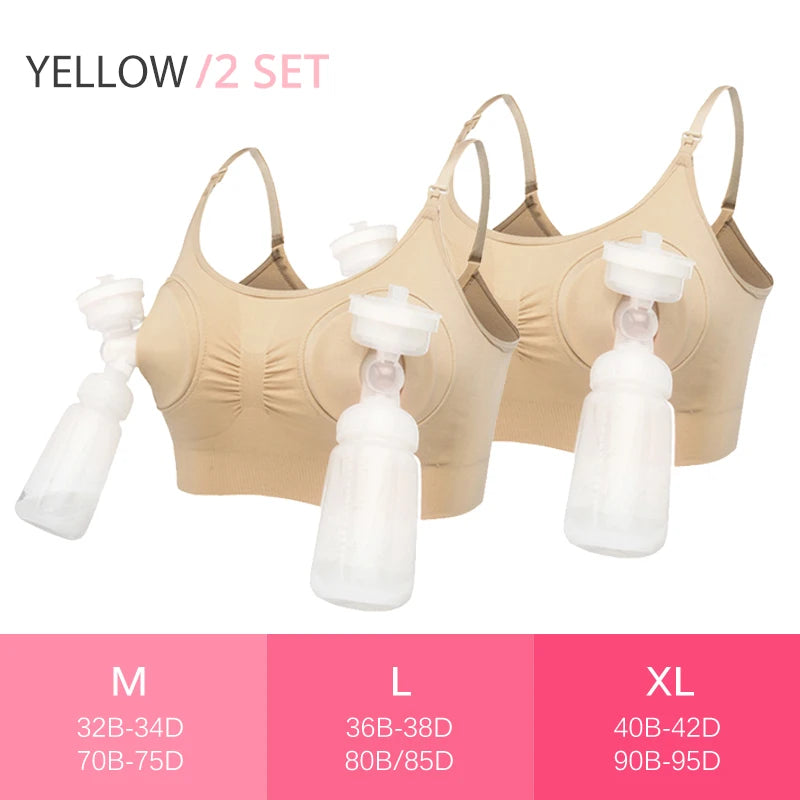
💡 See it in action - how to breastfeed and pump / breastfeeding and pumping routine tips, best way to combine nursing, breastfeeding and pumping schedule challenges, tips for comfortable breast pumping
FAQs
Can I breastfeed and pump at the same time?
Yes, many moms nurse on one side while pumping on the other. This can save time and increase milk production.
How often should I pump if I’m breastfeeding?
Start with 1–2 sessions daily and adjust based on your needs and milk supply goals.
Will pumping reduce my milk supply?
No—when done correctly, pumping can actually increase supply by signaling your body to produce more milk.
What’s the best time to pump?
Morning is usually best, as milk supply tends to be higher after rest.
Related Articles:
- How to Combine Breastfeeding and Pumping for Better Flexibility
- How to Schedule Breastfeeding and Pumping for a Smoother Day
- How to Pump for Breastfeeding and Build a Reliable Routine
- Fit Breast Pump Flange Correctly in 5 Easy Steps
Pillar Articles:





