

How to Schedule Breastfeeding and Pumping for a Smoother Day
How to Combine Breastfeeding and Pumping for Better Flexibility?
How to combine breastfeeding and pumping successfully starts with a predictable feeding pattern, strategic pumping sessions, and the right support tools. Many parents nurse directly when together with their baby and pump between or after feedings to build a milk stash, support milk supply, and create more flexibility for work, travel, or shared caregiving responsibilities.
How to Combine Breastfeeding and Pumping for Better Flexibility
⏱ 8 min read
How to combine breastfeeding and pumping can feel overwhelming at first, especially when you're balancing newborn care, recovery, sleep deprivation, and daily responsibilities. The good news is that many families successfully combine both methods to create greater feeding flexibility while continuing to support their breastfeeding goals. With the right routine, helpful tools, and realistic expectations, you can build a system that works for your unique lifestyle.
👉 Looking for a simpler pumping experience? Explore the Hands-Free Pumping Bra and discover how it can make multitasking easier during daily pumping sessions.
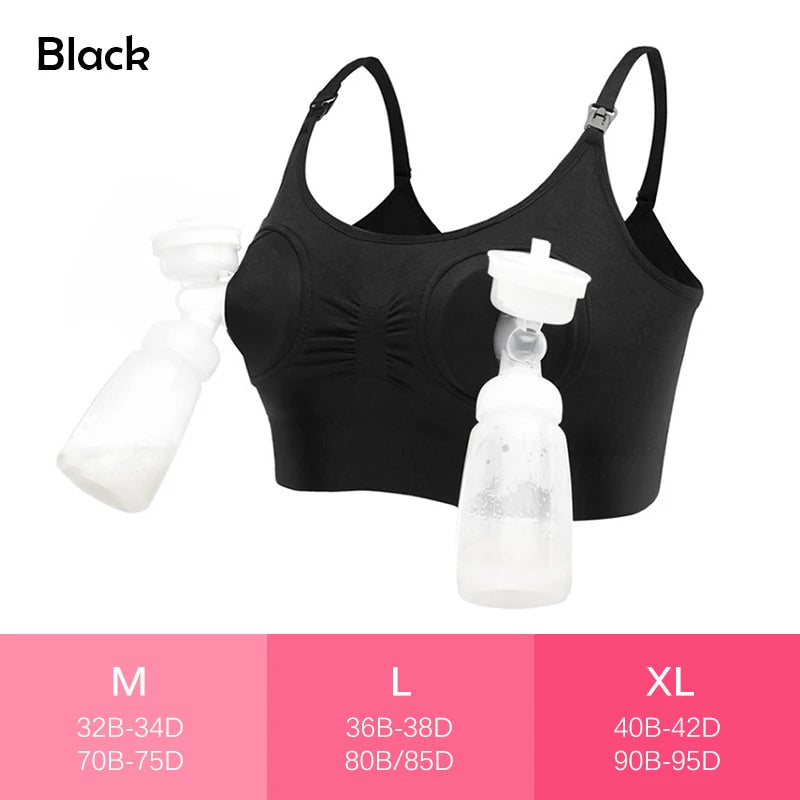
💡 See it in action - how to combine breastfeeding and pumping / best way to combine nursing, breastfeeding and pumping bra combo, breastfeeding and pumping routine tips, guide to nursing pumping bras
Why Combining Breastfeeding and Pumping Creates More Freedom
Many parents assume they must choose between direct breastfeeding and exclusive pumping. In reality, combining both approaches often provides the best balance of convenience and flexibility.
The best way to combine nursing often depends on your goals. Some parents pump occasionally to create an emergency milk stash. Others pump daily to prepare for returning to work. Many simply appreciate having another caregiver help with feeding.
- Allows partners and family members to help feed baby
- Creates flexibility for appointments and outings
- Helps build a freezer milk supply
- Supports transitions back to work
- Provides backup feeding options
- Can help relieve occasional engorgement
Parents exploring Feeding & Nursing solutions often discover that combining nursing and pumping gives them greater confidence and freedom without sacrificing breastfeeding goals.
Step-by-Step Guide to Combining Breastfeeding and Pumping
How to combine breastfeeding and pumping effectively involves maintaining consistent milk removal while gradually introducing pumping sessions. Most parents find success by nursing first, then adding pumping sessions based on their feeding goals and daily schedule.
- Establish breastfeeding first whenever possible. Allow your baby to become comfortable nursing before adding regular pumping sessions.
- Choose one predictable pumping time. Morning sessions often produce the most milk.
- Pump after nursing. This helps signal your body to continue making milk.
- Store milk safely. Label milk with dates and organize freezer storage.
- Adjust gradually. Add extra sessions only if needed.
- Monitor comfort and supply. Consistency matters more than pumping excessively.
When Should You Start Pumping?
Every family situation differs. Some parents begin pumping within the first few weeks due to work schedules or medical needs. Others wait until breastfeeding feels established.
If your goal is feeding flexibility rather than exclusive pumping, a gradual introduction often feels easier and more sustainable.
A Simple Daily Routine for Better Flexibility
One of the most valuable breastfeeding and pumping routine tips is creating consistency rather than perfection.
| Time | Activity |
|---|---|
| 6:00 AM | Breastfeed baby |
| 7:00 AM | Pump for 10-15 minutes |
| 10:00 AM | Breastfeed |
| 1:00 PM | Breastfeed |
| 4:00 PM | Pump or nurse depending on schedule |
| 7:00 PM | Breastfeed |
| 10:00 PM | Optional pumping session |
This example demonstrates how pumping can fit naturally into a nursing routine without replacing direct breastfeeding.
Additional products from Breastfeeding Aids and Feeding Tools may help streamline feeding and milk storage workflows.
👉 Want a more comfortable pumping routine? Learn how a Hands-Free Pumping Bra can help you stay productive while expressing milk.
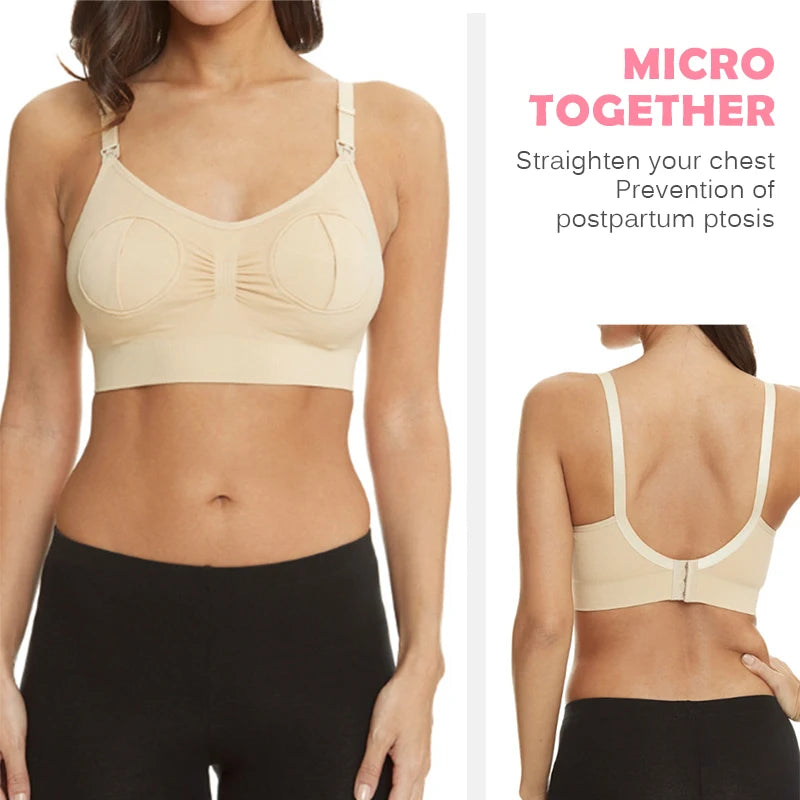
💡 See it in action - how to combine breastfeeding and pumping / best way to combine nursing, breastfeeding and pumping bra combo, breastfeeding and pumping routine tips, guide to nursing pumping bras
Common Mistakes to Avoid
Parents learning how to combine breastfeeding and pumping often encounter similar challenges.
| Mistake | Better Approach |
|---|---|
| Pumping too often immediately | Add sessions gradually |
| Skipping nursing sessions frequently | Maintain consistent milk removal |
| Comparing output to others | Focus on baby's growth and needs |
| Using incorrect flange sizes | Ensure proper pump fit |
| Ignoring comfort | Adjust equipment and schedule |
How a Breastfeeding and Pumping Bra Combo Saves Time
A breastfeeding and pumping bra combo can be one of the most practical investments for busy parents.
Traditional pumping often requires holding pump flanges in place, making it difficult to perform everyday tasks. A hands-free option allows greater mobility while maintaining comfort.
Benefits of Nursing Pumping Bras
- Supports pumping without using your hands
- Reduces fatigue during longer sessions
- Makes multitasking easier
- Simplifies transitions between nursing and pumping
- Offers convenience for work-from-home parents
This guide to nursing pumping bras would not be complete without mentioning the importance of proper fit. A supportive design can improve comfort during repeated daily use.
Many parents choose the Hands-Free Pumping Bra because it allows them to pump while caring for their baby, completing household tasks, or simply relaxing more comfortably.
How to Support Milk Supply While Pumping
Milk supply concerns are common when introducing pumping into a breastfeeding routine.
Fortunately, maintaining supply typically comes down to consistent milk removal and realistic expectations.
- Stay hydrated throughout the day
- Eat balanced meals and snacks
- Nurse on demand whenever possible
- Pump consistently rather than excessively
- Get rest whenever opportunities arise
- Replace missed nursing sessions with pumping sessions
Parents can also explore supportive wellness products through Mom Essentials and relaxation-focused options within Massage & Relaxation.
Breastfeeding vs Pumping vs Combining Both
| Method | Advantages | Challenges |
|---|---|---|
| Direct Breastfeeding | Convenient, no equipment needed | Less flexibility for caregivers |
| Exclusive Pumping | Milk tracking and shared feeding | Requires extensive equipment and time |
| Combination Feeding | Flexibility and breastfeeding benefits | Requires routine management |
For many families, the best way to combine nursing is creating a balance that fits work schedules, family support systems, and personal preferences.
Real-Life Parent Experiences
Sarah, first-time mom: “Adding one morning pumping session helped me build a freezer stash without feeling overwhelmed.”
Emily, working parent: “Using a hands-free pumping bra made returning to work much easier because I could stay productive during pumping breaks.”
Jessica, mother of two: “Combining breastfeeding and pumping gave my partner the opportunity to participate in feeding while I got some extra rest.”
These experiences reflect why flexibility is often the biggest benefit of combining nursing and pumping.
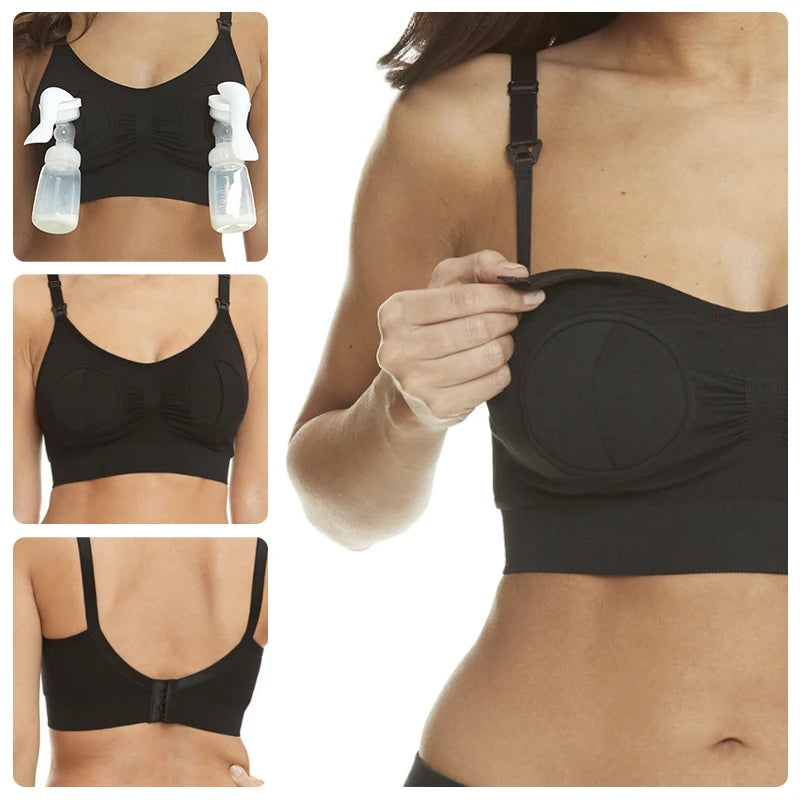
💡 See it in action - how to combine breastfeeding and pumping / best way to combine nursing, breastfeeding and pumping bra combo, breastfeeding and pumping routine tips, guide to nursing pumping bras
Build a Feeding Routine That Fits Your Life
Learning how to combine breastfeeding and pumping takes practice, patience, and flexibility. The goal is not perfection—it's creating a feeding system that supports both your baby and your lifestyle.
Whether you're building a milk stash, preparing to return to work, or simply looking for greater daily freedom, combining nursing and pumping can offer a practical solution.
👉 Ready to make pumping easier? Explore the Hands-Free Pumping Bra today and discover a more convenient way to support your breastfeeding journey.
Frequently Asked Questions
Can I breastfeed and pump on the same day?
Yes. Many parents successfully nurse and pump on the same day to create milk storage, support supply, or provide feeding flexibility.
What is the best way to combine nursing and pumping?
Most parents find success by nursing directly and adding one or more pumping sessions between or after feedings based on their needs.
Will pumping reduce my milk supply?
When done appropriately, pumping generally supports milk production by increasing milk removal signals to the body.
Do I need a special bra for pumping?
A pumping-specific bra is not required, but a breastfeeding and pumping bra combo can improve comfort, convenience, and efficiency.
How long should I pump after nursing?
Many parents pump for approximately 10 to 15 minutes after nursing, though individual needs and schedules vary.
Helpful resources can also be found in Feeding & Nursing, Mom Essentials, and Sleep & Comfort collections.
Pillar Article: How to Breastfeed and Pump Without Feeling Overwhelmed
Other Related Articles:
- How to Combine Breastfeeding and Pumping for Better Flexibility
- How to Pump for Breastfeeding and Build a Reliable Routine
- Fit Breast Pump Flange Correctly in 5 Easy Steps
Explore More:





