

9 Month Old Feeding Schedule: Daily Routine, Meal Ideas, and Feeding Tips
A well-planned 9 month old feeding schedule helps babies balance breast milk or formula with nutritious solid foods while encouraging self-feeding, healthy growth, and consistent daily routines. Every baby develops at a different pace, so use this guide as a flexible framework and adjust meal timing based on your child's appetite, naps, and guidance from your pediatrician.
⏱ 8 min read
What Is a Healthy 9 Month Old Feeding Schedule?
By nine months, most babies are eating several solid meals each day while continuing to receive breast milk or infant formula as their primary source of nutrition. Rather than following an exact clock, aim for a predictable rhythm that includes milk feeds, balanced meals, naps, and opportunities to practice drinking from an open or straw cup.
How many meals and milk feeds per day
Many healthy 9-month-olds do well with:
- 3 balanced meals each day.
- 1–2 nutritious snacks if hunger cues indicate they are needed.
- 3–5 breast milk or formula feeds spread throughout the day.
- Small amounts of water offered with meals.
Individual needs vary depending on growth, activity level, milk intake, and whether your baby was born prematurely or has specific medical needs.
Typical daily feeding routine
A flexible 9 month old feeding routine often alternates milk feeds with solid meals throughout the day. Many families find that offering milk before or after solids consistently works well, provided the baby continues receiving enough breast milk or formula while gradually increasing food variety.
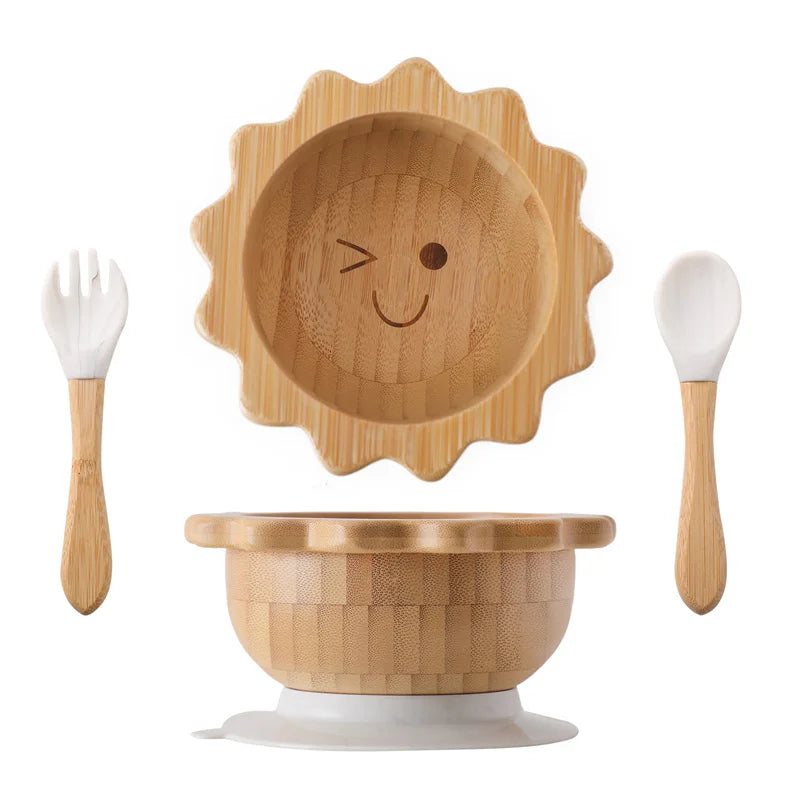
Healthy feeding routines support growing independence during mealtimes.
Consistency is helpful, but occasional changes caused by naps, travel, teething, or growth spurts are completely normal.
What Should a 9 Month Old Eat?
At this stage, babies benefit from a wide variety of nutrient-dense foods that expose them to different flavors and textures while supporting healthy development.
Food groups to include
- Iron-rich foods such as meat, poultry, beans, lentils, tofu, and iron-fortified cereals.
- Vegetables prepared until soft enough for safe chewing.
- Soft fruits including banana, ripe pear, avocado, peaches, and berries prepared appropriately.
- Whole grains like oatmeal, whole-grain pasta, rice, and soft bread.
- Dairy foods such as yogurt and cheese when appropriate for your baby's diet.
- Healthy fats from foods like avocado, nut butters served safely, and oily fish where appropriate.
Textures and variety
Most babies can handle mashed foods, finely chopped meals, and appropriately sized finger foods by nine months. Offering different textures encourages chewing skills and helps build confidence with self-feeding.
Foods to avoid
- Whole grapes, popcorn, whole nuts, and other choking hazards.
- Honey before 12 months of age.
- Foods with excessive added salt or sugar.
- Unpasteurized dairy products or undercooked animal products.
Sample 9 Month Baby Food Schedule
The following examples show how families may organize meals throughout the day. Times are only examples and should be adjusted to your baby's natural routine.
Breastfed baby schedule
- Morning: Breastfeed
- Breakfast: Oatmeal with fruit
- Midday: Breastfeed
- Lunch: Soft vegetables with protein
- Afternoon: Breastfeed
- Dinner: Family-style soft meal
- Evening: Breastfeed before bed
Formula-fed baby schedule
- Morning formula feed
- Breakfast
- Midday formula feed
- Lunch
- Afternoon formula feed
- Dinner
- Bedtime formula feed
Mixed feeding schedule
Families combining breastfeeding and formula feeding can follow a similar routine while adjusting milk feeds to meet their baby's nutritional needs.
Daycare schedule
When babies attend daycare, work with caregivers to keep meal timing reasonably consistent while communicating allergies, preferred foods, and feeding cues.
Sample 9 Month Old Meal Plan
As babies become more comfortable eating solids, offering balanced meals with different textures and flavors helps support healthy growth and self-feeding skills. Portion sizes will vary based on appetite and milk intake.
Breakfast ideas
- Iron-fortified oatmeal mixed with mashed banana and plain whole-milk yogurt.
- Scrambled egg with soft avocado slices and ripe pear.
- Whole-grain toast strips with thinly spread nut butter (served safely) and soft fruit.
Lunch ideas
- Shredded chicken with steamed broccoli and sweet potato.
- Lentils with soft vegetables and brown rice.
- Mashed beans with avocado and soft cooked carrots.
Dinner ideas
- Baked salmon flakes with peas and mashed potatoes.
- Turkey meatballs served with soft pasta and cooked vegetables.
- Tofu with quinoa and steamed zucchini.
Snack ideas
- Soft fruit pieces.
- Plain yogurt.
- Cottage cheese.
- Unsalted whole-grain crackers softened as needed.
How Much Should a 9 Month Old Eat?
Appetite often changes from day to day. Some babies eat larger meals while others continue to rely more heavily on breast milk or formula. Focus on consistent growth, developmental progress, and responsive feeding rather than finishing every serving.
Milk intake
Breast milk or infant formula remains an important source of nutrition during the first year. Continue offering regular milk feeds alongside solid foods unless your pediatrician recommends otherwise.
Solid food portions
Begin with small servings and allow your baby to ask for more if still hungry. Offering a variety of foods across the week is generally more important than eating large portions at any single meal.
Signs baby needs more or less
- Opens mouth eagerly and reaches for food.
- Turns away, keeps lips closed, or loses interest when full.
- Shows consistent growth and has regular wet diapers.
- Maintains normal energy between meals.
Finger Foods and Baby-Led Weaning at 9 Months
Many babies at nine months enjoy practicing independent eating. Offering safe finger foods encourages hand-eye coordination, chewing skills, and confidence during mealtimes.
Best finger foods
- Ripe avocado slices.
- Soft banana pieces.
- Steamed carrot sticks.
- Soft broccoli florets.
- Scrambled egg.
- Tender shredded chicken.
- Soft pasta.
- Ripe peach or pear slices.
Self-feeding skills
Expect meals to be messy while babies practice grasping, transferring food to their mouths, and learning to chew different textures. Repeated exposure helps develop confidence over time.
Choking vs gagging
Gagging is a normal protective reflex as babies learn to manage food in their mouths, while choking is a medical emergency requiring immediate action. Always supervise meals, prepare foods in age-appropriate sizes and textures, and avoid foods that commonly present choking hazards.
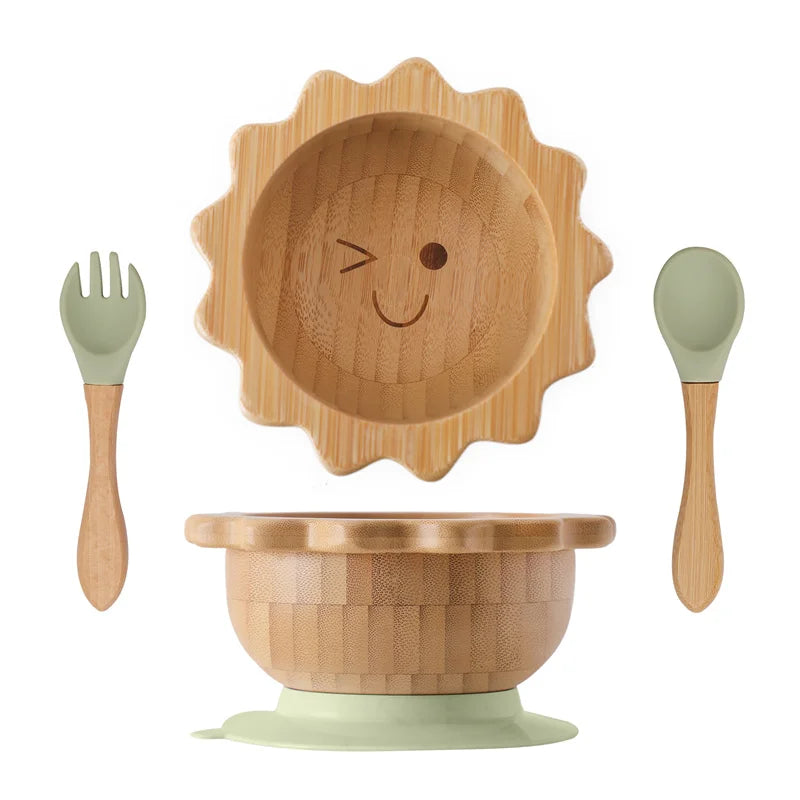
Finger foods encourage independence while supporting safe self-feeding skills.
Hydration, Allergens, and Key Nutrients
Water recommendations
Offer small amounts of water with meals using an open cup or straw cup while continuing regular breast milk or formula feeds throughout the day.
Introducing allergens
Unless your healthcare provider advises otherwise, common allergens can generally continue to be introduced one at a time in age-appropriate forms while monitoring for possible reactions.
Important nutrients
- Iron for healthy brain development and red blood cell production.
- Protein to support growth.
- Healthy fats for brain development.
- Calcium and vitamin D for healthy bones and teeth.
- A variety of fruits and vegetables to provide essential vitamins and minerals.
Adjusting Your Baby's Feeding Routine
Your baby's feeding schedule will continue to evolve as appetite, sleep patterns, activity level, and developmental milestones change. A flexible routine that responds to your baby's hunger and fullness cues is generally easier to maintain than a rigid timetable.
Picky eating
It is common for babies to accept some foods enthusiastically while refusing others. Continue offering a variety of nutritious foods without pressure, remembering that repeated exposure often increases acceptance over time.
Travel and outings
When away from home, pack familiar snacks, formula or expressed breast milk if needed, water, bibs, and feeding utensils. Keeping meal times reasonably consistent can help babies stay comfortable during travel.
Nap transitions
As naps gradually change, meal and milk times may shift as well. Rather than following the clock exactly, allow feeding times to move naturally around your baby's sleep schedule while maintaining an overall daily rhythm.
Growth spurts
During periods of rapid growth, babies may temporarily request additional milk feeds or larger meals. Responding to hunger cues while continuing to offer balanced meals supports healthy development.
When to Talk to Your Pediatrician
Most variations in appetite are part of normal development. However, seek professional guidance if you notice persistent feeding concerns or developmental changes.
- Poor weight gain or weight loss.
- Persistent difficulty swallowing or chewing.
- Frequent choking episodes during meals.
- Signs of food allergy such as hives, swelling, vomiting, or difficulty breathing.
- Refusal of both milk and solid foods for an extended period.
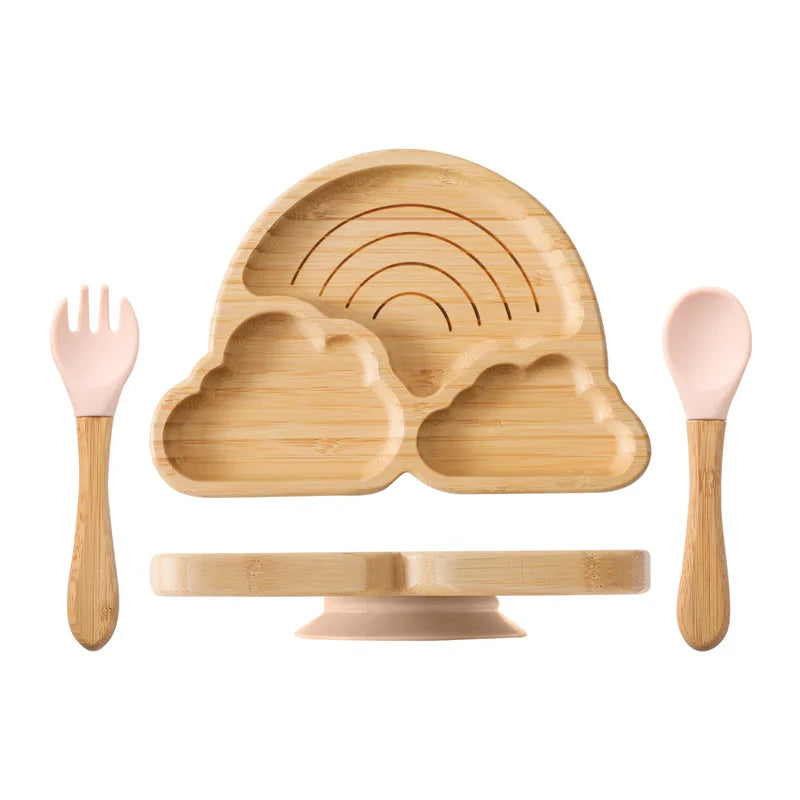
Healthy routines and age-appropriate meals help babies build confidence at every stage.
Every baby's feeding journey is unique. Building a consistent routine, offering a wide variety of nutritious foods, and encouraging self-feeding opportunities can help establish healthy eating habits that continue beyond the first year. If you are introducing new utensils for independent eating, the baby wooden tableware set remains a practical option for families looking for durable, child-friendly tableware.
Frequently Asked Questions
How often should a 9 month old eat each day?
Most babies eat three meals daily along with three to five breast milk or formula feeds. Some babies also enjoy one or two nutritious snacks depending on appetite.
How much formula or breast milk does a 9 month old need?
Breast milk or infant formula continues to provide important nutrition throughout the first year. The exact amount varies between babies, so follow your baby's hunger cues and your pediatrician's guidance.
Can a 9 month old have three meals a day?
Yes. Three balanced meals each day are appropriate for many healthy 9-month-olds while continuing regular breast milk or formula feeds.
What are the best finger foods for a 9 month old?
Soft fruits, cooked vegetables, scrambled eggs, tender meats, tofu, pasta, and other easy-to-grasp foods are popular choices when prepared in safe, age-appropriate sizes.
Should I offer milk before or after solids?
Either approach can work. The most important goal is ensuring your baby continues to receive enough breast milk or formula while gradually increasing solid food intake.
What if my 9 month old refuses solids?
Continue offering a variety of foods without pressure. Appetite naturally fluctuates, and repeated exposure often improves acceptance over time.
Can a 9 month old have snacks between meals?
Yes. Small, nutritious snacks may be offered if your baby appears hungry between regular meals.
How do I adjust a feeding schedule for daycare?
Share your baby's feeding routine, allergies, and preferred foods with caregivers, while allowing reasonable flexibility to accommodate daycare schedules.
Pillar Article: Suction Cup Instructions Review: Why This Brand’s Grip Outperforms Others
Other Related Articles:
Explore More:





