

9 Month Old Eating Habits Review: Complete Feeding Guide, Meal Plans & Tips to Reduce Mealtime Mess
⏱ 7 min read
Does using silicone suction plates help improve 9 month old eating habits?
Yes — silicone suction plates can support better 9 month old eating habits by keeping meals stable, encouraging self-feeding, and reducing unnecessary spills. While a plate cannot change eating behavior by itself, the right feeding tools create a calmer environment where babies can practice grasping food, exploring textures, and developing independence.
Many parents struggle with 9 month old eating habits because this stage combines curiosity, movement, and learning. Babies may throw food, push bowls away, or become distracted during meals. A consistent feeding routine, age-appropriate foods, and practical tools such as silicone suction plates can make mealtimes easier. This guide explains what a 9 month old should eat, how much food is typical, sample schedules, finger food ideas, and how to reduce mealtime mess.
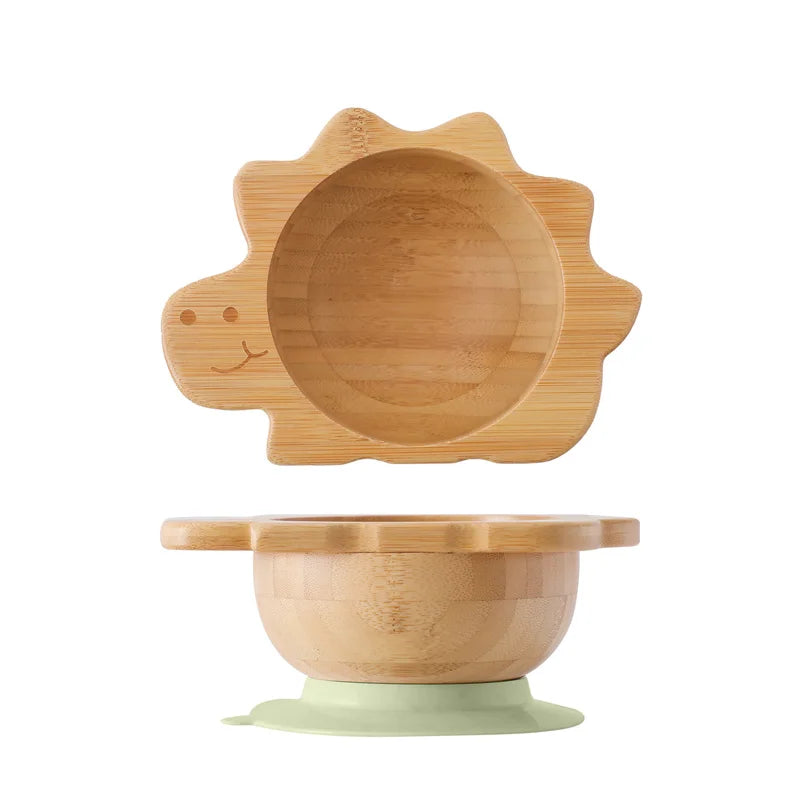
9 month old eating habits, silicone suction plates, bamboo melamine plate — See it in action.
Does a 9 month old feeding schedule really matter?
A predictable 9 month old feeding schedule helps babies understand when to expect milk, meals, and snacks. At nine months, most babies are still getting significant nutrition from breast milk or formula while learning how solid foods fit into their daily routine.
A consistent 9 month old feeding routine supports:
- Daily feeding frequency: Many babies are ready for three solid meals per day alongside milk feeds.
- Milk and solids balance: Breast milk or formula continues to provide essential nutrients during the first year.
- Developmental readiness: Regular meals allow babies to practice chewing, swallowing, and hand-to-mouth coordination.
- Consistent routines: Familiar meal patterns can make feeding less stressful for babies and caregivers.
For families adjusting routines by age, related guides such as 6 month feeding schedule , 8 month old feeding schedule , and 10 month old feeding schedule can help with transitions.
What should a 9 month old eat?
When asking what should a 9 month old eat , focus on variety, texture progression, and nutrient-rich foods. Babies at this age are developing preferences while learning how different foods feel and taste.
Core food groups
- Protein: Soft meats, fish prepared safely, eggs, beans, lentils, tofu, and yogurt help provide important nutrients.
- Fruits and vegetables: Soft fruits and cooked vegetables introduce different flavors, colors, and textures.
- Whole grains: Oatmeal, fortified cereals, soft pasta, and whole grain bread provide energy and fiber.
- Healthy fats: Avocado, olive oil, full-fat dairy, and nut butters prepared safely support development.
Foods to limit or avoid
- Honey before age one.
- Whole nuts and hard foods that create choking risks.
- Foods with excessive salt or added sugar.
- Large pieces that are difficult to chew safely.
Parents introducing more textures may also benefit from a baby led weaning guide and information about first finger foods for babies .
How much should a 9 month old eat?
The answer to how much should a 9 month old eat varies depending on appetite, activity level, growth, and milk intake. Some babies prefer larger meals, while others eat smaller portions more frequently.
Milk intake
Breast milk or formula remains an important nutrition source at nine months. Many babies continue several milk feeds each day while gradually increasing solid food intake.
Solid food portions
Instead of focusing only on measurements, watch your baby's hunger cues:
- Reaching for food or opening the mouth often shows interest.
- Turning away or closing the mouth can signal fullness.
- Offering small portions first helps reduce waste while allowing more food if needed.
Sample 9 month baby food schedule
A realistic 9 month baby food schedule should fit around naps, milk feeds, and family routines. The following examples are flexible rather than strict rules.
Breastfed schedule
- Morning: Breast milk followed by breakfast solids.
- Midday: Breast milk with lunch solids.
- Afternoon: Breast milk and optional snack practice.
- Evening: Dinner solids followed by bedtime nursing.
Formula-fed schedule
- Morning formula feed with breakfast.
- Formula around lunch depending on appetite.
- Afternoon formula feed with optional solids.
- Evening formula before bedtime.
Mixed-feeding schedule
Combine breast milk, formula, and solids according to your baby's hunger cues and your daily routine.
Daycare schedule
Keep meals predictable by sharing feeding preferences, portion expectations, and timing with caregivers.
Easy 9 month old meal plan
A balanced 9 month old meal plan does not require complicated cooking. Simple combinations can provide variety while supporting healthy eating habits.
Breakfast
- Oatmeal with mashed berries or banana.
- Soft scrambled egg with avocado.
- Whole grain toast strips with yogurt.
Lunch
- Shredded chicken with soft vegetables.
- Lentils mixed with rice.
- Soft pasta with vegetable puree.
Dinner
- Fish with sweet potato.
- Beans with vegetables.
- Modified family meals with baby-safe textures.
Snack ideas
- Soft fruit pieces.
- Plain yogurt.
- Steamed vegetables.
Finger foods and baby-led weaning at 9 months
Baby led weaning at 9 months can encourage independence as babies gain better hand control. Messy eating is part of learning, not a sign of poor eating habits.
Safe finger food ideas
- Soft banana pieces.
- Avocado slices.
- Steamed vegetables.
- Soft toast strips.
- Tender shredded proteins.
Texture progression
Move gradually from smooth purees to mashed textures and soft finger foods. A stable plate surface can make exploration easier by keeping food accessible.
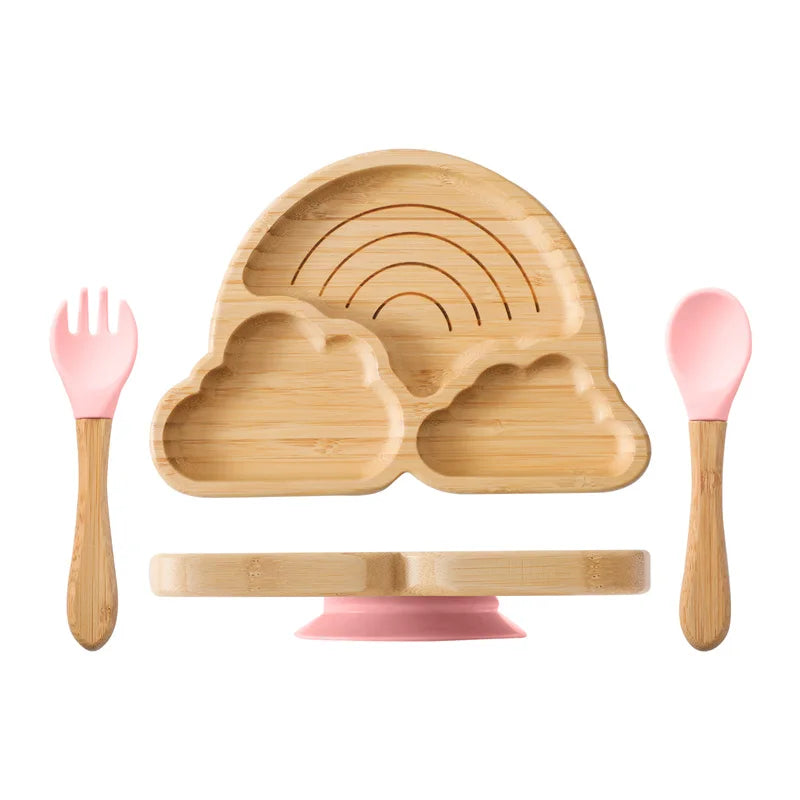
Silicone suction plates support self-feeding practice.
Hydration, allergens, and key nutrients
Water intake
Small amounts of water can usually be offered with meals. Breast milk or formula remains the main source of hydration during the first year.
Introducing allergens
Introduce common allergens carefully and monitor for reactions. Parents with concerns about allergies should discuss introduction plans with a healthcare professional.
- Iron: Supports healthy growth and development.
- Healthy fats: Support brain development.
- Vitamin-rich foods: Provide important nutrients.
Adjusting the feeding routine for real life
A flexible 9 month old feeding routine helps families handle changes while maintaining positive mealtime experiences.
Picky eating
Continue offering different foods without pressure. Babies often need repeated exposure before accepting new flavors.
Travel
Portable feeding tools and familiar foods can make travel easier.
Nap transitions
Adjust meal timing when sleep schedules change to avoid feeding when your baby is overtired.
Food refusal
Temporary refusal is common. Continue offering balanced choices and follow hunger signals.
Signs your baby is ready for larger portions
Parents wondering how much should a 9 month old eat should watch for developmental and appetite changes.
- Your baby finishes meals quickly and still wants more.
- Your baby shows improved chewing and swallowing skills.
- Your baby consistently reaches for additional food.
- Your baby continues healthy growth and development.
Consult a pediatrician if your baby has ongoing feeding difficulties, trouble swallowing, or concerns about growth.
How feeding tools support better 9 month old eating habits
Plates and feeding tools do not replace healthy routines, but they can make learning easier. A stable surface allows babies to focus on picking up food, practicing skills, and exploring meals with fewer distractions.
The baby wooden tableware set provides a practical option for creating organized family mealtimes. Explore additional feeding solutions through Feeding Tools .
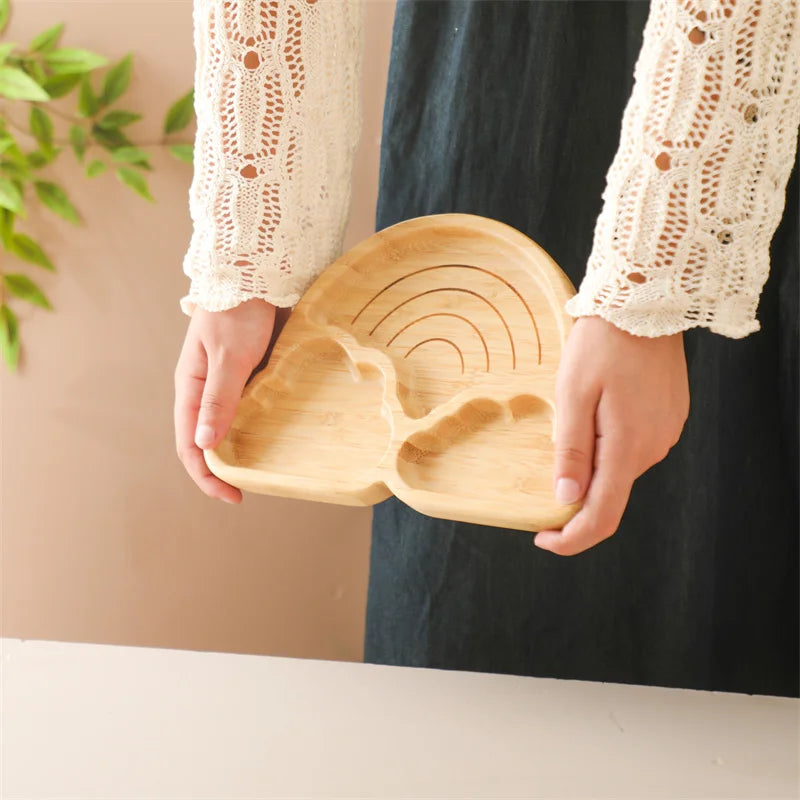
vacuum suction plate, silicone suction plates — See it in action.
Frequently asked questions
-
How many meals should a 9 month old eat each day?
Many babies eat three solid meals each day along with breast milk or formula feeds.
-
How much breast milk or formula does a 9 month old need?
Milk remains an important nutrition source. Amounts vary depending on your baby's needs and feeding pattern.
-
Can a 9 month old eat three meals a day?
Yes. Many babies are ready for breakfast, lunch, and dinner when showing signs of readiness.
-
What are the best finger foods for a 9 month old?
Soft fruits, cooked vegetables, tender proteins, and soft grains are common options.
-
How do I adjust a 9 month old feeding schedule for daycare?
Create a simple written routine with meal timing, preferred foods, and milk feeds.
-
What should I do if my 9 month old refuses solids?
Continue offering different foods without pressure and maintain a positive mealtime environment.
-
When can snacks be added to a 9 month old meal plan?
Some babies begin small snacks as their appetite and solid intake increase.
-
How much water can a 9 month old drink?
Small amounts with meals are generally appropriate while breast milk or formula remains the primary fluid source.
Ready to reduce mealtime mess and support confident eating habits? Explore the baby wooden tableware set . For more feeding essentials, visit Feeding Tools and Baby Care Essentials .
Pillar Article: Suction Cup Instructions Review: Why This Brand’s Grip Outperforms Others
Other Related Articles:
Explore More:





