

Does using suction plates really reduce mealtime mess?
Yes — suction plates can reduce mealtime mess by keeping dishes stable while toddlers practice scooping, grabbing, and exploring new foods. A secure plate gives children more confidence during self-feeding and helps parents create calmer routines. However, the right plate, safe seating, and age-appropriate foods are still important for successful toddler feeding.
How to Use Suction Plates Correctly for Less Mess and More Independent Eating
Mealtime with a baby or toddler often comes with spills, dropped bowls, and plenty of experimenting. A silicone suction plate can make the transition to independent eating easier by creating a more stable feeding environment. This guide explains how suction plates support toddler self feeding, what features matter, and how to choose feeding tools that encourage confidence at the table.
⏱ 6 min read
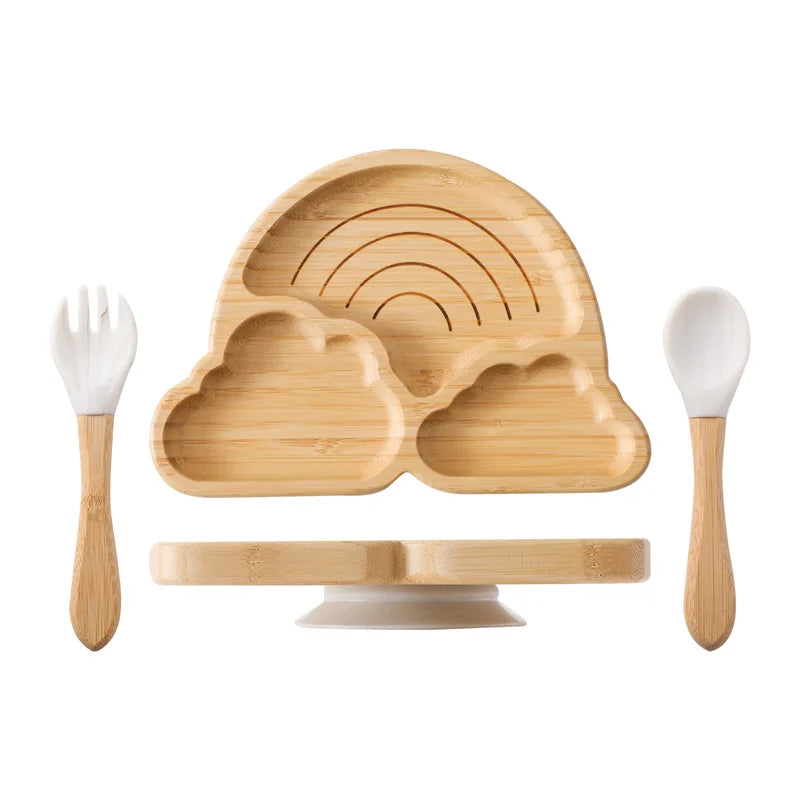
how to use suction plates, silicone suction plates — See it in action
Choosing the right feeding tools is one of the biggest steps toward successful toddler self feeding. While suction plates help reduce spills by keeping food containers stable, the utensils children use every day directly affect how easily they learn to scoop, pierce, and bring food to their mouths.
The Best Utensils for Toddlers Compared
The right toddler feeding utensils set can make self-feeding easier by improving grip control, coordination, and confidence at mealtime. Unlike adult utensils, toddler spoons and forks are designed with smaller heads, shorter handles, and safer edges to match developing motor skills.
| Utensil Type | Recommended Age | Material Options | Grip Design | Dishwasher Safety |
|---|---|---|---|---|
| Training Spoon | 6–18 months | Silicone, stainless steel, BPA-free plastic | Wide ergonomic handle for beginner grip | Usually dishwasher-safe depending on material |
| Toddler Fork and Spoon Set | 12 months+ | Silicone, stainless steel | Short handles with easy control | Many options are dishwasher-safe |
| Stainless Steel Toddler Utensils | 18 months+ | Food-grade stainless steel | Adult-style grip for skill development | Typically dishwasher-safe |
| Silicone Toddler Utensils | 6–24 months | Soft silicone | Gentle, non-slip handles for early learners | Often dishwasher-safe and easy to clean |
For most families, the best utensils for toddlers combine a comfortable handle, lightweight construction, rounded edges, and materials that are easy to clean. Pairing child-sized utensils with a stable feeding setup, such as a baby wooden tableware set , can help toddlers practice independence while learning table habits.
How We Tested and Chose the Best Toddler Utensils
Choosing toddler utensils requires more than comparing colors or designs. The best options should support real daily use, from first spoon attempts to confident fork skills. Our evaluation focuses on features that matter most for parents and growing children.
- Motor skill support: We looked for handles that are easy for small hands to hold and control during scooping and eating.
- Parent usability: Utensils should be simple to wash, store, and use during busy family meals.
- Durability: Materials should handle repeated drops, washing, and everyday toddler use.
- Safety features: Rounded edges, child-friendly sizing, and non-toxic materials are important considerations.
- Value: A good toddler utensils set should balance quality, lifespan, and price.
10 Best Utensils for Toddlers
Best Overall
Ergonomic Silicone Toddler Fork and Spoon Set
- Best for: Everyday toddler self feeding
- Age suitability: Around 12 months and older
- Key features: Soft grip handles, lightweight design, beginner-friendly shape
- Pros: Comfortable for learning, gentle on gums, easy to clean
- Cons: Soft materials may show wear over time
Best for Baby-Led Weaning
Short-Grip Baby Led Weaning Utensils
- Best for: Babies learning to bring food to their mouths
- Age suitability: Approximately 6–18 months
- Key features: Chunky handles, easy grasp shape, shallow spoon bowl
- Pros: Supports early independence and hand coordination
- Cons: May need replacement as skills advance
Best Silicone Set
Food-Grade Silicone Toddler Utensils
- Best for: Parents prioritizing soft and flexible materials
- Age suitability: 6 months+
- Key features: BPA-free silicone, non-slip grip, gentle edges
- Pros: Comfortable for beginners and easy to handle
- Cons: Less rigid than stainless steel options
Best Stainless Steel Set
Stainless Steel Toddler Spoon and Fork Set
- Best for: Toddlers transitioning toward regular utensils
- Age suitability: 18 months+
- Key features: Durable metal construction and traditional utensil shape
- Pros: Long-lasting and resistant to stains
- Cons: May feel heavier for younger toddlers
Best Budget Pick
Simple Plastic Toddler Utensil Set
- Best for: Families needing multiple everyday utensils
- Age suitability: 12 months+
- Key features: Affordable, lightweight, easy replacement
- Pros: Practical for daycare or backup sets
- Cons: Quality varies between products
Which Utensils Match Your Toddler's Development Stage?
The best toddler self feeding utensils change as children develop stronger hand control, coordination, and confidence. Choosing the right design for each stage helps toddlers practice important feeding skills without becoming frustrated.
12–18 Months
At this stage, toddlers are usually learning how to hold utensils and bring food to their mouths independently. Beginner-friendly designs work best.
- Recommended designs: Short, thick handles with soft grips that are easy for small hands to control.
- Motor skills focus: Grasping, scooping, and learning hand-to-mouth movement.
- Common challenges: Dropping utensils, using hands more than spoons, and needing frequent practice.
18–24 Months
Toddlers often begin developing more accurate scooping and piercing skills. A toddler fork and spoon set with slightly more structured shapes can support this transition.
- Recommended designs: Lightweight utensils with deeper spoon bowls and rounded fork tips.
- Motor skills focus: Better wrist control and improved food transfer.
- Common challenges: Learning pressure control while using forks and avoiding spills.
2–3 Years
Children in this stage are usually ready for utensils that feel closer to adult versions while remaining appropriately sized.
- Recommended designs: Stainless steel or durable silicone utensils with ergonomic handles.
- Motor skills focus: Independent eating, coordinated scooping, and more accurate fork use.
- Common challenges: Developing consistency and slowing down during meals.
Preschool
Preschoolers can typically transition to more traditional utensils designed for children. The goal is building confidence and table manners rather than simply preventing mess.
- Recommended designs: Child-sized forks, spoons, and complete toddler feeding utensils sets.
- Motor skills focus: Proper grip, controlled movements, and independent meal routines.
- Common challenges: Maintaining good habits during longer family meals.
Silicone vs Stainless Steel vs Plastic Utensils
Material affects comfort, durability, cleaning, and how well utensils support different learning stages. Understanding the differences helps parents choose safer utensils for toddlers based on their child’s needs.
| Material | Benefits | Durability | Cleaning | Best Scenario |
|---|---|---|---|---|
| Silicone Toddler Utensils | Soft, lightweight, gentle for beginners | Flexible and resistant to drops | Easy to wash; many are dishwasher-safe | Early self-feeding and baby-led weaning |
| Stainless Steel Utensils | Strong, long-lasting, stain-resistant | Excellent durability for daily use | Usually dishwasher-safe | Toddlers transitioning to regular utensils |
| Plastic Utensils | Affordable and lightweight | Varies by quality and material | Simple cleaning and replacement | Travel, daycare, and backup sets |
For many families, silicone toddler utensils are ideal during early learning because they are comfortable and forgiving. As children gain confidence, stainless steel options can provide the structure needed for more advanced feeding skills.
What to Look for Before Buying Toddler Utensils
When choosing toddler utensils, focus on safety, comfort, and practical everyday use. The right set should help children learn while remaining easy for parents to maintain.
- Ergonomic handles: Look for wide, non-slip handles that fit comfortably in small hands and encourage proper grip development.
- Rounded edges: Fork tips and spoon edges should be smooth and designed for children to reduce accidental injuries.
- Non-toxic materials: Choose products made from food-safe materials and avoid options containing BPA, PVC, or phthalates.
- Size and weight: Lightweight utensils with appropriately sized heads are easier for toddlers to control.
- Easy cleaning: Dishwasher-safe designs can save time for busy families managing daily meals.
A quality toddler utensils set should support independence while fitting naturally into your child’s current feeding stage.
Safety Tips for Toddler Self-Feeding
Learning to eat independently takes practice, but safety should always remain the priority. The best baby led weaning utensils and toddler feeding tools should be used with age-appropriate foods and adult supervision.
- Prevent choking risks: Always prepare food in safe sizes and textures based on your child’s development level.
- Choose safe materials: Select BPA-free, PVC-free, and phthalate-free utensils whenever possible.
- Supervise every meal: Stay nearby while toddlers use forks, spoons, and other feeding tools.
- Match utensils to ability: Avoid oversized or heavy utensils that may make learning more difficult.
- Encourage practice: Let children experiment while offering guidance instead of correcting every mistake.
Final Buying Recommendations
Choosing the best utensils for toddlers depends on your child’s age, feeding ability, and daily routine. The ideal set should support independence, feel comfortable in small hands, and make everyday meals easier for both children and parents.
Best Overall Choice
For most toddlers, an ergonomic toddler fork and spoon set with a lightweight handle, rounded edges, and easy-grip design offers the best balance of comfort, safety, and learning support. These utensils work well for everyday meals and help children practice independent eating skills.
Best by Age
- 6–18 months: Choose soft silicone toddler utensils with short, thick handles that support early grasping and baby-led weaning.
- 18–24 months: Look for toddler utensils with slightly more structured spoon bowls and beginner forks to improve coordination.
- 2–3 years: Consider durable stainless steel or hybrid designs that prepare children for regular table utensils.
- Preschool age: Select child-sized utensils that encourage proper grip, independence, and family meal participation.
Best by Budget
- Budget-friendly: Basic BPA-free toddler utensils are practical for backups, daycare, and travel.
- Mid-range: Silicone or stainless steel toddler feeding utensils sets offer better durability and long-term use.
- Premium: Higher-quality ergonomic designs often provide improved comfort, materials, and lifespan.
For a complete toddler mealtime setup, combine age-appropriate utensils with supportive feeding essentials such as a baby wooden tableware set . A consistent routine with the right tools helps children move from assisted feeding toward confident independence.
Frequently Asked Questions About Toddler Utensils
-
What are the best utensils for toddlers learning to self-feed?
The best options are lightweight toddler spoons and forks with ergonomic handles, rounded edges, and child-sized designs. Silicone utensils are often helpful for beginners because they are soft and easy to grip.
-
At what age should toddlers start using forks and spoons?
Many children begin exploring spoons around 6 months when starting solid foods, while fork skills usually develop later as coordination improves. Every child develops at a different pace.
-
Are silicone toddler utensils better than stainless steel?
Silicone toddler utensils are often better for early learners because they are soft and lightweight. Stainless steel utensils are more durable and can be a good choice as toddlers gain better control.
-
What utensils are best for baby-led weaning?
Baby-led weaning utensils should have easy-grip handles, shallow spoon bowls, and safe child-friendly designs that allow babies to practice bringing food to their mouths.
-
How do I know if toddler utensils are safe?
Look for food-safe materials, rounded edges, appropriate sizing, and products that are free from unwanted chemicals such as BPA, PVC, and phthalates.
-
Are dishwasher-safe toddler utensils worth buying?
Yes. Dishwasher-safe utensils can save time and make daily cleaning easier, especially for families using multiple sets throughout the week.
-
How often should toddler utensils be replaced?
Replace utensils when you notice cracks, deep scratches, damaged handles, worn surfaces, or any signs that the material is no longer in good condition.
-
Can toddlers use regular metal utensils?
Older toddlers can transition to regular utensils, but child-sized versions are usually safer and easier to control because they are lighter and designed for smaller hands.
Pillar Article: Not Found
Other Related Articles:
- How to Make a Suction Cup Stick Again When Your Toddler Keeps Pulling It Off
- How to Use Suction Plates Correctly for Less Mess and More Independent Eating
- How to Make a Suction Cup Stick: Simple Steps for Stronger Baby Plate Hold
- How Do Suction Cups Work? A Parent-Friendly Guide to Better Plate Grip
Explore More:





