

Baby Nose Cleaning Method Review: Which Techniques Work Best for Daily Use
⏱ 8 min read
Does a baby nose cleaning method actually make daily care easier?
Answer: Yes. The best baby nose cleaning method removes mucus gently without irritating delicate nasal tissue. For everyday congestion, saline drops paired with a soft bulb syringe or nasal aspirator syringe are effective for most babies. When mucus is thicker or more persistent, an electric or hospital nasal aspirator can provide stronger, more consistent suction while remaining gentle when used correctly.
A stuffy nose can make feeding, sleeping, and breathing more difficult for newborns because they rely primarily on their noses to breathe during the first months of life. Fortunately, most mild congestion can be managed safely at home using the right technique and the appropriate tool. In this guide, you'll learn how common baby nose cleaning methods compare, when each one works best, and how to choose an option that keeps your baby's airways clear while minimizing discomfort.
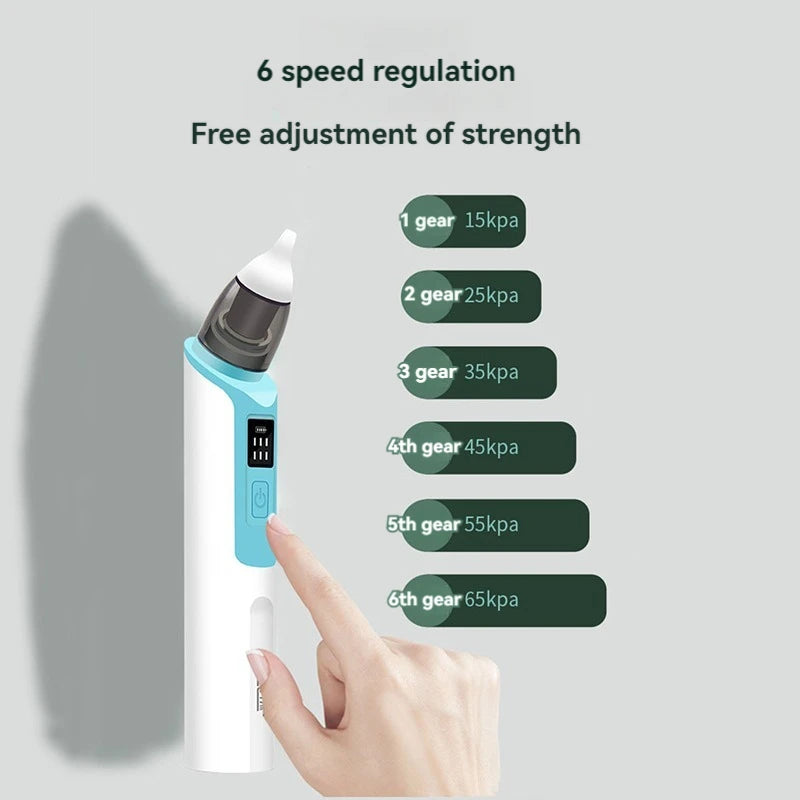
baby nose cleaning method, nasal aspirator syringe — See it in action.
Why cleaning a baby's nose matters
Newborns are often called obligate nose breathers , meaning they naturally breathe through their noses for the first several months of life. Even a small amount of mucus can narrow these tiny nasal passages, making feeding more difficult, interrupting sleep, and leaving babies uncomfortable or fussy.
Gentle nasal cleaning helps restore normal airflow without damaging sensitive tissue. It can also improve bottle or breastfeeding sessions, reduce noisy breathing caused by mucus buildup, and make it easier for your baby to settle before naps and bedtime. The goal is not to remove every trace of mucus, but to clear enough congestion so your baby can breathe comfortably.
Overview: common baby nose cleaning methods
- Bulb syringe (classic): A simple manual suction tool that is affordable, portable, and best suited for occasional or mild congestion.
- Nasal aspirator syringe: Provides more controlled suction than a traditional bulb syringe, making it useful for removing thicker mucus with greater precision.
- Electric nasal aspirator / hospital nasal aspirator: Uses consistent powered suction to clear stubborn mucus with less manual effort, making it a practical choice during colds or heavier congestion.
- Saline drops or spray: Moisturizes nasal passages and loosens dried or sticky mucus before suctioning. Saline is often the first step regardless of which suction device you use.
- Parent-powered tube aspirators: Allow caregivers to control suction through a filtered mouthpiece. These devices can be highly effective when cleaned thoroughly after every use.
What is the best baby nose cleaning method?
The best baby nose cleaning method depends on your baby's age, the severity of congestion, and how often you need to clear mucus. For routine daily care, pediatricians commonly recommend starting with saline drops to loosen mucus, followed by gentle suction using a soft bulb syringe or nasal aspirator syringe. This combination is effective for mild congestion while minimizing irritation.
When congestion becomes thicker or interferes with feeding and sleep, an electric or hospital-style nasal aspirator can remove mucus more efficiently with fewer suction attempts. Regardless of the device you choose, gentle technique is more important than strong suction. Over-cleaning or aggressive suction can irritate the lining of the nose and make congestion worse.
Which method removes the most mucus without distress?
Electric and hospital-style aspirators generally provide the most consistent mucus removal because they maintain steady suction. However, they should always be used on the lowest effective setting with soft silicone tips designed for infants. For everyday congestion, many parents find that saline drops followed by a manual nasal aspirator syringe offers an excellent balance of comfort, control, and effectiveness.
How to use each tool safely (step-by-step)
Bulb syringe — gentle daily use
- Wash your hands and ensure the bulb syringe is clean and completely dry before use.
- Apply 1–2 saline drops into the nostril if mucus appears thick or dry, then wait about 30 seconds.
- Squeeze the bulb to remove the air before gently placing only the tip inside the nostril.
- Slowly release the bulb to draw mucus into the reservoir without applying excessive suction.
- Remove the bulb, empty the mucus onto a tissue, and repeat if necessary on the opposite nostril.
- Wash and thoroughly dry the bulb syringe after every use according to the manufacturer's instructions.
Nasal aspirator syringe — targeted suction
- Instill saline drops into each nostril and allow them to loosen mucus for 30–60 seconds.
- Position your baby comfortably with the head slightly elevated.
- Insert the tapered tip just inside the nostril without forcing it deeper.
- Apply slow, controlled suction to remove loosened mucus.
- Empty the device as needed and repeat only until breathing sounds clearer.
- Disassemble and clean every component thoroughly after use.
Electric / hospital nasal aspirator — for tougher congestion
- Begin with saline drops to soften dried mucus.
- Select the smallest soft tip appropriate for your baby's age.
- Hold your baby securely in an upright or slightly reclined position.
- Start with the lowest suction setting and increase only if necessary.
- Limit suction time to less than one minute per nostril to reduce irritation.
- Wash removable parts, replace filters when recommended, and inspect silicone tips regularly for wear.
Best practices and safety tips
- Use sterile saline drops or saline spray before suctioning whenever mucus is thick, dry, or difficult to remove.
- Insert only the soft tip into the entrance of the nostril. Never push a suction device deep into your baby's nose.
- Use the lowest effective suction and keep each session brief—generally less than one minute per nostril.
- Clean and disinfect reusable parts after every use according to the manufacturer's instructions to reduce the risk of bacterial growth.
- Avoid suctioning repeatedly throughout the day unless congestion is affecting feeding or sleep, as excessive cleaning may irritate the nasal lining.
- Stop using the device and contact your pediatrician if you notice nosebleeds, persistent swelling, worsening breathing difficulty, or congestion that does not improve.
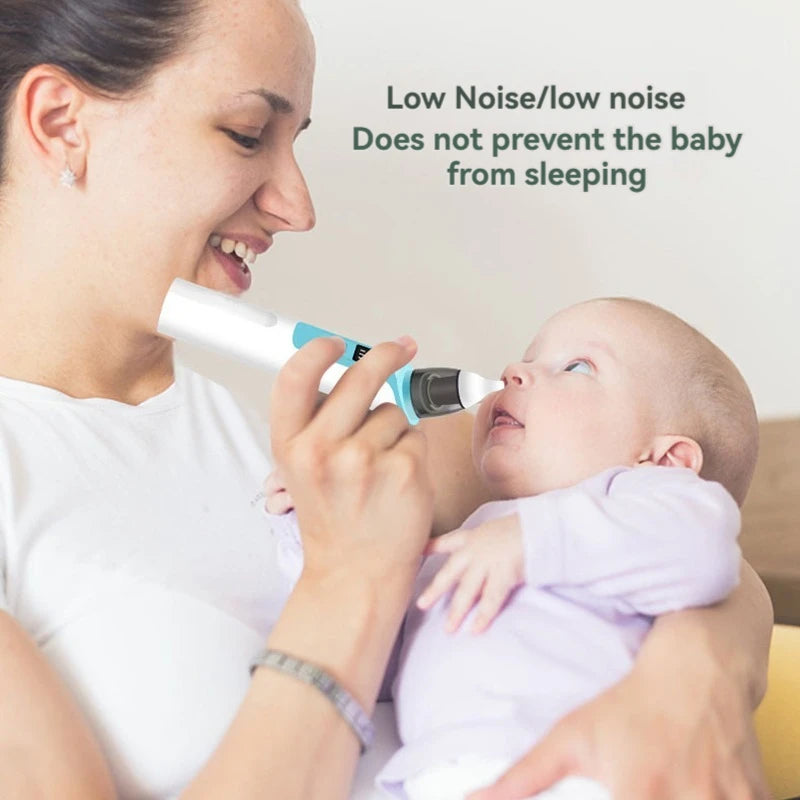
nasal aspirator syringe, suctioning newborn with bulb syringe — See it in action.
Product recommendation
If your baby experiences frequent nasal congestion during cold season or struggles with thick mucus before feedings and bedtime, an electric nasal aspirator can make daily care easier. Compared with manual devices, powered suction delivers more consistent performance while reducing the need for repeated squeezing.
Why parents choose an electric nasal aspirator
When paired with saline drops, an electric aspirator helps loosen and remove mucus quickly while allowing caregivers to maintain steady, gentle suction. Many models include multiple soft silicone tips for different ages, washable collection cups, and adjustable suction settings to improve comfort during use.
Benefits and considerations
- ✅ Consistent suction for thicker mucus
- ✅ Fewer repeated suction attempts than many manual options
- ✅ Easy-to-clean removable components on many models
- ✅ Adjustable suction settings for different congestion levels
- ❌ Higher upfront cost than a traditional bulb syringe
- ❌ Requires charging or battery power depending on the model
Looking for a reliable option? Consider the baby electric nasal aspirator , designed to provide gentle, controlled suction for everyday congestion and seasonal colds.
Cleaning and storage — keep it hygienic
Good hygiene is just as important as proper suction technique. Any device that comes into contact with nasal mucus should be cleaned immediately after use to help prevent bacteria, mold, or dried mucus from building up.
- Disassemble removable parts and wash them with warm water and mild soap after every use.
- Allow every component to air-dry completely before reassembling or storing.
- Follow the manufacturer's instructions for sterilizing bulb syringes, aspirator tips, and collection cups.
- Replace silicone tips, filters, or worn components whenever they become damaged or discolored.
- Store the device in a clean, dry container away from moisture and dust.
- Never share a nasal aspirator between children without thoroughly disinfecting every reusable part.
Mini FAQ
Can I clean my newborn's nose every day?
Yes, if your baby has congestion that affects feeding, sleeping, or comfort. Daily cleaning is safe when performed gently, but avoid unnecessary suctioning because frequent irritation can dry the delicate nasal lining.
Do I need saline drops before using a nasal aspirator?
Saline drops are highly recommended whenever mucus is thick or dried. They soften secretions, making them easier to remove while reducing the amount of suction needed.
Is a bulb syringe or electric nasal aspirator better?
Neither is universally better. A bulb syringe works well for occasional mild congestion and is inexpensive. An electric nasal aspirator provides more consistent suction and is often easier to use when mucus is heavier or congestion is frequent.
How do I remove stubborn mucus from my newborn's nose?
Start with saline drops and wait 30–60 seconds to loosen the mucus. Then use gentle suction with an appropriate nasal aspirator. Never insert objects such as cotton swabs deep into your baby's nostrils.
What should I do if my newborn still sounds congested after cleaning?
Some newborns naturally sound congested because their nasal passages are very small. If your baby is feeding well, breathing comfortably, and has no fever, occasional noisy breathing is often normal. If congestion persists or breathing becomes difficult, contact your pediatrician.
Can cleaning a newborn's nose too often cause irritation?
Yes. Repeated suctioning throughout the day may irritate the nasal lining and increase inflammation. Clean only when congestion is affecting breathing, feeding, or sleep.
When should I contact a doctor about my baby's congestion?
Seek medical advice if your baby develops a fever, has difficulty breathing, refuses feeds, shows signs of dehydration, develops blue lips or skin, or if nasal congestion persists for several days without improvement.
Final thoughts — choosing the right baby nose cleaning method for your family
The right baby nose cleaning method is the one that safely restores comfortable breathing while fitting naturally into your daily routine. For many families, saline drops combined with a manual aspirator are sufficient for everyday congestion, while an electric aspirator can be especially helpful during colds or periods of heavier mucus buildup. Gentle technique, careful cleaning of equipment, and knowing when to seek medical advice are the keys to safe and effective nasal care.
Want more baby care essentials and tools that help at home? Check out Baby Care Essentials and Baby Hygiene Gadgets for curated picks that pair well with nasal care tools.
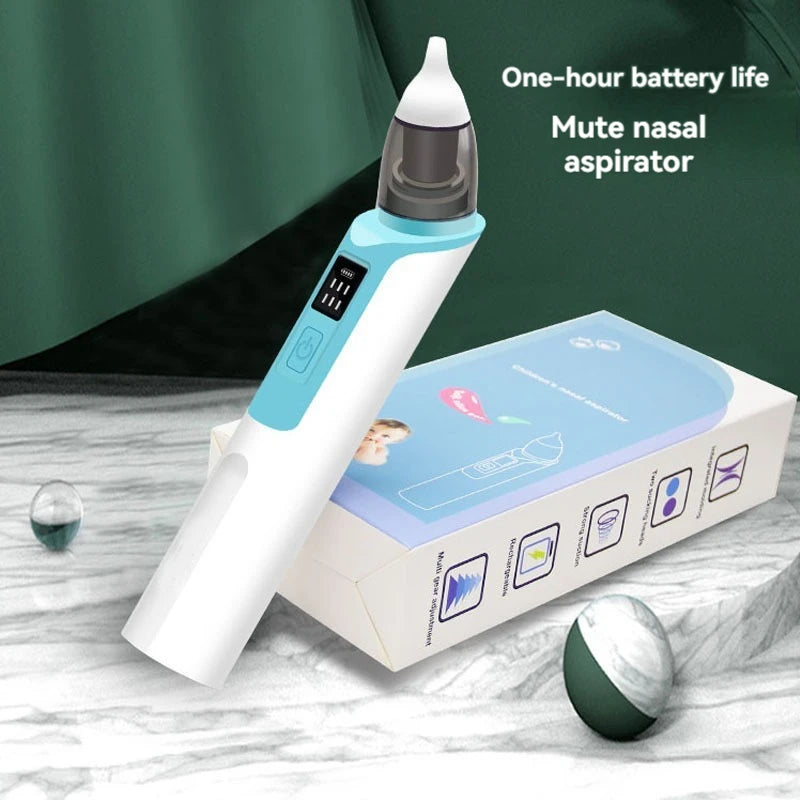
suctioning newborn with bulb syringe, hospital nasal aspirator — See it in action.
Product link: baby electric nasal aspirator
Pillar Article: Newborn Congestion Relief Review: Real Parent Results and Brand Comparisons
Other Related Articles:
Explore More:





