

Newborn Blocked Nose Remedy: Safe Ways to Clear Infant Nasal Congestion
A newborn blocked nose remedy should focus on gentle, age-appropriate care rather than aggressive suction or unnecessary medications. Because newborns have very small nasal passages and often rely heavily on nasal breathing, even a small amount of mucus can make feeding and sleeping more difficult. Saline drops, careful mucus removal, a comfortable breathing environment, and knowing when to seek medical advice can help parents manage everyday congestion safely.
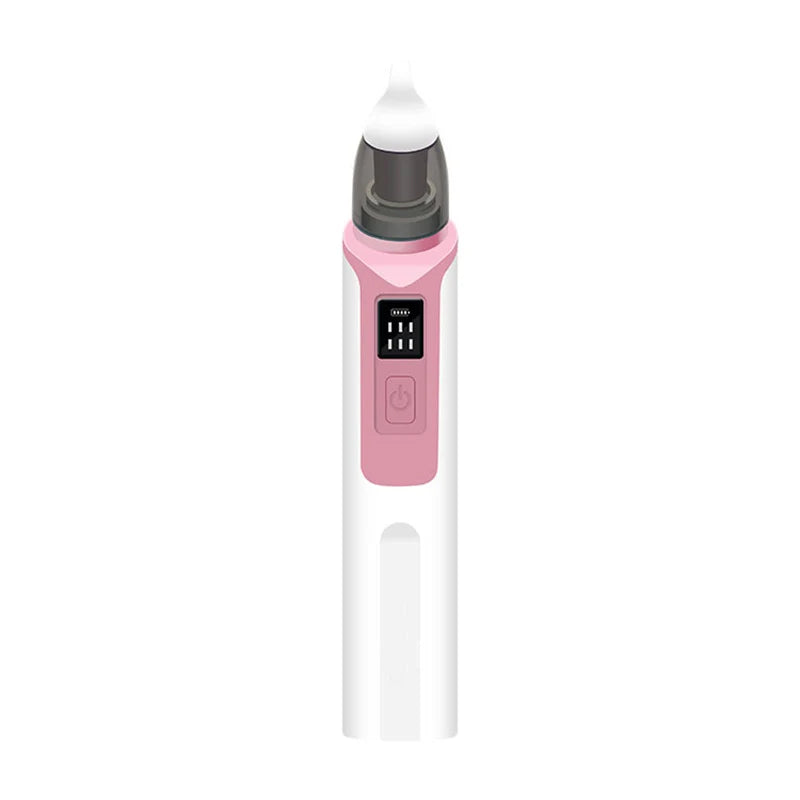
Gentle nasal care can help support more comfortable breathing when a newborn is congested.
Why Your Infant Has a Blocked Nose
Newborn nasal congestion is common, but it can be worrying because babies have narrow nasal passages. A small amount of mucus or swelling can noticeably affect airflow. In many cases, simple newborn nose congestion relief is enough to improve comfort, especially when the baby is otherwise feeding well and breathing normally.
Common Causes of Newborn Nasal Congestion
Several everyday factors can contribute to a blocked nose in a newborn or young infant:
- Mucus buildup: Babies cannot blow their own noses, so normal nasal secretions can accumulate and become difficult to clear.
- Dry air: Low humidity can dry nasal secretions, causing mucus to become thicker and harder to remove.
- Colds and viral infections: Respiratory infections may increase mucus production and cause swelling inside the nasal passages.
- Environmental irritants: Cigarette smoke, vaping aerosols, dust, strong fragrances, and other irritants can aggravate sensitive airways.
- Normal newborn congestion: Some newborns sound stuffy even when they are not sick because their small nasal passages can make normal breathing sounds more noticeable.
If you want to clear a blocked nose in an infant , first consider how your baby is acting. Mild congestion that comes and goes may be manageable with gentle home care. Congestion accompanied by breathing difficulty, poor feeding, fever, dehydration, unusual sleepiness, or worsening symptoms is more concerning and should be discussed with a healthcare professional.
Why Babies Struggle With Stuffy Noses
Babies have smaller airways than older children and adults, so mucus and swelling can have a greater effect on airflow. Newborns also cannot reliably clear their own nasal passages. During feeding, they need to coordinate sucking, swallowing, and breathing, so a stuffy nose can make breastfeeding or bottle-feeding more challenging.
That is why parents looking to clear a blocked nose in a newborn should focus on gentle measures that loosen mucus and remove only what is necessary. The goal is to improve comfort and airflow without repeatedly irritating delicate nasal tissue.
How to Clear a Baby's Blocked Nose Safely
When learning how to clear baby nose congestion , start with the least invasive approach. Plain saline can loosen thick or dried mucus, while gentle suction may help remove mucus that is interfering with feeding or comfortable breathing. The following steps are suitable general guidance, but parents should follow product instructions and seek professional advice when a newborn's symptoms are significant or worsening.
Step-by-Step Saline Drops Method
Plain saline drops can soften thick mucus before you attempt to clear an infant nose. For newborns and young infants, use a saline product intended for babies and follow the label instructions or your pediatrician's advice.
- Wash your hands thoroughly before touching your baby's nose.
- Position your baby safely with the head supported.
- Place the recommended amount of plain saline into the nostril according to the product directions.
- Wait briefly to allow the saline to loosen thick or dried mucus.
- Wipe mucus that moves toward the outside of the nostril with a clean, soft cloth or tissue.
- If mucus remains and is interfering with feeding or comfortable breathing, use an appropriate nasal aspirator gently and according to its instructions.
Saline is a supportive measure rather than a medication. Avoid using medicated nasal decongestant products for a newborn unless a healthcare professional specifically recommends them.
Using a Nasal Aspirator Correctly
A nasal aspirator can help with clearing infant nasal congestion when mucus is affecting feeding or breathing comfort. Bulb syringes, manual aspirators, and electric nasal aspirators work differently, but safe use generally involves gentle suction and careful positioning.
- Wash your hands and make sure the aspirator is clean.
- If mucus is thick or dried, use plain saline first to loosen it.
- Keep your baby securely supported and comfortable.
- Place the aspirator tip gently at the entrance of the nostril without pushing it deeply inside.
- Use brief, gentle suction according to the device manufacturer's instructions.
- Remove the device, clean away collected mucus, and repeat only if necessary.
- Clean and dry reusable components after use according to the manufacturer's cleaning instructions.
For very young newborns, especially babies under 1 month, use extra caution. If congestion is significant, persistent, or interfering with feeding, ask a pediatrician or other qualified healthcare professional for guidance. Always check that a nasal aspirator is designed for your baby's age and follow its specific instructions.
Creating a Comfortable Breathing Environment
Simple environmental changes can complement other methods for newborn nose congestion relief :
- Keep the baby's room at a comfortable temperature and avoid overheating.
- Use a clean cool-mist humidifier when indoor air is dry, following the manufacturer's cleaning instructions.
- Keep your baby away from cigarette smoke, vaping aerosols, strong fragrances, and other respiratory irritants.
- Continue normal feeding as tolerated to support hydration.
- Consider gentle nasal clearing before feeds if congestion is making feeding difficult.
Important sleep safety note: Do not prop up a newborn's mattress, use pillows, or place the baby in an inclined sleep position to improve congestion. Babies should sleep on their backs on a firm, flat, non-inclined sleep surface without loose bedding or soft objects.
Safe Tools and Methods for Infant Nasal Congestion Relief
The best infant nasal congestion relief approach depends on your baby's age, symptoms, and how much congestion is affecting feeding or comfort. Nasal care tools can be helpful, but they should support gentle home care rather than replace medical evaluation when a baby is unwell.
Saline Spray and Drops
Plain saline drops can help loosen thick or dried mucus and may make gentle suction easier. They are often a practical first step when parents need a newborn nasal congestion remedy . Choose products intended for infants and follow the directions carefully. Avoid adding medication to your baby's nose unless it has been specifically recommended by a healthcare professional.
Bulb Syringes and Nasal Aspirators
Bulb syringes and nasal aspirators can remove mucus after it has been loosened. A bulb syringe is simple and does not require batteries, while manual and electric aspirators offer different designs and levels of convenience.
| Method | How It Helps | Best Consideration | Potential Limitation |
|---|---|---|---|
| Plain saline drops | Loosens thick or dried mucus | Useful before gentle suction | Does not physically remove mucus on its own |
| Bulb syringe | Uses manual suction to remove mucus | Simple and widely available | Requires careful cleaning and gentle technique |
| Manual nasal aspirator | Allows controlled suction to remove mucus | Can be used without batteries | Requires correct assembly and hygiene |
| Electric nasal aspirator | Uses powered suction to help remove mucus | May be convenient for caregivers who prefer automated operation | Noise, charging, and suction settings vary by model |
| Cool-mist humidifier | Adds moisture to dry indoor air | May support comfort when air is dry | Requires frequent cleaning to prevent microbial growth |
No single tool is necessary for every congested baby. For mild symptoms, saline and gentle wiping may be enough. If mucus is interfering with feeding or comfortable breathing, a properly used aspirator may help. If symptoms are severe, worsening, or accompanied by warning signs, medical evaluation is more important than choosing a different nasal care tool.
Humidifiers and Other Supportive Methods
A clean cool-mist humidifier may help when dry air contributes to nasal irritation or thick mucus. Place it safely away from your baby's reach and clean it according to the manufacturer's instructions. A humidifier should not be used as a substitute for medical care when a baby has significant respiratory symptoms.
Other supportive measures include maintaining normal feeding as tolerated, avoiding smoke and strong fragrances, and using saline before necessary suction. Together, these approaches can form part of an infant blocked nose treatment routine when symptoms are mild and the baby is otherwise well.
What to Avoid When Clearing a Baby's Nose
When trying to clear a baby blocked nose , more suction or more products do not necessarily provide faster relief. Newborn nasal tissue is delicate, so a gentle approach is important.
Unsafe Suction Practices
- Do not insert an aspirator deeply into the nostril. Keep the tip at the entrance and follow the device instructions.
- Do not suction repeatedly or aggressively. Excessive suction may irritate the nasal lining and contribute to swelling or minor bleeding.
- Do not use dirty or shared aspirator components. Clean reusable parts according to the manufacturer's instructions before storing or reusing them.
- Do not continue home suction if your baby is struggling to breathe. Breathing difficulty requires medical attention rather than repeated attempts at nasal clearing.
- Do not assume an aspirator treats the underlying cause. Congestion caused by an infection or another medical condition may require professional evaluation.
Irritants That Can Worsen Congestion
Avoid exposing infants to cigarette smoke, vaping aerosols, strong perfumes, essential oil diffusers, aerosol sprays, and other strong airborne irritants. These substances can aggravate sensitive airways and should not be used as substitutes for appropriate infant blocked nose treatment.
Parents should also avoid unapproved home remedies, adult nasal medications, and medicated decongestants unless a healthcare professional specifically instructs them to use a particular product. For newborns, plain saline and gentle mechanical mucus removal are generally more appropriate starting points than introducing medications without professional guidance.
When to Call a Pediatrician About Infant Congestion
Many cases of mild nasal congestion can be managed with supportive care, but newborns deserve extra caution because their symptoms can change quickly. If you are unsure whether your baby's congestion is normal, contacting a pediatrician is appropriate.
Warning Signs in Newborns
Seek urgent medical care if your baby has signs of significant breathing difficulty, including:
- Rapid or labored breathing
- Skin pulling in around the ribs or neck with each breath
- Grunting, persistent wheezing, or unusual breathing sounds
- Blue, gray, or unusually pale coloring around the lips or face
- Pauses in breathing or difficulty staying awake
For a newborn or young infant, fever can require prompt medical evaluation. Contact a healthcare professional immediately if a baby younger than 3 months has a rectal temperature of 100.4°F (38°C) or higher , or if you are concerned about the baby's condition.
Symptoms That Need Medical Attention
Contact your pediatrician or seek medical advice if congestion is accompanied by poor feeding, noticeably fewer wet diapers, repeated vomiting, unusual lethargy, persistent cough, worsening symptoms, or signs of dehydration.
Do not wait for a nasal aspirator or home remedy to work if your baby is struggling to breathe. Likewise, if a newborn is too congested to feed effectively or seems significantly less responsive than usual, professional evaluation should take priority.
FAQ: Clearing Infant Nasal Congestion
How often can I clear my baby's nose?
Clear your baby's nose when congestion is interfering with feeding, sleep, or comfortable breathing rather than following a rigid schedule. Use saline according to product directions, and limit suction to what is necessary. Repeated or aggressive suction may irritate delicate nasal tissue. If you need to suction frequently or congestion is worsening, ask your pediatrician for guidance.
Can I use saline drops for a newborn?
Plain saline drops made for infants are commonly used to loosen nasal mucus in newborns. Follow the product instructions and use only plain saline unless a healthcare professional recommends another treatment. If your newborn has significant congestion, difficulty feeding, or breathing problems, contact a healthcare professional rather than relying only on saline.
Are nasal aspirators safe for infants?
Nasal aspirators can be safe for infants when they are designed for the baby's age and used gently according to the manufacturer's instructions. Keep the tip at the nostril entrance, avoid excessive suction, and clean reusable parts properly. If your baby becomes distressed or develops signs of breathing difficulty, stop home treatment and seek medical advice.
How do I clear mucus from a newborn's nose?
To clear an infant nose , start by washing your hands and using plain saline to loosen thick mucus if needed. Wait briefly, then gently wipe mucus from the outside of the nostril. If mucus remains and affects feeding or breathing comfort, use an age-appropriate nasal aspirator with brief, gentle suction. Avoid inserting the device deeply or suctioning repeatedly.
When should I see a pediatrician for infant congestion?
See a pediatrician for persistent or worsening congestion, difficulty feeding, dehydration concerns, unusual sleepiness, or other symptoms that concern you. Seek urgent medical care for significant breathing difficulty, blue or gray coloring, pauses in breathing, or other emergency warning signs. For babies younger than 3 months, a rectal temperature of 100.4°F (38°C) or higher requires prompt medical evaluation.
For more baby care solutions, visit Baby Care Essentials and Health & Safety .
Check out Baby Hygiene Gadgets for baby hygiene tools and nasal care accessories that can support a practical newborn care routine.
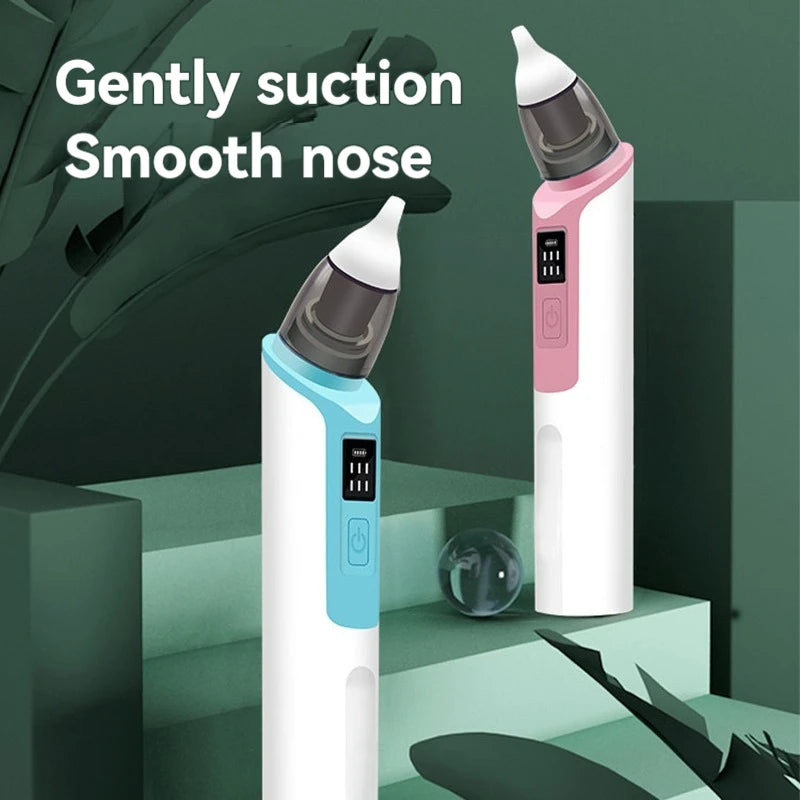
Gentle nasal care tools can support a baby's congestion routine when used correctly.
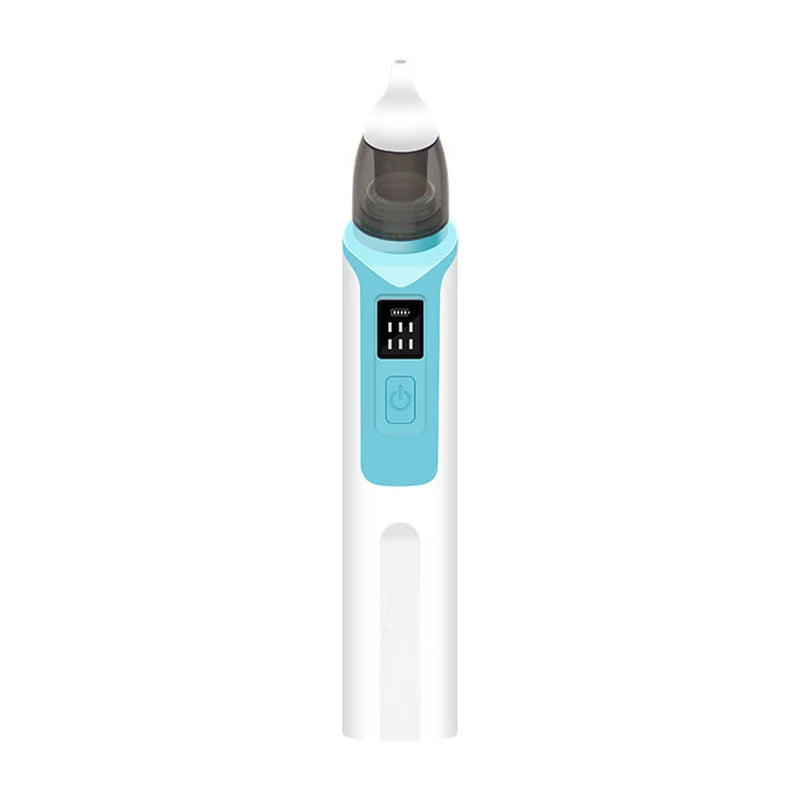
Infant blocked nose treatment options should prioritize gentle techniques, hygiene, and safe breathing support.
Pillar Article: Infant Nasal Aspirators Compared: Which Ones Work Best for New Parents
Other Related Articles:
- Infant Nasal Aspirator How to Use: Best Models Reviewed for Beginners
- How to Help Newborn Congestion: Best Reviewed Aspirators for Faster Relief
- Newborn Cleaning Nose Tools Ranked: What Works Safest for Daily Use
- Infant Stuffy Nose How to Help: Top Gentle Tools Reviewed for Fast Relief
Explore More:





