

Infant Nasal Aspirator How to Use: Best Models Reviewed for Beginners
Does an infant nasal aspirator really help with a stuffy baby?
Answer: Yes. Learning infant nasal aspirator how to use correctly helps remove excess mucus so babies can breathe, feed, and sleep more comfortably. Start by softening mucus with saline drops, use gentle suction for only a few seconds at a time, and clean the device thoroughly after every use. When used properly, a nasal aspirator offers fast, drug-free relief for everyday nasal congestion.
⏱ 8 min read
A blocked nose may seem minor to adults, but for newborns and young infants it can quickly interfere with feeding, sleeping, and staying comfortable because babies rely heavily on breathing through their noses. If you're wondering how to use a nasal aspirator safely, this beginner-friendly guide explains the proper technique, when suction is appropriate, and how different aspirator types compare. You'll also learn practical safety tips that help reduce discomfort while making congestion relief quicker and more effective.
Whether you're using a traditional bulb syringe, a parent-powered suction device, or a rechargeable electric model, following the correct steps protects delicate nasal tissue while maximizing mucus removal. With a calm approach and the right technique, most parents find that congestion becomes much easier to manage at home.
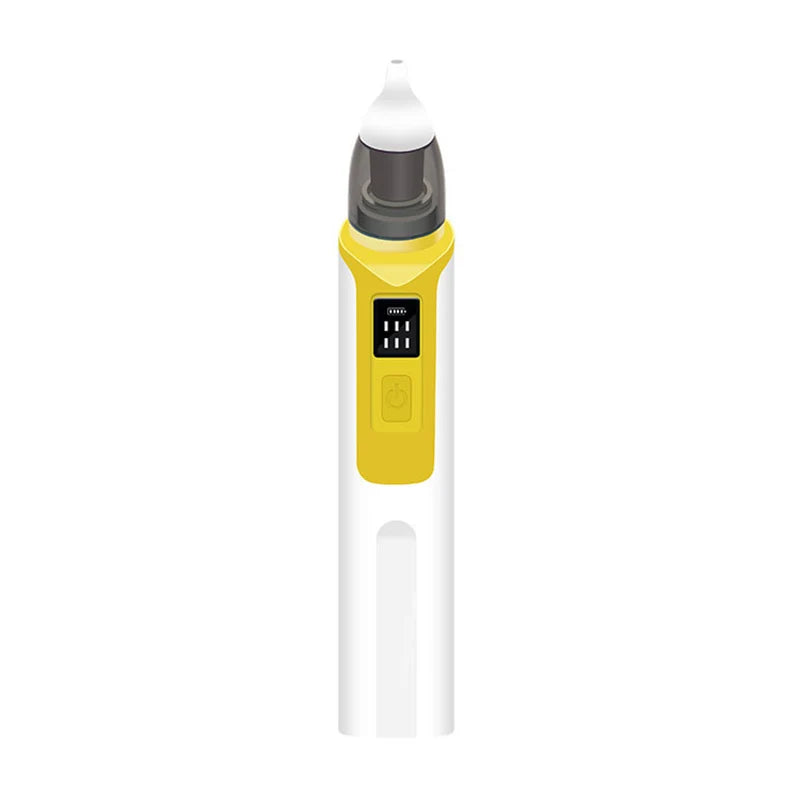
infant nasal aspirator how to use + vacuum nasal aspirator — See it in action.
Does a nasal aspirator really help with a stuffy baby?
Yes. A nasal aspirator works by creating gentle suction that removes mucus from the front of your baby's nasal passages. Since newborns naturally breathe through their noses during feeding and sleep, even a small amount of congestion can make them uncomfortable. Clearing mucus often improves breathing within minutes and may make feeding, settling, and sleeping easier.
Using saline drops before suction is one of the simplest ways to improve results. Saline loosens thick or dried mucus so the aspirator can remove it more easily while reducing the need for repeated suction. This gentle combination is commonly recommended for everyday congestion caused by colds, dry air, or seasonal irritation.
A nasal aspirator is intended for temporary congestion relief—not for treating the underlying illness. If symptoms worsen, breathing becomes difficult, or congestion is accompanied by fever in a young infant, seek medical advice promptly.
How to use an infant nasal aspirator safely
Direct answer: For infant nasal aspirator how to use , begin by washing your hands, applying saline drops to each nostril, and waiting 30–60 seconds. Position your baby securely with the head slightly elevated, insert only the soft tip into the nostril, then use gentle suction for a few seconds. Clean the aspirator thoroughly after every use and keep each nostril session under 20–30 seconds.
Prepare your supplies
Before you begin, gather everything you need so the process is quick and calm:
- Infant nasal aspirator
- Saline drops or saline spray designed for babies
- Soft tissues or cloth
- Clean towel for wiping the tip
- Warm water for cleaning the device afterward
Position your baby correctly
Lay your baby on a flat surface with the head slightly elevated, or hold them upright while supporting the head and neck. Keeping your baby secure helps prevent sudden movements that could make suction uncomfortable.
Apply saline if needed
Place 1–2 saline drops into each nostril and allow 30–60 seconds for the solution to soften mucus. This simple step often makes suction more effective and reduces irritation.
Insert and suction safely
- Insert only the soft tip just inside the nostril.
- Never force the tip deep into the nasal passage.
- Apply gentle suction for 3–5 seconds.
- Pause between attempts to allow your baby to settle.
- Wipe the tip before moving to the other nostril.
Repeat and comfort your baby
If mucus remains, repeat only when necessary rather than performing multiple long suction sessions. Offer a cuddle, feed, or pacifier afterward to help your baby relax. Once finished, disassemble and clean the aspirator according to the manufacturer's instructions before storing it.
Quick safety tips: Avoid excessive suction, never insert the tip deeply into the nose, and stop immediately if your baby becomes distressed or you notice bleeding. Contact your pediatrician if congestion is persistent, breathing becomes difficult, or your baby develops a high fever.
Types of nasal aspirators and which one to choose
Choosing the right nasal aspirator depends on your baby's age, how often congestion occurs, your preferred cleaning routine, and the level of suction you need. While all aspirators remove mucus using gentle suction, each style offers different advantages for convenience, hygiene, portability, and effectiveness.
Electric nasal aspirator
Electric and rechargeable nasal aspirators use a small motor to provide steady, controlled suction. Many models include multiple suction levels and soft silicone tips for different age groups.
- Best for: Families dealing with frequent congestion or parents who want consistent, one-button operation.
- How it works: The motor creates continuous suction while removable collection cups or filters keep mucus separated from the device.
Pros:
- Consistent suction without manual squeezing.
- Adjustable power suitable for newborns through toddlers.
- Many models include washable tips and hygienic filters.
- Comfortable for repeated use during cold season.
Cons:
- Higher purchase price.
- Requires charging or battery power.
- Needs regular cleaning of removable parts.
Bulb aspirator
The traditional bulb syringe remains a practical option for occasional congestion. Suction is created by squeezing and releasing the rubber bulb.
- Best for: Travel, emergency use, or parents looking for a simple, inexpensive solution.
- How it works: Compressing the bulb removes air, and releasing it creates suction that draws mucus into the chamber.
Pros:
- Affordable and widely available.
- No batteries or charging required.
- Compact enough for diaper bags.
- Easy for occasional use.
Cons:
- Less effective on thick mucus.
- Difficult to see how much mucus has been removed.
- Some one-piece bulbs are harder to clean thoroughly.
Manual suction aspirator
Parent-powered aspirators use gentle mouth suction through a tube while a disposable or washable filter prevents mucus transfer. They offer strong control without electricity.
- Best for: Parents who want powerful suction without relying on batteries.
- How it works: Gentle suction is created manually while the filter keeps mucus contained inside the collection chamber.
Pros:
- Excellent control over suction strength.
- Typically more effective than bulb syringes.
- Portable and lightweight.
- Many designs include replaceable hygiene filters.
Cons:
- Requires replacement filters on some models.
- Some parents prefer not to use mouth-powered suction.
- Takes slightly longer to assemble and clean.
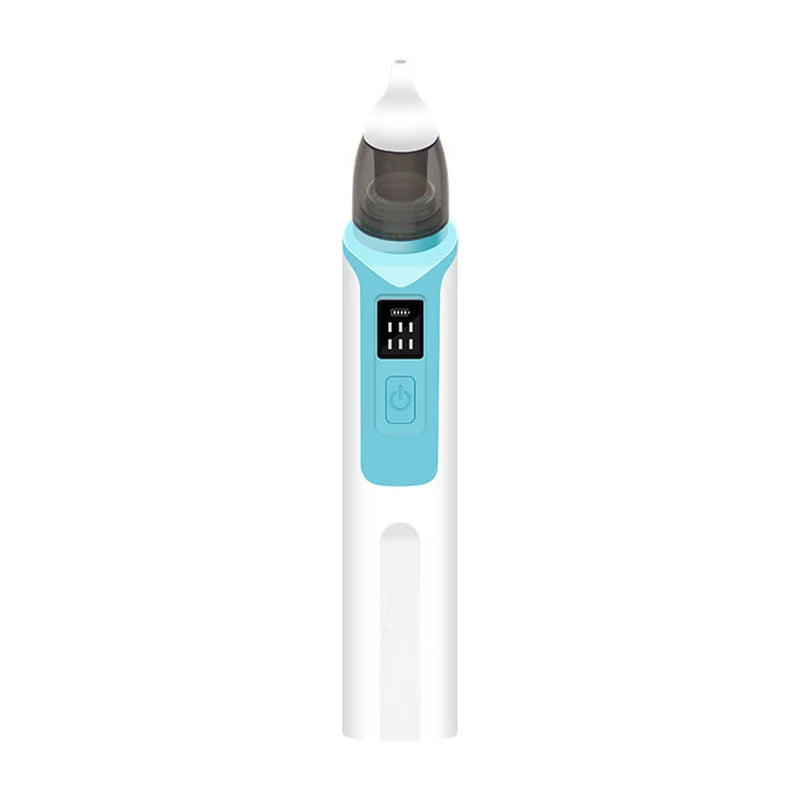
vacuum nasal aspirator, rechargeable nasal aspirator — infant stuffy nose relief + See it in action.
Quick comparison table
This side-by-side comparison highlights the differences in suction performance, ease of use, cleaning, and the age groups each aspirator type typically suits best.
| Feature | Bulb Aspirator | Manual Suction Aspirator | Rechargeable/Electric Aspirator |
|---|---|---|---|
| How suction is created | Squeezable rubber bulb | Parent-powered suction with filter | Electric motor |
| Effectiveness for thick mucus | Fair | Very Good | Excellent |
| Ease of use | Easy | Moderate | Very Easy |
| Cleaning | Easy to Moderate | Moderate | Moderate to Easy |
| Hygiene | Basic | Good (with filters) | Excellent (washable parts and filters) |
| Best age group | Newborns and occasional use | Newborns to infants | Newborns through toddlers |
| Portability | Excellent | Excellent | Good |
| Typical cost | Low | Medium | High |
Common mistakes to avoid
Even the best nasal aspirator works less effectively when used incorrectly. Avoiding a few common mistakes helps keep your baby comfortable while reducing the risk of irritation.
- Skipping saline first: Saline softens thick mucus, making suction quicker and gentler.
- Using too much suction: Strong or prolonged suction can irritate delicate nasal tissue. Use only the minimum amount needed to remove mucus.
- Inserting the tip too deeply: The tip should rest just inside the nostril. Never force it farther into the nasal passage.
- Overusing the aspirator: Repeated suction throughout the day may dry or irritate the nose. Use it only when congestion is affecting feeding, sleeping, or comfortable breathing.
- Forgetting to clean the device: Wash and dry removable parts after every use to reduce bacterial growth and keep suction working efficiently.
- Rushing the process: Keeping your baby calm often makes suction easier than trying to finish as quickly as possible.
Practical tips from experienced parents
- Use saline drops 30–60 seconds before suctioning.
- Suction before feeding or bedtime when possible to help your baby breathe more comfortably.
- Keep replacement filters or clean tips ready if your model uses them.
- Store the aspirator in a clean pouch or case when traveling.
- Sing softly or offer a favorite toy to help distract your baby during the short suction session.
How to choose the right nasal aspirator for your family
The best choice depends on how frequently your baby experiences congestion, how much convenience you want, and how easy the device is to clean.
- For occasional congestion: A bulb aspirator is affordable, lightweight, and easy to pack for travel.
- For stronger manual control: Parent-powered manual aspirators provide effective suction while remaining compact and portable.
- For frequent congestion: Rechargeable electric aspirators offer consistent suction with minimal effort and are especially helpful during cold season.
- For hygiene: Choose models with detachable, washable components and replaceable filters whenever available.
- For growing families: Adjustable suction levels and multiple silicone tip sizes allow one device to adapt from newborn through toddler stages.
If you're looking for a balance of gentle suction, convenient cleaning, and adjustable performance, consider the KentDO electric nasal aspirator: Get the baby electric nasal aspirator .
How often should you use a nasal aspirator?
Most babies only need nasal suction when congestion is making it difficult to breathe, feed, or sleep. There is no fixed daily schedule. Instead, use the aspirator only when necessary and keep each session brief to avoid irritating the delicate lining of the nose.
- Use before feedings if congestion is interfering with nursing or bottle-feeding.
- Use before naps or bedtime when a blocked nose is preventing restful sleep.
- Limit suction to a few short sessions per day unless your pediatrician recommends otherwise.
- Stop once mucus has been removed and your baby is breathing comfortably.
- If the nose appears dry or irritated, reduce the frequency and continue using saline to keep nasal passages moist.
Troubleshooting difficult congestion
If you're not getting the results you expect, a few simple adjustments can make nasal suction more effective.
- Thick mucus: Apply saline drops and wait at least 30–60 seconds before suctioning.
- No mucus comes out: Reposition the tip just inside the nostril rather than inserting it deeper.
- Baby keeps moving: Try suctioning after swaddling, during a calm moment, or ask another adult to help gently support your baby's head.
- Congestion returns quickly: Dry indoor air may contribute to repeated blockage. A cool-mist humidifier can sometimes help keep nasal passages comfortable.
- Persistent congestion: If symptoms continue for several days or worsen, consult your pediatrician rather than increasing suction frequency.
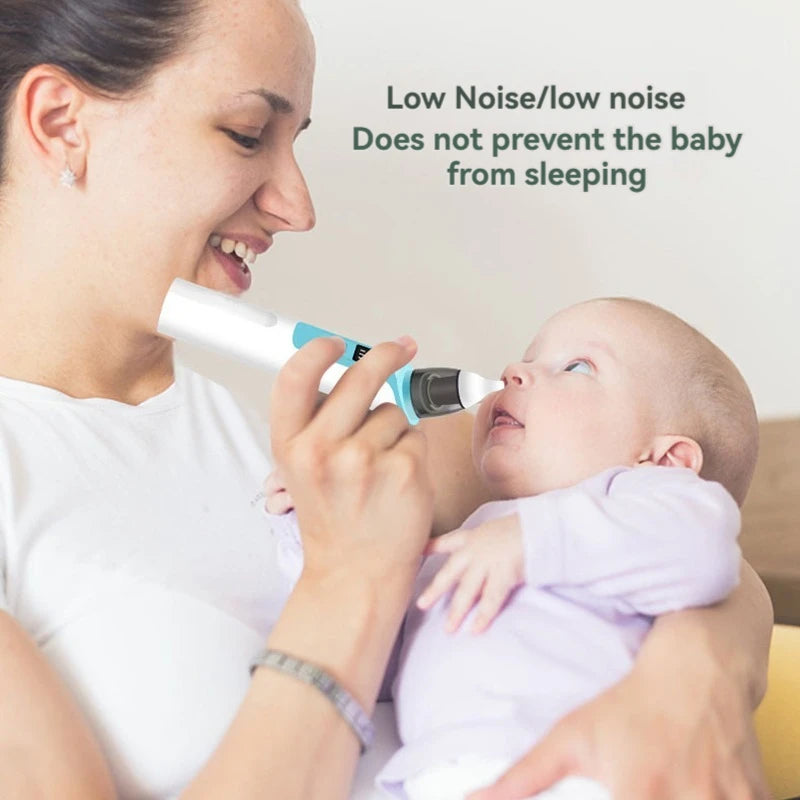
rechargeable nasal aspirator, infant stuffy nose relief — infant nasal aspirator how to use + See it in action.
Cleaning, sanitizing and storing your nasal aspirator
Cleaning your nasal aspirator after every use helps maintain strong suction and reduces the risk of bacteria or mold developing inside the device. Always follow the manufacturer's instructions, as cleaning steps vary slightly between bulb, manual, and electric models.
Daily cleaning routine
- Disassemble all removable components immediately after use.
- Wash washable parts with warm water and mild soap.
- Rinse thoroughly to remove any soap residue.
- Allow every part to air dry completely before reassembly.
- Wipe the exterior of electric units with a damp cloth only—never immerse the motor housing in water.
- Store the device in a clean, dry case away from direct sunlight and moisture.
When to replace parts
- Replace disposable filters according to the manufacturer's recommendations.
- Replace cracked, worn, or discolored silicone tips.
- Inspect seals and connectors regularly to maintain proper suction.
- Replace damaged components immediately to ensure safe use.
When to call a pediatrician
While most infant congestion improves with gentle home care, seek medical advice promptly if your baby develops any of the following warning signs:
- Fever of 100.4°F (38°C) or higher in a young infant.
- Rapid, labored, or noisy breathing.
- Persistent wheezing or signs of breathing difficulty.
- Blood that continues after suctioning or repeated nosebleeds.
- Difficulty feeding because of congestion lasting longer than 24 hours.
- Congestion that continues for several days without improvement or is accompanied by unusual sleepiness or dehydration.
Frequently asked questions
-
How do you use a nasal aspirator on a newborn?
Apply 1–2 saline drops to each nostril, wait 30–60 seconds, then gently place the soft tip just inside the nostril. Use light suction for only a few seconds and avoid inserting the tip deeply. Keep the session brief and clean the aspirator immediately afterward. -
Should I use saline before a nasal aspirator?
Yes. Saline helps loosen thick or dried mucus, making it much easier to remove with gentle suction. For most babies, waiting about 30–60 seconds after applying saline provides the best results. -
How often can I use a nasal aspirator on my baby?
Use it only when congestion interferes with feeding, sleeping, or comfortable breathing. A few short sessions per day are generally sufficient. Avoid excessive suction, as overuse may irritate the nasal lining. -
Can a nasal aspirator hurt my baby's nose?
Not when used correctly. Choose a soft silicone tip, avoid deep insertion, and use gentle suction. Stop immediately if your baby becomes distressed or if you notice persistent bleeding. -
Which type of nasal aspirator works best for newborns?
Many parents begin with a bulb or low-suction electric model designed specifically for newborns. Soft tips and adjustable suction levels provide greater comfort while protecting delicate nasal tissue. -
How do you clean and sanitize a nasal aspirator?
Disassemble all washable parts after each use, wash them with warm soapy water according to the manufacturer's instructions, rinse thoroughly, allow them to dry completely, and replace filters or worn components when recommended.
Final notes
Learning how to use an infant nasal aspirator correctly makes everyday congestion much easier to manage. Gentle suction, proper positioning, saline drops, and consistent cleaning all work together to help your baby breathe more comfortably without unnecessary irritation. Selecting an aspirator that matches your family's needs—whether a simple bulb model or a rechargeable electric device—can make routine care quicker, safer, and less stressful.
Explore helpful accessories and related tools in Baby Care Essentials , or check practical guides in Baby Care Tips & Advice for more newborn routines. If you're equipping your travel bag, see Mom Essentials for compact helpers and storage solutions.
Common quick answers
How long should each suction session last? Limit each suction burst to about 5–10 seconds and avoid spending more than 20–30 seconds on each nostril during a single session.
Does a rechargeable aspirator need filters? Many models include replaceable filters to improve hygiene and protect the motor. Replace them according to the manufacturer's recommendations.
Pillar Article: Infant Nasal Aspirators Compared: Which Ones Work Best for New Parents
Other Related Articles:
- How to Help Newborn Congestion: Best Reviewed Aspirators for Faster Relief
- Newborn Blocked Nose Remedy Tools: Top Picks for Calm, Clear Breathing
- Newborn Cleaning Nose Tools Ranked: What Works Safest for Daily Use
- Infant Stuffy Nose How to Help: Top Gentle Tools Reviewed for Fast Relief
Explore More:





