

Saline flush vs. Boogie Buster for baby congestion: which works better?
Answer: Saline and a Boogie Buster-style nasal aspirator solve different parts of the same problem, so neither is always “better.” Saline helps loosen and thin mucus, while an aspirator physically removes accessible mucus. For mild stuffiness, saline alone may be enough. When thick mucus blocks the nose or interferes with feeding, gentle suction after saline may help more. Pediatric guidance generally favors plain saline and careful suction for infants rather than medicated decongestants.
⏱ 12 min read
Newborn Congestion Relief Review: Saline Flush vs. Boogie Buster for Baby Congestion
Newborn congestion can make feeding and sleep more difficult, but choosing the right approach does not have to be complicated. This newborn congestion relief review compares saline flushes with Boogie Buster-style nasal aspirators, explains when each method works best, and shows how they can be used together when appropriate. The key is matching the method to the type of congestion: loosen mucus first when it is thick or dry, then use gentle suction only when physical removal is actually needed.
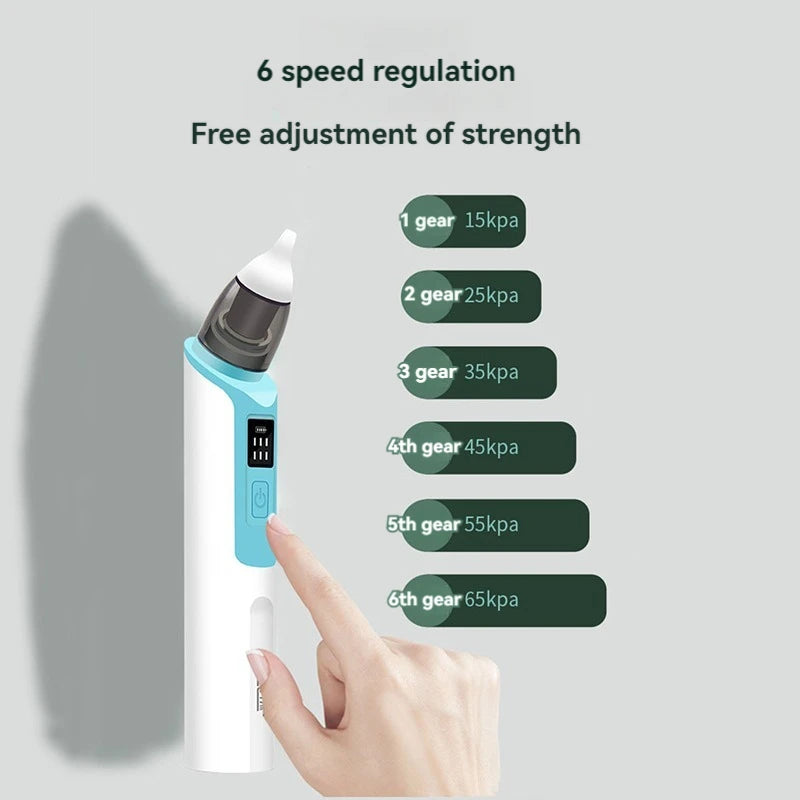
newborn congestion relief, newborn congestion treatment — See it in action
Curious how small choices improve sleep and breathing? Explore related essentials in Baby Care Essentials .
Quick comparison table
This baby nasal aspirator comparison shows why saline and suction are best viewed as complementary tools. The right choice depends on the severity of congestion, the baby's age, whether mucus is visible, and whether nasal blockage is interfering with feeding or sleep.
| Option | Effectiveness | Age suitability | Ease of use | Best situations | Safety |
|---|---|---|---|---|---|
| Plain saline drops | Helps loosen and thin mucus | Generally suitable for newborns when an infant-appropriate product is used as directed | Very easy | Mild stuffiness, dry nasal passages, preparing mucus for suction | Generally low risk when used as directed |
| Boogie Buster-style nasal aspirator | Physically removes accessible mucus | Follow the specific device's age guidance | Requires correct positioning and technique | Blocked nostrils, visible mucus, congestion affecting feeding or sleep | Generally safe when used gently and according to instructions |
| Saline followed by gentle suction | Combines mucus loosening with physical removal | Use only when both methods are appropriate for the baby's age | Moderate | Thick mucus or a blocked nose before feeding or sleep | Avoid forceful or repeated suction |
How saline flush and Boogie Buster work differently
A baby congestion relief comparison is easier to understand when you separate the two mechanisms. Saline does not physically extract mucus, while an aspirator does not necessarily soften thick or dried secretions. Each method has a distinct role in nasal care.
How saline loosens mucus
Plain saline adds moisture to the nasal passages and helps loosen thick, sticky, or dried mucus. This can make secretions easier to move and may improve comfort when nasal stuffiness is partly related to dryness.
For newborns, the goal is gentle moisture rather than a forceful nasal “flush.” Use a plain, infant-appropriate saline product according to its instructions. A small amount can help soften mucus before feeding or before deciding whether suction is necessary.
Saline may be particularly useful when you hear mild nasal stuffiness but cannot see mucus blocking the nostrils. In those cases, adding suction may not provide much additional benefit and can unnecessarily irritate the nasal lining.
How nasal aspirators remove mucus
A nasal aspirator uses suction to physically remove mucus that is accessible near the nostril opening. Depending on the design, suction may come from a bulb, manual pump, parent-powered system, or battery-powered motor.
The main strength of an aspirator is direct removal. When mucus is already loose and accessible, gentle suction can clear the nose more quickly than saline alone. However, suction is not a replacement for saline when secretions are thick or dried. Softening mucus first can make the process easier and reduce the temptation to increase suction pressure.
Common misconception: Stronger suction is not automatically more effective. The goal is not to remove every trace of mucus. Excessive pressure, deep insertion, or repeated suction can irritate delicate nasal tissue and potentially worsen swelling. Clear enough mucus to improve comfortable breathing, feeding, or rest, then stop.
When saline alone is enough vs. when suction helps
Knowing when to stop at saline—and when to add suction—is one of the most useful parts of an infant congestion treatment comparison. Consider the symptoms rather than automatically using every available tool.
Mild congestion
If your baby has mild stuffiness, sounds a little congested, or has dry nasal passages without visible mucus blocking the nostrils, plain saline may be enough. Give it a short time to moisturize and loosen secretions, then reassess your baby's comfort.
Thick mucus and blocked nose
When mucus is thick, sticky, or visibly blocking the nostril, saline can loosen it first. If the mucus remains accessible after a brief pause, gentle suction may then help physically remove it. Avoid increasing suction simply because the first pass did not remove everything.
Before feeding or sleep
Congestion matters most when it interferes with an activity that requires comfortable nasal breathing. If your baby struggles to feed because the nose is blocked, saline followed by gentle suction before feeding may be useful. The same approach can be considered before sleep when visible mucus is causing discomfort.
| Situation | First step | When suction may help | Practical goal |
|---|---|---|---|
| Mild stuffiness without visible mucus | Plain saline | Usually unnecessary | Moisten the nose and improve comfort |
| Thick or sticky mucus | Saline to loosen secretions | If mucus remains accessible | Remove loosened mucus gently |
| Nose blocked before feeding | Saline | If blockage persists | Make nasal breathing easier during feeding |
| Visible mucus before sleep | Saline if mucus is thick | If mucus remains near the nostril opening | Improve comfort without over-suctioning |
Can you use saline flush and Boogie Buster together?
Yes. In many situations, saline and a Boogie Buster-style aspirator can be used together because they perform different jobs. Saline helps loosen mucus first, while gentle suction can remove mucus that remains accessible.
Recommended order
- Wash your hands and prepare the saline and aspirator.
- Position your baby securely with the head supported.
- Apply plain saline according to the product instructions.
- Wait briefly—often around 30–60 seconds is practical—to give the saline time to loosen mucus.
- If the nose remains blocked by accessible mucus, use the aspirator gently according to its instructions.
- Stop once enough mucus has been removed to improve comfort. Do not continue suctioning simply to make the nose completely clear.
How long to wait
Saline generally does not require a long waiting period. A short pause can allow mucus to soften enough for easier removal. If mucus is still dry or firmly stuck, adding more suction pressure is not necessarily the best solution. Follow the saline product's directions and consider asking your pediatrician for advice if congestion remains difficult to manage.
How often to repeat
Use saline and suction when they are needed to relieve meaningful congestion rather than following a strict schedule. Avoid repeated suction sessions close together because the nasal lining can become irritated. If your newborn needs frequent suction throughout the day, or congestion continues to interfere with feeding, contact your pediatrician.
How to use saline and Boogie Buster safely (step-by-step)
Using saline correctly
- Choose plain saline: Use an infant-appropriate saline product and follow its age and usage instructions.
- Wash your hands: Clean your hands before handling the product or touching the area around your baby's nose.
- Position your baby securely: Support your baby's head and keep the position comfortable. Avoid forcing the head into an awkward position.
- Apply the recommended amount: Use only the amount specified by the product instructions.
- Pause briefly: Allow the saline time to loosen mucus before deciding whether suction is necessary.
Using the aspirator correctly
- Check the tip: Make sure the tip is clean and appropriate for your baby's age.
- Start gently: For an electric model, use the lowest effective suction setting. For manual models, use controlled, gentle suction.
- Keep the tip shallow: Place it at the entrance of the nostril rather than inserting it deeply.
- Use short suction sessions: Remove accessible mucus without repeatedly suctioning the same area.
- Stop when enough is removed: The goal is improved comfort and airflow, not complete removal of every secretion.
Common mistakes to avoid
- Increasing suction pressure because the first attempt did not remove much mucus.
- Repeatedly suctioning the nose throughout the day without a clear need.
- Inserting an aspirator tip too far into the nostril.
- Using medicated nasal decongestants without medical advice.
- Using a device that is not appropriate for a newborn's age.
- Failing to clean reusable components according to the manufacturer's instructions.
- Assuming noisy breathing is always simple nasal congestion when the baby is showing signs of respiratory distress.
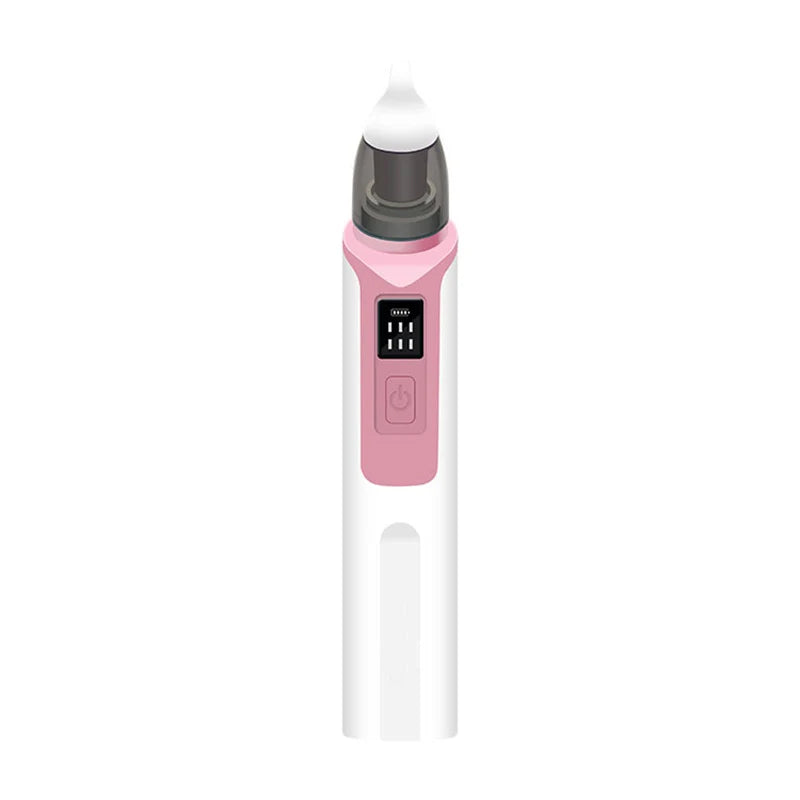
infant blocked nose treatment, portable nasal aspirator — See it in action
Need comparison tools and buying tips? Check related essentials in Baby Hygiene Gadgets and Health & Safety .
Saline flush vs. Boogie Buster: effectiveness, safety, and ease of use
A useful boogie buster review should consider more than suction power. Comfort, cleaning, cost, and ease of use all affect whether parents can use a nasal aspirator appropriately. Saline remains the simpler first-line option for mild stuffiness, while an aspirator becomes more valuable when mucus needs to be physically removed.
Pros and cons
| Method | Pros | Cons |
|---|---|---|
| Saline | Simple, inexpensive, portable, helps loosen mucus, no mechanical suction required | May not physically remove mucus that remains blocking the nostril |
| Nasal aspirator | Physically removes accessible mucus and can be useful before feeding or sleep | Requires correct technique and regular cleaning; excessive suction can irritate tissue |
| Saline + aspirator | Combines mucus loosening with physical removal for stubborn congestion | Takes more steps and still requires careful limits on suction |
Parent convenience
Saline is usually the easiest option for quick, low-maintenance nasal care. A portable electric aspirator can be convenient when parents regularly need to remove visible mucus, especially before feeding or bedtime. The trade-off is that electric devices may require charging or batteries and have removable components that need careful cleaning.
For parents looking for a portable option, the Baby Electric Nasal Aspirator is an approved product option designed for convenient use and gentle suction. Parents should still follow the device's instructions, use the lowest effective suction, and clean all removable parts as directed.
Safety tips and when to call your pediatrician
Most mild congestion can be managed with supportive care, but newborns and young infants require careful observation. The severity of a baby's condition should be judged by overall breathing effort, color, feeding, hydration, alertness, and temperature—not simply by how noisy the nose sounds.
Warning signs by age
- Any age: Seek urgent medical care for blue, gray, or dusky skin; severe difficulty breathing; significant chest retractions; pauses in breathing; or a baby who is unusually difficult to wake.
- Infants under 3 months: A rectal temperature of 100.4°F (38°C) or higher requires prompt medical evaluation. Contact your pediatrician or seek urgent care according to their guidance.
- Newborns and young infants: Contact a healthcare professional if congestion significantly interferes with feeding, your baby is taking much less fluid, has noticeably fewer wet diapers, or seems unusually sleepy or unwell.
- Persistent or worsening symptoms: Seek medical advice when congestion continues to worsen or is accompanied by concerning symptoms such as wheezing, persistent cough, or increased work of breathing.
Safe frequency matters: There is no universal schedule that applies to every baby or every aspirator. Use suction only when it is needed to relieve meaningful blockage, and follow the manufacturer's instructions. If your baby repeatedly requires suction throughout the day, ask your pediatrician whether another evaluation is appropriate.
Do not rely on home congestion treatment when a baby is struggling to breathe. Nasal suction is supportive care, not a substitute for medical evaluation.
Cleaning and maintenance
Proper cleaning is an important part of any boogie buster review or nasal aspirator comparison. Mucus and moisture can contaminate reusable components if they are not cleaned, dried, and stored correctly.
Cleaning saline tools
- Keep saline containers closed when not in use.
- Avoid allowing an applicator tip to touch dirty surfaces.
- Follow the manufacturer's instructions for single-use or reusable applicators.
- Discard saline products according to their expiration date or if contamination is suspected.
- Store saline according to the product label.
Cleaning the Boogie Buster
- Disassemble removable parts after use when the manufacturer's instructions permit.
- Wash mucus-contacting components with appropriate soap and water according to the device instructions.
- Rinse thoroughly and allow parts to air-dry completely before reassembly.
- Do not seal damp components in a closed container where moisture can remain trapped.
- Inspect silicone tips, seals, tubing, and other replaceable components for residue, cracks, or damage.
- Replace worn or damaged parts according to the manufacturer's recommendations.
- Do not share nasal aspirator tips between children without proper cleaning and replacement when required.
Frequently asked questions
-
Should I use saline before a Boogie Buster?
Usually, yes, when mucus is thick, sticky, or dried. Saline can help loosen secretions before gentle suction. If congestion is mild and there is no accessible mucus, saline alone may be enough.
-
Is saline flush alone enough for baby congestion?
Sometimes. Plain saline may be sufficient for mild stuffiness or dry nasal passages. If mucus remains visibly blocking the nostrils or interferes with feeding or sleep, gentle suction after saline may provide more direct physical removal.
-
How often can I use a nasal aspirator on a newborn?
Use an aspirator only when needed to relieve meaningful congestion, such as before feeding or sleep when the nose is blocked. Avoid repeated or aggressive suctioning because it can irritate the nasal lining. If your newborn needs frequent suction throughout the day, ask your pediatrician for individualized guidance.
-
At what age can babies use a Boogie Buster?
Age suitability depends on the specific product. Check the manufacturer's instructions for the exact device and its recommended age range. For a newborn, use only an aspirator explicitly designed or approved for that age group and follow its instructions carefully.
-
Can too much suction irritate a baby's nose?
Yes. Excessive pressure, deep insertion, or repeated suction can irritate delicate nasal tissue and may increase swelling. Use the lowest effective suction, keep the tip near the nostril opening, and stop once enough mucus has been removed.
-
Which works better for thick mucus: saline or a nasal aspirator?
They work best for different purposes. Saline is better for loosening thick or dried mucus, while a nasal aspirator is better for physically removing mucus that has become accessible. For stubborn congestion, saline followed by gentle suction may be more useful than relying on either method alone.
-
What is the best nasal aspirator for a newborn?
The best nasal aspirator for a newborn should be age-appropriate, gentle, easy to clean, and designed with a soft tip that does not require deep insertion. Adjustable suction can also be useful because it allows parents to use only the amount needed. Portability is another practical advantage for nighttime or travel use.
-
Can saline and a nasal aspirator help before feeding?
Yes. When nasal congestion makes feeding difficult, saline followed by gentle suction can help clear accessible mucus before a feed. If congestion repeatedly prevents your baby from feeding adequately, contact your pediatrician rather than relying only on repeated suction.
-
When should newborn congestion be treated as a medical concern?
Seek urgent medical care for serious breathing difficulty, blue or gray skin, pauses in breathing, or a baby who is difficult to wake. For infants under 3 months, a temperature of 100.4°F (38°C) or higher requires prompt medical evaluation. Contact your pediatrician for poor feeding, dehydration concerns, worsening symptoms, or any situation that concerns you.
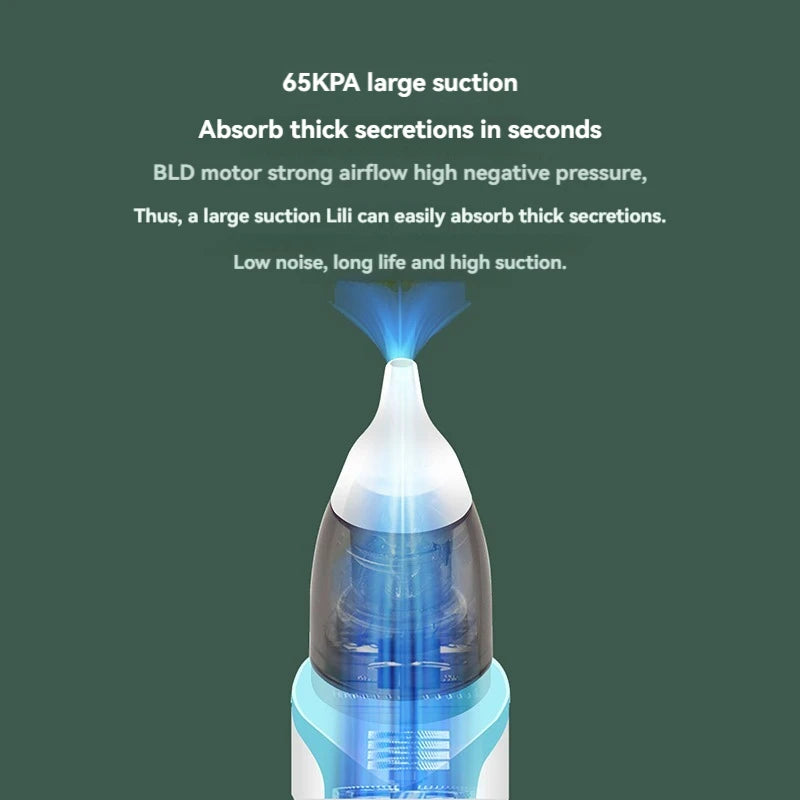
infant blocked nose treatment, portable nasal aspirator — See it in action
Want guidance on models and features? Browse the Baby Hygiene Gadgets collection and Monitoring Devices for tools that help track breathing and comfort.
Ready to try a portable solution proven by parents? Buy the Baby Electric Nasal Aspirator for an easy, hygienic way to help clear accessible nasal mucus.
Tags: newborn congestion relief, newborn congestion treatment, infant blocked nose treatment, portable nasal aspirator, baby breathing help, nasal care for infants, congestion solutions, baby health tips, parent-tested products
Related Articles:
- Soft Silicone Tip Safety Review: Why Gentle Suction Matters for Newborns
- Baby Nose Cleaning Method Review: Which Techniques Work Best for Daily Use
Pillar Articles:





