

Is a nasal aspirator safe for newborns?
Yes—when used correctly, a nasal aspirator is generally safe for newborns. The key to nasal aspirator safety for newborns is using gentle suction, a soft silicone tip, and proper technique rather than relying on the device alone. Applying saline drops before suctioning thick or dried mucus helps loosen secretions, reducing the need for repeated passes and lowering the risk of nasal irritation. Whether you choose a bulb, manual, or automatic nasal aspirator, avoid inserting the tip deeply and stop immediately if you notice bleeding, persistent discomfort, or significant resistance.
⏱ 9 min read
Soft Silicone Tip Safety Review: Why Gentle Suction Matters for Newborns
Clearing a newborn's blocked nose can feel stressful, especially when you're concerned about causing irritation. This guide explains how a soft silicone tip supports safer newborn nasal care, why gentle suction is more important than high suction power, and how to use a vacuum nasal aspirator or automatic nasal aspirator for effective infant stuffy nose relief . You'll also learn how soft tips compare with rigid designs and why proper technique remains the most important safety factor.
Explore safety-minded picks for everyday parent life and find tools that focus on comfort and low irritation.
What is soft silicone tip safety and why it matters?
Soft silicone tip safety refers to the flexible, medical-grade silicone nozzle that contacts your baby's nostril during suction. Unlike rigid plastic tips, soft silicone cushions the contact point, helping distribute pressure more evenly while creating a gentle seal at the entrance of the nostril. This design helps reduce friction against delicate newborn nasal tissue when used with light, controlled suction.
It's important to remember that the soft tip alone does not make an aspirator safe. Proper positioning, using saline when mucus is thick, limiting suction to short sessions, and avoiding deep insertion are equally important for minimizing irritation.
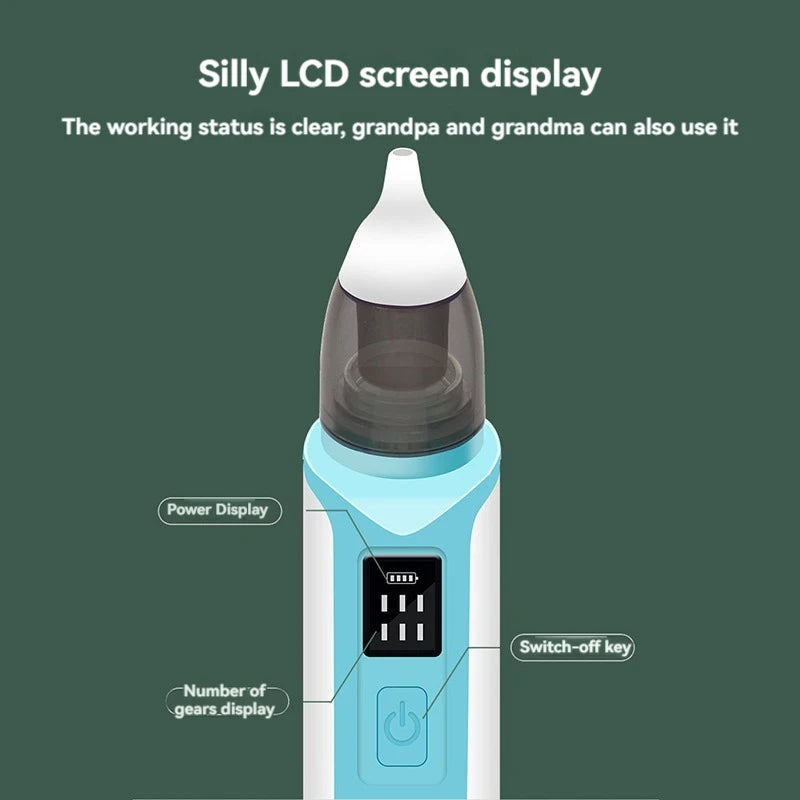
soft silicone tip safety + vacuum nasal aspirator - KentDO See it in action
How nasal aspirators work and why gentle suction matters
All nasal aspirators work by creating negative pressure that lifts mucus from the front of the nasal passage. The safest approach is always to use the lowest effective suction needed to remove mucus rather than attempting to clear the nose with maximum force.
How suction removes mucus
Bulb aspirators create suction as the bulb expands after being compressed. Manual oral-suction models allow parents to control suction using gentle inhalation through a filtered tube, while electric or automatic nasal aspirators generate consistent suction using a small motor. Regardless of the design, the goal is to clear mucus from the nostril opening—not deep inside the nasal passage.
Why newborn nasal tissue is delicate
A newborn's nasal lining contains tiny blood vessels that are easily irritated. Excessive suction, repeated passes, or inserting the tip too deeply can increase redness and discomfort. Using saline drops first, allowing mucus to soften, and choosing a soft silicone tip help reduce unnecessary pressure while maintaining effective mucus removal.
- Gentle suction can improve comfort during nasal care.
- Soft silicone tips help reduce friction at the nostril opening.
- Controlled suction often requires fewer repeated attempts.
- Proper technique supports easier feeding and more comfortable breathing during congestion.
Which baby gear suits your newborn best? Read on!
Bulb vs soft silicone tips: what's the difference?
| Feature | Soft silicone tip | Hard plastic / bulb tip |
|---|---|---|
| Contact with nostril | Flexible and cushioned | More rigid against delicate tissue |
| Comfort during suction | Better seal with gentle pressure | Seal varies depending on positioning |
| Risk of irritation | Lower when used correctly | Higher if excessive pressure is applied |
| Cleaning | Many removable tips are easy to wash and dry | Bulb interiors may require more careful cleaning |
Advantages of soft silicone tips
- Help cushion contact with sensitive newborn nasal tissue.
- Support controlled, gentle suction during repeated use.
- Often paired with adjustable electric or vacuum nasal aspirators for better suction control.
Things to keep in mind
- Soft tips should still remain only at the nostril entrance and should never be forced inside.
- Medical-grade silicone and smooth edges are preferable for frequent newborn use.
- Safe technique is more important than the type of aspirator being used.
How to use a nasal aspirator safely (step-by-step)
Correct technique is the most important part of nasal aspirator safety for newborns . Whether you use a bulb, manual oral-suction, or automatic nasal aspirator, gentle suction and proper positioning help clear mucus while minimizing irritation.
Step 1: Prepare your newborn and use saline if needed
Wash your hands thoroughly and ensure every removable component has been cleaned and dried. If mucus appears thick, sticky, or dried, place a few saline drops into each nostril and wait 30–60 seconds to soften the mucus before suctioning.
Step 2: Position the baby safely
Lay your baby on their back with the head slightly elevated or supported in a comfortable position. Keeping your newborn calm reduces sudden movements that can make suction less comfortable.
Step 3: Insert the tip only at the nostril opening
Place the soft silicone tip at or just inside the entrance of the nostril. Never force the tip deeper into the nasal passage. If you feel resistance, stop and reposition rather than pushing farther.
Step 4: Apply gentle suction
For an automatic nasal aspirator, begin with the lowest suction setting. Increase only if necessary to remove mucus. Bulb and manual aspirators should also use light, controlled suction rather than repeated forceful attempts. Limit each suction pass to only a few seconds before allowing your baby to rest.
Step 5: Stop if there is bleeding or distress
If your baby develops nosebleeds, persistent crying that does not settle, visible irritation, or breathing difficulty during suctioning, stop using the aspirator and consult your healthcare provider if symptoms continue.
- Wash your hands and assemble a clean, dry soft silicone tip.
- Use saline drops first if mucus is thick or difficult to remove.
- Position your baby comfortably with the head slightly elevated.
- Place the tip only at the nostril opening without inserting it deeply.
- Start with the lowest effective suction and increase only when necessary.
- Allow short pauses between passes and avoid repeated suction in the same nostril.
- Disassemble, wash, dry, and reassemble the device according to the manufacturer's instructions.
Get practical advice on picking devices that fit newborn anatomy and family routines.
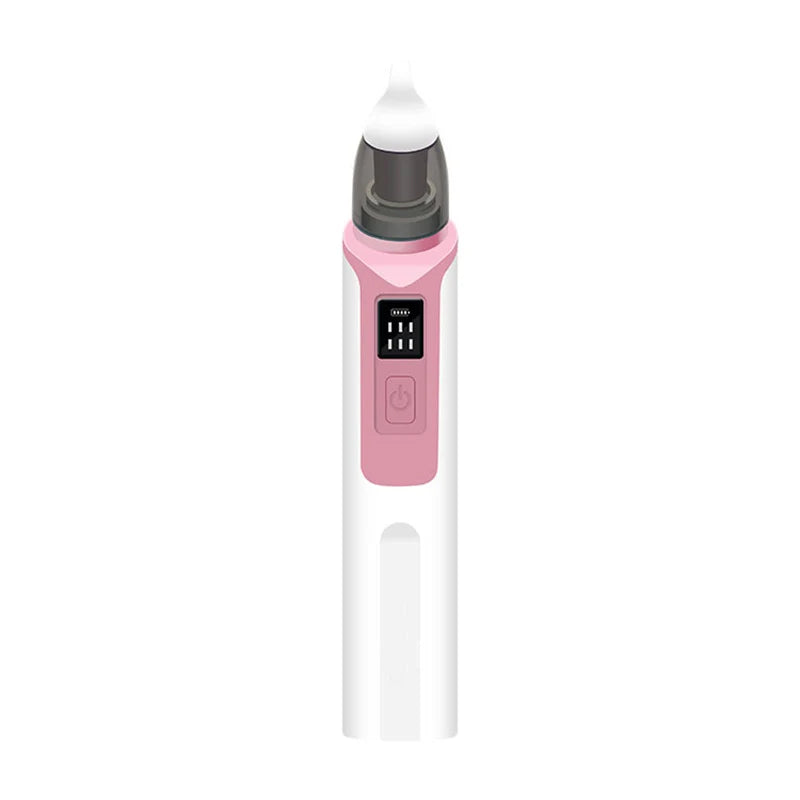
vacuum nasal aspirator + soft silicone tip - KentDO See it in action
If you're looking for an option with adjustable suction and soft medical-grade silicone tips, the baby electric nasal aspirator combines controlled suction with an easy-to-clean design for everyday newborn nasal care.
A soft silicone tip, appropriate suction strength, and careful technique work together to support comfortable nasal care whenever congestion occurs.
Frequently asked questions about nasal aspirator safety for newborns
-
Is a nasal aspirator safe for newborns?
Yes. A nasal aspirator is generally safe for newborns when it is used gently, fitted with a clean soft silicone tip, and positioned only at the entrance of the nostril. Proper technique, rather than the type of aspirator, has the greatest impact on reducing irritation.
-
How often can I use a nasal aspirator on my newborn?
Use a nasal aspirator only when congestion is interfering with breathing, feeding, or sleep. Saline drops can loosen mucus first, helping reduce the number of suction passes needed. Avoid frequent or prolonged suction sessions, as repeated irritation may inflame the delicate nasal lining.
-
Can a nasal aspirator cause bleeding or irritation?
It can if excessive suction is used, the tip is inserted too deeply, or suctioning is repeated too often. Stop immediately if you notice bleeding or persistent discomfort, and allow the nasal tissue to recover before attempting suction again.
-
Are electric nasal aspirators safe for newborns?
Yes, provided they offer adjustable suction and are used on the lowest effective setting. Soft silicone tips and short suction sessions help improve automatic nasal aspirator safety while minimizing pressure on sensitive nasal tissue.
-
Should I use saline before a nasal aspirator?
Yes. Saline is especially helpful when mucus is thick or dried. Waiting briefly after applying saline softens secretions, making them easier to remove with gentle suction.
-
How deep should I insert a nasal aspirator tip?
Only place the tip at or just inside the nostril opening. Never force it into the nasal passage. If resistance is felt, reposition the device rather than pushing farther.
-
What suction strength is safe for a newborn?
Always begin with the lowest effective suction setting. Increase only if mucus cannot be removed comfortably. Stronger suction does not necessarily improve results and may increase the chance of irritation.
-
When should I stop using a nasal aspirator and call a doctor?
Seek medical advice if your newborn develops persistent breathing difficulty, refuses feeds, becomes difficult to wake, has a fever appropriate for their age, experiences repeated nosebleeds, or congestion continues to worsen despite gentle home care.
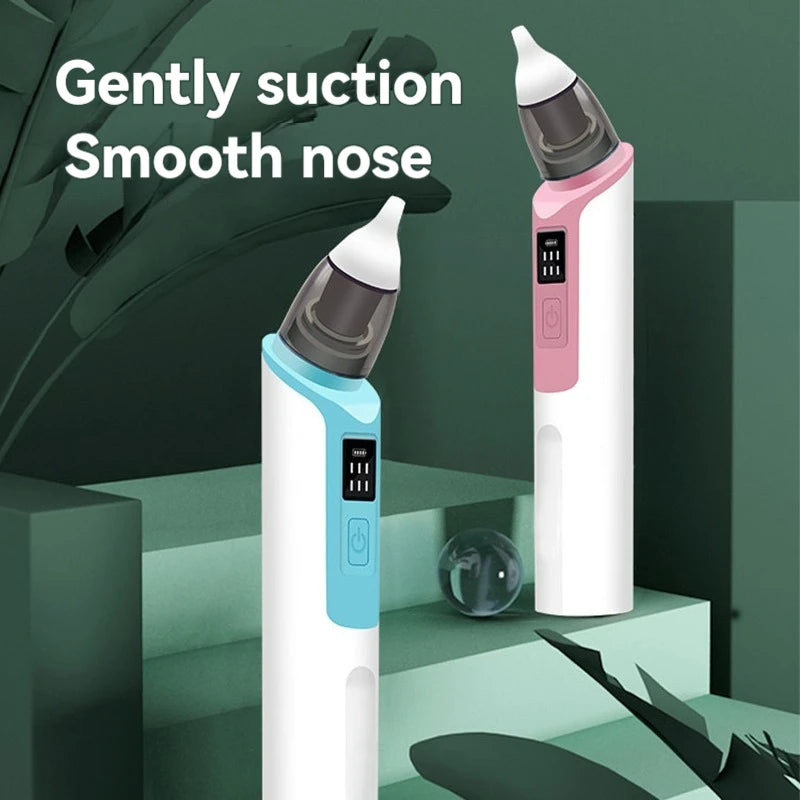
automatic nasal aspirator + soft silicone tip - KentDO See it in action
Final thoughts: safer newborn nasal suction
Safe newborn nasal care depends on combining gentle suction with proper technique. A soft silicone tip helps cushion delicate nasal tissue, but equally important are using saline when appropriate, limiting suction to short sessions, avoiding deep insertion, and keeping every component clean after each use. These simple practices help provide effective infant stuffy nose relief while reducing the likelihood of irritation.
Whether you choose a bulb, manual, or automatic nasal aspirator, remember that controlled suction and careful handling are more important than the device itself. If your newborn has persistent breathing difficulty, feeding problems, repeated bleeding, worsening congestion, or develops a fever, stop home treatment and contact your pediatrician promptly.
Quick newborn nasal aspirator safety checklist
- Wash your hands and ensure every aspirator component is clean before use.
- Apply saline drops first if mucus is thick, dry, or difficult to remove.
- Use a clean soft silicone nasal aspirator tip whenever possible.
- Keep the tip only at the entrance of the nostril—never force it deeper into the nasal passage.
- Begin with the lowest effective suction and increase only if necessary.
- Limit suction to short sessions and avoid repeated passes that may irritate delicate nasal tissue.
- Disassemble, wash, dry, and store the device according to the manufacturer's instructions after every use.
- Stop using the aspirator and seek medical advice if bleeding, persistent irritation, or breathing difficulty occurs.
Need more guidance? Browse related resources and product categories: Baby Care Essentials , Mom Essentials , Health & Safety .
Pillar Article: Newborn Congestion Relief Review: Real Parent Results and Brand Comparisons
Other Related Articles:
Explore More:





