
Baby Slipping in Hard Chairs? Tips for Safe Sitting at Home
If your baby is slipping in a hard chair , you're not alone. Many infants and young babies slide forward because smooth chair surfaces, limited trunk control, poor foot support, or an improperly adjusted seating position make it difficult to stay upright. While a soft cushioned baby seat for feeding or a baby balance training cushion can improve comfort and stability, they work best when combined with correct positioning and close adult supervision. This guide explains why babies slip, when it becomes a safety concern, and the practical steps that help create a more secure sitting experience at home.
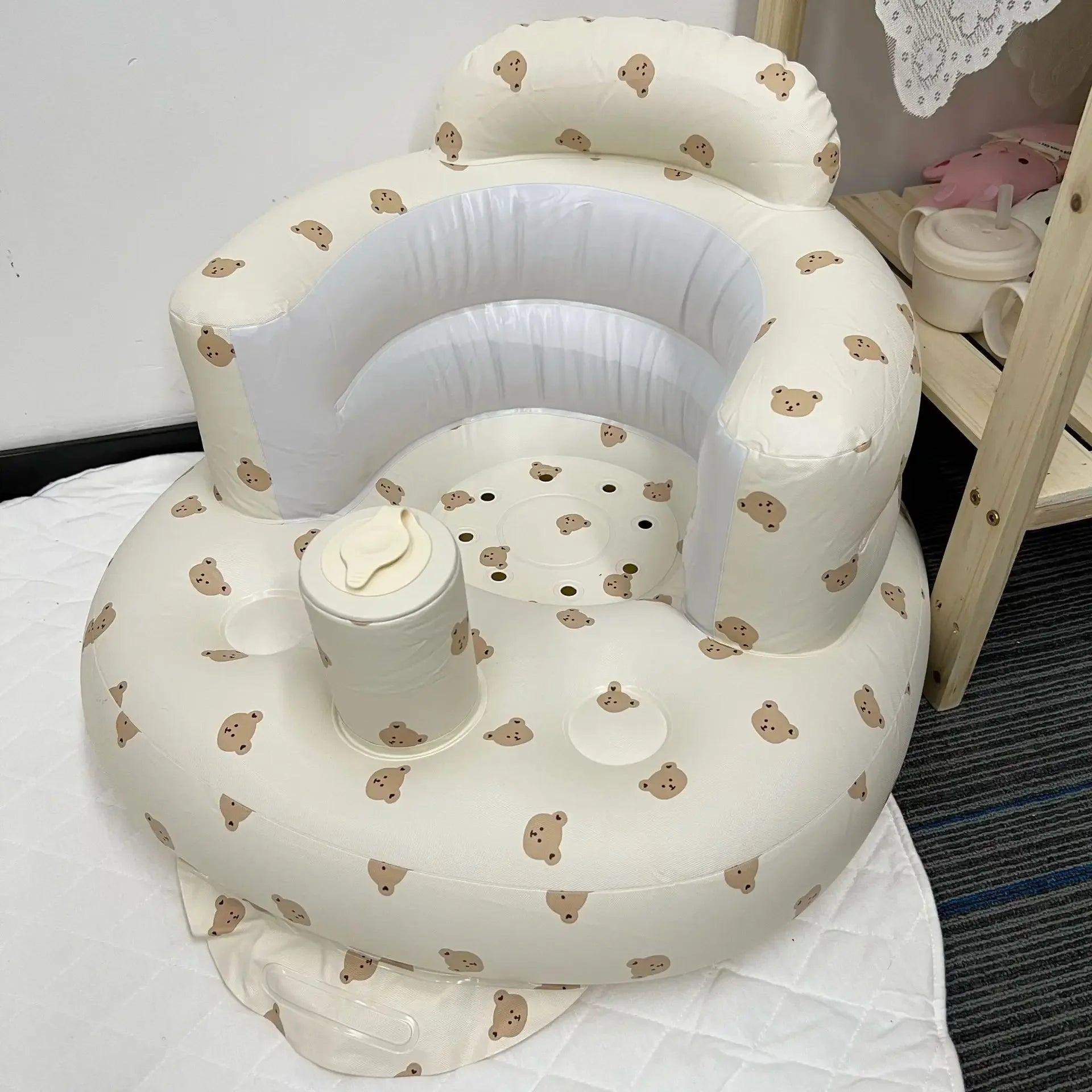
Soft cushioned baby seat for feeding + baby balance training cushion — See it in action.
Why babies slip in hard chairs
Babies naturally have a higher center of gravity than older children and are still developing the core strength needed to sit upright for extended periods. When they sit on smooth plastic or wooden chairs without enough hip, back, or foot support, gravity gradually pulls the pelvis forward. As the hips slide, the shoulders round and the entire body follows, increasing the likelihood of slipping.
In many cases, occasional sliding reflects normal motor development rather than a problem with the chair itself. However, repeated slipping can make feeding less comfortable, reduce stability, and encourage poor posture if left unaddressed.
Common contributors
- Smooth chair surfaces that provide very little friction.
- Limited trunk and core strength during early sitting development.
- Incorrect hip, knee, or foot positioning that shifts weight forward.
- Loose-fitting seating that lacks side or back support.
- Bulky clothing, slippery fabrics, or thick bibs that reduce grip.
Safety reminder: Babies should always be supervised while seated. If a chair includes a harness or restraint system, use it according to the manufacturer's instructions, and stop using any seating product that no longer provides a secure, stable fit.
Step-by-step: Set Up a Safe Seat
A secure seating setup often prevents slipping more effectively than simply adding extra padding. Before every meal or play session, take a few moments to check that the chair fits your baby's size, supports an upright posture, and allows the feet to rest against a stable surface whenever possible.
- Choose a stable seat. Select a soft cushioned baby seat for feeding or infant support chair with a wide, non-slip base and age-appropriate support.
- Secure the seat properly. If the product includes safety straps, fasten them according to the manufacturer's instructions. For compatible chairs, ensure the seat cannot shift during use.
- Position the hips correctly. Slide your baby fully back so the hips rest against the back support. Keeping the pelvis stable helps reduce forward sliding.
- Support the feet. Whenever possible, use a footrest or another stable surface that allows the feet to bear light pressure. Good foot support improves balance and sitting posture.
- Check alignment. Make sure your baby's shoulders remain centered, the back stays upright, and the head is comfortably aligned instead of leaning excessively forward.
- Stay within arm's reach. Continuous adult supervision remains essential, even when using supportive seating accessories.
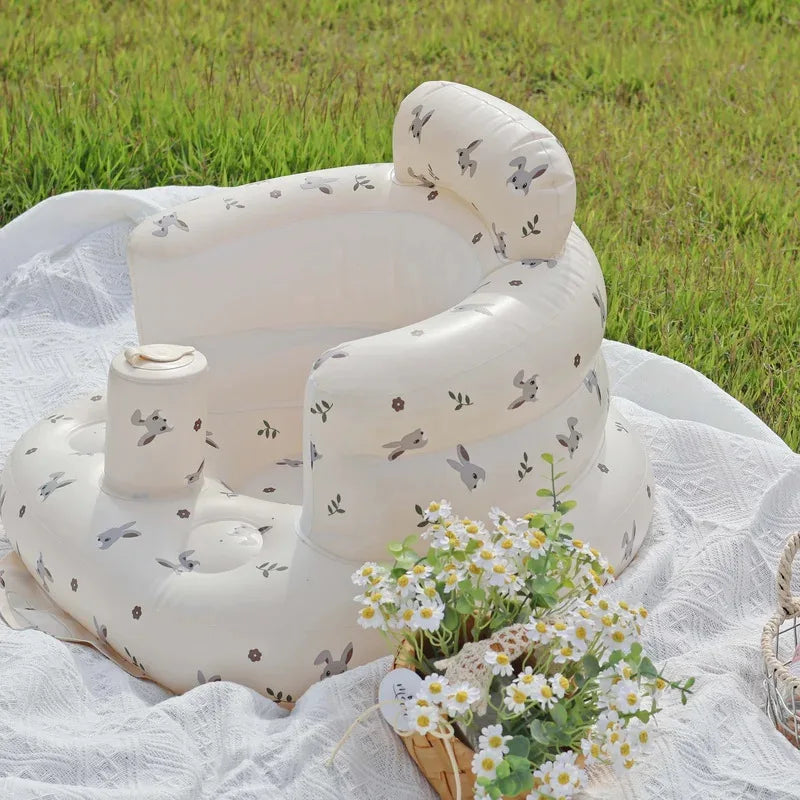
Infant support chair + baby balance training cushion — soft cushioned baby seat for feeding. See it in action.
Key safety reminders
- Choose seating that matches your baby's current height, weight, and developmental stage.
- Inspect straps, buckles, and non-slip surfaces regularly for signs of wear.
- Avoid stacking cushions or folded blankets underneath your baby unless specifically approved by the chair manufacturer.
- If your baby consistently slides despite proper adjustments, reassess the chair fit before purchasing additional accessories.
Balance & Posture Practice for Early Sitting
As your baby's sitting skills improve, short supervised activities can strengthen the muscles that help maintain an upright posture. These exercises are intended for babies who are developmentally ready for supported sitting and should always be performed under close adult supervision.
- Gentle core play: Sit your baby on your lap and provide steady support around the hips while gently rocking or bouncing to encourage trunk stability.
- Reaching activities: Place toys slightly to either side so your baby practices controlled weight shifts instead of leaning too far forward.
- Foot-supported sitting: Whenever possible, let your baby's feet rest against a stable surface to encourage balance and improve body awareness.
- Gradual progression: As trunk control develops, introduce short sessions using a baby balance training cushion while maintaining hands-on supervision.
Simple at-home routine
- Warm up (1 minute): Hold your baby upright while singing or gently swaying together.
- Supported sitting (2 minutes): Seat your baby in a soft cushioned baby seat for feeding and encourage reaching toward toys placed directly in front.
- Balance practice (1–2 minutes): Allow brief supervised sitting on a baby balance training cushion if developmentally appropriate.
- Cool down: Finish with cuddles and positive encouragement to build confidence.
Products, Cross-Sells, and Where to Look
Supportive seating can make everyday routines more comfortable when combined with proper positioning and supervision. If you're looking for a portable option for supervised use at home or while traveling, consider the product below along with other seating and mobility accessories.
- Baby inflatable sofa seat — a portable seating option designed for supervised sitting at home or on the go.
- Pair it with Mobility & Training products that encourage age-appropriate balance development.
- Browse Feeding Tools for accessories that can help create a more stable mealtime setup.
- Explore Baby Growth & Learning for additional activities that support healthy sitting milestones.

Infant support chair + feeding setup — helping reduce baby slipping in hard chairs. See it in action.
How to Spot a Well-Made Soft Seat
- A textured or non-slip base that stays stable on compatible chair surfaces.
- Supportive side bolsters that help keep the hips aligned without restricting natural movement.
- Durable, removable, and easy-to-clean materials for everyday use.
- A wide, stable base that minimizes tipping during supervised sitting.
- Safety straps or attachment features when designed for use with compatible seating systems.
Troubleshoot the Cause Before Buying Accessories
If your baby continues sliding despite using a supportive seat, it's worth identifying the underlying cause before purchasing additional accessories. In many cases, a simple adjustment solves the problem more effectively than adding extra padding.
Chair is too large
A chair designed for an older child may leave too much room around the hips and back, allowing your baby to slide forward. Verify that the seat matches your baby's recommended height and weight range, and use only manufacturer-approved inserts if additional support is needed.
Seat is too slippery
Smooth plastic surfaces and slippery clothing can reduce friction. Choose seating with a textured surface or non-slip base rather than layering loose cushions that may interfere with the chair's safety features.
Baby lacks trunk control
Young babies naturally develop sitting balance over time. If your baby cannot maintain an upright posture even with proper support, continue supervised practice sessions and follow age-appropriate developmental milestones instead of expecting prolonged independent sitting.
Harness or insert no longer fits
As babies grow, harness straps and seat inserts may become too loose or too tight. Inspect them regularly and replace worn or damaged components with manufacturer-approved parts to maintain proper positioning.
Frequently Asked Questions
Why does my baby slide down in a high chair?
Babies often slide because of limited trunk strength, an oversized chair, inadequate foot support, slippery seating surfaces, or an improperly adjusted harness. Correct positioning usually improves stability.
How do I stop my baby from slipping in a high chair?
Seat your baby fully back against the chair, adjust the harness according to the manufacturer's instructions, support the feet when possible, and make sure the chair is appropriate for your baby's size and developmental stage.
Should my baby's feet rest on a footrest?
Yes. Stable foot support can improve posture, reduce forward sliding, and help many babies sit more comfortably during meals.
Are anti-slip seat cushions safe for high chairs?
Only use cushions or inserts that are specifically approved by the chair manufacturer. Unapproved accessories may affect harness fit or reduce the chair's intended safety performance.
Can bulky clothes make my baby slide forward?
Yes. Thick coats, puffy outfits, and slippery fabrics can reduce stability and create extra space between your baby and the harness.
When is my baby too small or too big for a high chair?
Follow the manufacturer's height, weight, and developmental recommendations. If the harness cannot be adjusted correctly or your baby no longer fits comfortably, it may be time to transition to the next appropriate seating option.
Should babies recline while eating in a high chair?
For babies who are developmentally ready for solid foods, an upright position is generally preferred for feeding. Follow your high chair manufacturer's instructions and your pediatrician's guidance for your child's stage of development.
When should I replace the high chair insert or harness?
Replace worn, damaged, or poorly fitting components with manufacturer-approved replacement parts whenever they no longer provide secure support.
Key Takeaways and Daily Safety Checklist
Reducing baby slipping in hard chairs starts with choosing an appropriately sized seat, positioning your baby correctly, supporting the feet, and using safety restraints exactly as instructed by the manufacturer. Accessories can improve comfort, but they should never replace proper chair fit, secure harness use, or active supervision.
Before every meal
- Confirm the chair is stable and positioned on a level surface.
- Seat your baby fully back with the hips against the backrest.
- Adjust the harness so it fits snugly without restricting movement.
- Ensure the feet have stable support whenever possible.
- Inspect straps, buckles, and seat components for wear or damage.
- Stay within arm's reach throughout the meal.
Still worried? Quick checklist before each mealtime
- Seat securely positioned and appropriate for your baby's size.
- Baby's hips fully against the seat back.
- Harness fastened and adjusted correctly.
- Feet supported whenever possible.
- Adult supervision maintained throughout feeding.
Pillar Article: How to Support Early Sitting: Step-by-Step Baby Seat Guide
Other Related Articles:
- Cozy Baby Learning Chair Setup: Maximize Comfort and Balance
- Guide to Safe Baby Seating: Tips for Comfortable Sitting
Explore More:





