
Guide to Safe Baby Seating: Tips for Comfortable Sitting
⏱ 8 min read
Does a guide to safe baby seating really help parents keep babies comfortable and safe?
Yes. A practical guide to safe baby seating helps parents understand proper infant seat position, recognize when babies are developmentally ready for supported sitting, and avoid common positioning mistakes that can lead to slumping or discomfort. Safe, supervised seating combined with plenty of floor play supports healthy posture, core strength, and age-appropriate motor development.
Learning to sit is one of your baby's biggest developmental milestones, but it doesn't happen overnight. Many parents wonder when babies can sit up safely, how much support they need, and whether infant play seats or infant cushion chairs are appropriate. This guide explains the difference between supported sitting and independent sitting, shares practical positioning tips, and highlights simple habits that encourage healthy development while keeping your little one comfortable and safe.
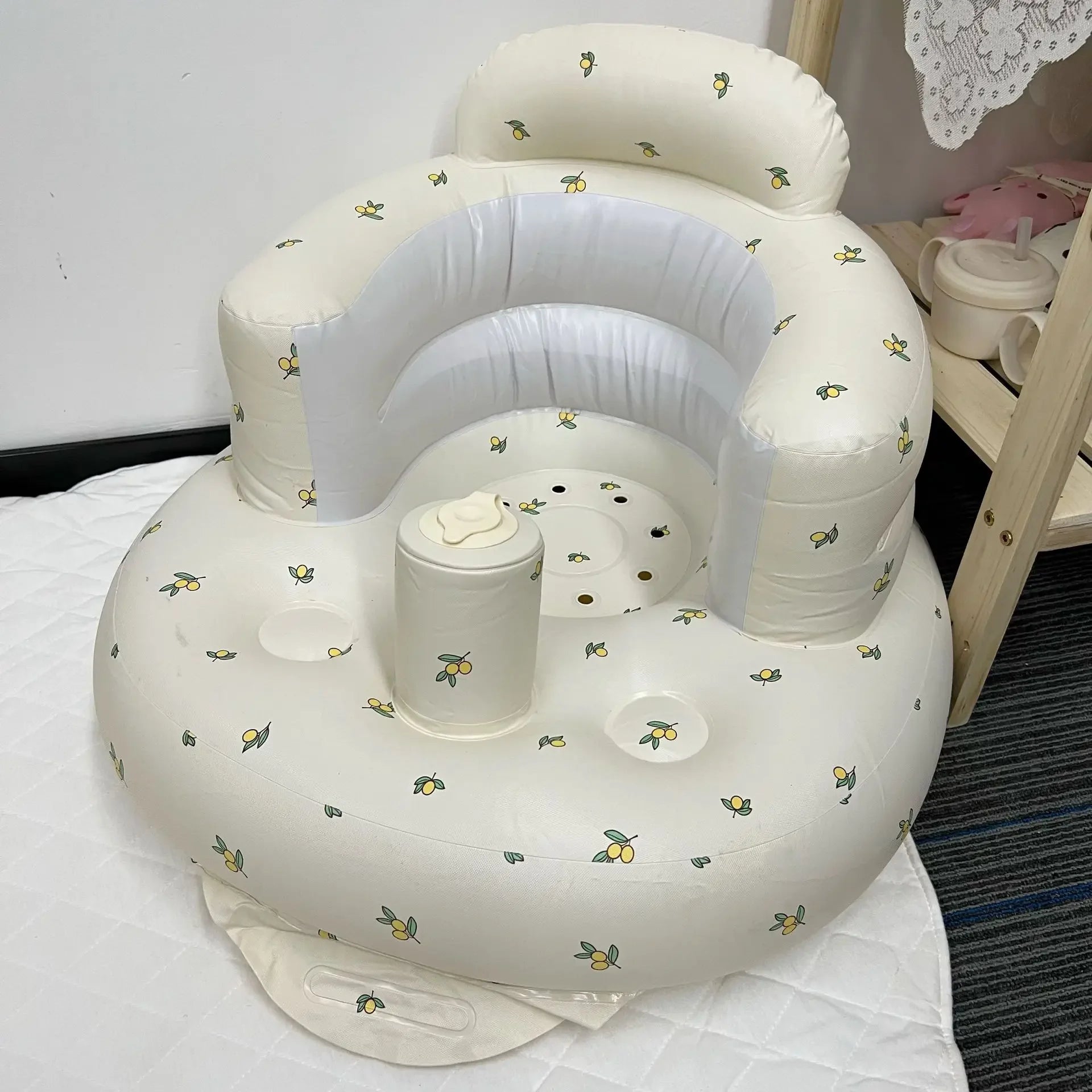
guide to safe baby seating, infant play seat, infant cushion chair — See it in action
Why safe seating matters for early development
Safe seating supports far more than comfort. As babies develop head control, trunk stability, and balance, proper positioning helps them breathe comfortably, interact with caregivers, reach for toys, and gradually strengthen the muscles needed for independent sitting. Good posture also reduces unnecessary slumping that may make babies tired or fussy during short supervised play sessions.
It's important to remember that seating should support natural development—not replace it. Babies build sitting skills through tummy time, rolling, reaching, and floor play, while supportive seating simply provides brief opportunities to practice upright positioning when they are developmentally ready.
Quick solution: simple adjustments you can make today
- Use supportive seating only for short, supervised sessions appropriate for your baby's developmental stage.
- Keep your baby's head in a neutral position with the chin off the chest to promote comfortable breathing.
- Support the lower back if needed while allowing the shoulders and arms to move freely for reaching and play.
- Position the hips comfortably with knees slightly lower than the hips to encourage a stable sitting posture.
- Balance seated practice with plenty of tummy time and unrestricted floor movement throughout the day.
Support sitting development the safe way
Rather than focusing on selecting a specific seat, concentrate on helping your baby develop the strength and coordination needed for sitting. Every child reaches milestones at their own pace, and gentle practice is more beneficial than trying to accelerate development with supportive devices.
- Provide daily tummy time to strengthen the neck, shoulders, back, and core muscles.
- Allow supervised floor play where your baby can roll, pivot, and reach naturally.
- Offer supported sitting only when your baby shows improving head and neck control and remains comfortable.
- Watch for signs of fatigue such as slumping or leaning heavily, then return your baby to active floor play or another position.
Proper infant seat position: step-by-step
Direct answer: A safe infant seat position keeps your baby's head aligned with the spine, shoulders relaxed, hips slightly higher than the back of the seat, and legs free to move naturally. The goal is to support posture without restricting movement. Always supervise sitting practice, watch for signs of slumping, and reposition your baby if they appear tired or uncomfortable.
How to position your baby safely
- Place your baby in the center of the seat with the hips fully against the back for even support.
- Check that the head stays in a neutral position with the chin lifted away from the chest to help maintain an open airway.
- Allow the hips and knees to rest comfortably in a natural position. If the seat is too deep, use only the manufacturer's recommended inserts rather than bulky homemade padding.
- If a harness is included, fasten it snugly while leaving enough room to fit two fingers comfortably beneath the straps. Your baby's arms should remain free for reaching and play.
During every sitting session, observe your baby's posture. If they begin leaning heavily to one side, sliding forward, or showing signs of fatigue, end the session and allow time for floor play, tummy time, or another position that encourages natural movement.
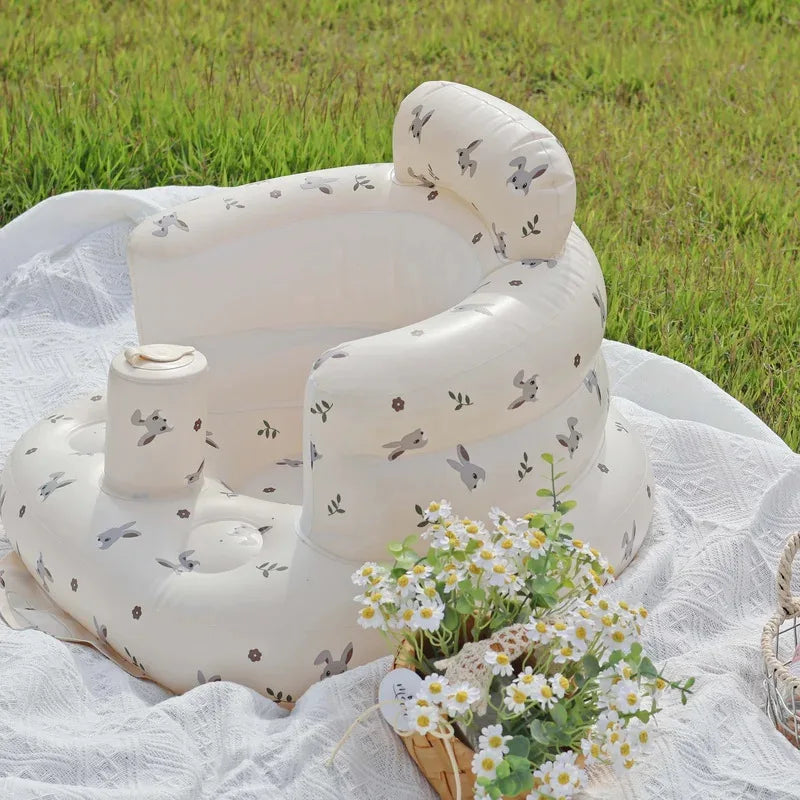
infant play seat, infant seat position — See it in action
Common mistakes parents make (and how to fix them)
-
Mistake:
Keeping a baby seated for extended periods.
Fix: Limit sitting to short, supervised sessions and balance them with tummy time, rolling, and active floor play to encourage healthy motor development. -
Mistake:
Allowing the baby's chin to rest against the chest.
Fix: Reposition your baby so the head remains upright and the airway stays open. If good positioning cannot be maintained, end the session. -
Mistake:
Placing seats on elevated surfaces such as sofas, beds, tables, or countertops.
Fix: Always use infant seats directly on the floor to reduce fall risks. -
Mistake:
Depending on padding to improve posture.
Fix: Avoid excessive cushions behind the head or body. Proper support should come from correct positioning and an appropriately designed seat. -
Mistake:
Assuming harnesses replace supervision.
Fix: Stay within arm's reach during every sitting session, even when safety straps are secured correctly.
Everyday uses: feeding, play, and short supervised rest
Supportive seating can make everyday routines more comfortable when used appropriately. Whether your baby is interacting with toys, practicing upright posture, or preparing for mealtime, sessions should remain brief, supervised, and suited to your child's developmental abilities. Remember that infant seats are not designed for routine sleep or prolonged containment.
Practical scenarios
- Introducing solid foods: Once your baby is developmentally ready for solids, ensure they can remain comfortably upright with good head control before feeding.
- Interactive play: Place age-appropriate toys within easy reach to encourage reaching, turning, and balance while allowing plenty of opportunities to return to unrestricted floor play.
- After outings: If your baby enjoys a few minutes of supervised sitting after travel, transfer them to a safe flat sleep surface if they become sleepy instead of allowing them to nap in the seat.
Baby sitting safety: key features that support healthy positioning
Instead of focusing on a particular seat style, look for features that encourage safe positioning and support your baby's natural movement. A well-designed seat should provide stability without forcing your baby into an upright position before they are developmentally ready.
- Stable base: A wide, non-slip base helps keep the seat steady when used on a flat floor.
- Supportive shape: The seat should encourage a neutral spine and upright head position without excessive padding.
- Breathable materials: Airflow helps reduce heat buildup and keeps babies comfortable during short supervised sessions.
- Easy-to-clean fabrics: Removable, washable covers simplify cleanup after feeding or play.
- Properly fitted harness: If included, the harness should help maintain positioning without restricting natural arm and leg movement.
Why supportive materials matter
Firm, supportive materials generally maintain posture better than overly soft surfaces that allow babies to sink or slump. At the same time, fabrics should remain comfortable, breathable, and gentle against delicate skin. Regardless of the material, no seat should replace active floor play, tummy time, or caregiver interaction.
Visual guides & essential safety checklist
Quick baby sitting safety checklist
- Always place infant seats on a firm, level floor.
- Wait until your baby has adequate head and neck control before practicing supported sitting.
- Keep the head in a neutral position with the airway clear.
- Check that your baby is not slumping, leaning heavily, or sliding forward.
- Use any harness according to the manufacturer's instructions without overtightening.
- Limit sessions to short, supervised periods and return to active floor play throughout the day.
- Never allow a baby to sleep in a floor seat or sitting device unless specifically designed and approved for safe sleep.
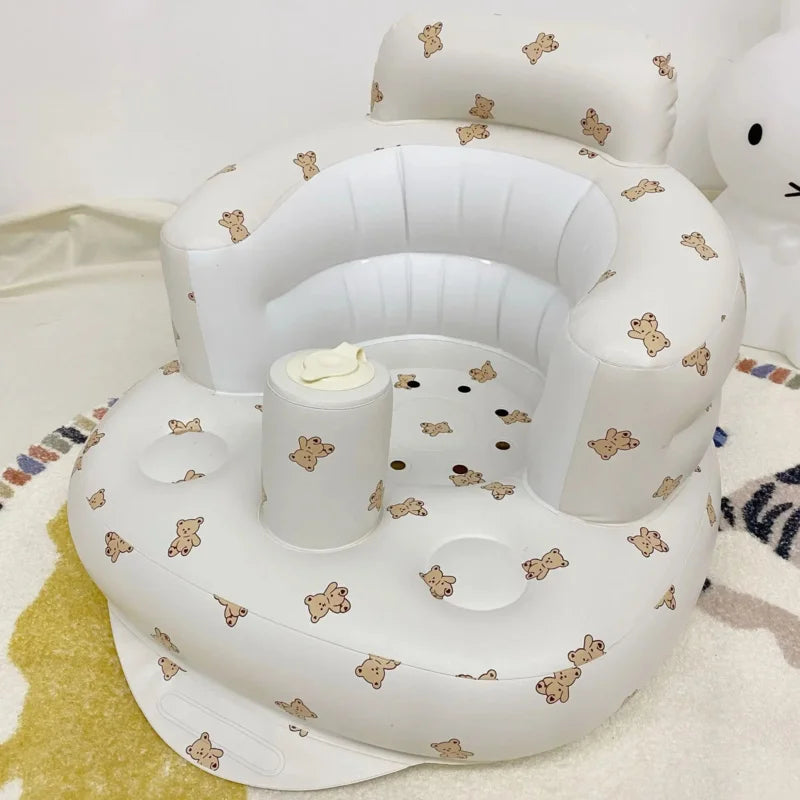
infant cushion chair, infant seat position — See it in action
Frequently Asked Questions About Baby Sitting
- 1. When can my baby sit in a play seat?
- Most babies can begin short, supervised sitting sessions once they have good head and neck control, often around 3 to 4 months. Supported sitting is different from sitting independently, which commonly develops closer to 6 to 9 months. Always follow the manufacturer's age recommendations and supervise your baby at all times.
- 2. Are harnesses safe in infant seats?
- Yes, when used correctly. A harness helps keep your baby positioned safely but should never replace active supervision. Adjust the straps so they are snug without restricting movement, and always use the seat on the floor rather than elevated surfaces.
- 3. Can seating help with reflux?
- Some babies with mild reflux may appear more comfortable during short periods of supervised upright positioning after feeding. However, babies should always be placed on a flat, firm sleep surface for naps and nighttime sleep. Speak with your pediatrician if reflux symptoms are frequent or severe.
Final tips: make seating part of a healthy routine
Healthy sitting skills develop through regular movement, practice, and patience. Short periods of supported sitting can complement tummy time, rolling, reaching, and floor play, but they should never replace opportunities for babies to explore movement independently. As your baby's balance and core strength improve, you'll notice longer periods of comfortable, supported sitting before independent sitting naturally develops.
- Follow your baby's cues: End sitting practice if your baby becomes tired, slumps forward, or seems uncomfortable.
- Encourage active movement: Combine sitting practice with tummy time and free floor play to strengthen the muscles needed for future milestones.
- Support, don't rush: Infant seats are tools for brief supervised practice, not a way to speed up normal development.
Evidence-based guidance for parents
Every baby reaches sitting milestones at a slightly different pace. Consistent opportunities for supervised floor play, tummy time, and supported sitting when developmentally appropriate help build the strength and coordination needed for independent sitting. If your baby consistently struggles with head control, cannot tolerate supported sitting after the expected developmental window, or loses skills they previously mastered, seek advice from your pediatrician or another qualified healthcare professional for individualized guidance.
One last reminder
Safe baby seating should always support—not replace—your baby's natural development. Short, supervised sitting sessions combined with tummy time, floor play, and everyday movement help build the strength, balance, and coordination needed for independent sitting. As your baby grows, continue to adjust support based on their developmental stage and consult your pediatrician if you have concerns about sitting milestones or muscle development.
To continue learning about healthy development and everyday baby care, explore resources like Baby Growth & Learning and Sleep & Comfort .
FAQ (quick)
Q:
When can babies sit up on their own?
A:
Many babies begin sitting independently between 6 and 9 months, although healthy development varies from child to child.
Q:
When do babies usually sit without support?
A:
Most infants gradually progress from supported sitting to brief independent sitting before mastering longer periods of balance during the second half of their first year.
Q:
How can I help my baby learn to sit up?
A:
Encourage daily tummy time, supervised floor play, reaching for toys, and short supported sitting sessions appropriate for your baby's developmental stage.
Q:
Is it safe to sit a baby up before they can do it themselves?
A:
Yes, for brief supervised practice when your baby has good head control. Avoid forcing babies into upright positions or keeping them seated for extended periods.
Q:
What are the signs my baby is ready to sit?
A:
Stronger head control, improved trunk stability, pushing up during tummy time, and attempting to balance while supported are common signs of readiness.
Q:
Are floor seats safe for infants?
A:
Floor seats can be used safely when they are placed on a flat surface, used according to manufacturer instructions, and never replace active supervision or floor play.
Q:
When should I worry if my baby is not sitting up?
A:
If your baby shows little progress toward sitting by around 9 months, loses previously acquired skills, or you have concerns about overall development, discuss them with your pediatrician.
Pillar Article: How to Support Early Sitting: Step-by-Step Baby Seat Guide
Other Related Articles:
- Baby Slipping in Hard Chairs? Tips for Safe Sitting at Home
- Cozy Baby Learning Chair Setup: Maximize Comfort and Balance
Explore More:





