
Cozy Baby Learning Chair Setup: A Safe Guide to Comfort, Support & Sitting Practice
⏱ 7 min read
Does a baby learning chair really help with sitting and balance?
A cozy baby learning chair can provide a supportive space for supervised sitting practice, but its effectiveness depends on the chair type, your baby’s developmental readiness, and correct setup. A properly fitted baby learning chair setup may help create a stable environment for play, reaching, and practicing upright posture, but it does not replace tummy time, floor play, or natural movement development.
Many parents wonder how to help baby sit up comfortably without rushing milestones. Choosing the right baby development seating aid and setting it up correctly can make sitting practice more comfortable and predictable. This guide explains how to choose, position, adjust, and safely use a cozy baby learning chair, baby sitting support cushion, or infant sitting pillow for supervised activities.
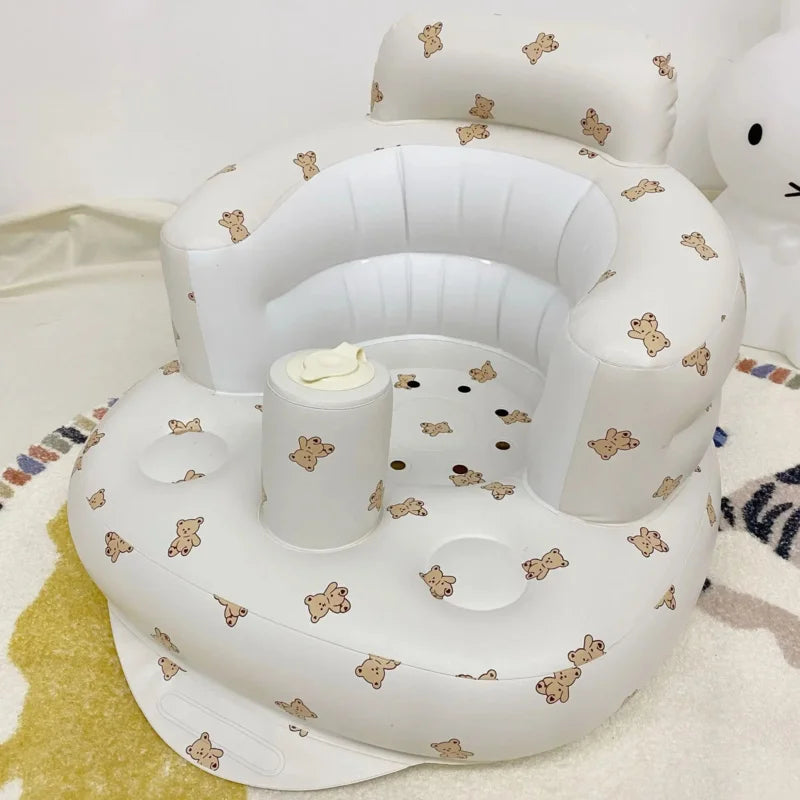
cozy baby learning chair + gentle support baby cushion — See it in action.
Does a baby learning chair support sitting practice?
A cozy baby learning chair provides a structured seating environment for supervised activities. The purpose is to support comfortable positioning while babies interact with toys, caregivers, and their surroundings.
The benefits depend on choosing a chair that matches your baby’s stage. A baby floor seat support or sitting cushion may help provide stability during supported practice, while an activity chair or convertible high chair serves different purposes.
- Supports comfortable seated play when used correctly.
- Provides a stable base for reaching and interacting.
- Helps caregivers create predictable supervised practice sessions.
- Encourages exploration without forcing independent sitting.
Choose the right baby learning chair type before setup
Interactive learning or activity chair
An interactive learning chair combines seating with activities, toys, or trays. Setup usually focuses on securing components, adjusting the seat position, and placing activities within comfortable reach.
Infant floor seat or sitting support cushion
A baby floor seat support or baby sitting support cushion is designed for supervised sitting practice. These options can provide extra support around the hips and body while babies learn balance.
An infant sitting pillow should be used only as intended. It should support comfort and positioning rather than hold a baby in a sitting position before they are developmentally ready.
Convertible high chair
A convertible high chair is mainly designed for feeding routines. These chairs typically include features such as trays, harnesses, and adjustable footrests, requiring a different setup approach from play-focused learning chairs.
Quick baby learning chair setup checklist
Before every use, complete this baby learning chair setup checklist:
- Read the manufacturer instructions and confirm all parts are installed correctly.
- Check locks, buckles, straps, and attachment points.
- Place the chair on a stable, level surface.
- Confirm seat height, back support, harness, tray, and footrest positions.
- Test the chair’s stability before placing your baby inside.
How to set up your baby learning chair step by step
A correct setup creates a safer and more comfortable sitting environment.
-
Assemble and lock every component.
Secure all parts according to the instructions. Loose components may affect stability and comfort.
-
Position the seat and back support.
Adjust the chair so your baby’s back and hips are supported while allowing natural movement. A baby posture support chair should feel supportive without forcing a rigid position.
-
Adjust the harness and straps.
Secure the harness correctly so your baby stays safely positioned. Avoid loose straps that allow excessive sliding or overly tight adjustments that restrict movement.
-
Set the footrest and tray.
If included, adjust the footrest and tray so your baby can sit comfortably with appropriate leg support and easy access to activities.
-
Place activities within easy reach.
Position toys slightly forward to encourage reaching and interaction without encouraging excessive leaning.
Check age and developmental readiness before use
Signs baby is ready for supported sitting
- Baby has steady head control.
- Baby can maintain a supported upright position comfortably.
- Baby shows interest in looking around, reaching, and interacting.
When independent sitting matters
A seating aid should complement development rather than replace movement practice. Floor play and tummy time remain important for building strength and coordination.
When to stop using extra sitting support
Adjust or transition away from support when your baby outgrows the chair, appears uncomfortable, or needs more freedom to move naturally.
How to know the setup is right for your baby
Signs of good posture and support
- Head and trunk remain comfortably aligned.
- Hips and legs have balanced support.
- Baby can reach and interact without excessive leaning.
- Baby appears comfortable throughout the session.
Signs the seat needs adjustment
- Frequent slumping or sliding.
- Baby leans heavily to one side.
- Straps or cushions interfere with movement.
- Baby appears frustrated or uncomfortable.
Comfort-first positioning for sitting practice
A comfortable setup starts with stable positioning, not excessive cushioning. The goal is to support your baby while allowing natural movement.
Practical setup for small spaces
Place the chair in a clear floor area where you can supervise easily. Keep toys nearby and create a simple activity zone for short practice sessions.
How to use support cushions safely
A baby sitting support cushion or baby sitting practice cushion may improve comfort during supervised use. Avoid adding loose pillows or accessories that change the intended fit of the chair.
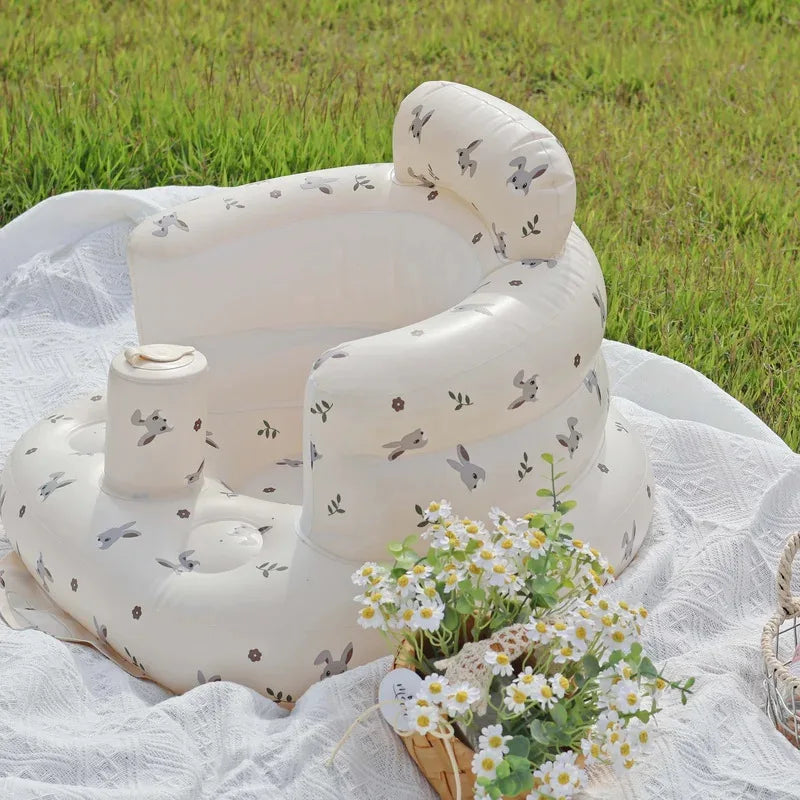
gentle support baby cushion + infant sitting pillow setup — See it in action.
What to adjust as your baby grows
Seat and harness adjustments
Recheck the seat position and harness regularly. Babies grow quickly, and small adjustments can improve comfort and fit.
Footrest and tray changes
If your chair includes adjustable features, update the footrest and tray as your baby’s legs and sitting posture change.
When to transition to a different chair
Consider a different seating option when your baby’s size, feeding needs, or developmental stage changes.
Quick safety checklist before every session
- Inspect straps, buckles, locks, and attachment points.
- Use the chair only on its intended stable surface.
- Keep baby within direct supervision.
- Follow manufacturer age, weight, and usage limits.
- Never use seating equipment for unsupervised sleep.
Common baby learning chair setup mistakes to avoid
Using the chair before baby is ready
A chair cannot replace developmental readiness. Wait until your baby shows appropriate control and follow product recommendations.
Leaving straps loose or incorrectly positioned
Incorrect strap adjustment may affect safety and comfort. Always check the fit before use.
Adding unsafe cushions or accessories
Extra cushions may change positioning. Use only accessories designed for your specific chair.
Placing the chair on an unstable surface
A stable floor surface is essential. Avoid unsafe elevated locations unless specifically designed for that purpose.
Daily sitting practice ideas for babies
Short supervised practice sessions
Keep sessions brief and focus on comfortable exploration rather than forcing milestones.
Simple reach-and-play activities
- Place safe toys slightly forward.
- Use songs and interaction to encourage engagement.
- Practice reaching and turning during supervised play.
When to pause or stop
Stop the session if your baby becomes tired, uncomfortable, or unable to maintain a safe position.
Compare baby sitting support options
| Option | Best for | Setup focus | Limitations |
|---|---|---|---|
| Baby floor seat support | Supported sitting practice | Stable placement and proper fit | Requires readiness and supervision |
| Cozy baby learning chair | Interactive play activities | Seat, harness, and activity positioning | Does not replace floor movement |
| Convertible high chair | Feeding routines | Tray, harness, and footrest adjustment | Designed mainly for meals |
Quick verdict
The best choice depends on your baby’s needs. A learning chair supports supervised activities, while floor seats and feeding chairs serve different purposes.
Related support items that help at home
Explore these resources for additional baby development and safety guidance:
- Baby Growth & Learning — activities and tools that support early development.
- Sleep & Comfort — comfort products for daily routines.
- Mobility & Training — resources for movement stages.
For portable supervised seating support, consider the Baby Inflatable Sofa Seat .
Frequently asked questions about baby learning chair setup
When can a baby use a learning chair?
A baby can use a learning chair when they meet the product’s readiness requirements, including appropriate head and trunk control.
How do I know if my baby is ready to sit?
Look for signs such as steady head control, interest in upright play, and comfortable supported sitting.
How should I adjust the harness?
Adjust the harness according to manufacturer instructions so it supports your baby without restricting comfortable movement.
Should a baby learning chair have a footrest?
A footrest can improve comfort and support when correctly adjusted, especially on chairs designed for longer-term use.
Can a baby sleep in a learning chair?
No. Learning chairs are not designed for unsupervised sleep.
How long should a baby sit in a learning chair?
Use short supervised sessions based on your baby’s comfort and the manufacturer’s recommendations.
Final baby learning chair setup checklist
- Confirm the chair type matches your baby’s developmental stage.
- Verify stable placement and secure components.
- Check posture, harness, footrest, and tray fit.
- Supervise every session.
- Adjust the setup as your baby grows.
Ready to try it? Create a comfortable supervised sitting routine with the Baby Inflatable Sofa Seat and choose support options that match your baby’s readiness.
Frequently asked questions
When can a baby use a learning chair?
A baby can use a learning chair when they meet readiness requirements and the chair instructions allow use.
How should I secure my baby in a learning chair?
Secure the harness according to manufacturer instructions and check the fit before every session.
Can a baby learning chair replace tummy time?
No. A learning chair complements floor play but does not replace tummy time or natural movement practice.
Pillar Article: How to Support Early Sitting: Step-by-Step Baby Seat Guide
Other Related Articles:
- Baby Slipping in Hard Chairs? Tips for Safe Sitting at Home
- Guide to Safe Baby Seating: Tips for Comfortable Sitting
Explore More:





