

Do sensory bath activities for kids really help calm children before bed?
Yes. Sensory bath activities for kids combine warm water, gentle movement, soothing textures, and simple sensory play in the bath to create a calming, engaging experience. These activities can help children regulate their emotions, practice early developmental skills, and transition more smoothly into a bath time routine for better sleep. While every child responds differently, consistent routines and age-appropriate bath sensory toys often encourage relaxation, focus, and positive parent-child interaction.
⏱ 8 min read
Bath Time Sensory Play Ideas Kids Love for Calming Nights
Bath time can be much more than a daily hygiene routine. With thoughtfully chosen bath time sensory play ideas, parents can transform everyday baths into opportunities for sensory exploration, language development, fine motor practice, and emotional regulation. Whether you're looking for infant water play ideas, calming sensory experiences, or simple DIY water play ideas, this guide shows practical ways to make bath time enjoyable, safe, and developmentally meaningful.
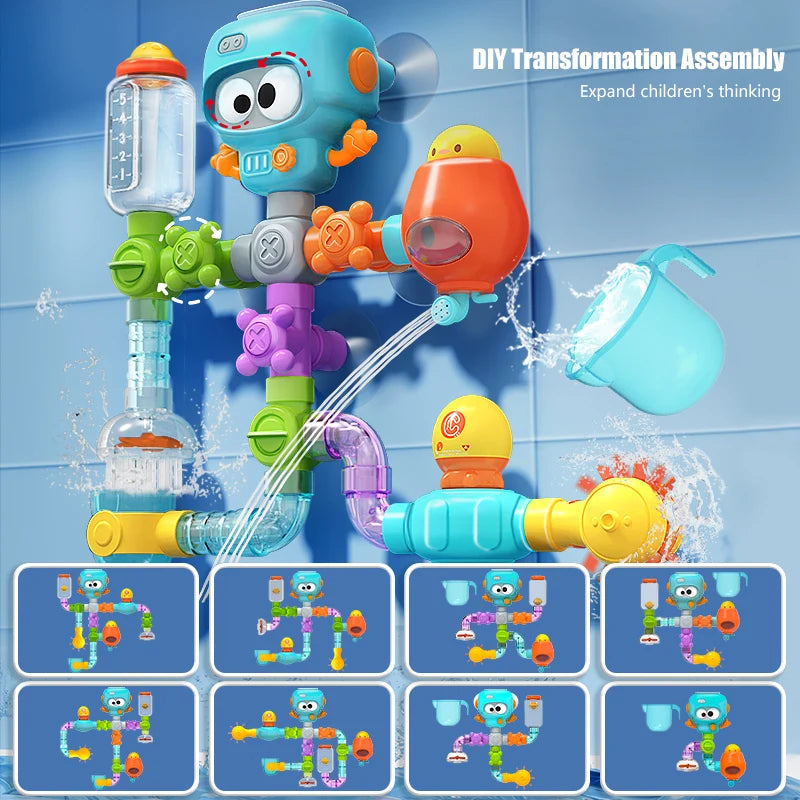
bath time sensory play, infant water play ideas — See it in action.
Why sensory bath activities support child development
Sensory play in the bath offers a combination of warm water, movement, touch, and visual exploration that supports children's physical, cognitive, and emotional development. Unlike highly stimulating play sessions, bath-based sensory activities typically involve slower, repetitive actions that encourage concentration while allowing children to explore at their own pace.
Sensory processing and emotional regulation
Warm water provides gentle tactile input that many children find comforting. Pairing this with predictable activities such as pouring, scooping, or tracing bubbles can help children organize sensory information more effectively. Consistent routines also give young children a sense of security because they know what to expect each evening.
For many families, these baby bath sensory activities become a valuable opportunity to reduce overstimulation after busy days while strengthening parent-child connection through conversation, songs, and shared play.
Fine motor, language, and creativity benefits
Bath sensory experiences encourage children to squeeze sponges, grasp cups, pour water, stack floating toys, and explore different textures. These simple movements strengthen hand coordination and fine motor control while naturally introducing early concepts such as colors, counting, cause and effect, and descriptive vocabulary.
From infancy through the preschool years, relaxing bath activities for children can support developmental milestones while making daily routines more enjoyable for everyone.
Quick 3-minute calming bath setup
You don't need elaborate equipment to create a soothing sensory bath. A few thoughtful adjustments help set the stage for engaging sensory play while keeping preparation simple.
- Fill the tub with comfortably warm water at approximately 37°C (98.6°F) and keep the room comfortably warm.
- Reduce bright lighting by using a soft lamp or nightlight to create a calmer environment.
- Choose one or two sensory items such as a soft washcloth, floating cups, or a simple DIY water pipe instead of filling the tub with many toys.
- Keep a dry towel, fresh clothes, and bath essentials within easy reach before your child enters the tub.
- Plan one focused activity—such as slow pouring, gentle bubble play, or texture exploration—to encourage meaningful sensory engagement without overwhelming younger children.
12 sensory bath activities for kids
These bath time sensory play ideas encourage exploration, creativity, and early learning while keeping cleanup simple. Choose one or two activities during each bath to keep children engaged without becoming overwhelmed.
1. Warm pour & cuddle
Materials: Small cup and warm bath water.
Slowly pour water over your child's hands, arms, or feet while encouraging deep breaths or singing a familiar song. The predictable rhythm provides gentle tactile input and helps children become comfortable with water.
2. Texture washcloth discovery
Materials: Terry cloth, microfiber cloth, silicone scrubber, or soft sponge.
Invite your child to compare textures by touching, squeezing, and describing each item. Naming textures such as "soft," "smooth," or "bumpy" supports language development while encouraging sensory exploration.
3. Bubble foam art
Materials: Child-safe bubble bath foam.
Create small piles of bubbles for drawing simple shapes, letters, or smiling faces. Children strengthen finger control while enjoying a playful visual and tactile activity.
4. Pouring and scooping station
Materials: Measuring cups, small containers, or bath cups.
Practice filling, pouring, and transferring water between containers. This classic water play activity builds hand-eye coordination, introduces volume concepts, and encourages problem-solving.
5. DIY water pipes
Materials: Water pipe bath toy or simple bath pipe connectors.
Allow your child to pour water through connected pipes and watch it flow from one section to another. This activity teaches cause and effect, strengthens fine motor skills, and encourages curiosity. For a ready-made option, explore the DIY water pipe bath toy .
6. Floating shapes & color naming
Materials: Floating foam letters, numbers, or shapes.
Ask your child to find colors, identify shapes, or count floating pieces. These simple games naturally reinforce vocabulary, early math skills, and visual discrimination.
7. Bath sponge squeeze game
Materials: Large bath sponge.
Challenge children to soak up water and squeeze it into a container. Repeated squeezing strengthens small hand muscles that support future writing and self-care skills.
8. Floating and sinking challenge
Materials: A few waterproof household objects that are safe for bath use.
Ask children to predict whether each object will float or sink before placing it in the water. This introduces simple science concepts through observation and experimentation.
9. Toy rescue activity
Materials: Floating waterproof toys and a small scoop or cup.
Pretend favorite toys need rescuing from the water. Scooping and collecting toys encourages coordination, planning, and imaginative play.
10. Alphabet and counting bath
Materials: Foam letters or numbered bath toys.
Spell simple words, match letters, or count objects together. Adapt the activity to your child's developmental stage for an enjoyable learning experience.
11. Nature-inspired bath play
Materials: Plastic leaves, floating flowers, or waterproof toy animals.
Create simple nature-themed stories while children move items around the tub. Storytelling builds creativity, vocabulary, and sequencing skills.
12. Bedtime story bubbles
Materials: Bubble bath and imagination.
Draw simple pictures in the bubbles or tell a short story inspired by floating shapes. Keeping the pace slow and interactive provides a calm ending to bath time while encouraging communication.
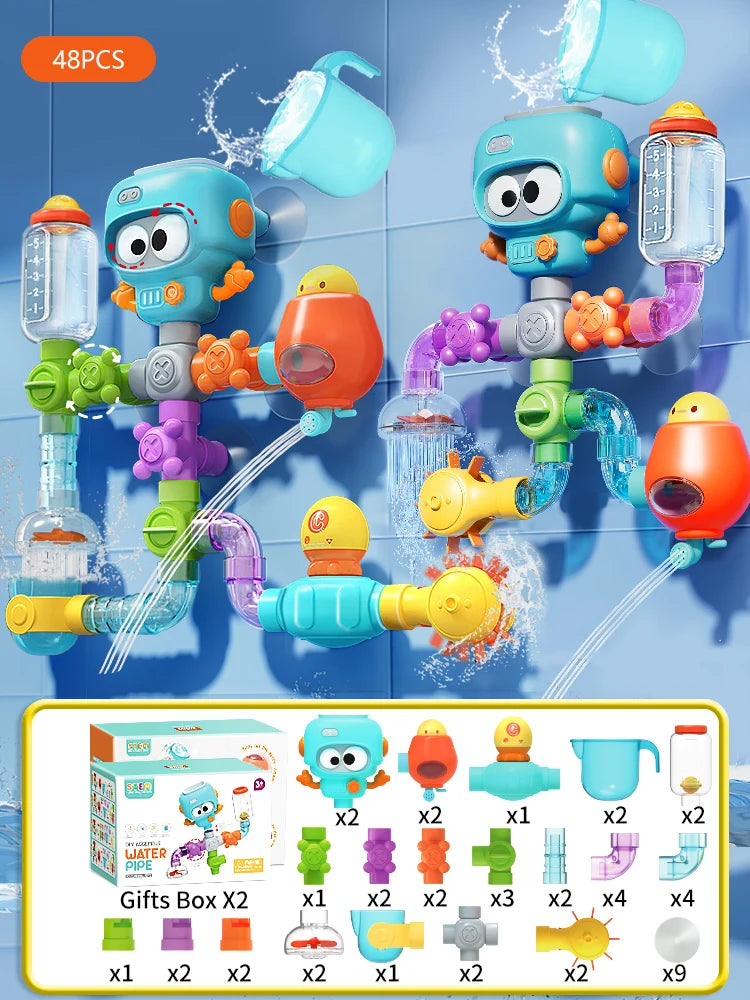
infant water play ideas, bath sensory toys — See it in action.
Bath safety, allergies, and cleanup tips
- Always stay within arm's reach of children during bath time, regardless of age.
- Maintain water temperature around 37°C (98.6°F) and check it before placing your child in the tub.
- Use non-slip bath mats and keep floors dry to reduce slipping hazards.
- Select BPA-free bath toys that can be fully drained and dried to minimize mold growth.
- If using homemade sensory materials, choose fragrance-free, skin-friendly ingredients and discontinue use if irritation occurs.
- Rinse toys after each bath and allow them to air dry completely before storing.
Common mistakes to avoid
- Introducing too many toys or activities at once.
- Using products with strong fragrances if your child has sensitive skin.
- Leaving water inside squeeze toys or containers after use.
- Adding small loose objects that may become choking hazards for young children.
For additional bath essentials and educational resources, explore these collections:
- Baby Bath Accessories — towels, bath seats, non-slip accessories, and everyday bath essentials.
- Sensory Toys — tactile, visual, and cause-and-effect toys suitable for water play.
- Baby Care Tips & Advice — practical guides covering bath safety, routines, and child care.
15-minute calming bath time routine for better sleep
- Minutes 1–5: Begin with warm water, gentle pouring, and one simple sensory activity such as scooping or floating toys. This allows children to settle into the bath while exploring at their own pace.
- Minutes 6–10: Introduce a focused activity such as texture exploration, color matching, or a DIY water pipe. Encourage conversation by naming colors, counting objects, or asking simple questions.
- Minutes 11–13: Finish with a warm rinse and gentle drying using slow, even pressure with a soft towel to create a comfortable transition out of the bath.
- Minutes 14–15: Move into a consistent bedtime routine with dimmer lighting, pajamas, a favorite book, or quiet cuddles. Predictable routines help children understand that active play has ended.
Most children enjoy bath sessions lasting between 10 and 15 minutes, although younger babies or children with sensitive skin may benefit from shorter baths. Consistency is generally more important than the exact length of the routine.
DIY bath sensory play vs ready-made bath toys
Quick answer: Both options offer valuable learning opportunities. DIY bath sensory play is affordable and highly customizable, while ready-made bath toys are typically designed for durability, easier cleaning, and repeated water use.
- DIY bath sensory play: Ideal for creative families who enjoy using everyday household materials and changing activities frequently.
- Ready-made bath toys: Convenient for regular use, often featuring durable construction, drainage systems, and child-friendly designs.
- Best approach: Many families combine both by using a few reusable bath toys alongside simple homemade sensory activities.
| Feature | DIY Bath Sensory Play | Ready-Made Bath Toys |
|---|---|---|
| Cost | Usually low using household items | Moderate initial investment |
| Preparation | Requires a few minutes before bath time | Ready to use immediately |
| Cleanup | Depends on materials selected | Generally easy when toys drain completely |
| Learning value | Highly customizable for different skills | Designed for repeated sensory exploration |
| Best for | Creative, flexible activities | Convenient everyday bath routines |
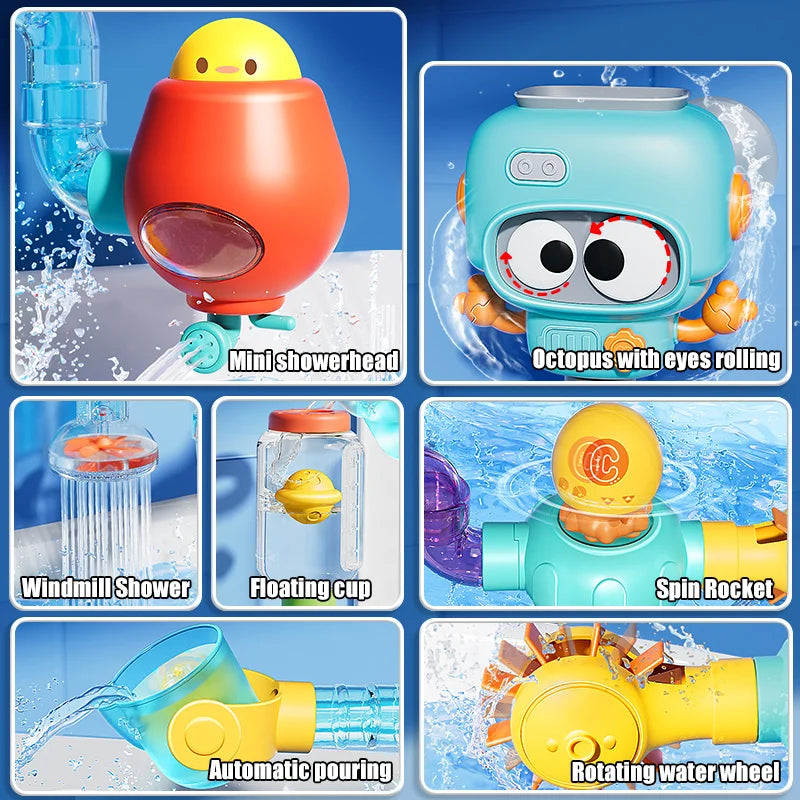
bath sensory toys, DIY water play ideas — See it in action.
Bath sensory play supplies checklist
Most bath time sensory play ideas require only a few safe, easy-to-clean materials. Preparing supplies before filling the tub helps keep bath time relaxed and allows children to focus on exploring rather than waiting.
Everyday household materials
- Soft washcloths with different textures.
- Plastic measuring cups, funnels, and scoops.
- Large bath sponges for squeezing activities.
- Floating foam letters, numbers, or shapes.
- Child-safe cups or containers for pouring water.
- Non-slip bath mat and soft towel.
- A simple DIY water pipe bath toy for cause-and-effect water play.
Allergy-safe ingredient substitutions
- Choose fragrance-free bubble bath for children with sensitive skin.
- Avoid essential oils unless recommended by your pediatrician.
- Skip food coloring and glitter, which may irritate skin or create unnecessary cleanup.
- Select BPA-free bath toys that dry completely between uses.
- Test any new bath product on a small area of skin if your child has known sensitivities.
Frequently asked questions
-
How often should children do sensory bath activities?
Most children enjoy sensory bath activities two to seven times per week, depending on their age, skin sensitivity, and family routine. Sessions of 10 to 15 minutes are usually sufficient for play and exploration.
-
What are the safest materials for DIY bath sensory play?
Soft washcloths, bath sponges, measuring cups, floating foam shapes, BPA-free containers, and clean water are excellent choices. Avoid items with sharp edges, loose small parts, or materials that absorb water and cannot dry thoroughly.
-
Which sensory bath activities are best for toddlers?
Toddlers often enjoy pouring and scooping water, floating toys, color matching, sponge squeezing, simple water pipes, and foam letters. Activities that encourage movement and problem-solving tend to hold their attention while supporting early development.
-
Can sensory bath activities help with bedtime routines?
Many families include sensory play as part of a consistent evening routine because warm water and predictable activities can help children relax before moving on to stories, pajamas, and quiet family time.
-
What should I avoid putting in bath water for sensory play?
Avoid glitter, small beads, harsh soaps, strong fragrances, products not intended for bath use, and anything that creates a slipping or choking hazard. Always follow age recommendations for bath toys and accessories.
-
How do I make bath sensory play easy to clean up?
Limit each bath to one or two activities, rinse toys immediately after use, drain water from bath toys, allow everything to air dry, and store items in a well-ventilated organizer to reduce mold and mildew.
- Prepare supplies before filling the tub.
- Use warm water and a non-slip bath mat.
- Choose one or two sensory activities per session.
- Select easy-to-clean, BPA-free bath toys.
- Dry toys thoroughly after every bath.
Pillar Article: How to Make Baths Fun for Every Kid’s Mood and Routine
Other Related Articles:
Explore More:





