

Does a toddler bath routine really make evenings calmer?
Yes — a consistent toddler bath routine can make evenings calmer by creating predictable steps that help children transition from active play to bedtime. A simple toddler bath time routine with familiar cues, short sensory activities, and a calm environment helps toddlers know what happens next, which can reduce resistance and make bedtime transitions smoother for busy families.
⏱ 7 min readHelp Toddler Bath Routine Fit Busy Evenings Without Meltdowns
Feeling like bath time turns your already-busy evening into a daily struggle? You’re not alone. A well-planned toddler bath routine does not need to be complicated or time-consuming. With a few repeatable habits, parents can create a calmer evening rhythm using simple transition cues, gentle sensory activities, and age-appropriate bath play. This guide explains practical ways to make bath time easier while helping toddlers feel secure, involved, and ready for sleep.
help toddler bath routine, bath toys diy, sensory tub activities See it in action
Curious which gentle play options help create a calmer bath experience? Explore simple sensory ideas that fit into your evening routine.
Why a consistent toddler bath routine works
Toddlers often struggle with transitions because they are moving away from an enjoyable activity into something new. A predictable toddler evening routine helps remove uncertainty by showing children what comes next. When bath time follows a familiar pattern, toddlers are more likely to cooperate because the experience feels safe and manageable.
A consistent bedtime bath routine toddler follows can support:
- Emotional regulation: Repeated steps help toddlers prepare mentally for slowing down.
- Smoother bedtime transitions: A familiar bath-to-bed sequence creates a clear signal that the day is ending.
- Independence: Small choices, like selecting pajamas or a bath toy, help toddlers participate.
- Less evening stress: Parents spend less time explaining what happens next.
The goal is not to create a perfect schedule every night. Even a short toddler bath schedule with the same order of events can help busy families build consistency.
Simple 5-step toddler bath routine before bed
This simple sequence can be adjusted for your family, but keeping the same order helps toddlers recognize bedtime signals.
- Start with a transition cue (1–2 minutes): Use a phrase, song, soft lighting, or a special towel to signal that bath time is beginning.
- Add a calming activity (2–5 minutes): A simple sensory tub activity can help release extra energy before washing.
- Keep the bath focused (5–8 minutes): Combine hygiene with gentle interaction, conversation, and relaxed play.
- Create a predictable finish (2–3 minutes): Dry off, apply lotion if needed, and move directly into pajamas.
- Close with a bedtime cue: A favorite story, song, or goodnight phrase reinforces the connection between bath and sleep.
Prepare everything before bath time
A prepared bathroom is one of the easiest ways to create a stress free toddler bath time experience. When supplies are ready before your toddler enters the bathroom, there are fewer delays, fewer distractions, and less pressure during an already busy part of the day.
- Place towels, pajamas, diapers or underwear, and moisturizer within easy reach.
- Prepare any bath toys or sensory activities before starting the bath.
- Check the water temperature before your toddler gets into the tub.
- Keep the bathroom environment calm with softer lighting and fewer distractions.
- Have the next bedtime step ready so the transition after the bath feels natural.
Small preparation habits can make how to make toddler bath time easier much more practical, especially on evenings when parents are managing dinner, cleanup, and bedtime at the same time.
Make bath time calming and fun
A toddler bath routine works best when bath play supports relaxation instead of creating more excitement. Short sensory tub activities lasting 2–5 minutes can help toddlers focus, transition away from active play, and feel more comfortable before washing. The goal is not to fill the tub with distractions, but to create simple moments of connection through touch, movement, and predictable play.
Try these easy sensory activities that encourage calm engagement:
- Scoop-and-pour games: Measuring cups, small containers, or gentle pouring activities create a calming rhythm while supporting fine motor development.
- Texture exploration: Warm water with soft items like washcloths or floating cotton pieces can introduce gentle tactile play.
- Color discovery: Using one safe bath color option occasionally can make the experience predictable without becoming overwhelming.
- Bubble play: Creating small bubble “clouds” with a soft brush or hands can encourage interaction while keeping the mood relaxed.
For toddlers who become overstimulated easily, keep sensory play short and finish while the activity is still enjoyable. A calm ending helps reinforce that bath time is a safe part of the bedtime routine.
Simple bath toys DIY ideas that teach and soothe
DIY bath toys can add variety without creating a crowded bathroom full of toys. The best options are simple, easy to clean, and focused on one activity at a time. A familiar toy can also become a transition cue that tells your toddler it is time to start the evening routine.
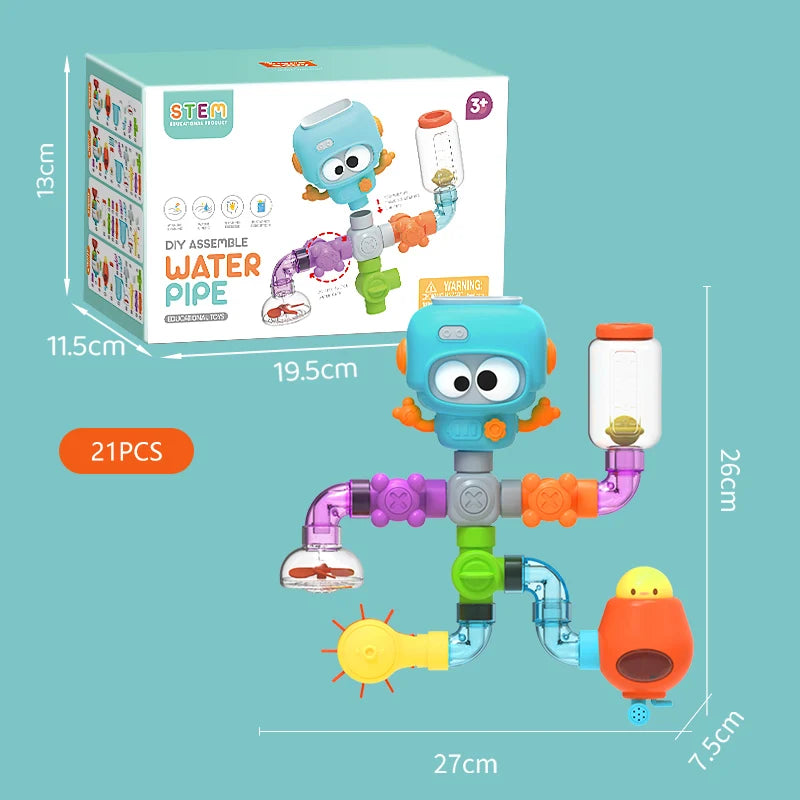
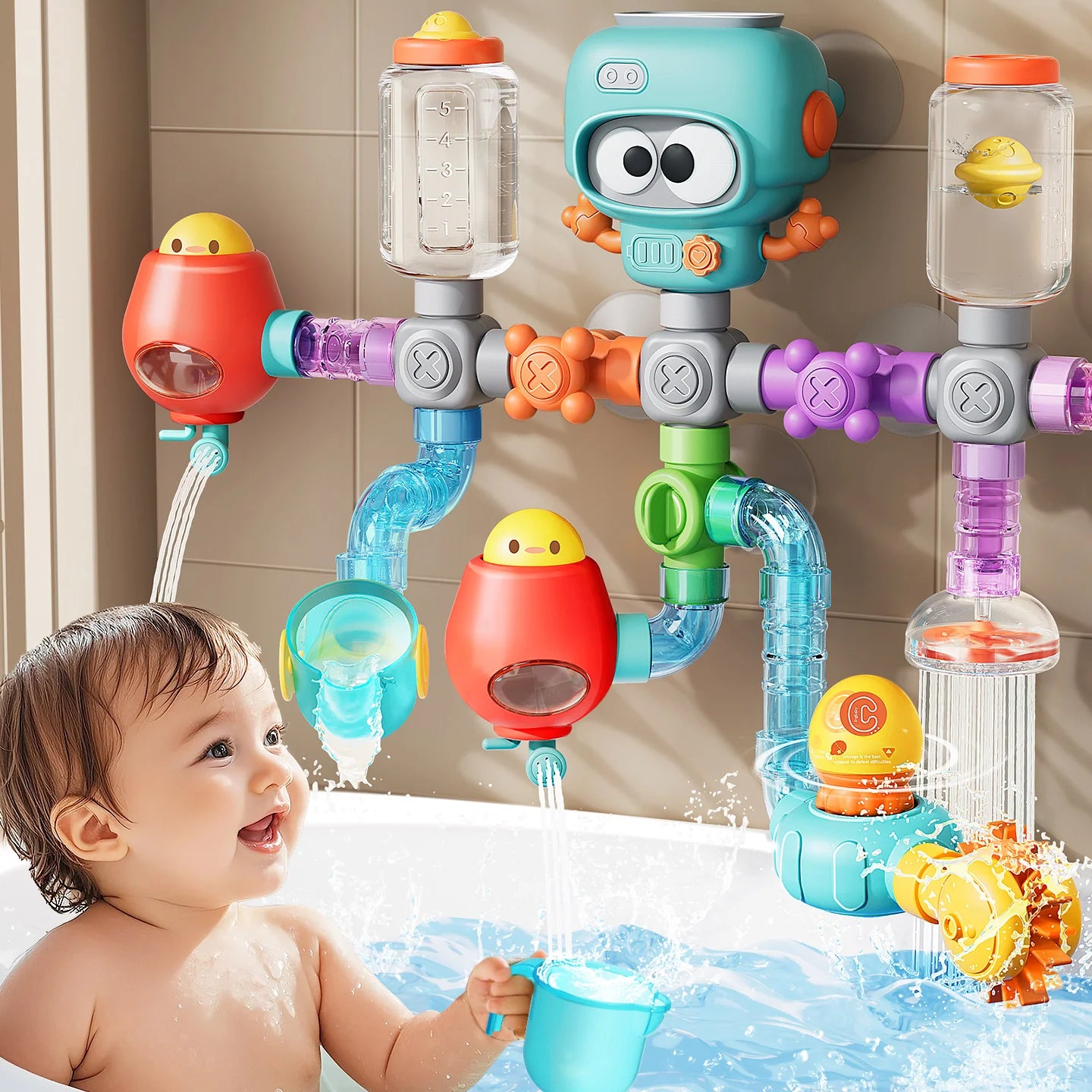
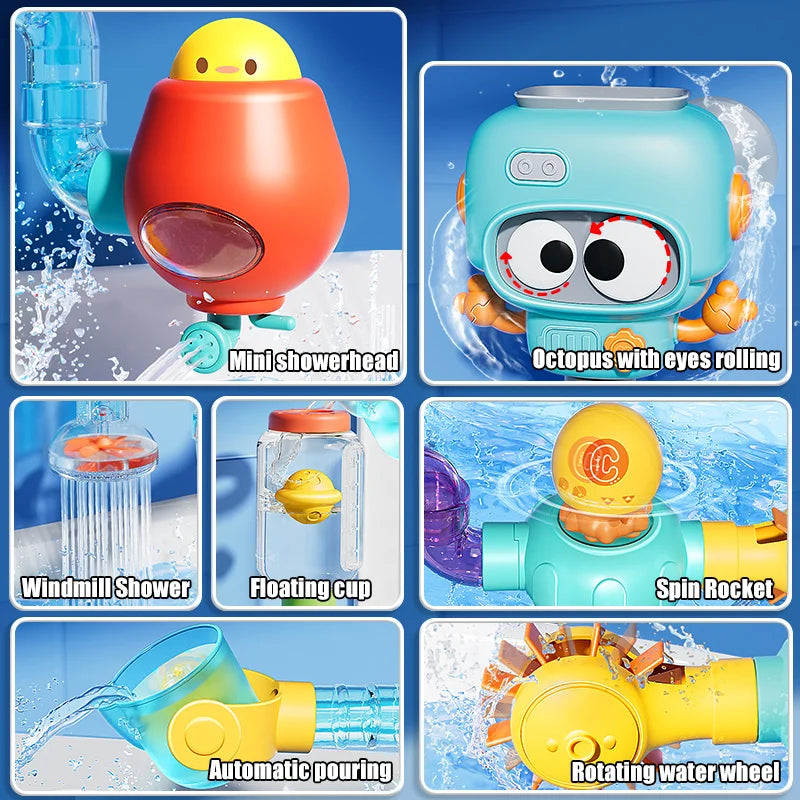
- Water-pipe toy: A water-flow activity using a safe pouring design encourages concentration, cause-and-effect learning, and independent play. See product example: Baby bath water pipe .
- Foam shapes: Floating foam pieces allow toddlers to match colors, create patterns, and practice simple language skills during play.
- Pouring containers: Different-sized cups help toddlers explore volume, movement, and coordination while keeping the activity simple.
When introducing bath toys DIY ideas, choose options that are age-appropriate, easy to sanitize, and free from small parts that could create safety risks.
help toddler bath routine, bath toys diy, ways to make bath time fun See it in action
Want a simple routine you can use tonight? Start with one calming activity and build from there.
How to introduce changes without a meltdown
Small changes are usually easier for toddlers to accept than a complete routine replacement. A successful toddler bath routine develops through repetition, patience, and clear expectations rather than trying to make every bath exciting.
- Change one thing at a time: Introduce a new toy, song, or activity without changing the entire routine.
- Give your toddler a role: Let them carry the towel, choose between two pajamas, or help prepare the bath area.
- Repeat the same sequence: Using the same order each night helps children understand what comes next.
- Praise cooperation: Notice small successes with specific encouragement, such as praising calm behavior or helping.
✅/❌ Pros and cons of introducing a new bath routine
- ✅ Predictable steps can reduce transition struggles.
- ✅ Simple sensory activities can help toddlers settle before bedtime.
- ❌ New habits may take several consistent nights before they feel normal.
- ❌ Adding too many activities at once can make some toddlers more resistant.
Toddler bath routine checklist for busy parents
10-minute quick bath routine
A simple bath time routine for busy parents helps evenings stay predictable without requiring a long preparation process. The goal is to create a flexible sequence your toddler recognizes, even on nights when schedules change.
- ☐ Prepare supplies first: Place the towel, pajamas, moisturizer, and hygiene items within reach before starting.
- ☐ Set up a calm bath space: Check the water temperature and remove unnecessary distractions.
- ☐ Add one focused activity: Use a simple sensory activity or a favorite bath toy instead of overwhelming the tub with options.
- ☐ Keep washing efficient: Focus on essential hygiene while maintaining a relaxed conversation or song.
- ☐ Move directly into bedtime: Follow bath time with pajamas, a story, or another familiar sleep cue.
This quick bath routine for toddlers can be adjusted for different ages and energy levels. Some evenings may need a shorter version, while others may allow more time for play. The most important part is keeping the overall pattern familiar.
help toddler bath routine, sensory tub activities, ways to make bath time fun See it in action
Ready to try the water-pipe toy tonight? Click to view the product and bundle options.
Frequently asked questions
How often should toddlers have a bath?
Many toddlers do well with baths several times per week, while some families prefer a daily bath as part of their toddler bath routine. Frequency can depend on activity level, skin needs, and how messy the day has been.
What is the best toddler bath routine before bed?
A simple bedtime bath routine toddler can follow includes a transition cue, a short bath, drying, pajamas, and a calming bedtime activity. Repeating the same order helps toddlers understand that sleep time is approaching.
How long should a toddler bath last?
A toddler bath usually only needs about 5–8 minutes. Adding a short 2–5 minute sensory activity before or during bath time can help make the transition easier without extending the routine too much.
What if my toddler cries during bath time?
Try identifying the cause, such as water temperature, fear of washing, or difficulty with transitions. Use calm reassurance, offer simple choices, and keep the routine consistent.
How can I make bath time easier for a stubborn toddler?
Make bath time more predictable by using the same steps, giving your toddler small responsibilities, and avoiding too many changes at once. Positive reinforcement often works better than pressure.
Should I wash my toddler's hair every bath?
Hair washing frequency depends on your toddler’s hair type, activity level, and hygiene needs. Washing hair every bath is not always necessary for every child.
What water temperature is safest for toddlers?
Use comfortably warm water and always test it before your toddler enters the bath. A thermometer from Temperature Tools can help monitor the water temperature.
Can a bath help toddlers sleep better?
A calming bath routine may help toddlers transition toward sleep by creating a consistent bedtime signal. The predictable sequence around the bath is often just as important as the bath itself.
Related reading and gear: check Baby Bath Accessories , explore calming play at Sensory Toys , or get practical tips in Baby Care Tips & Advice .
If you want a printable checklist or a quick 7-day plan to test one new cue at a time, save this post and try one small change tonight. Small, consistent shifts are what make a toddler bath routine actually stick.
Pillar Article: How to Make Baths Fun for Every Kid’s Mood and Routine
Other Related Articles:
Explore More:





