

Does turning bath time into play really work for fussy kids?
Yes. Learning how to make baths fun is one of the most effective ways to reduce resistance and build positive routines. When bath time includes age-appropriate games, simple sensory activities, and predictable steps, many children become more willing to cooperate. Whether you use ways to make bath time fun such as songs, pouring games, or water sensory toys, the goal is the same: help children feel safe, engaged, and confident while keeping bathing calm and enjoyable.
Parents should also set realistic expectations. Babies often enjoy short sensory experiences, toddlers benefit from playful routines and choices, while preschoolers respond well to imaginative games that encourage independence. Regardless of age, constant supervision, comfortable water temperature, and safe bath products should always come before play.
⏱ 12 min read
How to Make Baths Fun for Every Kid’s Mood and Routine
Bath time doesn't have to end in tears, negotiations, or rushed washing. With a few thoughtful adjustments, it can become a relaxing part of the day that supports hygiene, learning, and family bonding. This guide explains how to make bath time enjoyable using simple routines, creative activities, and safe sensory play that match your child's developmental stage while making evenings less stressful for everyone.
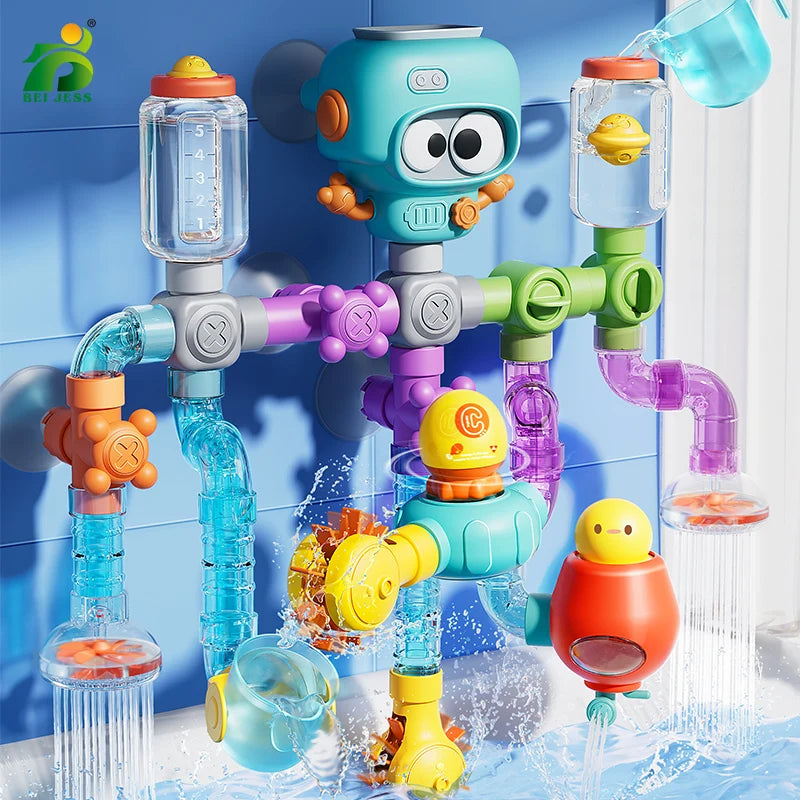
how to make baths fun + ways to make bath time fun — See it in action
Quick solution: a mood-based 3-step routine
If bath time feels unpredictable, start with a simple routine that works for most children. Keeping the same sequence each evening helps children know what to expect while giving parents an easy framework to follow.
- Read your child's mood: notice whether they're energetic, tired, playful, anxious, or resistant before filling the tub.
- Adjust the environment: use warm water and softer lighting for calming baths, or brighter lighting and interactive toys when your child has extra energy.
- Keep the routine consistent: aim for about 10–15 minutes for toddlers, ending with the same cue every night, such as a favorite song, timer, or towel routine.
How to prepare the bath: safety and sensory comfort
A little preparation makes bath time easier for kids and parents. Setting up the bathroom before your child gets into the tub minimizes interruptions, keeps the experience relaxed, and allows you to focus on supervision instead of searching for supplies.
Water temperature
- Aim for water around 37°C (98–100°F).
- Check the temperature before every bath using your wrist, elbow, or a thermometer.
- Use a reliable temperature aid if needed. See Temperature Tools .
Bath setup
- Reduce drafts by closing windows or doors.
- Place favorite toys within easy reach before your child enters the tub.
- Keep lighting comfortable—not too bright for evening baths and not so dim that supervision becomes difficult.
Gather supplies
- Have towels, pajamas, washcloths, and soap ready before starting.
- Choose just two or three bath toys to encourage focused play without overwhelming younger children.
Safety essentials
- Use a textured non-slip surface to reduce slipping. See Baby Bath Accessories .
- Never leave a child unattended, even for a few seconds.
- Dry the floor immediately after bath time to reduce slipping hazards for both children and adults.
Ways to Make Bath Time Fun for Every Age
Toddlers (1–3 years): active play that keeps little hands busy
Toddlers learn best through short, hands-on activities. Water play gives them a chance to explore while making washing feel like part of the game instead of an interruption.
- Create pouring challenges using cups, scoops, and the DIY water pipe to encourage cause-and-effect learning.
- Play simple games such as floating boat races or "fill the cup first" challenges that last only a few minutes.
- Turn hair washing into a familiar routine with a favorite song or counting game.
- Offer two toy choices instead of many to reduce distractions while giving toddlers a sense of control.
Babies (0–12 months): gentle comfort and familiar routines
Young babies benefit most from calm sensory experiences. Soft touch, warm water, and a parent's reassuring voice help create positive early associations with bathing.
- Keep lighting soft and noise levels low.
- Introduce only one sensory experience at a time, such as a soft sponge or gentle pouring.
- Use a familiar washcloth and slow movements to reduce startling sensations.
- After bathing, continue calming touch with products from Massage & Relaxation when appropriate.
Preschoolers (3–5 years): imaginative water adventures
Older children enjoy creative play that encourages problem-solving. Bath time becomes more engaging when they invent stories, complete simple challenges, and explore different water movements.
- Combine textured sponges, floating toys, and water wheels for varied sensory experiences.
- Rotate bath toys weekly to keep activities feeling fresh without filling the tub with clutter.
- Encourage pretend play by turning the bathtub into an ocean, construction site, or rescue mission.
- If fragrances seem distracting, choose fragrance-free bubble products designed for sensitive skin.
When your child is tired or resistant
Evening baths should help children wind down rather than become another source of excitement.
- Limit bath time to around 10 minutes when preparing for bedtime.
- Use dim lighting and a predictable sequence of washing, drying, pajamas, and story time.
- Keep play simple instead of introducing new toys right before bed.
- Finish with the same calming routine each night to reinforce bedtime expectations.
How bath sensory toys and water sensory toys enhance play
Bath sensory toys and water sensory toys encourage children to explore movement, texture, and cause-and-effect while making everyday hygiene more enjoyable. Choosing a few well-designed toys often works better than filling the tub with too many distractions.
Choosing safe toys
- Select BPA-free, easy-to-clean toys made from durable materials.
- Prefer toys that drain completely or have no holes to reduce the chance of mold developing.
- Explore age-appropriate options in Sensory Toys .
Rotating toys
- Keep only two or three toys in the bath at one time.
- Swap toys every week to maintain curiosity without overwhelming your child.
- Store toys where they can dry completely between baths.
DIY sensory ideas
- Provide measuring cups and plastic containers for pouring practice.
- Use the DIY water pipe to build simple water pathways and encourage experimentation.
- Add floating household items designed for water play, such as plastic cups or waterproof stacking toys.
Benefits of sensory bath play
- Encourages fine motor development through pouring, scooping, and squeezing.
- Supports language development by introducing colors, counting, and descriptive words.
- Helps children practice turn-taking and following simple directions.
- Builds positive emotional associations with daily hygiene routines.
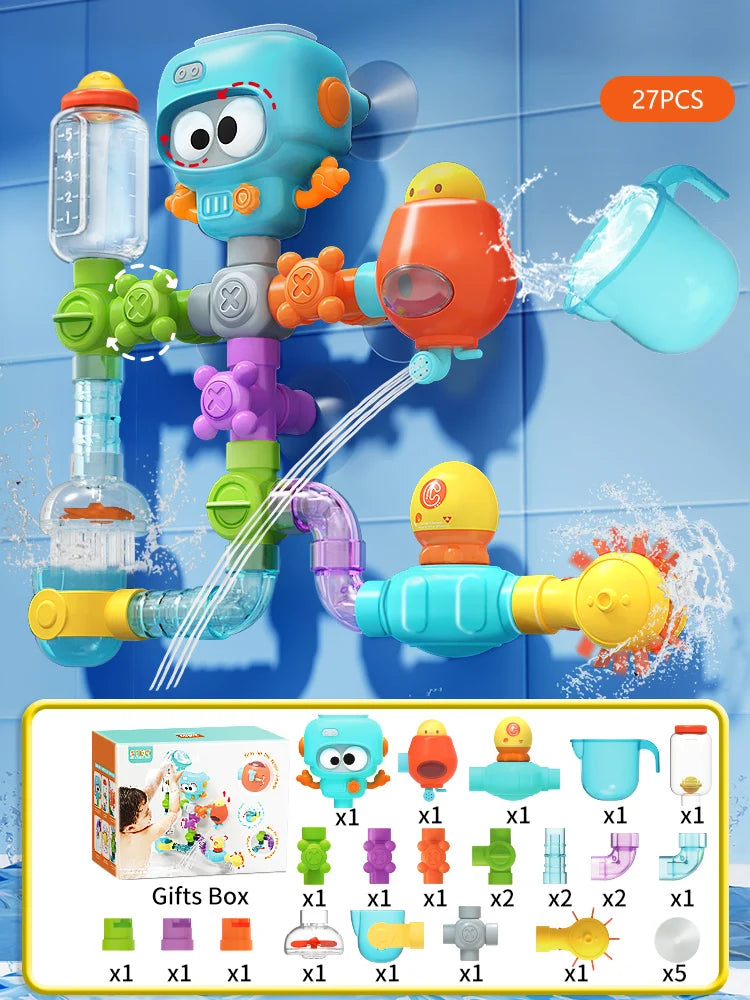
ways to make bath time fun + bath sensory toys — See it in action
Step-by-step fun bath routine
Before the bath
- Prepare warm water and gather towels, soap, and two or three favorite bath toys.
- Let your child choose a toy or activity to encourage participation.
- Explain what will happen next using simple, reassuring language.
During bath play
- Start with free play for a few minutes to help your child relax.
- Wash from cleanest to dirtiest areas while talking or singing together.
- Include one simple learning activity such as counting pours, naming colors, or floating races.
- Keep the overall bath length appropriate for your child's age and attention span.
Transition to bedtime
- Give a one-minute warning before ending play.
- Dry off with a warm towel and move directly into pajamas.
- Finish with a consistent calming activity such as reading, cuddling, or quiet music.
Troubleshooting Common Bath-Time Challenges
Fear of water on the face
Many children dislike unexpected water on their face because it interrupts their sense of control. Instead of pouring water directly over the head, introduce the sensation gradually.
- Use a soft washcloth or sponge to gently wipe the face before rinsing.
- Try a peek-a-boo towel or ask your child to look up at the ceiling during rinsing.
- Pour small amounts of water from the back of the head forward using a rinsing cup.
- Praise each small success rather than expecting immediate comfort.
Refusing baths every night
Consistency works better than negotiation. Keep bath time at roughly the same time each day while allowing your child to make small choices within the routine.
- Offer choices such as "Which toy would you like tonight?" or "Would you like bubbles or pouring cups?"
- Use a visual schedule so younger children know what comes next.
- Avoid extending bath time as a reward, which can make ending the routine more difficult.
- Celebrate cooperation with praise rather than treats whenever possible.
Overstimulation from too many toys
If your child jumps rapidly from one activity to another or struggles to finish bath time, simplify the environment.
- Keep only two or three toys in the tub during each bath.
- Rotate toys every week instead of offering the entire collection.
- Choose open-ended toys that encourage creativity instead of noisy electronic distractions.
Ending play without tantrums
Transitions are often harder than bath time itself. Preparing children before play ends makes leaving the tub much smoother.
- Give a two-minute and one-minute warning before draining the tub.
- Finish with one final activity such as sending boats back to "the dock."
- Move directly into the next familiar bedtime activity without long delays.
Bath Safety Reminders Every Parent Should Know
Fun bath routines should always be built on safe bathing practices. Active supervision and a well-prepared environment allow children to explore while reducing unnecessary risks.
- Never leave a child unattended , even for a moment or in shallow water.
- Prevent slips by using non-slip bath mats and keeping the floor dry.
- Keep water comfortably warm rather than hot, and test the temperature before every bath.
- Clean bath toys regularly and allow them to dry completely to reduce mold and mildew.
- Inspect toys often for cracks, loose pieces, or signs of wear that could become choking hazards.
- Choose gentle products made for babies and children, especially for sensitive skin.
When bath safety becomes part of your routine, children can focus on playing, learning, and building confidence instead of feeling anxious or uncomfortable.
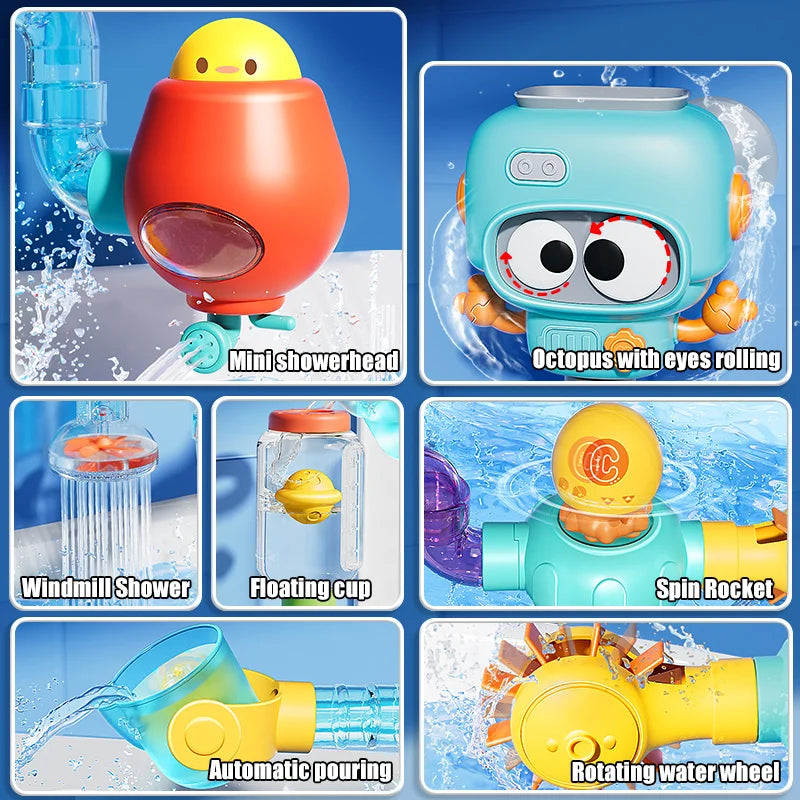
bath sensory toys + water sensory toys — See it in action
Quick checklist for making bath time fun every day
- Prepare before filling the tub: Have towels, pajamas, soap, and favorite toys ready so you can focus on your child instead of searching for supplies.
- Keep play simple: Choose just 2–3 bath toys or one themed activity. Limiting choices keeps children engaged without becoming overwhelmed.
- Make safety part of the routine: Check water temperature, supervise constantly, use a non-slip mat, and inspect bath toys regularly for trapped moisture or mold.
- Stay consistent: Use the same songs, washing order, and bedtime cues each evening so your child knows what comes next.
- Praise effort instead of perfection: Celebrate small milestones like sitting calmly, rinsing hair, or helping wash independently.
- Refresh play regularly: Rotate bath sensory toys and water sensory toys every week to keep how to make bath time fun fresh without filling the tub with clutter.
Frequently Asked Questions
How can I make bath time fun for a child who hates baths?
Start with short baths, let your child choose one favorite toy, and add predictable games or songs. Giving small choices while keeping the overall routine consistent helps reduce anxiety over time.
What are the best bath games for toddlers?
Simple pouring games, floating boat races, color matching with cups, pretend washing toys, and counting bubbles are easy bath games that encourage learning while keeping toddlers engaged.
How many bath toys should I use at once?
Two or three toys are usually enough. Rotating toys every week keeps bath time exciting while preventing overstimulation and reducing cleanup.
How long should bath time last by age?
Infants generally need 5–10 minutes, toddlers about 10–15 minutes, and preschoolers around 15–20 minutes. Adjust based on your child's comfort, attention span, and bedtime schedule.
Are bath sensory toys safe for babies?
Yes, when they are age-appropriate, BPA-free, easy to clean, and always used with adult supervision. Avoid toys that trap water if they cannot be fully dried.
How often should toddlers have baths?
Most toddlers do well with two or three baths each week, plus additional baths after messy outdoor play, swimming, or activities that require extra cleaning.
Can bath games help children who dislike washing their hair?
Yes. Pretending to wash a toy first, singing during rinsing, or letting children pour water themselves can make hair washing feel less intimidating and more predictable.
What should I avoid putting in bath water?
Avoid harsh soaps, heavily scented products, glitter, or homemade ingredients that may irritate sensitive skin or make the tub slippery. Choose gentle products designed for children.
How do I keep bath toys clean and mold-free?
Drain toys after every bath, allow them to dry completely in a well-ventilated area, and clean them regularly. Replace damaged or mold-prone toys as needed.
What are easy bath activities without buying new toys?
Use measuring cups, plastic bowls, washcloths, foam letters, or simple storytelling games. Everyday household items often provide just as much fun as specialty bath toys.
When should bath time become part of the bedtime routine?
If your child finds warm baths calming, schedule them about 30–45 minutes before bedtime, followed by pajamas, a quiet story, and lights out for a consistent evening routine.
Related Articles:
- Bath Time Sensory Play Ideas Kids Love for Calming Nights
- Help Toddler Bath Routine Fit Busy Evenings Without Meltdowns
Pillar Articles:





