

Do bath toys for toddlers really help development?
Yes — the best bath toys for toddlers can support early development by turning everyday water play into a hands-on learning experience. Age-appropriate toddler bath toys encourage fine motor practice, sensory exploration, language development, and simple problem-solving through activities like pouring, squeezing, connecting, and observing how water moves.
Bath Toys for Toddlers Benefits: Why These Features Matter Most
⏱ 12 min read — Bath toys for toddlers are more than simple distractions during bath time. The right water sensory toys and bath pipe toys can transform a daily routine into an opportunity for skill-building, creativity, and independent play. This guide explains which features matter most, how different toddler bath toys support development, and what to consider before choosing a safe, durable option for your child.
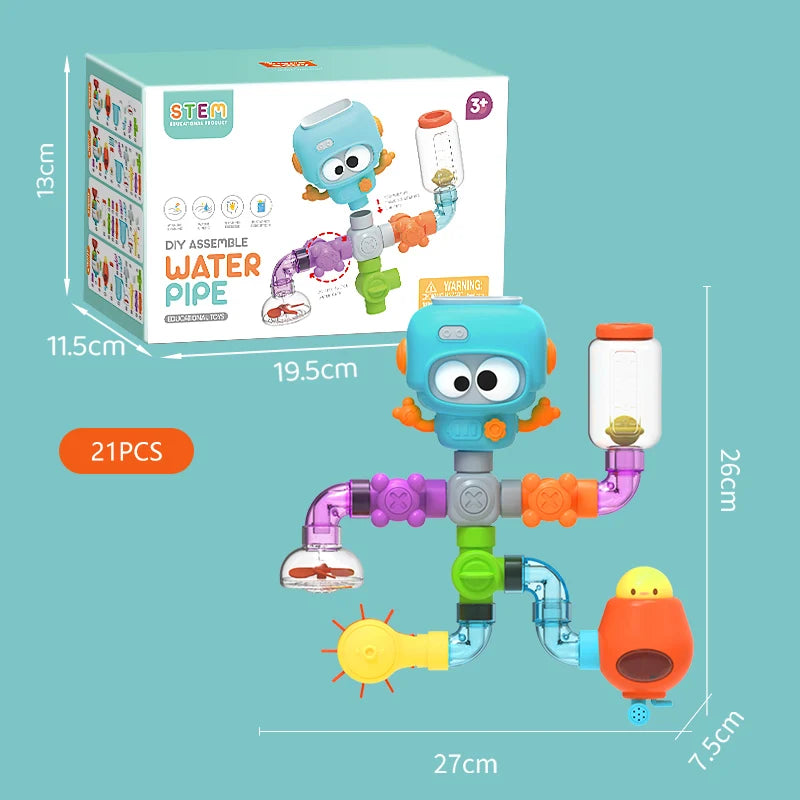
bath toys for toddlers + water sensory toys — See it in action
Which baby gear suits your toddler best? Read on!
Why bath toys help toddler development
Bath toys for toddlers turn an everyday hygiene routine into repeated learning opportunities. Through playful water interaction, toddlers practice important developmental skills while becoming more comfortable with bathing routines. The best toddler bath toys combine movement, exploration, and simple challenges that match a child’s growing abilities.
Fine motor and hand-eye coordination
Many toddler bath toys require actions such as squeezing, scooping, stacking, pouring, and connecting pieces. These movements strengthen hand muscles and improve coordination used later for everyday tasks like holding utensils, dressing, drawing, and building with other toys.
- Pouring cups and scoops: Encourage controlled movements and early measurement concepts.
- Bath pipe toys: Help toddlers practice connecting, positioning, and adjusting parts.
- Floating toys: Support reaching, grabbing, and tracking moving objects.
Sensory exploration and water play
Sensory bath toys for toddlers introduce children to different textures, movements, and water experiences in a familiar environment. Water sensory toys can help toddlers explore cause and effect while building confidence with new sensations.
Examples of sensory learning during bath time include:
- Feeling different surfaces such as smooth, soft, or textured materials.
- Watching water flow through pipes, wheels, or spinning components.
- Learning descriptive words like wet, fast, slow, full, empty, and splash.
With consistent play, bath sensory toys can also support independent bathing habits by making routines feel predictable and enjoyable.
Key features to look for before buying bath toys
Choosing safe bath toys for toddlers requires more than selecting the most colorful option. The strongest choices balance safety, easy maintenance, durability, and meaningful play value.
1. Safe materials and certifications
Look for toddler bath toys made from durable, non-toxic materials designed for regular water exposure. Smooth surfaces, secure connections, and age-appropriate construction reduce safety concerns during daily use.
Avoid toys with:
- Loose pieces that do not match your child’s age range.
- Cracks, peeling surfaces, or damaged materials.
- Hidden water chambers that cannot be opened or dried.
2. Easy-to-clean mold-resistant designs
Bath toys are constantly exposed to warm water and humidity, so cleaning design matters. Sealed construction, removable parts, and open drainage areas help reduce trapped moisture and make regular maintenance easier.
For long-term use, choose toys that allow caregivers to:
- Rinse all surfaces after each bath.
- Dry toys completely between uses.
- Inspect areas where water may collect.
3. Bath pipe toys and interactive features
Bath pipe toys add a building element to water play. By connecting pipes and watching water travel through different paths, toddlers experiment with sequencing, planning, and cause-and-effect relationships.
Features to consider include:
- Simple snap-fit connectors suitable for small hands.
- Strong suction attachments for stable play.
- Multiple layouts that encourage repeated exploration.
4. Age-appropriate size and complexity
The best bath toys for toddlers should match your child’s developmental stage. Younger toddlers often benefit from simple pouring and sensory toys, while older toddlers may enjoy more complex building systems.
- Younger toddlers: Choose easy-grip toys with simple actions.
- 2-year-olds: Look for toys that encourage imitation, sorting, and problem-solving.
- 3-year-olds: Choose interactive toys that introduce building, sequencing, and creative play.
Compare popular bath toy types
Bath toys for toddlers come in many styles, and each type supports different skills. Understanding the differences helps parents choose toys that match their child’s interests and learning goals.
| Toy Type | Best For | Pros | Cons |
|---|---|---|---|
| Floating animals | Imaginative play and language | Simple design, encourages storytelling, easy to use | May provide less challenge for older toddlers |
| Pouring cups and scoops | Fine motor skills and water exploration | Affordable, reusable, teaches volume concepts | Less complex without additional features |
| Bath pipe systems | Problem-solving and STEM learning | Encourages building, sequencing, and cause-effect thinking | Requires storage space and regular cleaning |
| Water-drawing mats | Creative expression | Mess-free drawing practice and hand control | Interest may decrease over time |
| Sealed spinning toys | Sensory motion and visual tracking | Low maintenance with clear movement feedback | Connectors still need cleaning |
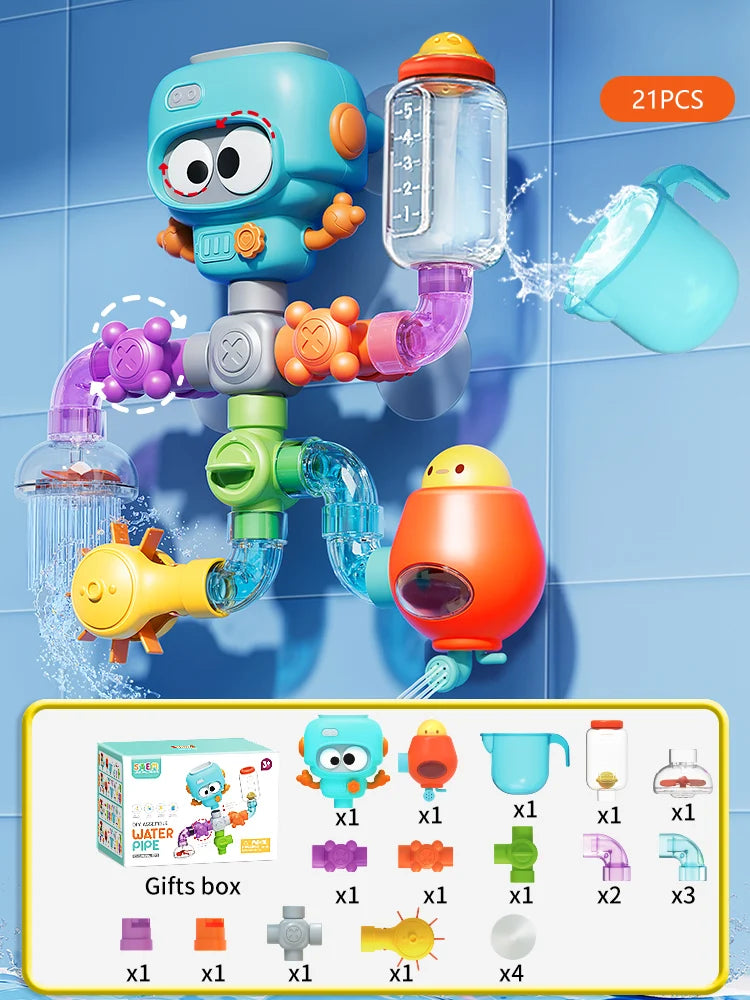
bath sensory toys + bath pipe toys — See it in action
How to use bath toys safely and effectively
Using bath toys safely requires a balance between fun, supervision, hygiene, and age-appropriate play. A simple routine helps toddlers enjoy water exploration while reducing common concerns like mold buildup, damaged parts, and overcrowded bath spaces.
- Inspect toys before every use — Check for cracks, loose pieces, peeling surfaces, or signs of mold. Damaged toddler bath toys should be removed immediately to prevent safety risks.
- Rotate a small selection of toys — Keeping 3–5 bath toys available at a time maintains interest while making cleaning and storage easier. Rotating toys also helps each item last longer.
- Always supervise water play — Toddlers should never be left unattended during bath time, even when using floating toys or water sensory toys designed for independent exploration.
- Dry toys completely after each bath — Drain excess water, separate removable parts, and store toys in a ventilated area to reduce moisture buildup.
- Include occasional toy-free baths — Toy-free routines help toddlers become comfortable with bathing itself and prevent toys from becoming the only source of engagement.
Daily drying routine
Proper drying is one of the easiest ways to keep safe bath toys for toddlers cleaner and extend their lifespan. After each bath:
- Rinse toys with clean water to remove soap residue.
- Shake out trapped water from cups, pipes, or spinning components.
- Place toys where air can circulate around all surfaces.
- Avoid storing wet toys inside closed containers or damp bath bags.
Deep cleaning bath toys
Even well-designed toddler bath toys need occasional deep cleaning. Follow the manufacturer’s cleaning instructions whenever available, especially for toys with moving parts or sealed sections.
- Wash removable parts with warm water and mild soap.
- Use a diluted vinegar solution for routine cleaning when appropriate.
- Allow every component to dry fully before returning it to the bath.
- Avoid using harsh cleaners that may damage toy materials.
When to replace bath toys
Replacing bath toys at the right time helps maintain a safer play environment. Consider replacing a toy when it:
- Has visible cracks, broken connectors, or damaged surfaces.
- Develops mold or discoloration that cannot be removed.
- Contains trapped water that cannot be emptied or dried.
- No longer matches your child’s developmental stage or interests.
Fun bath play ideas
Bath time can become a simple learning activity with the right setup. Water sensory toys and bath sensory toys encourage toddlers to explore movement, language, and problem-solving without requiring complicated preparation.
Sensory bath activities
Sensory bath play helps toddlers discover different textures, temperatures, movements, and sounds through safe hands-on exploration.
- Texture discovery: Let toddlers compare smooth, soft, and ridged toys while describing how each feels.
- Pour-and-fill practice: Use cups and containers to teach full, empty, more, and less.
- Water movement play: Encourage children to watch how water flows, spins, drips, or changes direction.
Learning games
Simple games can build early language, counting, and observation skills during everyday bathing.
- Count floating animals or cups as they move through the water.
- Name colors, shapes, and actions while playing.
- Ask prediction questions such as “What happens if we pour faster?”
- Practice new vocabulary like splash, sink, float, drip, and flow.
STEM-inspired water play
Interactive bath pipe toys introduce early STEM concepts by allowing toddlers to experiment with connections, sequences, and cause-and-effect relationships.
- Build different pipe layouts and observe how water travels.
- Encourage toddlers to test which arrangement creates faster or slower water flow.
- Let children solve simple challenges, such as creating a path from one pipe to another.
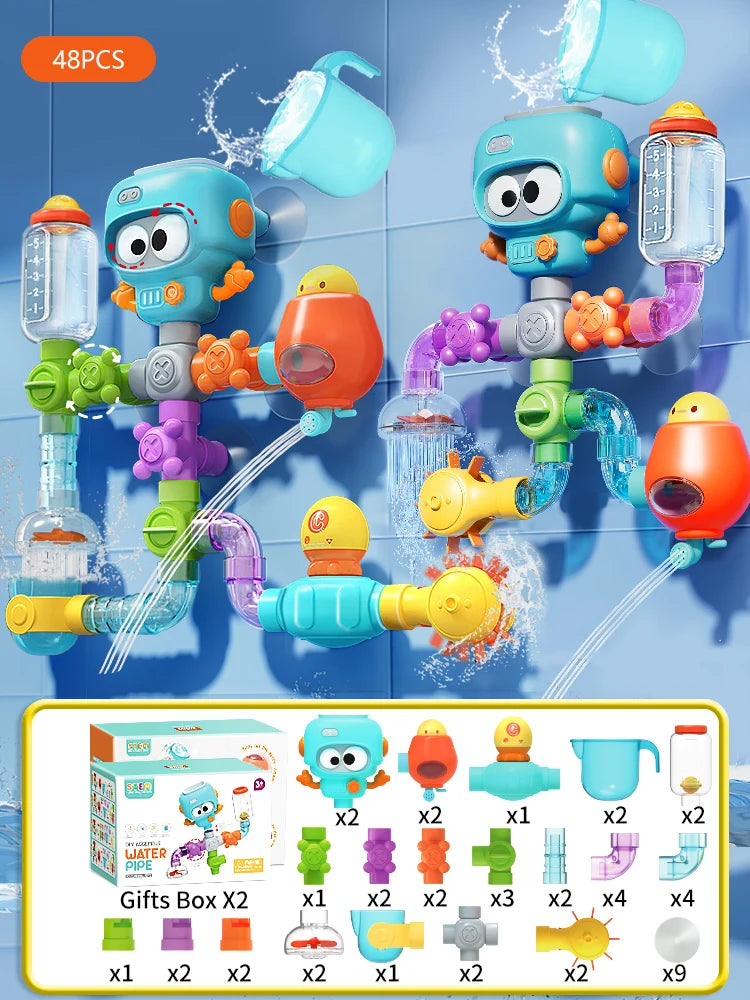
bath pipe toys + bath sensory toys — See it in action
How we evaluated these bath toys
Choosing the best bath toys for toddlers requires looking beyond appearance. A useful bath toy should support development while remaining practical for everyday family routines. The evaluation criteria focused on safety, maintenance, durability, and learning value.
- Safety criteria: We considered age-appropriate sizing, secure construction, and materials suitable for repeated water exposure.
- Ease of cleaning: Toys were evaluated based on drainage, accessibility, and how easily caregivers can prevent moisture buildup.
- Durability: Long-lasting designs with strong connections and quality materials provide better value over time.
- Developmental value: The strongest options encourage fine motor skills, sensory exploration, language development, and problem-solving.
Products that combine easy maintenance with meaningful play opportunities are generally better choices for families looking for toddler bath toys that grow with their child.
Fun bath play ideas
Simple activities can turn everyday bath time into a learning opportunity. The best water sensory toys and bath sensory toys encourage toddlers to explore, communicate, and solve problems through hands-on play.
Sensory bath activities
Sensory play helps toddlers become more comfortable with different textures, movements, and water experiences while building curiosity and confidence.
- Texture exploration: Offer toys with different surfaces and encourage your toddler to describe what they feel, such as soft, smooth, bumpy, or slippery.
- Pouring practice: Use cups, scoops, and containers to help children experiment with filling, emptying, and transferring water.
- Water movement discovery: Let toddlers observe how water flows through spinning wheels, pipes, and channels to understand simple cause and effect.
Learning games
Bath time games can naturally introduce early language, counting, and problem-solving skills without feeling like structured learning.
- Counting challenge: Count floating toys, scoops of water, or pipe sections together.
- Color matching: Ask toddlers to find toys by color or group similar items together.
- Prediction play: Ask questions like “Will it float or sink?” or “Where will the water go next?”
- Vocabulary building: Practice words such as pour, splash, drip, spin, empty, and full.
STEM-inspired water play
Educational bath toys for toddlers can introduce early STEM concepts through simple experiments. Bath pipe toys are especially useful because they allow children to build, test, and adjust their own water systems.
- Create different pipe paths and observe how changing the layout affects water flow.
- Encourage toddlers to connect pieces and practice sequencing steps.
- Use questions to support problem-solving, such as “How can we make the water reach the bottom cup?”
Frequently asked questions about bath toys
Will bath toys make my toddler dependent on them for bathing?
No. Bath toys are tools that make routines more engaging, but they do not need to be used every time. Rotating toys and occasionally having toy-free baths can help toddlers enjoy both playful and regular bathing routines.
How often should bath toys be replaced?
Replace bath toys when they become cracked, damaged, difficult to clean, or unable to dry completely. A regular inspection every few months helps identify toys that may no longer be suitable for continued use.
Are bath pipe toys safe for toddlers?
Yes, when they are designed for the child’s age range and used with supervision. Choose bath pipe toys with secure connections, smooth edges, toddler-friendly pieces, and easy cleaning features.
What materials are safest for toddler bath toys?
Safe bath toys for toddlers are typically made from durable, non-toxic materials designed for repeated water exposure. Look for products with smooth surfaces, secure construction, and designs that reduce trapped moisture.
bath pipe toys + bath sensory toys — See it in action
Frequently asked questions
-
What are the best bath toys for toddlers?
The best bath toys for toddlers combine safety, easy cleaning, and developmental value. Options like pouring toys, sensory bath toys, and bath pipe systems support different skills including coordination, creativity, and problem-solving.
-
What bath toys are best for 2 year olds?
Bath toys for 2 year olds should encourage active exploration while remaining simple to use. Pouring cups, stacking toys, and basic bath pipe toys are good choices because they support grip strength, coordination, and independent play.
-
What bath toys are best for 3 year olds?
Bath toys for 3 year olds can include more complex building and interactive options. Modular bath pipe toys, STEM-inspired water toys, and creative play sets encourage planning, sequencing, and imagination.
-
Are sensory bath toys good for toddler development?
Yes. Sensory bath toys for toddlers support exploration through touch, movement, and water interaction. They can help children practice language, coordination, and confidence with new sensations.
-
How do you prevent mold in bath toys?
Prevent mold by choosing easy-to-clean designs, rinsing toys after use, allowing complete air drying, and replacing toys that trap water internally or cannot be cleaned properly.
-
How often should bath toys be replaced?
There is no fixed replacement schedule for every toy, but regular inspections are recommended. Replace any toy with visible damage, mold growth, or internal moisture that cannot be removed.
-
Are bath pipe toys safe for toddlers?
Bath pipe toys are safe when they are age-appropriate, made from suitable materials, and used under adult supervision. Choose designs with secure connections and easy maintenance.
-
What materials are safest for toddler bath toys?
Look for durable, non-toxic materials with smooth finishes and designs that support proper cleaning and drying. Avoid toys that easily crack or trap water.
Quick buying checklist
- Safe, durable, and age-appropriate materials
- Sealed or easily dryable design
- Varied textures and interactive features
- Large, toddler-friendly pieces
- Clear cleaning instructions
- Optional modular connectors for sequencing and problem-solving play
For related learning toys and accessories, you might browse the Sensory Toys collection or the Baby Bath Accessories collection to build a complete bath-time kit.
Buying guide: choosing the right bath toy
The best bath toys for toddlers should match your child’s development, your family’s routine, and the space available in your home. Instead of choosing only by appearance, consider how a toy supports learning, how easy it is to maintain, and whether it will continue to be useful as your toddler grows.
For sensory seekers
Children who enjoy exploring textures, movement, and water sensations often benefit from sensory bath toys for toddlers . Look for toys that provide different tactile experiences and encourage hands-on discovery.
- Soft and textured surfaces for touch exploration.
- Pouring, squeezing, or spinning actions for active engagement.
- Water flow features that create visual and sensory feedback.
Water sensory toys can be especially helpful for toddlers who are building confidence with new sensations or learning to enjoy bath routines.
For learning and development
Educational bath toys for toddlers should encourage more than entertainment. Choose options that support skills such as counting, problem-solving, coordination, and early creativity.
- Bath pipe toys: Encourage sequencing, planning, and cause-and-effect learning.
- Stacking and pouring toys: Build hand control and introduce early math concepts.
- Floating toys: Support imagination, storytelling, and language development.
Toys that grow with your child often provide better long-term value because they can be used in different ways as skills develop.
For travel
Families who travel frequently should prioritize toddler bath toys that are compact, lightweight, and easy to clean. The most practical travel options include:
- Small pouring cups or stackable toys.
- Quick-drying materials that do not require large storage containers.
- Simple designs with fewer parts to pack and organize.
Portable bath toys can help maintain a familiar bath routine while away from home.
For small bathrooms
Storage is an important factor when choosing the best bath toys for toddlers. In smaller bathrooms, select toys that provide strong play value without creating unnecessary clutter.
- Choose multi-purpose toys instead of large collections.
- Look for designs that hang, drain, or store easily.
- Rotate toys regularly to maintain interest while limiting storage needs.
Frequently asked questions
What are the best bath toys for toddlers?
The best bath toys for toddlers combine safe materials, easy cleaning, and developmental benefits. Options such as bath pipe toys, pouring sets, floating toys, and sensory bath toys can support different stages of learning through play.
What bath toys are best for 2 year olds?
Bath toys for 2 year olds should encourage active exploration while remaining simple to use. Pouring cups, stacking toys, and beginner bath pipe toys are good choices because they support coordination, problem-solving, and independent play.
What bath toys are best for 3 year olds?
Bath toys for 3 year olds can include more advanced interactive options. Building systems, STEM-inspired water toys, and creative play sets help older toddlers practice sequencing, planning, and imaginative thinking.
Are sensory bath toys good for toddler development?
Yes. Sensory bath toys for toddlers encourage exploration through touch, movement, and water interaction. They can support fine motor skills, language development, and confidence during everyday routines.
How do you prevent mold in bath toys?
Prevent mold by selecting easy-to-clean designs, rinsing toys after use, allowing them to dry completely, and avoiding toys that trap water internally. Regular inspection and proper storage help extend toy lifespan.
How often should bath toys be replaced?
Bath toys should be replaced whenever they become damaged, cracked, difficult to clean, or unable to dry properly. Regular checks every few months can help identify toys that need to be removed.
Are bath pipe toys safe for toddlers?
Bath pipe toys are safe when they are age-appropriate and used with supervision. Choose designs with secure connections, smooth edges, toddler-friendly components, and simple cleaning features.
What materials are safest for toddler bath toys?
The safest toddler bath toys are typically made from durable, non-toxic materials designed for repeated water exposure. Look for smooth surfaces, secure construction, and designs that reduce trapped moisture.
Related Articles:
- Baby Bath Pipe Set Features That Turn Water Play Into Learning
- Stem Bath Play Activities Explained: How Water Builds Real Skills
Pillar Articles:





