

Do bath toys infant products really help newborns enjoy water time?
Yes—well-designed bath toys infant products can help babies feel more comfortable during bath time by encouraging gentle sensory exploration, early hand-eye coordination, and positive parent-child interaction. The safest choices use BPA-free, non-toxic materials, have easy-to-clean designs, and are appropriate for your baby's developmental stage.
Bath Toys Infant Compare Guide: Gentle, Safe Picks for New Bathers
Choosing the right bath toys infant families trust can turn bath time from a stressful routine into an enjoyable learning experience. This guide compares soft squirters, stacking cups, sensory toys, and bath pipe toys to help you choose safe, engaging options that suit your baby's current abilities while offering play value well into the toddler years.
⏱ 7 min read
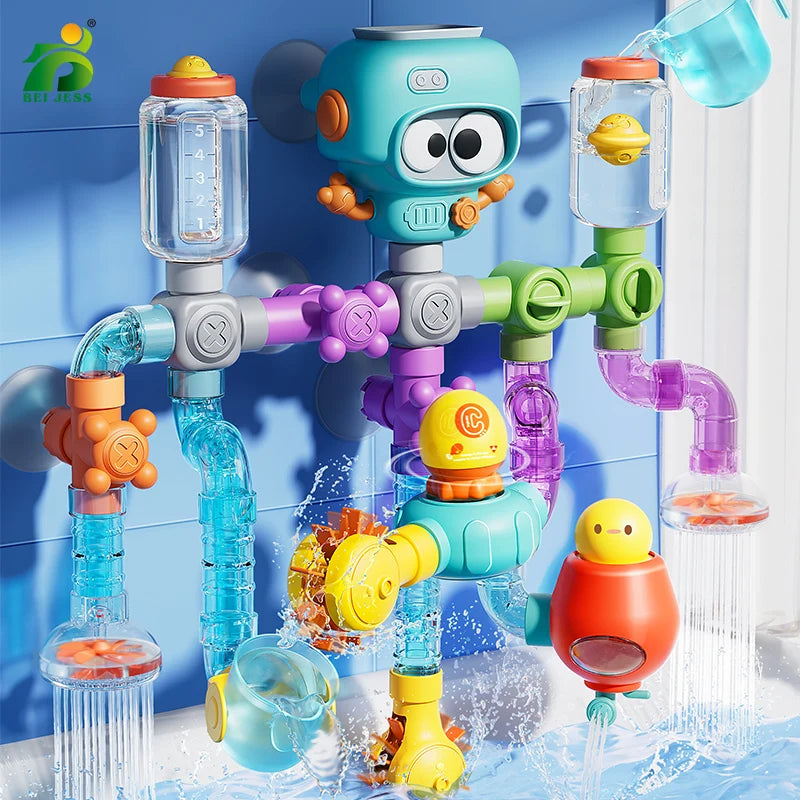
bath toys infant + infant water play ideas — See it in action.
What are the best bath toys for infants?
The best bath toys infant parents choose are simple, lightweight, easy to clean, and comfortable for little hands to grasp. Toys that encourage pouring, squeezing, floating, or gentle sensory exploration help babies develop fine motor skills while making bath time feel familiar and enjoyable.
When comparing bath toys, prioritize non-toxic materials, sealed or mold-resistant construction, rounded edges, and designs that can continue entertaining children as they grow into toddlers.
Top gentle categories
- Soft squirters: Comfortable to hold, encourage gentle squeezing, and introduce simple cause-and-effect play.
- Stacking & pouring cups: Excellent for scooping, pouring, nesting, and developing coordination from infancy into toddlerhood.
- Bath pipe toys: Modular building pieces that encourage creativity and water-flow experiments for older babies with close supervision.
- Floating sensory toys: Soft textures, bright colors, and floating movement encourage calm visual and tactile exploration.
Quick comparison: best picks at a glance
Use this comparison table to quickly identify which type of bath toy best matches your child's age, developmental stage, and your cleaning preferences.
| Type | Best for | Recommended age | Pros | Cons |
|---|---|---|---|---|
| Soft squirters | Early sensory play | 0–12 months | Soft grip, gentle water play, lightweight | May trap water if not sealed |
| Stacking & pouring cups | Motor skills and cause-and-effect | 6–36 months | Versatile, durable, encourages coordination | Lower-quality plastics may warp over time |
| Bath pipe toys | Creative building and STEM-inspired play | 12–48 months | Reusable, interactive, promotes problem-solving | Requires supervision and thorough drying |
| Floating sensory toys | Visual and tactile exploration | 0–36 months | Calming textures, easy to grasp, simple play | Too many toys at once may overstimulate younger babies |
Tip: Many families begin with one or two soft sensory toys before adding stacking cups. As children become confident sitters and more curious about how water moves, a buildable bath pipe toy offers additional educational value without replacing earlier favorites.
How to choose safe, developmentally helpful bath toys
Select bath toys that are safe, simple to clean, and appropriate for your child's current developmental stage. The right combination helps encourage independent play while reducing maintenance for parents.
- Material safety: Choose BPA-free, phthalate-free silicone or high-quality sealed plastic.
- Easy cleaning: Prefer sealed, mold-resistant, or fully drainable designs.
- Safe sizing: Avoid toys with detachable small parts that could present a choking hazard.
- Comfortable grip: Rounded shapes are easier for small hands to hold securely.
- Long-term value: Toys that support pouring, stacking, and simple construction remain engaging as children grow.
Simple steps to pick the right toy
- Choose toys that match your child's current motor skills rather than future abilities.
- Review the cleaning instructions before purchasing.
- Verify that materials are non-toxic and designed for infant use.
- Introduce only one or two new toys at a time to avoid overstimulation.
- Rotate toys regularly to keep bath time interesting without increasing clutter.
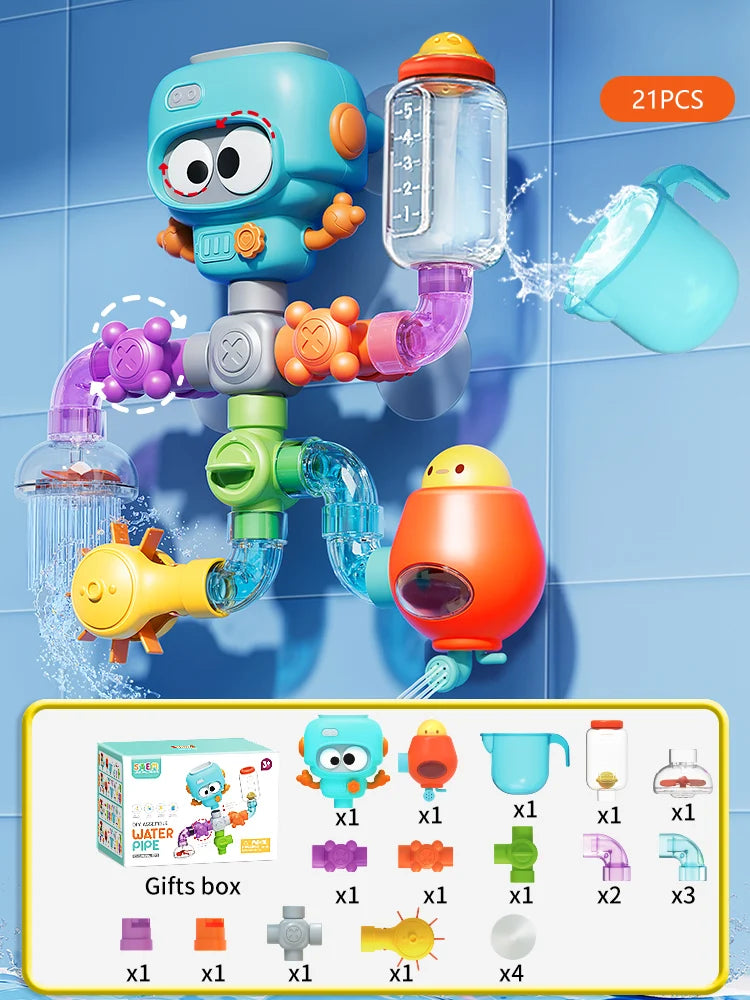
infant water play ideas + bath pipe toys — See it in action.
How to use and care for infant bath toys to keep play safe
Routine cleaning helps extend the life of bath toys while minimizing moisture buildup that can encourage mold. A few minutes of maintenance after each bath makes a significant difference.
Daily routine (1–2 minutes)
- Drain any remaining water from squeeze toys immediately after use.
- Wash toys with warm water and mild soap.
- Place toys on a drying rack or well-ventilated surface until completely dry.
- Store only when moisture has fully evaporated.
Weekly deep-clean
- Soak waterproof toys in a solution of 1 part white vinegar to 3 parts warm water for 10–15 minutes.
- If labeled dishwasher-safe, place silicone components on the top rack.
- Inspect seams, valves, and openings for discoloration, residue, or wear.
- Replace damaged toys rather than attempting to repair them.
Storage tips
- Use a breathable mesh organizer to improve airflow.
- Keep toys out of standing water between baths.
- Rotate toys periodically so each set has time to dry completely.
Final thoughts
Learning how to make bath time fun for toddlers is rarely about finding a single perfect toy or activity. Instead, success comes from consistency, patience, and creating a safe routine where your child feels comfortable exploring at their own pace. Small moments of progress—whether it's touching the water, pouring from a cup, or smiling during a favorite bath song—build confidence that lasts well beyond bath time.
Play-based learning encourages toddlers to develop fine motor skills, problem-solving abilities, sensory awareness, and independence while strengthening the parent-child connection. By keeping routines predictable, using gentle sensory activities, and responding to your toddler's individual comfort level, bath time can become a positive part of your family's daily rhythm.
Continue supporting your child's progress with helpful collections such as Sensory Toys , Baby Bath Accessories , and Baby Care Tips & Advice .
Pillar Article: Bath Toys for Three Year Olds Review: Which Sets Truly Last
Other Related Articles:
Explore More:





