

Does bath toys newborn really help calm and engage little ones in the tub?
Short answer: Sometimes—but not in the way many parents expect. Most newborns do not need active bath toys. During the first weeks of life, calm parental interaction, warm water, and gentle touch are usually enough. As babies become more alert and begin reaching for objects, simple, safe bath toys can gradually add sensory exploration without overwhelming them.
Bath Toys Newborn Review: Gentle Starter Sets Parents Trust
⏱ 8 min read
Wondering when to introduce bath toys or whether bath toys for newborns are actually helpful? The answer depends more on your baby's developmental readiness than their exact age. This guide explains when babies can safely begin using bath toys, how to choose age-appropriate options, how to keep toys mold-free, and how to build a calm, enjoyable bath routine.
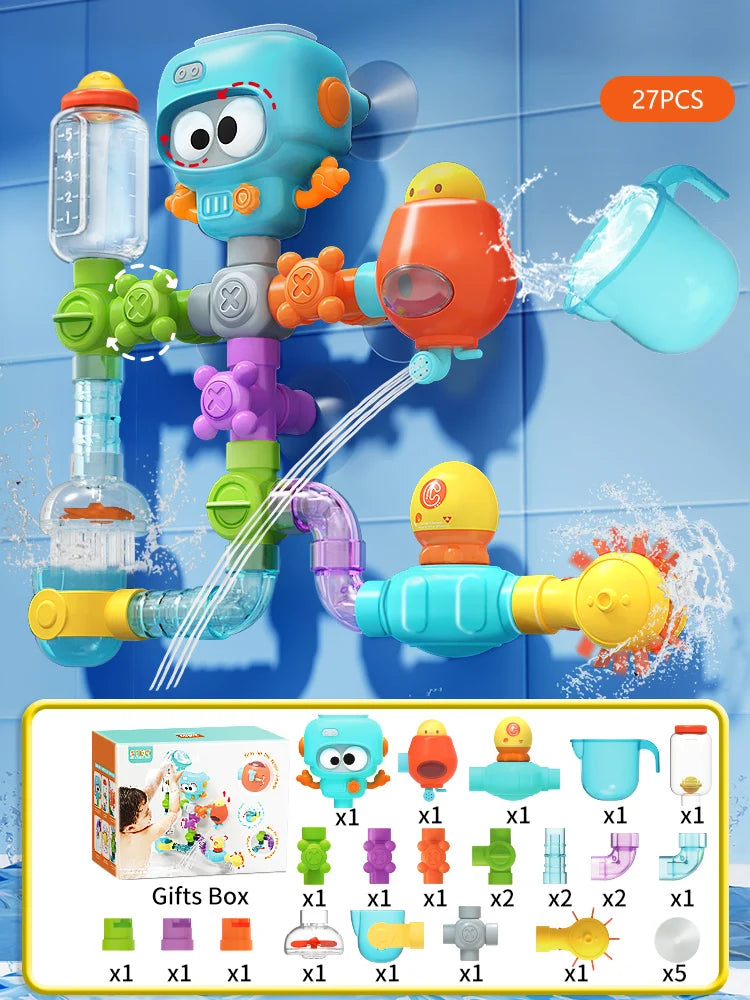
bath toys newborn, bath sensory toys — See it in action.
Choosing age-appropriate toys helps keep bath time calm, engaging, and safe as your baby grows.
When to introduce bath toys: What age is best?
Direct answer: Most babies can begin exploring simple bath toys once they show interest in reaching, grasping, and watching objects. For many infants this happens between 3 and 6 months, although every baby develops at a different pace.
Developmental readiness matters more than age
Rather than rushing to buy toys for every bath, pay attention to your baby's cues. A calm baby who watches objects, tracks movement with their eyes, and reaches toward familiar items is more likely to benefit from gentle water play than a younger newborn who is still adjusting to bathing itself.
Pediatric milestone timeline (0–3, 4–6, 6–12, 12+ months)
- 0–3 months: Focus on skin-to-skin comfort, gentle pouring of warm water, and eye contact. One soft visual toy is plenty if used at all.
- 4–6 months: Babies begin reaching and grasping. Lightweight floating toys or soft silicone toys become more engaging.
- 6–12 months: Cause-and-effect play becomes exciting. Pouring cups and simple bath pipe toys encourage exploration.
- 12+ months: Toddlers enjoy more interactive water toys, stacking, pouring, and imaginative bath play.
Signs your baby is ready for bath toys
Motor skill milestones
- Can hold their head steady during supported baths.
- Reaches toward objects intentionally.
- Grasps lightweight toys with both hands.
- Shows better hand-eye coordination.
Sensory curiosity and engagement
- Watches floating objects with interest.
- Smiles during bath time instead of appearing tense.
- Touches water voluntarily.
- Shows curiosity about splashes or gentle water movement.
If your baby still cries throughout every bath, it is usually better to simplify bath time instead of introducing additional stimulation.
Are bath toys safe for newborns?
Why most newborns do not need bath toys
For healthy newborns, the primary goal of bathing is cleanliness, comfort, and bonding. Newborn nervous systems are still adapting to new sensations, so too many toys, bright colors, or noisy features can become overstimulating rather than calming.
When simple visual stimulation is enough
If you choose to introduce a toy during the newborn stage, keep it simple:
- One soft silicone or BPA-free toy.
- No detachable parts.
- No flashing lights or loud sounds.
- Adult-guided interaction throughout the bath.
Remember that your voice, gentle touch, and eye contact remain the most valuable "toys" during the first months.
Age-by-age guide to choosing bath toys
0–3 months
Keep toys minimal. A single floating object or soft textured toy can provide gentle visual interest while avoiding overstimulation.
Choose lightweight silicone toys, floating animals, or textured shapes that are easy to grasp.
6–12 months
This is an excellent stage for infant bath time toys that encourage pouring, filling, and watching water flow. Bath pipe toys become appropriate for many babies once they can sit with support and actively participate in play.
12+ months
Older babies and toddlers often enjoy more complex bath activities including stacking cups, water wheels, and imaginative pretend play.
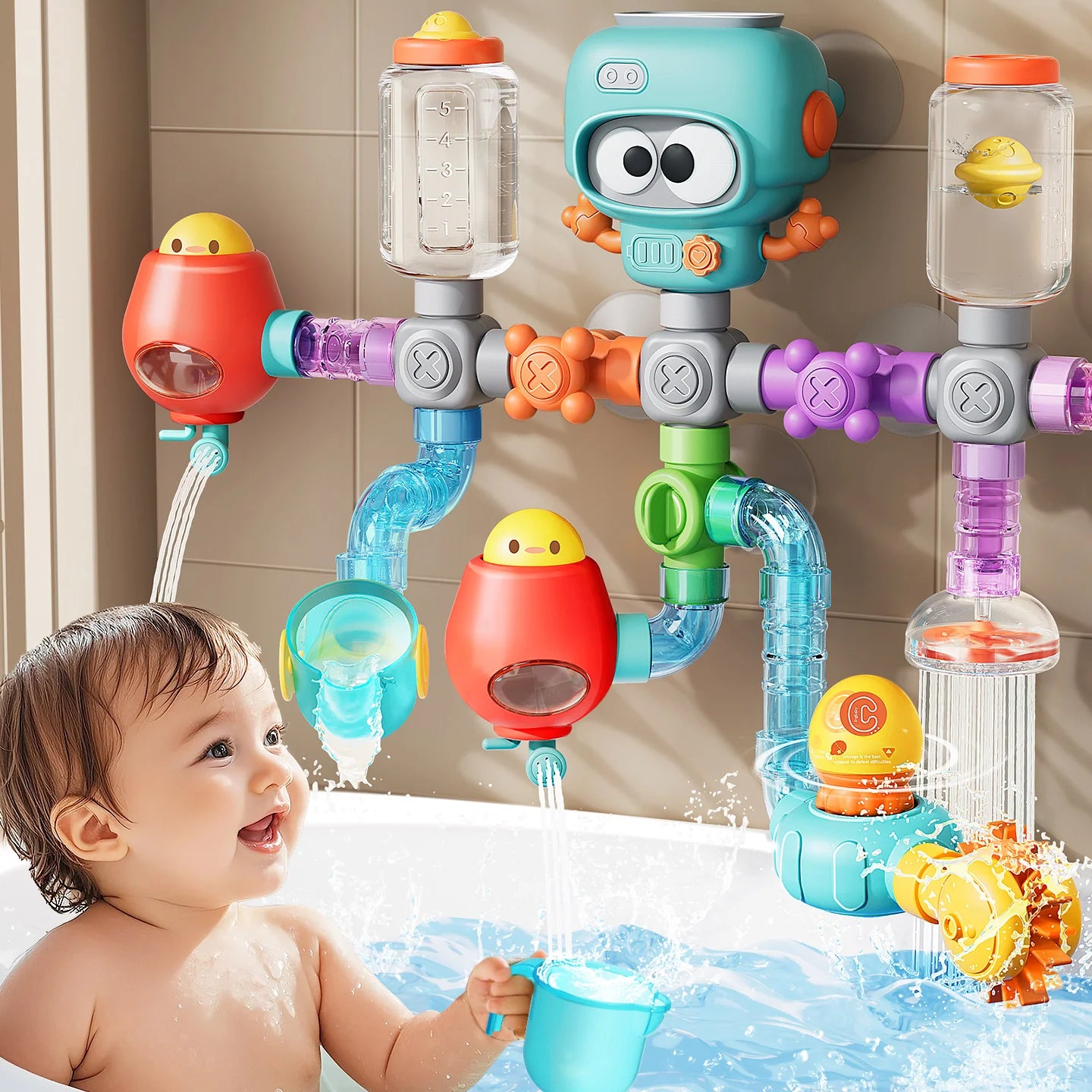
infant water play ideas, bath pipe toys — See it in action.
How to introduce bath toys safely
Step-by-step introduction
- Begin with a warm, calm bath lasting only a few minutes.
- Offer just one toy at first.
- Allow your baby to observe before encouraging touch.
- Use slow movements and gentle pouring rather than splashing.
- Praise curiosity without forcing interaction.
Keeping bath time calm and short
- Limit new toys to one at a time.
- Speak softly throughout the bath.
- Stop if your baby becomes tired or overwhelmed.
- End every bath with the same calming routine.
As babies become older, the approved DIY water pipe can introduce gentle cause-and-effect learning through slow-moving water while still encouraging supervised play.
Keeping bath toys clean and mold-free
How often to clean
- Rinse toys after every bath.
- Allow them to dry completely before storage.
- Wash weekly with warm soapy water.
- Deep clean periodically following the manufacturer's care instructions.
When to replace bath toys
- Visible mold inside the toy.
- Cracked silicone or plastic.
- Loose seams or broken parts.
- Discoloration that cannot be cleaned.
Bath pipe toys should always be taken apart when possible and dried thoroughly to reduce trapped moisture.
Essential bath toy safety checklist
Choking hazards
- Choose toys designed for your baby's age.
- Avoid small detachable parts.
- Select BPA-free, non-toxic materials.
- Inspect toys regularly for damage.
Supervision and water safety
- Never leave a baby unattended in the bath.
- Keep water shallow and around 37°C (98–100°F).
- Use a stable bathing position appropriate for your baby's age.
- Replace damaged toys immediately.
For trusted safety tools and monitoring during bath time, explore Monitoring Devices and Temperature Tools .
Frequently asked questions
-
When should I introduce bath toys to my baby?
Most babies enjoy simple bath toys between 3 and 6 months once they begin reaching, grasping, and showing curiosity about objects.
-
Can newborns use bath toys?
Yes, but they usually do not need them. Calm interaction with a caregiver is more beneficial during the newborn stage than active toy play.
-
What are the safest bath toys for infants?
Choose BPA-free silicone or high-quality plastic toys without detachable pieces. Simple floating toys are often the safest starting point.
-
How do I prevent mold inside bath toys?
Choose toys with large drainage openings, rinse after every use, and let them dry completely before storing.
-
What signs show my baby is ready for bath toys?
Look for reaching, grasping, improved head control, and curiosity about moving objects and water.
-
How many bath toys should a baby have?
One or two toys are usually enough during infancy. Too many toys may become distracting rather than engaging.
Key takeaways
- Developmental readiness matters more than age when deciding when to introduce bath toys.
- Most newborns benefit more from calm caregiver interaction than multiple bath toys.
- Introduce simple, age-appropriate toys gradually as your baby develops.
- Clean and dry bath toys thoroughly to prevent mold.
- Constant adult supervision remains the most important safety rule during every bath.
Related resources: Baby Care Essentials · Baby Growth & Learning · Baby Bath Accessories
Pillar Article: Not Found
Other Related Articles:
- Bath Toys Holder Setup Guide: Keep Toys Dry, Clean, and Within Reach
- Boon Pipes Bath Toys How-To Guide for Creative Water Play
- Toy Suction Cups Hacks: Make Bath Walls a Fun Play Zone
- Bathtub Toy Storage Tips That Make Cleanup Fast and Kid-Friendly
Explore More:





