

Does bathtub toy storage really keep bath time tidy?
Yes — effective bathtub toy storage helps keep bath time organized by allowing toys to drain, dry, and stay easy for children to reach. The best systems combine airflow-focused organizers, simple cleanup habits, and toy rotation so bath toys stay cleaner, reduce moisture buildup, and avoid turning your bathroom into a cluttered, wet storage area.
Bathtub Toy Storage Tips That Make Cleanup Fast and Kid-Friendly
⏱ 7 min read
If your bathroom looks like a toy store exploded after every bath, you’re not alone. Many parents struggle with scattered bath toys, slow cleanup routines, and the challenge of keeping toys dry between uses. The right bathtub toy storage system does more than organize your space — it helps control moisture, supports cleaner play habits, and makes it easier for children to participate in cleanup. This guide covers practical bath toy storage solutions, simple bath toys DIY ideas, and kid-friendly organization methods that fit real family routines.
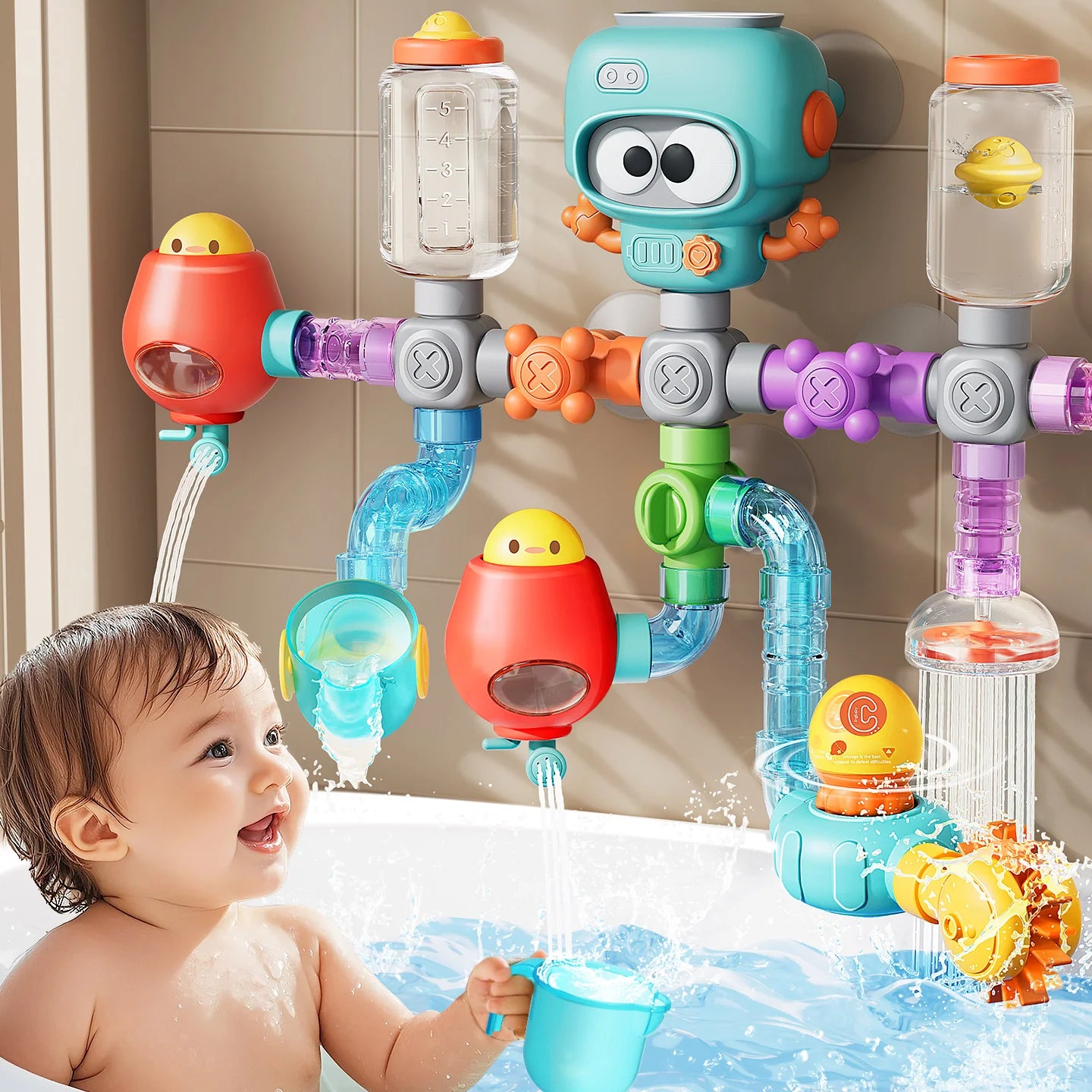
bathtub toy storage, bath toys diy, sensory tub activities — See it in action.
How to store bath toys the right way
The best way to store bath toys is to remove excess water, allow complete airflow, and use an organizer that keeps toys separated instead of trapped in moisture. A mold free bath toy storage setup should help toys dry quickly after every bath while keeping them visible, accessible, and easy for children to put away.
Why proper drying prevents mold
Bath toys spend a lot of time in warm, humid environments, which makes moisture control one of the most important parts of toy organization. Water left inside hollow toys, sealed containers, or crowded baskets can create conditions where mold and unpleasant odors develop over time.
A good bathtub toy storage system focuses on three principles:
- Drainage: Choose holders with openings that allow water to escape instead of collecting underneath toys.
- Airflow: Store toys in breathable organizers such as mesh holders or perforated baskets.
- Separation: Avoid overcrowding so each toy has space to dry completely.
The basic after-bath routine
A simple routine makes long-term maintenance easier. After each bath, children can learn to follow the same steps: rinse, drain, dry, and store. This keeps cleanup predictable and prevents toys from sitting wet on the side of the tub.
- Remove toys from the bath water before draining the tub.
- Rinse away soap residue and bath products.
- Shake out or squeeze water from toys that collect moisture.
- Place toys in a draining organizer with enough airflow.
- Check stored toys regularly and remove any damaged items.
Step-by-step bath toy cleanup and storage routine
Creating an easy bath toy cleanup routine does not require complicated products. The goal is to make every step fast enough that the whole family can follow it after every bath.
Rinse toys after every bath
A quick rinse removes leftover soap, shampoo, and bath residue that can build up on toys. Pay extra attention to toys with small openings, squeeze features, or moving parts because these areas often hold hidden water.
Drain, dry, and store in 5 steps
- Gather: Collect all bath toys before leaving the bathroom.
- Inspect: Check for trapped water, cracks, or damaged pieces.
- Drain: Empty hollow toys and shake off excess moisture.
- Dry: Place toys in a breathable holder where air can circulate.
- Rotate: Keep only frequently used toys available and store extras separately.
This five-step approach creates a practical mold free bath toy storage habit without adding extra work to busy evenings.
Choose the best bath toy storage solution for your bathroom
The right bath toy organizer depends on your bathroom layout, the number of toys your child uses, and how much drying space is available. The best bath toy storage solutions prioritize drainage, child accessibility, and easy cleaning.
Mesh bath toy holder
A mesh bath toy holder is one of the most popular options because it allows water to drip away while keeping toys visible. It works well for families who need a simple everyday solution and want children to reach toys independently.
- Excellent airflow for faster drying
- Lightweight and easy for children to use
- Works well in small bathrooms
Suction bath toy organizer
A suction bath toy organizer attaches directly to smooth surfaces and keeps toys within arm’s reach. It is useful for smaller toy collections or bathrooms where floor and shelf space are limited.
- Easy installation without permanent hardware
- Keeps toys away from the tub floor
- Should be checked regularly for secure attachment
Open baskets and caddies
Open baskets and caddies provide flexible storage for larger collections. Choose designs with drainage holes or open sides so toys do not stay wet after bath time.
Over-the-tub storage
Over-the-tub storage options, including hanging organizers and shower rod solutions, are useful when wall space is limited. They keep toys elevated, improve airflow, and reduce clutter around the bathtub area.
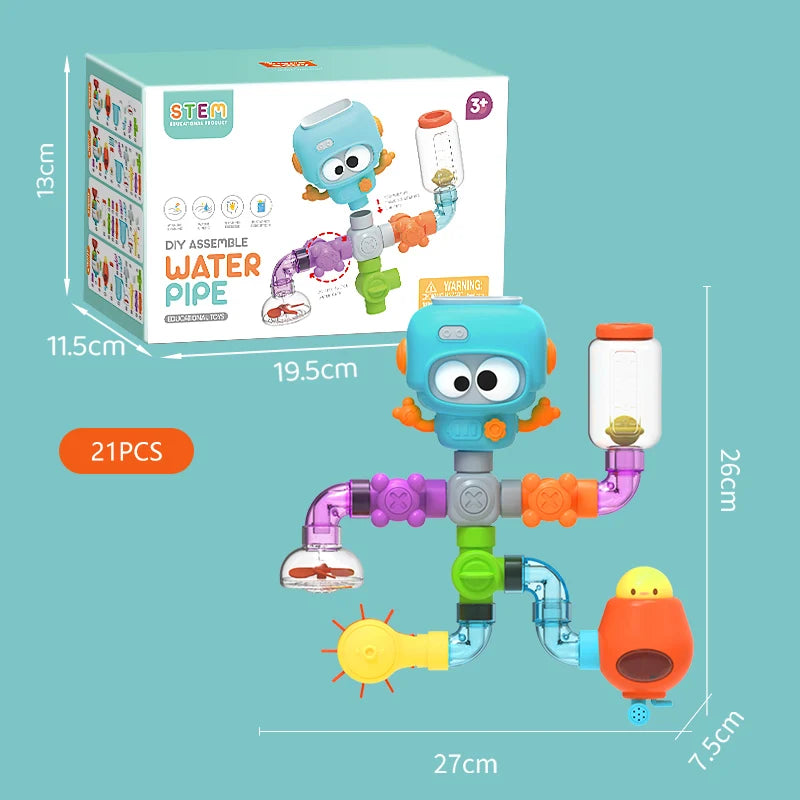
bathtub toy storage, bath toys diy, ways to make bath time fun — See it in action.
DIY bath toy storage ideas
DIY bath toy storage ideas are a practical way to organize play areas without buying expensive organizers. The best homemade solutions focus on three things: allowing water to drain, keeping toys easy for children to reach, and making cleaning simple. With a few basic materials, you can create kids bath toy storage ideas that fit your bathroom layout and daily routine.
Easy DIY organizers
- Mesh laundry bag organizer: Repurpose a small mesh laundry bag as a breathable bath toy holder. Attach it to a sturdy hook near the tub, place rinsed toys inside, and allow the bag to air dry after each bath. The open fabric design helps prevent standing water from collecting around toys.
- Plastic crate drainage bin: Use a lightweight plastic crate with built-in openings or add drainage holes to improve airflow. Place it on a bathroom shelf or secure location where children can easily grab toys while keeping the collection organized.
- Shower curtain ring toy display: Attach shower curtain rings to a sturdy rod or hook system and use them to hang bath-safe toys with handles. This creates a visible storage solution that encourages children to put toys away after play.
- Wall-mounted storage board: For lightweight bath accessories, a small waterproof storage board or organizer placed outside the splash zone can create additional space without crowding the bathtub area.
Materials checklist
- Mesh bags, suction hooks, waterproof adhesive, plastic baskets, perforated containers, and child-safe storage hooks.
- Labels, simple bins, or picture markers to help children identify where each toy belongs.
- Cleaning supplies for regular toy maintenance, including a soft brush for hard-to-reach areas.
When DIY works best
A bath toy storage DIY project works best when you need a customized solution for a specific bathroom size or toy collection. DIY organizers are especially useful for families with changing storage needs because they can be adjusted as children grow and their bath toys change.
However, always prioritize safety over appearance. Avoid materials that can trap moisture, create sharp edges, or place small parts within reach of young children.
How to prevent mold and mildew in bath toys
Keeping bath toys organized is only part of proper care. A truly effective bathtub toy storage system should also reduce moisture buildup and help prevent mold and mildew. Toys that stay wet for long periods, especially hollow designs, need extra attention because water can remain trapped inside after bath time.
Which toys trap water
Some bath toys are more likely to hold moisture than others. Pay close attention to:
- Squeeze toys with small openings: Water can enter easily and may be difficult to remove completely.
- Hollow plastic toys: Internal spaces can stay damp if toys are not drained after use.
- Multi-part toys: Small connected pieces may collect soap residue and moisture.
How often to sanitize
A regular cleaning schedule keeps bath toys fresher and reduces buildup. A simple routine includes:
- After every bath: Rinse toys, empty trapped water, and place them in a breathable organizer.
- Weekly: Clean frequently used toys with an appropriate sanitizing method based on the material and manufacturer instructions.
- Monthly: Review the collection, remove damaged toys, and deep clean storage containers.
When to throw toys away
Replace bath toys when they develop visible mold, cracks, unpleasant odors that remain after cleaning, or damage that makes them difficult to sanitize. Choosing simple, easy-to-clean toys can make long-term maintenance much easier.
Storage ideas for small bathrooms and large toy collections
The best bathtub toy storage ideas depend on available space. A small bathroom may need vertical storage, while a large toy collection may require sorting and rotation to prevent clutter. The goal is to keep frequently used toys accessible without allowing every toy to occupy the bathtub area.
Minimalist bathrooms
For compact bathrooms, choose storage that uses unused areas:
- Hang a mesh bath toy holder from a hook or shower rod.
- Use narrow baskets that fit beside the tub or on shelves.
- Store seasonal or rarely used toys outside the bathroom.
Shared family bathrooms
When multiple children share one bathroom, organization becomes more important. Separate toys by child, age group, or activity type using labeled bins. This reduces arguments, speeds up cleanup, and makes it easier to identify toys that need washing.
Toy rotation strategies
A simple rotation system keeps bath time interesting while reducing storage pressure. Keep a small selection available and store extra toys in a dry location. Swap toys regularly so children continue discovering new play options without creating unnecessary clutter.
Bath toy storage methods compared
Choosing the right bath toy organizer depends on your bathroom space, the size of your toy collection, and how much maintenance you want to manage. The best bath toy storage solutions balance drainage, cleaning effort, available space, and child-friendly access.
| Storage Type | Drainage & Drying | Cleaning Effort | Best Use Case |
|---|---|---|---|
| Mesh bath toy holder | Excellent airflow and fast water drainage | Easy to rinse but may collect soap residue over time | Families needing everyday storage with quick access |
| Suction bath toy organizer | Good airflow when not overcrowded | Requires occasional cleaning and suction checks | Small bathrooms and small toy collections |
| Open basket or perforated bin | Allows airflow when holes are large enough | Easy to wash and move when needed | Rotating larger toy collections |
| Over-the-tub storage | Strong airflow when toys remain separated | Simple maintenance with regular rinsing | Bathrooms with limited counter or floor space |
For most families, a breathable organizer such as a mesh bath toy holder provides the easiest daily solution because it keeps toys visible, encourages cleanup habits, and allows water to escape after every bath. Larger collections may benefit from combining a bathtub toy holder with a separate rotation bin.
Kid-friendly cleanup habits that actually stick
Children are more likely to participate in cleanup when the routine feels simple, predictable, and fun. Instead of treating toy storage as another chore, turn it into a regular part of bath time that children can complete independently.
Turn cleanup into a game
- Race the timer: Set a short countdown and challenge children to return every toy to its storage spot before time runs out.
- Make toys “go home”: Use playful language and pretend each toy needs to return to its special place after bath time.
- Use sorting games: Ask children to group toys by color, type, or size while putting them away.
Simple routines by age
- Toddlers: Focus on one simple action, such as placing toys into a basket with help.
- Preschoolers: Encourage children to rinse, collect, and organize toys independently with supervision.
- Older children: Add responsibility by letting them manage toy rotation and storage checks.
A consistent routine helps children understand that bath toys have a storage place, just like books, clothes, and other everyday items. These small habits make kids bath toy storage ideas easier to maintain over time.
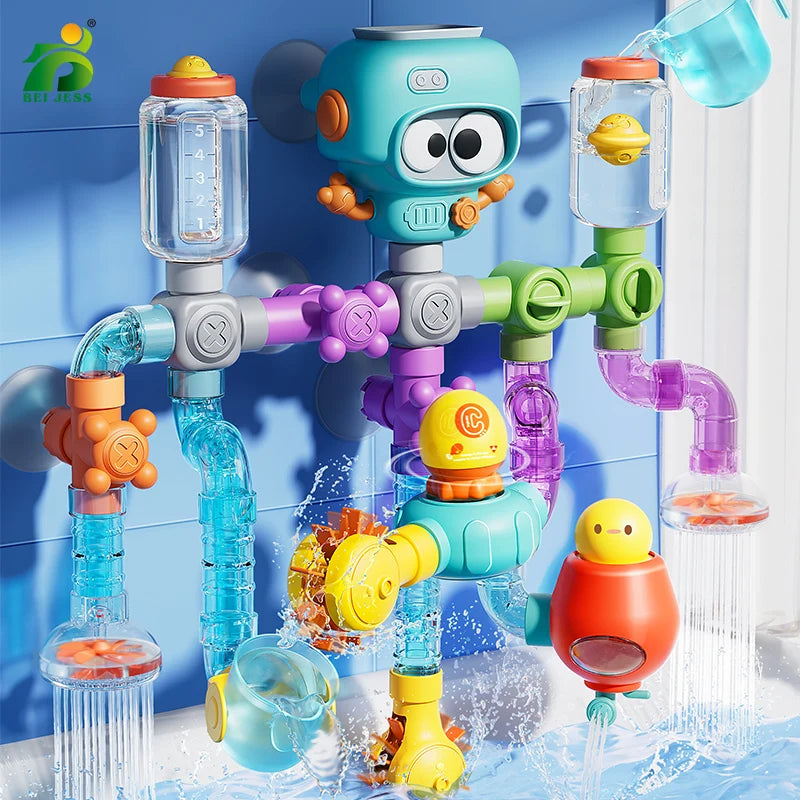
bathtub toy storage, bath toys diy, ways to make bath time fun — See it in action.
Frequently asked questions
How do you store bath toys so they do not get moldy?
To store bath toys without mold, remove excess water after every bath, allow toys to fully air dry, and use a breathable organizer such as a mesh bath toy holder or perforated basket. Avoid closed containers that trap moisture, and inspect hollow toys regularly because they can hold water inside.
What is the best bath toy organizer for small bathrooms?
The best bath toy organizer for a small bathroom is usually a compact mesh holder, suction bath toy organizer, or hanging caddy that uses vertical space. These options keep toys off the bathtub floor, improve airflow, and make cleanup easier without taking up shelves or counter space.
Are mesh bath toy holders better than plastic bins?
Mesh bath toy holders are often better for everyday storage because they allow faster drying and better airflow. Plastic bins can work well for toy rotation or storage outside the bathroom, but they should include drainage holes or openings to prevent moisture buildup.
How often should bath toys be cleaned?
Bath toys should be rinsed after each use and checked regularly for trapped water, residue, or damage. Frequently used toys benefit from deeper cleaning on a weekly basis, while storage containers should also be washed periodically to prevent soap buildup.
Can suction bath toy organizers damage tile?
A properly installed suction bath toy organizer should not damage most smooth surfaces. To keep it secure, clean the surface before attaching the suction cups, avoid overloading the organizer, and check the attachment regularly.
Should bath toys dry inside or outside the bathtub?
Bath toys should dry outside the water area whenever possible. Keeping toys in a draining organizer near the bathtub allows airflow and prevents them from sitting in leftover water, helping maintain cleaner long-term storage.
Key takeaways
A successful bathtub toy storage system does not need to be complicated. The most effective routine combines proper drying, organized storage, regular cleaning, and habits that children can follow independently.
- Choose drainage-first storage: Use mesh holders, open baskets, or organizers that allow airflow.
- Remove moisture quickly: Rinse, drain, and dry toys after every bath.
- Reduce clutter: Rotate toys instead of keeping the entire collection in the bathroom.
- Clean regularly: Inspect toys, sanitize when needed, and replace damaged items.
- Make cleanup part of play: Simple routines help children learn responsibility.
With the right bath toy storage solutions, cleanup becomes faster, bathrooms stay more organized, and bath time remains a fun experience instead of another daily task.
Related reading: find organizing tips and product ideas in Baby Care Essentials and parenting how-tos in Baby Care Tips & Advice .
Pillar Article: Not Found
Other Related Articles:
- Bath Toys Holder Setup Guide: Keep Toys Dry, Clean, and Within Reach
- Boon Pipes Bath Toys How-To Guide for Creative Water Play
- Toy Suction Cups Hacks: Make Bath Walls a Fun Play Zone
- Bath Toys Newborn Review: Gentle Starter Sets Parents Trust
Explore More:





