

How to Use Boon Pipes Bath Toys: Setup Instructions, Play Ideas, Cleaning, and Safety Tips
⏱ 8 min read
Learning how to use Boon Pipes bath toys is simple once you understand how the pieces connect, how suction cups attach, and how water flows through each pathway. These bathtub pipe toys for toddlers transform everyday baths into creative sensory play while encouraging problem-solving, hand-eye coordination, and early STEM skills.
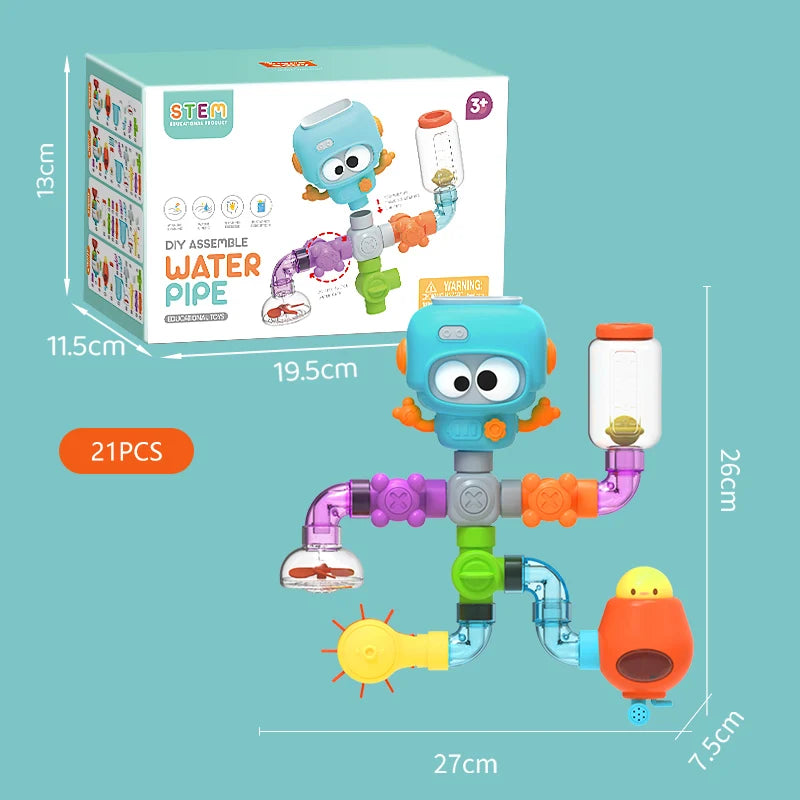
Boon Pipes bath toy setup and creative water play ideas — See it in action.
How to use Boon Pipes Bath Toys: step-by-step setup
If you are looking for Boon Pipes bath toy instructions , the process starts with arranging the pieces, securing them to the bathtub wall, and testing water flow. These pipes are designed to let toddlers build different pathways while learning how water movement changes with each connection.
Unbox and identify each pipe
Before the first bath, place all pipe pieces on a dry surface and identify how each section connects.
- Separate pipes by shape and size.
- Check connectors and suction cups for secure attachment.
- Arrange different pieces together to understand possible water routes.
- Remove any packaging materials before use.
Attach suction cups correctly
Strong suction is important because stable pipes create a more enjoyable and predictable play experience.
- Clean the bathtub wall to remove soap residue or moisture buildup.
- Choose a smooth, flat surface for attachment.
- Press each suction cup firmly against the wall.
- Gently test each piece before adding water.
Connect pipes and test water flow
To understand how do Boon bath pipes work , start with a simple setup. Connect two or three pipes, pour water into the top opening, and watch how it travels through the pathway.
Try changing the order of the pipes to see how small adjustments affect the water stream. This simple experiment helps toddlers understand cause and effect through play.
For a similar hands-on water experience, explore the Baby water pipe kit .
Creative Boon Pipes bath toy ideas
The best Boon Pipes bath toy ideas encourage exploration instead of requiring a specific way to play. Let your toddler experiment with different layouts, water speeds, and challenges.
Simple water pathways
Start with a short pathway using only a few pieces. Ask your child where they think the water will come out before pouring.
This simple prediction game turns bath time into interactive learning while keeping the activity easy for younger toddlers.
Cause-and-effect challenges
- Ask your child to choose which pipe should go first.
- Change one connection and compare the results.
- Create a water route that reaches a toy cup or container.
- Experiment with different pouring speeds.
STEM-inspired bath games
Boon Pipes sensory play introduces early engineering concepts in a natural way. Toddlers learn that changing the shape, direction, or position of a pipe changes how water moves.
Parents can encourage problem-solving by asking simple questions:
- “Where will the water go next?”
- “What happens if we turn this pipe around?”
- “Can we make the water travel farther?”
Why Boon Pipes support learning during bath time
Boon Pipes bath toys do more than keep toddlers entertained. They provide opportunities for hands-on learning through movement, experimentation, and independent play.
Fine motor skills
Connecting pieces, pressing suction cups, and pouring water require small hand movements that support coordination and control.
Cause and effect
Toddlers discover that their actions create predictable outcomes. Adding water creates movement, while changing the pipe arrangement changes the result.
Early STEM concepts
Building different water pathways introduces basic ideas related to planning, testing, and improving designs. Children learn through trial and error in a playful environment.
Best pipe configurations to try
Beginner layout
A beginner setup uses two or three connected pipes in a simple vertical or diagonal path. This helps toddlers understand basic water movement without too many changes at once.
Loop design
A loop layout adds more problem-solving. Encourage your child to predict where the water will travel before testing the design.
Multi-pipe waterfall
For older toddlers who enjoy experimenting, combine several pipes to create multiple water streams. This advanced setup encourages creativity and longer independent play sessions.
Common problems and troubleshooting
Suction cups won't stick
If the suction cups keep releasing, clean the bathtub surface and remove soap residue. Textured walls or wet surfaces may prevent strong attachment.
Weak water flow
Weak flow can happen when too many pieces are connected or when water cannot move freely through the pathway. Try shortening the design or checking each connection.
Pieces keep falling
If pieces fall during play, reposition the suction cups and reduce the number of connected pipes. A simpler layout often works better for younger toddlers.
Cleaning and maintenance
Proper cleaning helps keep bath toys fresh and reduces moisture buildup inside pipe pieces.
Daily rinse
- Rinse each piece with clean water after every bath.
- Shake out trapped water.
- Leave pieces separated until completely dry.
Deep cleaning
Occasionally remove all connectors and clean areas where soap residue may collect. Follow the manufacturer's care instructions for detailed maintenance guidance.
Prevent mold and mildew
- Do not store wet pipes in closed containers.
- Allow airflow around all pieces while drying.
- Inspect regularly for buildup or damage.
Safety tips and recommended age
Adult supervision
Always supervise toddlers during bath play. Bath toys should support interaction and learning but should never replace active adult supervision.
Safe bath setup
- Use a comfortable water temperature.
- Keep the bathtub area free from unnecessary hazards.
- Check all toy pieces before each use.
Age recommendations
Bathtub pipe toys for toddlers are best introduced when children can safely participate in supervised water play. Always follow the product's recommended age guidance and inspect toys regularly.
Storage and organization
Dry completely
Allow all pipe pieces, connectors, and suction cups to dry fully before storage. Proper drying helps extend the lifespan of bath toys.
Store between baths
- Use a ventilated basket or bath toy organizer.
- Keep all pieces together to prevent missing parts.
- Avoid sealed containers that trap moisture.
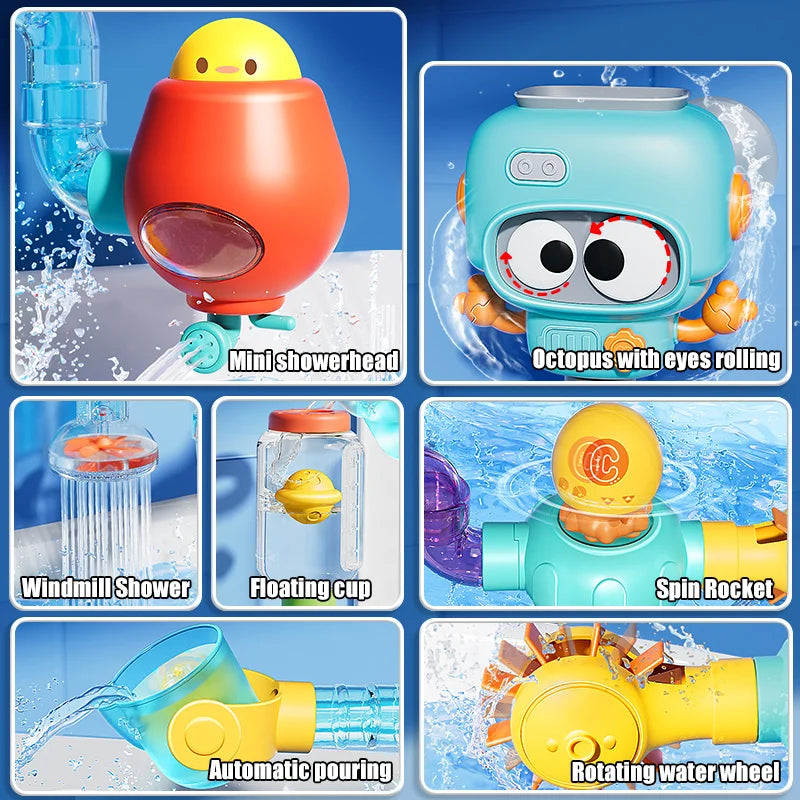
Bath pipe activities and sensory water play ideas — See it in action.
Frequently asked questions
How do Boon Bath Pipes work?
Boon Bath Pipes attach to the bathtub wall and connect together to create different water pathways. When water is poured into the top pipe, it flows through the connected pieces and creates a moving water stream.
How do you attach Boon Pipes to the bathtub?
Clean the tub surface first, press the suction cups firmly onto a smooth area, and test the attachment before adding water.
Why won't the suction cups stick?
Soap residue, textured surfaces, or excess moisture can reduce suction. Cleaning and drying the attachment area can improve grip.
How do you clean Boon Pipes bath toys?
Rinse pieces after every bath, remove trapped water, allow parts to dry completely, and perform deeper cleaning when needed.
How do you prevent mold inside bath pipes?
Prevent mold by drying pieces fully, avoiding sealed wet storage, and cleaning areas where moisture may collect.
What age are Boon Pipes recommended for?
They are designed for toddlers who can safely enjoy supervised bath play. Always check the product guidance before use.
Can Boon Pipes go in the dishwasher?
Cleaning recommendations depend on the specific model. Check the manufacturer's instructions before using a dishwasher.
What are the best Boon Pipes play ideas for toddlers?
Popular ideas include beginner pathways, loop designs, waterfall layouts, prediction games, and experimenting with different water flows.
- Pipe pieces clean and dry
- Suction cups securely attached
- Water temperature checked
- Adult supervision available
- Toys inspected before use
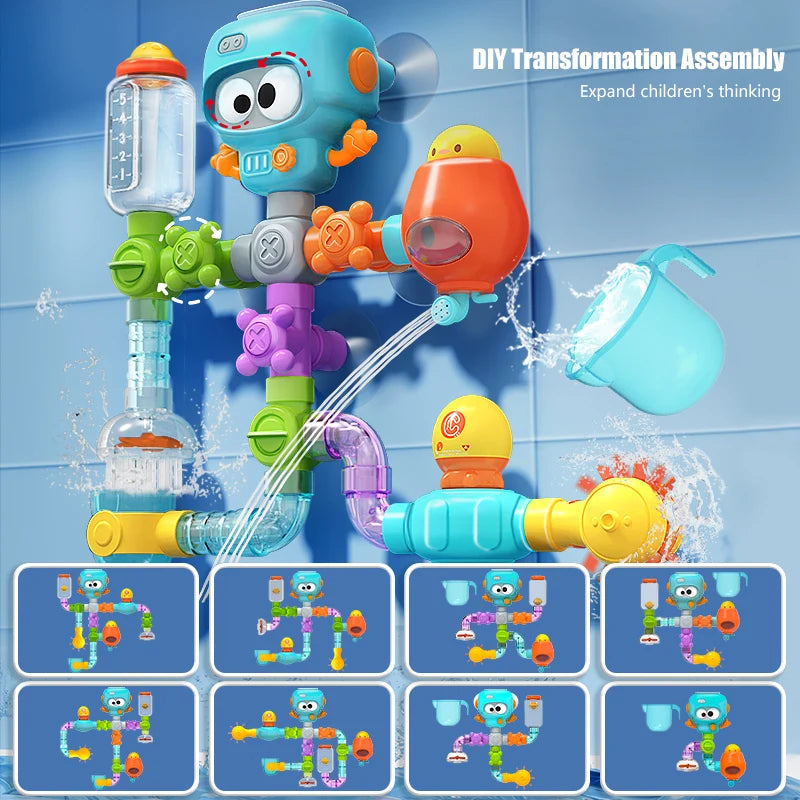
Water sensory toys and creative bath play — See it in action.
Related items to explore: Baby Bath Accessories , Baby Care Essentials , and Sensory Toys .
Pillar Article: Not Found
Other Related Articles:
- Bath Toys Holder Setup Guide: Keep Toys Dry, Clean, and Within Reach
- Toy Suction Cups Hacks: Make Bath Walls a Fun Play Zone
- Bathtub Toy Storage Tips That Make Cleanup Fast and Kid-Friendly
- Bath Toys Newborn Review: Gentle Starter Sets Parents Trust
Explore More:





