

Do suction plates really help babies and toddlers eat independently?
Yes—when used correctly, suction plates can reduce mealtime mess, keep dishes securely in place, and support developing self-feeding skills. Learning how to use suction plates properly, including preparing the surface, positioning the plate, and keeping it clean, helps babies and toddlers practice eating with greater confidence. While suction plates don't teach children how to eat on their own, they remove common frustrations so little ones can focus on scooping, grasping, and exploring food safely.
How to Use Suction Plates Correctly for Less Mess and More Independent Eating
⏱ 7 min read
If your child constantly pushes plates across the table, flips dishes onto the floor, or becomes frustrated while learning to self-feed, you're not alone. A quality suction plate can make mealtimes calmer by keeping food in place while your baby practices essential feeding skills. This guide explains how suction plates work, how to use them correctly, and simple habits that encourage safe, independent eating.
Explore tools and tips that support independence and safety. Try the baby wooden tableware set here .
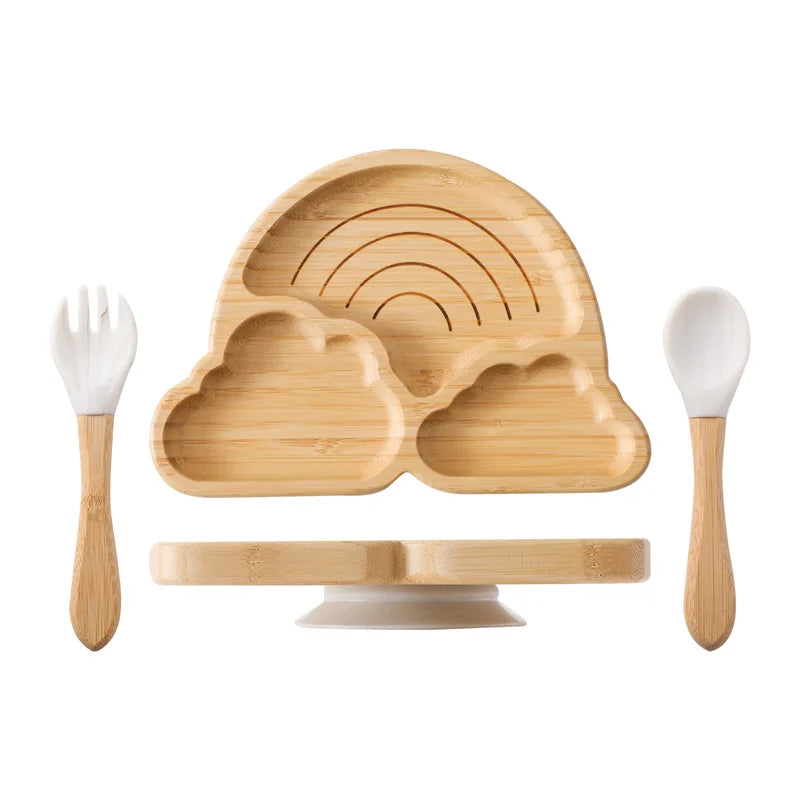
how to use suction plates, silicone suction plates, safe feeding for infants — See it in action.
Why suction plates work (and when they don't)
Direct answer: Properly used suction plates create a stable eating surface by forming a seal against smooth, non-porous surfaces. This stability helps babies and toddlers focus on picking up food, scooping with utensils, and practicing self-feeding instead of chasing a moving plate. They are an effective aid for reducing spills and supporting baby-led weaning, but they should always be used with active caregiver supervision.
How suction plates reduce mess and encourage self-feeding
Suction plates work by limiting unwanted movement during meals. Instead of sliding across the tray with every push, the plate stays in place, allowing children to concentrate on developing hand-eye coordination and fine motor control. This added stability can make learning to eat independently less frustrating for both toddlers and caregivers.
For families following baby-led weaning, a secure plate also encourages repeated practice with finger foods and beginner utensils while helping reduce unnecessary food spills and cleanup.
When suction plates won't solve the problem
- Textured, porous, or uneven tables prevent the suction base from creating a reliable seal.
- Food residue, moisture, or grease beneath the suction cup can weaken its grip.
- Worn, cracked, or warped suction bases should be replaced because they lose holding power over time.
- Suction plates improve stability but are not a substitute for close supervision during infant and toddler meals.
Quick steps: how to use suction plates (simple ordered guide)
Direct answer: Place the suction plate on a clean, dry, smooth surface, press firmly to remove trapped air, confirm the seal before serving food, and supervise your child throughout the meal. Consistent setup helps maximize grip while supporting safe self-feeding practice.
- Prepare the surface: Wipe the highchair tray or table until it's clean, dry, and free of crumbs or grease.
- Inspect the suction base: Check that the silicone base is flexible, clean, and undamaged.
- Position the plate: Place it on a flat section of the tray with the entire suction ring making contact.
- Create the seal: Press firmly in the center with your palm for 5–10 seconds to remove trapped air.
- Test the grip: Lift gently from one edge to ensure the plate remains securely attached before adding food.
- Serve age-appropriate meals: Offer bite-sized, manageable foods at a comfortable temperature to encourage successful self-feeding.
- Guide without taking over: Let your toddler practice scooping and grasping independently while providing gentle encouragement when needed.
- Remove correctly: Slide a finger beneath the release tab or edge of the suction base to break the seal instead of pulling the plate straight upward.
Choosing the best suction plates for babies: materials and safety
The best suction plates combine a strong suction base with child-safe materials and a practical design that supports self-feeding. Food-grade silicone remains the most popular choice because it offers excellent grip, flexibility, and durability while being gentle on little hands. When comparing options, look beyond appearance and consider how easily the plate stays in place, cleans up, and fits your child's stage of development.
Why silicone suction plates are popular
High-quality silicone suction plates are designed to withstand daily use while helping babies and toddlers practice independent eating. Many are naturally flexible, lightweight, and resistant to cracking if dropped.
- Food-grade, BPA-free silicone for everyday feeding.
- Wide suction bases that create a stronger seal on smooth surfaces.
- Raised edges or divided compartments that make scooping easier.
- Microwave- and dishwasher-safe designs when approved by the manufacturer.
- Soft material that's comfortable for little hands and gentle on tables.
Safety features to look for before buying
Not every suction plate performs the same. Before purchasing, check for clear material information, sturdy construction, and a suction base that covers a generous surface area. Plates with shallow sections often make it easier for beginners to scoop food without excessive frustration.
| Material | Best for | Considerations |
|---|---|---|
| Food-grade silicone suction plates | Daily self-feeding, baby-led weaning, strong grip | May stain with strongly colored foods if not cleaned promptly |
| Plastic plates with suction | Budget-friendly everyday use | Grip and long-term durability may vary by brand |
| Wooden tableware (non-suction) | Family meals and older toddlers with established feeding skills | Does not prevent sliding or tipping during early self-feeding |
Many families find that alternating a silicone suction plate during independent feeding practice with a baby wooden tableware set for shared family meals provides flexibility as children gain confidence. See the baby wooden tableware set at the product page .
Cleaning and maintaining suction plates safely
Regular cleaning keeps suction plates hygienic while helping the suction base maintain a strong seal. Food residue, grease, and moisture are among the most common reasons suction performance declines over time.
- Rinse soon after meals to prevent dried food from collecting around the suction rim.
- Wash with warm water and mild dish soap, or place on the dishwasher's top rack if the manufacturer recommends dishwasher cleaning.
- Allow both the plate and suction base to dry completely before storage.
- Inspect the silicone regularly for tears, cracks, discoloration, or reduced flexibility.
- Replace damaged plates to maintain food safety and reliable suction.
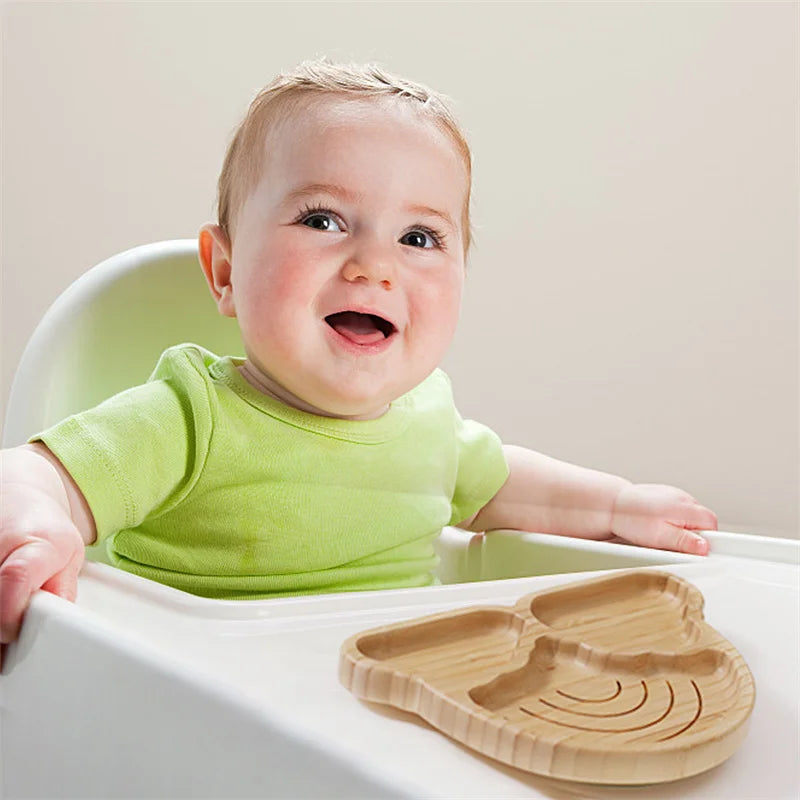
silicone suction plates, safe feeding for infants — See it in action.
Common suction plate problems and troubleshooting tips
Why suction plates stop sticking
Even quality suction plates can lose their grip if the feeding surface isn't suitable or the suction base isn't completely clean. Most sticking problems are easy to fix without replacing the plate.
- Clean away food residue, grease, and moisture from both the table and suction base.
- Avoid textured, porous, or uneven surfaces that prevent an airtight seal.
- Press firmly from the center to remove trapped air before serving food.
- Replace worn suction bases if they become stiff, cracked, or permanently warped.
How to improve suction performance
- Plate slides easily: Rewash and thoroughly dry both surfaces before pressing the plate firmly into place.
- Toddler removes the plate: Demonstrate how to release the suction correctly by lifting the designated edge or gently sliding a finger underneath rather than pulling upward.
- Lingering stains or odors: Soak the plate in warm water with baking soda, rinse thoroughly, and wash with mild soap before the next use.
- Weak grip over time: Check for damage to the suction ring and replace the plate if the silicone no longer forms a reliable seal.
Suction plates vs regular plates: which is better for toddlers?
Both suction plates and regular children's plates have a place in your child's feeding journey. The right choice depends on your toddler's developmental stage, feeding environment, and growing confidence at the table.
| Feature | Suction Plates | Regular Plates |
|---|---|---|
| Plate stability | Strong grip on smooth surfaces helps reduce sliding and tipping. | Can move easily when pushed or pulled. |
| Independent feeding | Supports early self-feeding practice by keeping food within reach. | Better suited to children with more established eating skills. |
| Cleaning | Easy to clean but the suction base should be washed thoroughly. | Typically simple to wash with fewer crevices. |
| Best stage | Baby-led weaning and early toddler self-feeding. | Older toddlers and family meals after feeding skills improve. |
Many families choose to use suction plates during the early stages of self-feeding and gradually introduce regular tableware as children develop better coordination and mealtime habits.
Practical toddler self-feeding tips with suction plates
Small habits that improve mealtime success
- Offer manageable portions that can be refilled instead of overloading the plate.
- Encourage your child to stay seated for short, positive meals rather than extending feeding sessions.
- Eat together whenever possible so toddlers can learn by watching others use utensils.
- Allow extra time for practice without rushing or correcting every mistake.
- Expect some mess as part of the learning process and focus on gradual progress.
Building confidence during independent eating
- Introduce one new food alongside familiar favorites to reduce mealtime stress.
- Praise effort, curiosity, and successful scooping instead of expecting a perfectly clean meal.
- Use child-sized spoons and forks that match your toddler's grip strength.
- Keep routines consistent so children know what to expect at each meal.
- Increase food variety gradually as coordination and confidence improve.
Suction plate safety checklist for babies
Using suction plates safely means combining the right product, proper preparation, and active supervision. While silicone suction plates can support safer and more independent feeding, they are designed as a mealtime aid rather than a replacement for caregiver attention.
- Always supervise meals: Stay close while infants and toddlers eat, especially during early self-feeding and baby-led weaning stages.
- Check the plate before each use: Make sure the silicone is intact, flexible, and free from cracks or damage.
- Prepare the surface correctly: Place the plate on a clean, dry, smooth surface to create a reliable suction seal.
- Use age-appropriate foods: Offer foods that match your child's feeding abilities and avoid serving extremely hot foods that may damage the material or create burn risks.
- Clean thoroughly after meals: Remove food residue from the plate and suction base to maintain hygiene and prevent odors.
- Replace when worn: A suction plate that no longer seals properly may not provide the stability needed for successful self-feeding practice.
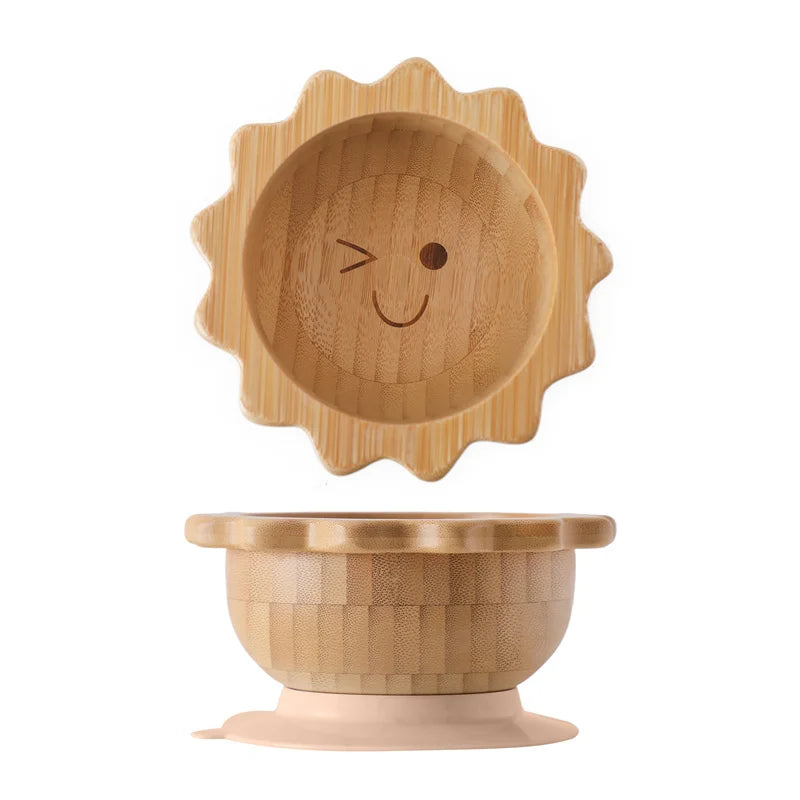
tips for toddler self feeding, baby wooden tableware set — See it in action.
Frequently asked questions about suction plates
-
Are suction plates safe for babies?
Yes, suction plates are generally safe when they are made from child-safe materials, used on suitable surfaces, cleaned properly, and used with adult supervision. They help reduce plate movement but do not replace safe feeding practices. -
What are the benefits of using suction plates for babies and toddlers?
Suction plates can reduce spills, make self-feeding practice easier, and help toddlers focus on scooping and grasping food. By keeping the plate stable, they support confidence while children develop coordination and feeding independence. -
When can babies start using suction plates?
Babies can typically begin using suction plates when they show readiness for self-feeding, such as sitting steadily, reaching for food, grasping objects, and showing interest in eating. Readiness signs are more important than a specific age. -
How do suction plates work?
Suction plates work by creating an airtight seal between the suction base and a smooth surface. When air is pressed out from beneath the base, pressure helps keep the plate stable during feeding. -
Why does my suction plate not stick?
Common causes include crumbs, moisture, oily surfaces, textured tables, or a damaged suction base. Cleaning both surfaces and pressing firmly to remove trapped air can often improve grip. -
Are silicone suction plates better than regular plates?
Silicone suction plates are often better for early self-feeding because they stay in place more easily. Regular plates may work well for older toddlers who already have stronger feeding skills and better control. -
Can suction plates go in the dishwasher or microwave?
Many silicone suction plates are dishwasher-safe and some are microwave-safe, but always check the manufacturer's instructions before using heat-based cleaning or cooking methods. -
How do I clean suction plates safely?
Wash suction plates with warm water and mild soap after each meal. Remove food from the suction area, allow the plate to dry completely, and inspect regularly for signs of wear.
For more feeding tools and practical how-tos, browse the Feeding & Nursing and Feeding & Nursing collections.
Pillar Article: Not Found
Other Related Articles:
- How to Make a Suction Cup Stick Again When Your Toddler Keeps Pulling It Off
- How to Make a Suction Cup Stick: Simple Steps for Stronger Baby Plate Hold
- How Do Suction Cups Work? A Parent-Friendly Guide to Better Plate Grip
- Best Utensils for Toddlers Review: Top Picks for Safer, Easier Self-Feeding
Explore More:





