

Best Way to Wash Baby Bottles at Home: Step-by-Step for New Parents
Does the best way to wash baby bottles really keep them safe?
Answer: The best way to wash baby bottles is to rinse them immediately after feeding, wash every part with warm soapy water using the right brush, and sanitize when needed with boiling water, steam, or another approved method. These baby bottle cleaning steps help remove leftover milk, reduce residue buildup, and support safer feeding routines for newborns and infants.
⏱ 7 min read
Learning how to clean baby bottles correctly helps new parents create a safer and easier feeding routine. Milk residue can hide inside bottle openings, nipples, and small components, making thorough cleaning essential after every feed. This guide explains the best way to wash baby bottles at home, including the right cleaning order, tools like a bottle brush for narrow neck bottles, and simple habits that help keep bottles fresh and ready for your baby.
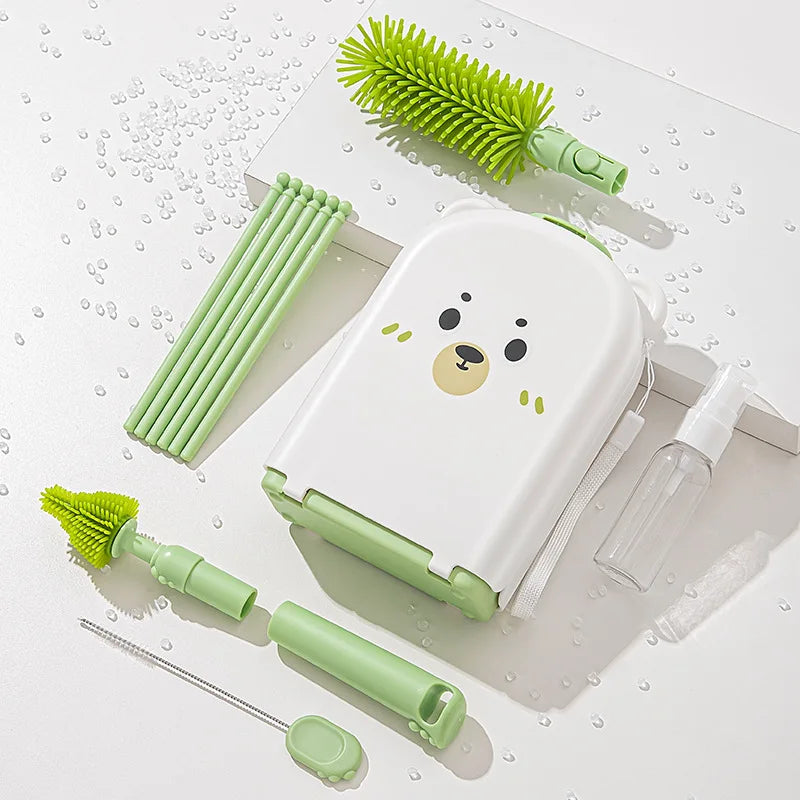
best way to wash baby bottles, bottle brush for narrow neck bottles — See it in action.
Why the best way to wash baby bottles matters
Properly cleaning baby feeding bottles is an important part of newborn hygiene. Leftover formula, breast milk, or moisture can create a place where bacteria and odors develop if bottles are not cleaned thoroughly.
Newborns have developing immune systems, which is why parents should focus on consistent cleaning habits rather than only quick rinses. Knowing how to wash newborn bottles helps remove milk proteins, oils, and residue that can remain inside bottles, nipples, and valves.
A reliable cleaning routine can make feeding easier by preventing unpleasant smells, reducing buildup, and ensuring bottles are ready whenever your baby needs them.
Quick step-by-step overview (for busy parents)
- Empty leftover milk and rinse bottles, nipples, and accessories immediately after feeding.
- Separate all removable parts before washing.
- Use warm water, mild dish soap, and a bottle brush for narrow neck bottles to clean hard-to-reach areas.
- Rinse until all soap residue is removed.
- Allow bottles to air-dry completely on a clean surface.
- Sanitize bottles when recommended, especially for newborns, after illness, or when parts need extra cleaning.
Detailed cleaning steps: the best way to wash baby bottles
Direct answer: The best way to wash baby bottles combines immediate rinsing, careful disassembly, thorough scrubbing, complete drying, and proper sanitizing when needed. This process removes milk residue from both visible surfaces and smaller bottle components where buildup can hide.
Step 1 — Rinse bottles immediately after feeding
Start cleaning as soon as possible after your baby finishes feeding. Pour out leftover milk and rinse the bottle, nipple, and removable parts with warm water. This prevents milk from drying onto surfaces and makes the later washing process faster.
Step 2 — Separate and inspect every bottle part
- Remove nipples, rings, caps, valves, liners, and other detachable pieces.
- Check for cracks, tears, cloudiness, or signs of wear.
- Separate small parts so water and soap can reach every surface.
Disassembling bottles completely is one of the most important baby bottle cleaning steps because residue often collects around connection points and small openings.
Step 3 — Wash bottles, nipples, and parts with soap and water
Use warm water and mild dish detergent to clean each component. A bottle brush for narrow neck bottles helps reach the bottom, corners, and curved areas that hands cannot easily clean.
- Scrub the inside walls of bottles to remove milk film.
- Clean nipples carefully to remove trapped residue.
- Use smaller brushes for valves, vents, and tiny openings.
For parents who prefer hand washing baby bottles , a dedicated cleaning basin and separate brush can help keep feeding items cleaner and easier to manage.
Step 4 — Rinse thoroughly and check for residue
Rinse every bottle part under clean running water until no soap film remains. Inspect nipples and small openings carefully because leftover milk can stay trapped in areas that are easy to miss.
Step 5 — Air dry and store safely
- Place washed bottles and parts on a clean drying rack or dedicated drying surface.
- Allow all pieces to dry completely before reassembling.
- Avoid using shared kitchen towels because they may transfer germs back onto clean bottles.
Step 6 — Sanitize baby bottles when needed
Sanitizing provides an extra level of cleaning for situations where bottles need additional protection. Many parents sanitize more often during the newborn stage, after illness, or when recommended for specific feeding situations.
- Boiling method: Place heat-safe bottle parts in boiling water according to manufacturer guidance.
- Steam sterilizer method: Use electric steam devices designed for baby feeding accessories.
- Other sanitizing options: UV sterilizers or microwave steam solutions may provide convenient alternatives when used correctly.
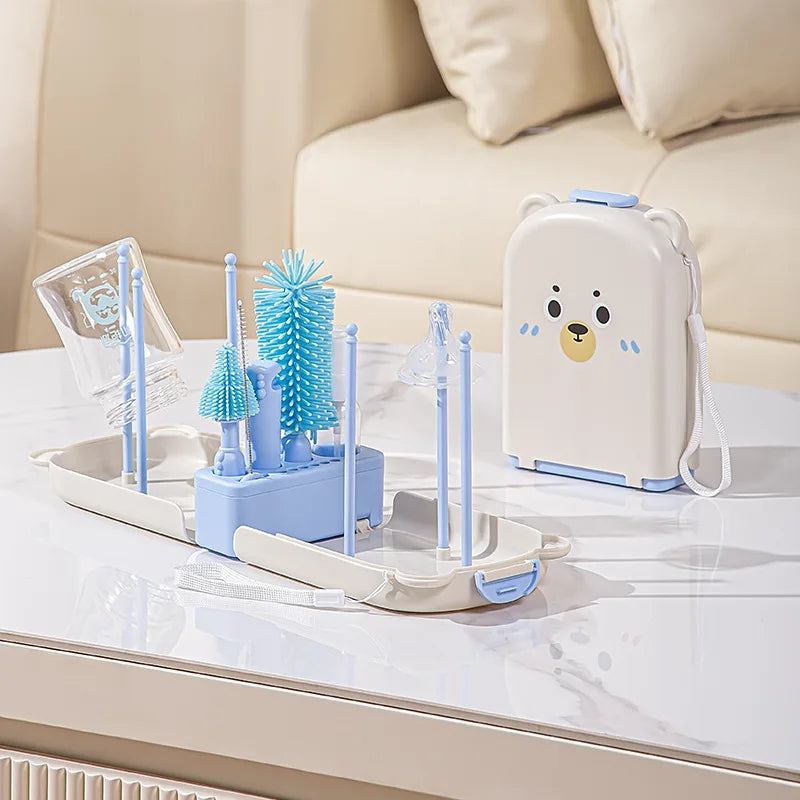
bottle cleaning kit, hand washing bottles — See it in action.
Tools and how they help: bottle brush, bottle cleaning kit, sterilization devices
The right bottle cleaning tools make daily feeding cleanup faster and help remove milk residue from hard-to-reach areas. A complete bottle cleaning kit does not need to be complicated—focus on tools that improve hygiene, reach narrow spaces, and allow bottles to dry properly.
Must-have: bottle brush for narrow neck bottles
A bottle brush for narrow neck bottles is one of the most important tools when learning how to clean baby bottles. Standard sponges often cannot reach the bottom, corners, or curved areas where milk film can collect.
- Flexible brush head: Reaches bottle bases, corners, and curved surfaces without forcing the brush.
- Long handle: Makes it easier to scrub deep bottles while keeping hands away from leftover milk residue.
- Soft bristles: Help clean effectively while reducing the risk of scratches that can trap bacteria over time.
Helpful extras for a complete bottle cleaning kit
- Nipple brush: Cleans small openings, vents, and nipple interiors where milk can remain.
- Small bottle brush set: Provides different sizes for narrow neck bottles, wide bottles, and feeding accessories.
- Dedicated drying rack with cover: Keeps washed bottles separated from household dishes and reduces dust exposure while drying.
Sanitizers and sterilization devices
After completing regular baby bottle cleaning steps , sanitizing adds an extra layer of protection when needed. Steam sterilizers provide a convenient option for frequent bottle use, while boiling remains an affordable method that requires no additional equipment. For travel, microwave steam bags or compact sterilizer cases can make sanitizing easier when space is limited.
On-the-go and travel-friendly washing
Keeping bottles clean while traveling requires a simple routine and portable supplies. A small bottle cleaning kit can help maintain the same hygiene habits used at home, even when access to a full kitchen is limited.
- Pack a compact bottle brush and travel-sized cleaning supplies for quick washing anywhere.
- Rinse bottles as soon as possible after feeding to prevent milk residue from drying.
- Carry pre-measured dish soap packets and a collapsible basin for easier cleaning in hotels or temporary spaces.
Product tip: A dedicated travel brush can save space and keep bottle cleaning supplies separate from other toiletries. See /products/travel-baby-bottle-brush-set as a reference for compact options.
Common mistakes parents make (and how to avoid them)
Even with a good cleaning routine, small mistakes can leave behind milk residue or shorten the life of feeding supplies. Avoid these common bottle washing problems:
- Rinsing only: A quick rinse removes loose milk but may leave behind protein and fat residue. Use soap, warm water, and a proper brush to clean bottle surfaces thoroughly.
- Using shared towels: Dry bottles on a dedicated clean surface instead of using regular kitchen towels that may carry germs from other dishes.
- Skipping nipple checks: Inspect nipples, valves, and small parts regularly for trapped residue, cracks, or signs of wear.
- Over-sanitizing unnecessarily: Regular washing is the foundation of bottle hygiene. Excessive heat exposure may reduce the lifespan of some plastic components, so follow manufacturer care instructions.
Comparison: hand washing vs. dishwasher vs. sterilizer
| Method | Time | Effectiveness | Best for |
|---|---|---|---|
| Hand washing | 10–15 min | High when using warm water, dish soap, and a bottle brush | Daily cleaning, delicate bottles, and parents who want full control |
| Dishwasher (top rack) | Longer cycle | Good when bottles are dishwasher-safe and placed correctly | Families cleaning multiple bottles at once |
| Steam sterilizer | 5–10 min | Very high for reducing germs after washing | Newborns, premature infants, or after baby illness |
Mini FAQ
-
How often should I sanitize baby bottles?
Sanitize bottles regularly based on your baby's age, health needs, and manufacturer instructions. Many families sanitize weekly or after illness while continuing to wash bottles after every feeding.
-
Can I use the dishwasher to clean baby bottles?
Yes, if the bottle manufacturer confirms the parts are dishwasher-safe. Place bottles, nipples, and accessories on the top rack, use a hot water cycle, and allow all parts to dry completely before storing.
-
When should I replace baby bottle nipples?
Replace nipples when they become cracked, sticky, thinner, discolored, or show signs of damage. Regular inspections help prevent worn parts from affecting feeding safety.
Expert tips for keeping baby bottles cleaner longer
- Wash bottles as soon as possible after feeding to prevent dried milk buildup.
- Keep bottle brushes and drying racks clean by washing them regularly and allowing them to air-dry.
- Store completely dry bottles in a clean, covered area to reduce dust and contamination.
- Replace damaged bottle parts promptly because scratches, cracks, and worn silicone can collect residue.
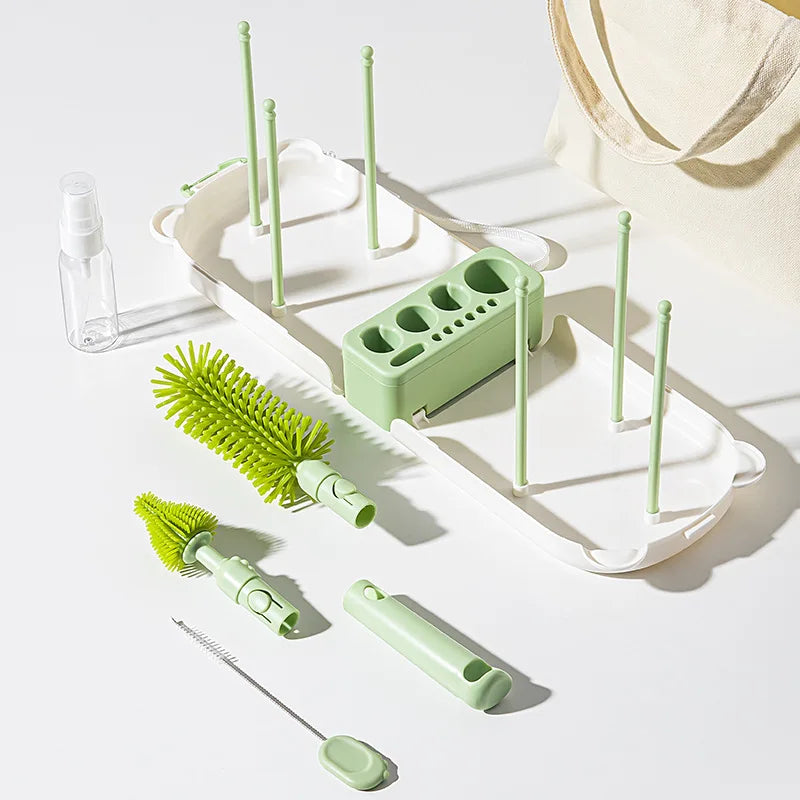
hand washing bottles, bottle cleaning kit — See it in action.
Frequently asked questions about washing baby bottles
What is the best way to wash baby bottles?
The best way to wash baby bottles is to rinse them immediately after feeding, separate all parts, clean with warm soapy water using a bottle brush for narrow neck bottles, rinse away soap residue, and allow every piece to dry completely. Sanitize when needed based on your baby's age, health, and care instructions.
How do you wash newborn bottles?
To wash newborn bottles, disassemble bottles completely, clean nipples, rings, caps, and valves separately, scrub inside surfaces with a dedicated bottle brush, rinse thoroughly, and dry on a clean surface. Newborn feeding supplies may require more frequent sanitizing depending on healthcare guidance and individual needs.
How often should you clean baby bottles?
Baby bottles should be washed after every feeding to remove milk residue and prevent buildup. Regular cleaning includes soap, water, and brushing, while sanitizing can be done as recommended by the bottle manufacturer or your baby's care provider.
Do baby bottles need to be sterilized after every use?
No. Most families do not need to sterilize bottles after every use once they have an effective washing routine. Regular cleaning after feeds is essential, while sanitizing is typically reserved for situations such as newborn care, illness, or specific product instructions.
Can you wash baby bottles in the dishwasher?
Yes, many baby bottles can be washed in a dishwasher if they are labeled dishwasher-safe. Place bottles and larger parts on the top rack, secure small pieces in a basket, and allow everything to dry fully before storing.
How do you remove milk smell from baby bottles?
To remove milk odors, wash bottles thoroughly with warm water and mild dish soap, scrub hard-to-reach areas with a bottle brush, and let parts air-dry completely. Replacing worn or scratched plastic parts can also help prevent lingering smells.
Keep your routine simple: Clean bottles after each feeding, use the right tools for hard-to-reach areas, allow parts to dry fully, and follow safe storage habits. A consistent bottle care routine supports better hygiene while making daily feeding cleanup easier for busy parents.
Pillar Article: How to Sanitize Baby Accessories Safely: A Simple Step-by-Step Guide
Other Related Articles:
- Portable BPA-Free Bottle Cleaning Kit Guide: Clean Bottles Anywhere
- Silicone Baby Bottle Cleaning Brush Tips: How to Clean Bottles Faster
- Newborn-Safe Bottle Cleaning Set Reviews: Which Kits Offer the Best Hygiene?
Explore More:





