

Does sanitizing baby accessories really keep germs away?
Short answer: Yes. Knowing how to sanitize baby accessories helps remove most harmful germs from feeding equipment and toys when done correctly. Wash items thoroughly with a bottle cleaner and sanitizer first, rinse well, then sanitize using a BPA free bottle sterilizer, boiling water, or another recommended method. A consistent routine provides the best protection for your baby's everyday essentials.
⏱ 12 min read
How to Sanitize Baby Accessories Safely: A Simple Step-by-Step Guide
Baby bottles, pacifiers, nipples, breast pump parts, teethers, and feeding accessories are used multiple times every day, making proper hygiene essential. While regular washing removes visible dirt and milk residue, sanitizing adds an extra layer of protection by reducing harmful bacteria and viruses that may remain on surfaces. This guide explains how to sanitize baby accessories safely using proven methods, including a bottle cleaner and sanitizer, boiling water, dishwasher sanitizing cycles, and a BPA free bottle sterilizer, so you can build a cleaning routine that is both effective and easy to maintain.
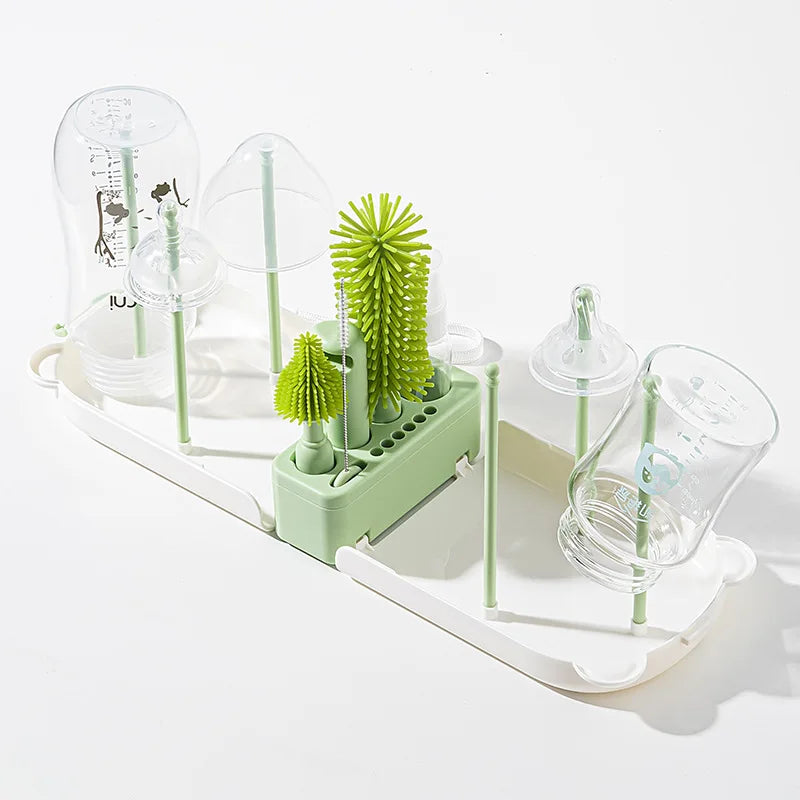
How to sanitize baby accessories using proper bottle cleaning techniques and safe sterilizing methods.
Why sanitize baby accessories?
Babies frequently place bottles, pacifiers, teethers, spoons, and toys in their mouths. Even after visible dirt has been washed away, microorganisms can remain on these surfaces. Proper sanitizing helps reduce harmful germs that may contribute to stomach illnesses, respiratory infections, and contamination of feeding equipment.
Sanitizing is especially important during the newborn stage, after illness, when using shared feeding equipment, or whenever accessories come into contact with contaminated surfaces. Combined with thorough washing, it creates a safer feeding environment while extending the cleanliness of everyday baby items.
What to sanitize and how often
Not every accessory requires the same cleaning schedule. Prioritizing items that come into direct contact with your baby's mouth or milk helps maintain good hygiene without adding unnecessary work.
- Daily: Baby bottles, nipples, breast pump parts that contact milk, feeding spoons, bowls, and reusable food containers.
- After each use: Pacifiers, teethers, bottle caps, bottle valves, and toys that frequently go into your baby's mouth.
- Weekly: Bath toys, stroller snack trays, high-chair trays, toy bins, and larger washable toys.
- Immediately after illness: Sanitize all feeding equipment, pacifiers, and frequently handled accessories used during the previous 48 hours to help reduce the spread of germs.
Materials and tools that make it easier
You don't need an elaborate setup to keep baby equipment clean. A few dedicated tools make daily washing and sanitizing faster while helping prevent cross-contamination with household dishes.
- Bottle cleaner and sanitizer: A dedicated bottle brush with nipple brushes paired with a steam or approved sanitizing system.
- BPA free bottle sterilizer: Electric or microwave steam sterilizers designed specifically for baby bottles and accessories.
- Dishwasher: Ideal for dishwasher-safe bottles and accessories using the hot-water sanitizing cycle.
- Large boiling pot: Suitable for glass bottles and heat-resistant plastic components when recommended by the manufacturer.
- Fragrance-free dish soap: Removes milk residue, oils, and formula before sanitizing.
- Clean drying rack: Allows equipment to air-dry completely without introducing new contaminants.
Step-by-step: cleaning vs sanitizing vs sterilizing
These terms are often used interchangeably, but they describe different levels of hygiene. Understanding the difference helps you choose the right method for your baby's age and situation.
- Cleaning: Removes visible dirt, milk residue, and grease using warm water, dish soap, and a dedicated brush.
- Sanitizing: Reduces germs to safer levels through heat, steam, dishwasher sanitizing cycles, boiling water, or approved sanitizing solutions.
- Sterilizing: Eliminates nearly all microorganisms and is commonly recommended for newborns, premature infants, or babies with weakened immune systems.
Direct answer: how to sanitize baby accessories
Begin by disassembling each item and washing every surface thoroughly with warm water, fragrance-free dish soap, and a dedicated bottle cleaner. Rinse completely to remove soap residue. Next, sanitize using boiling water for about 5 minutes, a BPA free bottle sterilizer, a steam sterilizer, or a dishwasher sanitizing cycle if the manufacturer approves. Allow every item to air-dry completely on a clean drying rack before storing or reassembling it.
Safe methods explained (boiling, steam, dishwasher, chemicals)
1) Wash first — always
Every sanitizing method starts with proper cleaning. Wash each item with warm water, mild dish soap, and a dedicated bottle brush to remove milk residue, food particles, and oils. Disassemble bottles, nipples, anti-colic valves, and breast pump components so every surface is cleaned thoroughly. Sanitizing cannot work effectively if dirt or dried formula remains on the equipment.
2) Boiling (simple, no gadget required)
- Fill a clean pot with enough water to completely cover all items.
- Disassemble bottles and accessories before placing them into the water.
- Bring the water to a rolling boil and maintain boiling for approximately 5 minutes, or longer if recommended by the manufacturer.
- Remove items carefully using clean tongs.
- Place everything on a clean drying rack and allow it to air-dry completely.
Best for: Glass bottles, silicone nipples, pacifiers, and heat-resistant plastic accessories.
Avoid: Electronic parts, insulated containers, and products that are not designed for prolonged exposure to high heat.
3) Steam sterilizers (fast and reliable)
Electric and microwave steam sterilizers sanitize using high-temperature steam without requiring chemical disinfectants. They are convenient for families who clean bottles several times each day because they sanitize multiple items quickly while reducing repeated exposure to boiling water that may shorten the lifespan of some plastic accessories.
Arrange items according to the manufacturer's instructions so steam can circulate freely, then allow them to cool before handling.
4) Dishwasher (convenient)
If your bottles and accessories are labeled dishwasher-safe, place them on the top rack or inside a dedicated basket for small parts. Select the hottest available wash combined with the sanitizing cycle whenever possible. After the cycle finishes, allow items to air-dry rather than towel-drying them to minimize recontamination.
5) Chemical sanitizers (use with caution)
Baby-safe sanitizing tablets and approved food-contact sanitizing solutions can be useful while traveling or when boiling and steam sterilization are unavailable. Always prepare the solution exactly as instructed, observe the required contact time, and rinse items if the manufacturer recommends doing so. Never substitute household cleaners or stronger disinfectants that are not intended for infant feeding equipment.
Troubleshooting & mistakes to avoid
- Don't skip washing first: Sanitizing cannot remove dried milk, grease, or food residue. Always clean thoroughly before applying heat or sanitizing solutions.
- Avoid overheating plastic: Some plastics can warp or degrade after repeated boiling. Follow the manufacturer's care instructions or use a BPA free bottle sterilizer when appropriate.
- Clean hidden components: Bottle vents, anti-colic valves, silicone seals, and breast pump connectors often trap residue that can encourage bacterial growth.
- Replace damaged accessories: Cracked bottles, torn nipples, worn pacifiers, or scratched plastic surfaces become harder to clean effectively and should be replaced.
- Use chemicals carefully: Only use sanitizing products specifically intended for baby feeding equipment, and never exceed recommended concentrations.
- Avoid towel drying: Freshly washed towels may still introduce bacteria. Air-drying on a clean rack is the safest option.
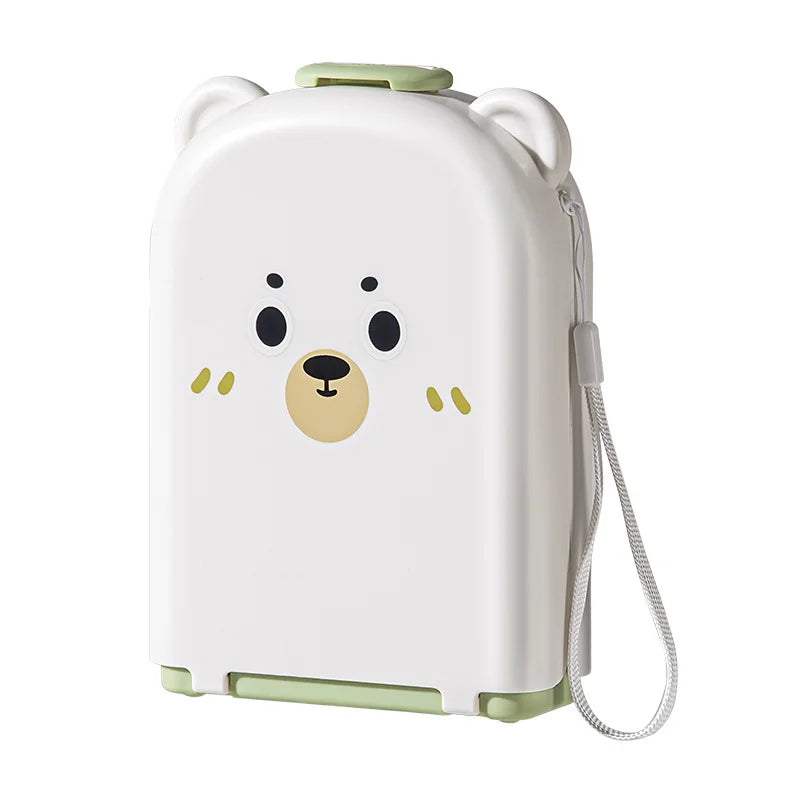
Proper bottle cleaning followed by safe sanitizing helps keep feeding equipment ready for everyday use.
Frequently asked questions
-
How often should I sanitize baby bottles?
For healthy newborns, many pediatric healthcare providers recommend sanitizing bottles, nipples, and feeding equipment daily during the first few months or as advised by your doctor. As babies grow and their immune systems mature, thorough washing after each use combined with regular sanitizing is generally sufficient unless your child is sick or has specific medical needs.
-
Is boiling as effective as a baby bottle sterilizer?
Yes. Boiling and steam sterilizers are both effective methods when used correctly. Boiling is inexpensive and requires no special equipment, while a steam sterilizer offers greater convenience, shorter preparation time, and repeated use without exposing plastic items to frequent boiling.
-
Can I sterilize breast pump parts?
Most breast pump parts that come into contact with milk can be sanitized after being thoroughly washed. Always disassemble every removable component and follow the pump manufacturer's instructions because certain valves, tubing, or electronic parts may require special care.
-
Are chemical sanitizing tablets safe?
Baby-safe sanitizing tablets and solutions are safe when used exactly according to their instructions. Measure the solution carefully, allow the recommended contact time, and rinse items if directed. Never use household disinfectants that are not intended for infant feeding equipment.
-
How do I dry and store sanitized items?
Allow bottles and accessories to air-dry completely on a clean drying rack. Avoid wiping them with kitchen towels, which may transfer bacteria. Store fully dry items in a clean cabinet or covered container until they are needed.
When to check manufacturer instructions
Every baby product is made from different materials, so always review the care instructions before sanitizing. Some plastics tolerate boiling and steam, while others may warp or degrade under prolonged heat. Glass bottles generally withstand high temperatures well, but electronic accessories, insulated containers, and products with electrical components should never be immersed in boiling water.
If you are uncertain which sanitizing method is appropriate, follow the manufacturer's recommendations or choose a compatible BPA free bottle sterilizer designed for infant feeding equipment. Replacing worn or damaged accessories is safer than continuing to sanitize products with cracks, deep scratches, or deteriorating silicone components.
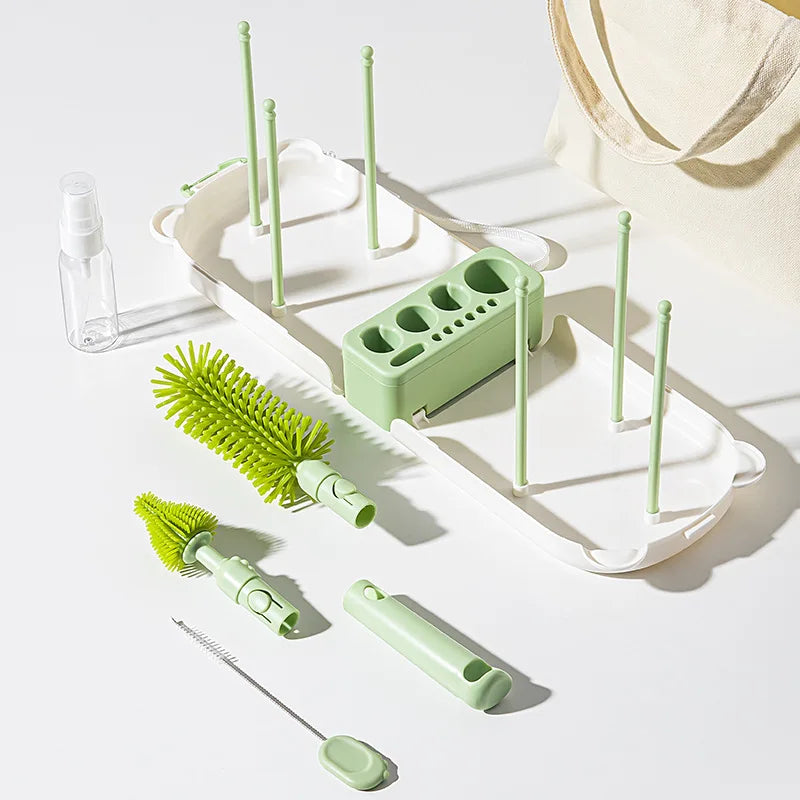
Clean, sanitize, air-dry, and store baby feeding accessories properly to help maintain everyday hygiene.
Related Articles:
- Best Way to Wash Baby Bottles at Home: Step-by-Step for New Parents
- Portable BPA-Free Bottle Cleaning Kit Guide: Clean Bottles Anywhere
- Silicone Baby Bottle Cleaning Brush Tips: How to Clean Bottles Faster
- Newborn-Safe Bottle Cleaning Set Reviews: Which Kits Offer the Best Hygiene?
Pillar Articles:
- Complete Baby Bottle Cleaning Set Review: The Proven Advantages Parents Notice
- Sanitary Baby Bottle Concerns Explained: Solutions for Every Feeding Routine
- Hygienic Travel Baby Feeding Tools Breakdown: Why They Keep Bottles Safer
- Cleaning Newborn Bottles Comparison: Best Brushes for Stress-Free Hygiene





