

Does using a nasal aspirator on a newborn really help?
Yes — using a nasal aspirator correctly can clear a newborn’s nasal passages quickly and safely, helping the baby breathe, feed, and sleep better. Learn how to use nasal aspirator on newborn with gentle steps, when to use saline (best infant nasal spray), and how to combine techniques to reduce discomfort and improve newborn health.
⏱ 13 min read
How to Use a Nasal Aspirator on Newborn: Step-by-Step Guide
Knowing how to use nasal aspirator on newborn can turn frantic, sleepless nights into calm, manageable moments. This guide gives clear steps, safety tips, and practical routines for gentle newborn nasal care — plus when to pair the aspirator with the best infant nasal spray and other newborn health tips for fast relief.
Why clearing a newborn’s nose matters
Newborns are obligate nose breathers for much of their first months, so even a small amount of mucus can make feeding, sleeping, and calming difficult. A clear nose helps with:
- Better feeding: less effort required to breathe while nursing or bottle-feeding.
- Improved sleep: fewer wake-ups from congestion discomfort.
- Reduced fussiness: easier soothing and lower stress during care.
- Lower risk of shallow breathing and poor oxygenation during severe congestion.
Explore gentle, parent-approved picks in Baby Growth & Learning .
Quick answer: how to use nasal aspirator on newborn
Direct answer: Use saline drops first to loosen mucus, then gently insert the aspirator tip into the nostril (not deeply) and create suction to withdraw mucus; repeat on the other side. Clean the aspirator after each use and use only as needed to avoid irritating delicate nasal tissue.
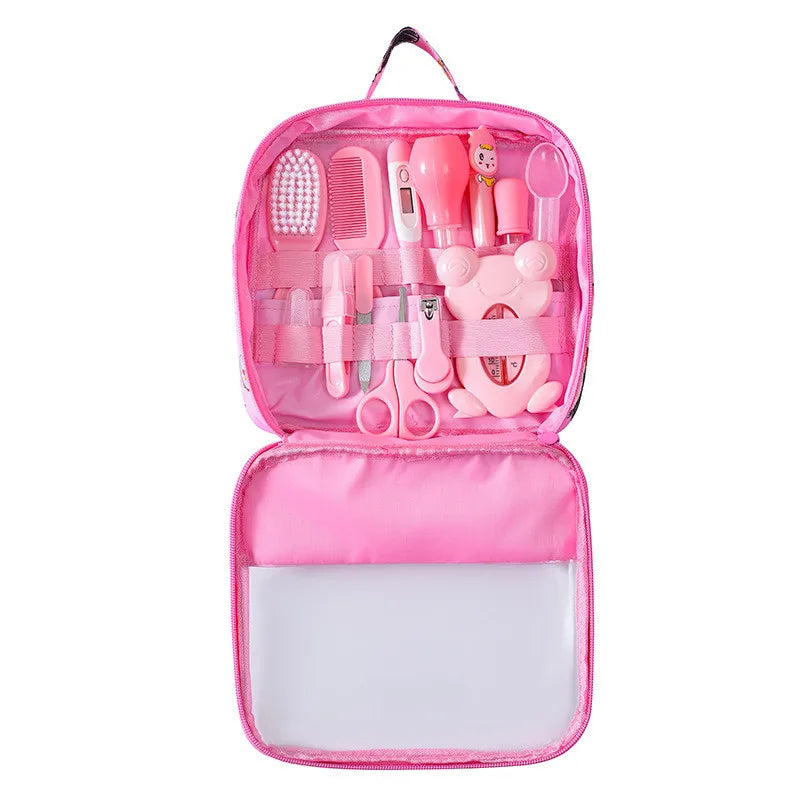
how to use nasal aspirator on newborn • gentle newborn nasal care • See it in action
What you’ll need (prep checklist)
- Soft bulb aspirator or electric nasal aspirator (clean & ready)
- Saline drops or spray (the best infant nasal spray recommended by pediatricians)
- Clean tissues or soft cloths
- Hand sanitizer or soap to wash hands
- Optional: a towel to prop under baby’s shoulder for a slight tilt
Step-by-step: using a bulb aspirator (manual)
Direct answer: Squeeze the bulb before placing the tip just inside the nostril, release to draw out mucus, then squeeze into a tissue away from the baby. Use saline before suction for sticky mucus and clean the bulb immediately after use.
- Wash your hands. Clean hands reduce infection risk.
- Position the baby. Lay baby on back with head slightly elevated (a rolled towel under shoulders helps keep chin lifted).
- Loosen mucus. Put 1–2 saline drops in the nostril and wait 30–60 seconds for softening.
- Prepare the bulb. Squeeze the bulb to expel air entirely so it’s ready to create suction.
- Insert the tip gently. Place the tip just inside the nostril — never force it deep. The tip should stay near the entrance.
- Release to suction. Slowly release the bulb so it draws mucus into the bulb.
- Remove and empty. Pull the bulb straight out and squeeze the contents into a tissue, away from your face.
- Repeat on the other nostril. Use saline again if needed and repeat steps for the second side.
- Clean the bulb. Wash with warm soapy water, rinse thoroughly, and air dry. Sterilize if the manufacturer recommends it.
Notes: Keep sessions short (a few attempts per nostril) and stop if the baby becomes very upset; try again later. Only use suction as needed — frequent suctioning can irritate the nasal lining.
Step-by-step: using an electric/suction aspirator
Electric aspirators often offer adjustable suction and a collection chamber for easier cleaning. Follow the manufacturer's instructions, but the core steps mirror the bulb aspirator approach:
- Wash your hands and assemble the device.
- Apply saline drops and wait for mucus to loosen.
- Turn the aspirator on at low suction for the first try.
- Place the soft tip at the nostril entrance — do not insert deeply.
- Suction briefly (2–3 seconds) then lift and check the collection cup.
- Repeat on the other nostril as needed.
- Disassemble and clean the collection chamber and tips per instructions.
Find practical picks in Baby Hygiene Gadgets .
When and how to use saline (best infant nasal spray)
Saline is gentle, non-medicated, and the best infant nasal spray option for loosening mucus before suction. Use it when the baby has sticky or thick secretions or when suction alone doesn’t remove mucus.
- How much: 1–2 drops or 1–2 sprays per nostril depending on the product instructions.
- Timing: Wait 30–60 seconds after saline application before suctioning to allow mucus to loosen.
- Frequency: Use saline multiple times per day if necessary; saline alone can also be used to keep nasal passages moist.
- Age: Saline is safe for newborns, but check the product label and consult your pediatrician if your baby has special health needs.
Safety, hygiene, and age considerations
Gentle care matters. Follow these rules to protect delicate nasal tissue and reduce infection risk:
How often is safe?
- Use suctioning only when nasal blockage interferes with feeding, sleeping, or breathing comfort — typically a few times a day at most.
- Frequent suctioning (every hour) can irritate the nasal lining; opt for saline or simply monitor until mucus thins.
Cleaning & storage
- Clean bulb aspirators after each use with warm soapy water, rinse well, and air dry.
- Disassemble electric aspirators per instructions and sterilize removable parts if manufacturer permits.
- Replace tips and filters on the schedule recommended by the device maker.
When to call a doctor
- If the baby has trouble breathing despite clearing the nose.
- Fever over 100.4°F (38°C) in newborns — seek medical advice immediately.
- If suctioning causes bleeding, persistent irritation, or the baby shows unusual lethargy.
Troubleshooting & alternatives
What if suction doesn’t work? Here are alternatives and fixes:
- Mucus too thick: Use a few extra saline drops and wait longer (60–90 seconds) before trying again.
- Baby too upset: Pause, soothe, and try again later; use quick, calm movements to reduce fussing.
- Persistent congestion: Consider humidified air (cool-mist humidifier), nasal saline regularly, or ask a pediatrician about prescription options.
Comparison: aspirator types at a glance
| Type | How it works | Pros | Cons |
|---|---|---|---|
| Bulb aspirator | Manual squeeze and release | Cheap, simple, portable | Less control, cleaning can be messy |
| Electric aspirator | Motorized suction with collection chamber | Adjustable suction, cleaner, convenient | Cost, requires charging or batteries |
| Mouth-to-tip aspirator | Parent-created suction via tube and filter | Precise control | Some parents dislike the idea; requires proper filter |
Quick pros & cons (✅/❌)
- ✅ Bulb: simple, cheap, good for quick fixes.
- ❌ Bulb: can lose suction if not used correctly; hygiene issues if not cleaned.
- ✅ Electric: controlled, hygienic collection, good for frequent use.
- ❌ Electric: higher price, needs maintenance.
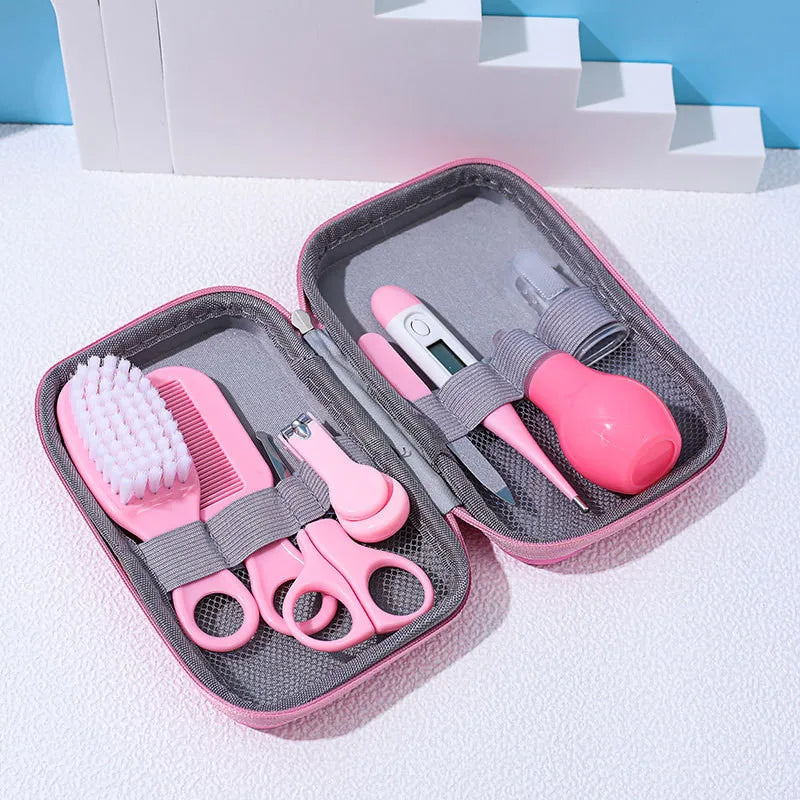
gentle newborn nasal care • best infant nasal spray • See it in action
Daily routine: gentle nasal care that fits your day
Building a short, repeatable routine prevents spikes of congestion and helps you feel in control — especially during cold season.
Sample routine (morning / before naps / bedtime)
- Check baby’s breathing and nasal airflow visually and by touch.
- If noisy or blocked, use saline drops and wait 45–60 seconds.
- Suction gently (bulb or electric) — keep it short.
- Wipe, clean, and put aspirator parts to dry.
- Use a cool-mist humidifier in baby’s room at night when air is dry.
Travel and outings
- Bring a compact aspirator and single-use saline sachets for quick relief on the go.
- When flying with an infant, plan to use saline before takeoff/landing if congestion is present to ease pressure changes.
Real parents: common quick testimonials
“Using saline first changed everything — suction worked so much faster and my little one calmed down quicker.” — Sarah, new mom.
“We switched from a bulb to an electric aspirator and noticed less mess and faster results during night wakings.” — Daniel, parent of a newborn.
Visual: quick pros/cons recap and safety checklist
- Do: Use saline, be gentle, clean tools after each use.
- Don’t: Insert the tip deeply, suction for too long, or overuse unnecessarily.
- Call a doctor: If the baby has breathing difficulty, high fever, or bleeding.
When congestion needs medical attention
Some signs mean it’s time to contact a pediatrician or seek urgent care:
- Rapid or labored breathing (flaring nostrils, chest pulling in).
- Color changes (blue lips or face) during feeding or rest.
- Persistent high fever (100.4°F / 38°C or higher in newborns).
- Refusal to feed or lethargy.
How to choose the right aspirator
Pick a device that suits your household needs, frequency of use, and hygiene preferences.
Considerations
- Frequency: Frequent congestion benefits from electric aspirators with collection cups.
- Budget: Bulbs are inexpensive; electric units cost more upfront but can save time.
- Hygiene: Look for easy-to-disassemble designs and dishwasher-safe parts.
- Noise & portability: If you need nighttime quiet, check decibel ratings for electric models.
Explore starter bundles like the product kit that pairs a multifunctional aspirator with care accessories at /products/baby-care-kit-multi-functional or browse related practical picks in Baby Care Essentials and Health & Safety for monitoring and soothing tools.
Before & after: what parents frequently notice
- Short-term improvement: clearer breathing and calmer feeds within minutes after suction + saline.
- Sleep improvement: fewer wakings due to congestion discomfort (many parents report 1–2 fewer wakings per night during mild colds).
- Feeding efficiency: shorter feeding times when steam or saline + suction relieve nasal blockages.
Alternatives & complementary tools
- Cool-mist humidifier to maintain moist airways.
- Saline sprays for regular nasal moisturizing.
- Monitoring devices from Monitoring Devices to reassure parents about breathing patterns.
Final product demo image
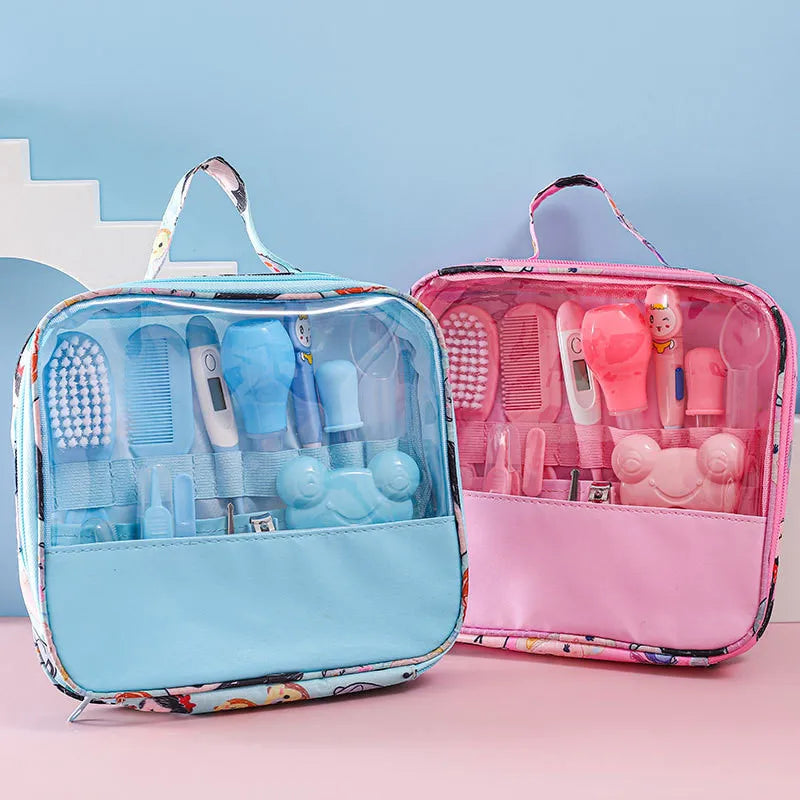
newborn health tips • infant congestion relief • See it in action
Ready-to-use kits and accessories are available — check the Baby Hygiene Gadgets collection.
Mini-FAQ
-
How often can I suction my newborn’s nose?
Use suction when nasal blockage interferes with feeding or sleep — generally a few times a day. Avoid constant suctioning to prevent irritation; use saline to reduce the need for frequent suctioning.
-
Is saline safe for newborns?
Yes. Saline is a gentle, non-medicated way to loosen mucus and is safe for newborns. Follow product dosing and consult a pediatrician for babies with special medical conditions.
-
Which aspirator type is best for frequent use?
An electric aspirator with a hygienic collection chamber is often best for frequent use since it offers controlled suction and easier cleaning; bulbs are fine for occasional use or travel.
Final tips: Keep calm, use saline first, be gentle with insertion depth, and clean tools after each use. A steady, simple routine for newborn nasal care helps feedings, sleep, and family nights be a lot less stressful.
Related collections to explore
Pillar Article: Newborn Care Items Review: Top Picks for First-Time Parents
Other Related Articles:
- How to Use an Infant Nasal Aspirator: Top Picks for Comfort
- How to Clip Newborn Nails Safely: Best Tools Reviewed
- Newborn Care Essentials: Comparing Kits for Every Family Need
- Newborn Travel Checklist: Must-Have Gear for Stress-Free Trips
Explore More:
UPGRADE PLAN { "outline": [ { "action": "MODIFY", "h2": "Why newborn nasal congestion happens and why nasal care matters", "h3": [], "focus": [ "Common causes of newborn congestion", "Why newborns rely on clear nasal passages", "When nasal suction helps versus when it is unnecessary" ], "keywords": [ "newborn nasal congestion relief", "safe newborn nasal care", "infant nasal hygiene tips" ] }, { "action": "ADD", "h2": "Quick answer: what is the best newborn nasal aspirator?", "h3": [ "Top features parents should compare" ], "focus": [ "Best aspirator types for newborns", "Safety-first recommendation criteria", "Key differences between manual and electric models" ], "keywords": [ "best nasal aspirator for newborn", "newborn nasal aspirator", "baby nose suction device" ] }, { "action": "KEEP", "h2": "How to use a nasal aspirator on newborn: step-by-step guide", "h3": [ "What you need before starting" ], "focus": [ "Preparation checklist", "Proper positioning techniques", "Gentle suction steps to avoid irritation" ], "keywords": [ "how to use nasal aspirator on baby", "newborn nasal aspirator", "safe newborn nasal care" ] }, { "action": "MODIFY", "h2": "Manual vs electric nasal aspirator: which is better for newborns?", "h3": [ "Manual aspirator pros and cons", "Electric aspirator pros and cons" ], "focus": [ "Suction control comparison", "Ease of use and cleaning differences", "Best situations for each type" ], "keywords": [ "electric vs manual nasal aspirator", "best nasal aspirator for newborn", "newborn nose cleaning tools" ] }, { "action": "ADD", "h2": "How we evaluated newborn nasal aspirators", "h3": [ "Testing criteria parents should look for" ], "focus": [ "Suction comfort and effectiveness", "Material safety and newborn-friendly design", "Cleaning process and replacement parts", "Noise level and usability" ], "keywords": [ "newborn nasal aspirator", "baby nasal aspirator safety" ] }, { "action": "MODIFY", "h2": "Best newborn nasal aspirator types compared", "h3": [ "Bulb syringe aspirators", "Manual tube aspirators", "Electric nasal aspirators" ], "focus": [ "Feature comparison table", "Recommended use cases", "Pros and cons of each type" ], "keywords": [ "newborn nasal aspirator", "newborn nose cleaning tools", "baby nose suction device" ] }, { "action": "KEEP", "h2": "Using saline before nasal suction safely", "h3": [], "focus": [ "Why saline helps loosen mucus", "When saline is useful", "Avoiding overuse or irritation" ], "keywords": [ "newborn nasal congestion relief", "safe newborn nasal care" ] }, { "action": "MODIFY", "h2": "How to clean and maintain a newborn nasal aspirator", "h3": [ "Cleaning steps after every use", "When to replace parts" ], "focus": [ "Preventing bacteria buildup", "Drying and storage tips", "Maintenance differences by aspirator type" ], "keywords": [ "how to clean newborn nose", "newborn nasal aspirator", "infant nasal hygiene tips" ] }, { "action": "KEEP", "h2": "Newborn nasal aspirator safety: mistakes to avoid", "h3": [ "How often is suction safe?", "When to contact a pediatrician" ], "focus": [ "Avoiding excessive suction", "Signs of breathing difficulty", "Age-specific safety guidance" ], "keywords": [ "baby nasal aspirator safety", "safe newborn nasal care" ] }, { "action": "ADD", "h2": "Which newborn nasal aspirator is right for your situation?", "h3": [ "Best choice for occasional congestion", "Best choice for frequent mucus buildup", "Best choice for travel and nighttime use" ], "focus": [ "Scenario-based recommendations", "Parent lifestyle considerations", "Decision framework before buying" ], "keywords": [ "best nasal aspirator for newborn", "newborn nasal aspirator" ] }, { "action": "REMOVE", "h2": "Real parents: common quick testimonials", "h3": [], "focus": [], "keywords": [] }, { "action": "REMOVE", "h2": "Visual: quick pros/cons recap and safety checklist", "h3": [], "focus": [], "keywords": [] }, { "action": "MODIFY", "h2": "Troubleshooting common newborn nasal suction problems", "h3": [], "focus": [ "Baby resists suction", "Mucus does not clear", "Aspirator loses suction power" ], "keywords": [ "how to use nasal aspirator on baby", "newborn nasal congestion relief" ] }, { "action": "REMOVE", "h2": "Final product demo image", "h3": [], "focus": [], "keywords": [] }, { "action": "KEEP", "h2": "Mini-FAQ", "h3": [], "focus": [ "Answer common purchase questions", "Cover cleaning and safety concerns", "Address newborn usage frequency" ], "keywords": [ "newborn nasal aspirator", "baby nasal aspirator safety" ] } ], "internal_links": [ "/products/baby-care-essentials", "/products/portable-electric-bottle-warmer", "/products/baby-bath-toys" ], "faq": [ "How often can you use a nasal aspirator on a newborn?", "Is an electric nasal aspirator safe for newborns?", "Should I use saline before suctioning my baby's nose?", "How do I clean a newborn nasal aspirator?", "What is the best nasal aspirator for newborn congestion?", "Can using a nasal aspirator hurt a baby's nose?" ], "trim": [ "Repeated congestion explanations", "Generic daily routine sections without purchase intent", "Duplicate medical warning sections", "Unverified parent testimonial claims", "Image-only product demonstration sections" ] } Approved linked products: - /products/baby-care-kit-multi-functional (/products/baby-care-kit-multi-functional) Product Rules - Keep all approved products. - Only approved products may contain affiliate links. - You may add real competitor products when useful. - Competitor products must not contain links unless already present. - Only create comparison tables when they genuinely improve the article. RULES - Apply every instruction in the Upgrade Plan. - Keep all existing affiliate links unchanged. - Keep all existing internal links unchanged. - Keep all existing image URLs unchanged. - Preserve sections such as Related Articles, Related Posts and Recommended Reading. - Avoid duplicate headings. - Insert new sections only where specified. - Improve clarity, topical coverage, EEAT and readability. - Expand weak sections only when required. - Use natural keyword placement. - Keep semantic HTML clean. YEAR UPDATE If visible article text contains "2005", replace it with "2026". Do not modify years inside: - URLs - href attributes - image filenames OUTPUT REQUIREMENTS Return ONLY the final upgraded HTML article. The output must be valid HTML and ready to publish. Do NOT return: - Markdown - Explanations - Notes - Code fences - JSON - XML Return the HTML beginning with the first HTML element and ending with the last HTML element.





