

Does a newborn travel checklist really prevent stressful trips?
Answer: A well-organized newborn travel checklist helps parents avoid forgotten essentials by separating must-have newborn travel gear from optional extras. The right checklist covers the four priorities every newborn trip depends on: feeding, diaper changes, sleep, and safety. By preparing these essentials before leaving, caregivers can spend less time searching through bags and more time focusing on their baby’s comfort.
⏱ 9 min readNewborn Travel Checklist: Must-Have Gear for Stress-Free Trips
Traveling with a newborn does not require packing everything you own. A practical newborn travel checklist focuses on the items that support your baby’s basic needs while away from home, including diapering supplies, feeding equipment, comfortable clothing, sleep support, and health essentials. This guide organizes newborn travel essentials into simple categories so you can prepare faster, avoid overpacking, and create a reliable travel routine.
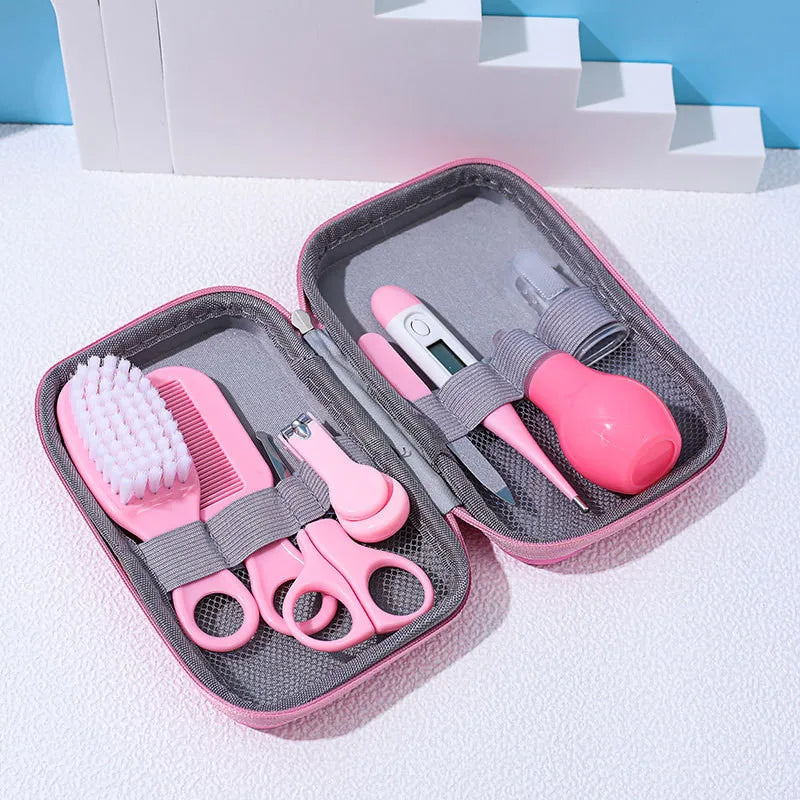
newborn travel checklist • newborn checklist essentials • See it in action
Essential newborn travel checklist (quick view)
Direct answer: A complete baby travel checklist should include only the essentials needed for feeding, diaper changes, clothing changes, sleep, comfort, and basic safety. Keep frequently used items within easy reach and store backup supplies separately so you can adjust for delays or longer outings.
Use this one-minute newborn travel essentials list before leaving:
Diapering and changing essentials
- 6–8 diapers for a typical outing, with extras for delays.
- Travel-size wipes and a portable changing mat.
- Disposable bags for dirty diapers, wet clothes, or unexpected messes.
Feeding essentials
- Bottles, formula supplies, or breastfeeding essentials based on your routine.
- Burp cloths or bibs for quick cleanups.
- Insulated storage for expressed milk when needed.
Clothing and weather protection
- 1–2 spare outfits for short trips and additional layers for longer travel.
- Weather-appropriate clothing, hat, or blanket depending on conditions.
- A lightweight backup layer for temperature changes.
Sleep and comfort essentials
- Swaddle or sleep sack familiar to your newborn.
- Comfort item used during regular routines, such as a pacifier if your baby uses one.
- A portable sleep solution appropriate for your travel situation.
Health, safety, and documents
- Quick-read digital thermometer.
- Baby-safe nail clippers and basic first-aid supplies.
- Important medical information and emergency contact details.
- Hand sanitizer and cleaning supplies for travel situations.
What to pack for newborn travel: detailed essentials by category
A useful newborn packing list for travel is built around routines rather than individual products. Instead of carrying every possible item, create small packs for each need so feeding, changing, and comforting your baby stays simple wherever you go.
Diapering and changing pack
Diaper changes are one of the most frequent travel needs, so this pack should always be easy to reach. A dedicated changing pouch prevents digging through a full diaper bag when you need supplies quickly.
- Pack enough diapers based on trip length, plus several extras for unexpected delays.
- Include wipes, a washable or disposable changing surface, and diaper disposal bags.
- Add one complete backup outfit in case of leaks, spills, or clothing changes.
Why it matters: A ready changing pack makes stops faster and helps parents handle messy situations without unpacking the entire bag.
Feeding and bottle-feeding pack
Feeding needs vary between newborns, so organize supplies around your baby’s normal routine. Keeping feeding items together helps maintain familiar habits while away from home.
- Bring bottles, nipples, formula supplies, or breastfeeding accessories your baby already uses.
- Pack extra feeding supplies when traveling longer distances or when delays are possible.
- Use labeled containers for pumped milk, formula portions, or feeding accessories.
- Carry burp cloths and bibs for quick cleanup after feeds.
Why it matters: Familiar feeding routines can make travel transitions easier for both baby and caregiver.
Clothing and weather pack
Newborns can be sensitive to temperature changes, so clothing choices should focus on comfort and flexibility rather than quantity.
- Pack extra onesies or outfits based on how long you will be away.
- Choose easy-change clothing with simple layers.
- Bring weather protection such as a lightweight blanket or hat when appropriate.
Why it matters: Extra clothing protects against common travel surprises while avoiding an oversized bag filled with rarely used items.
Sleep and comfort pack
Travel can disrupt naps and routines, but familiar sleep cues may help your newborn settle more easily.
- Bring a familiar swaddle or sleep sack if your baby uses one.
- Use a suitable portable sleep setup based on your travel environment.
- Pack comfort items that are already part of your baby’s routine.
Why it matters: Maintaining familiar sleep signals can make new environments feel more predictable.
Hygiene, health, and first-aid pack
A compact health kit helps parents prepare for small care needs while away from home.
- Include a digital thermometer for temperature checks.
- Pack baby-safe grooming tools and basic first-aid supplies.
- Carry hand sanitizer and cleaning wipes for shared surfaces.
- Keep relevant health information available when traveling farther from home.
Why it matters: A small, organized health kit provides peace of mind without adding unnecessary bulk.
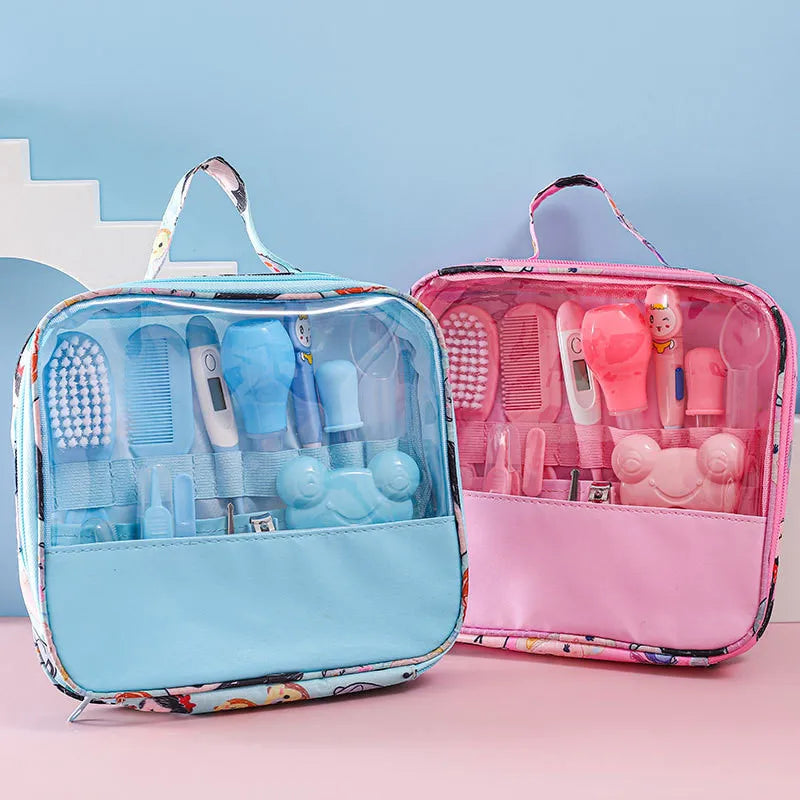
newborn travel checklist • infant care package • See it in action
How to pack for different trip lengths
A practical newborn packing list for travel changes depending on how long you will be away. Short outings need only the essentials, while longer trips require additional feeding supplies, clothing changes, and backup items for unexpected delays. The goal is to prepare enough without carrying unnecessary gear.
Under 2 hours: quick outing checklist
For a short trip, focus on immediate needs like diaper changes, feeding, and basic comfort. A lightweight diaper bag is usually enough.
- Diapering: Pack 3–4 diapers, a small pack of wipes, and a portable changing surface.
- Feeding: Bring one feeding option your baby already uses, such as a bottle, breastfeeding supplies, or a burp cloth.
- Comfort: Add a pacifier if used, a lightweight blanket, and one simple comfort item.
Tip: Avoid packing full-size supplies for quick outings. Keep a small grab-and-go kit ready so leaving home takes less preparation.
Half-day: 3–5 hour checklist
A half-day trip requires extra preparation because newborn routines can change quickly. Include backup supplies for feeding, clothing changes, and unexpected messes.
- Clothing: Add 1–2 spare outfits, especially if your baby frequently needs clothing changes.
- Changing: Bring a folding changing mat, extra wipes, and bags for storing soiled clothing.
- Health and comfort: Add basic care supplies such as a thermometer and any items recommended for your baby’s needs.
- Feeding backup: Pack additional feeding supplies if your trip timing overlaps with multiple feeds.
Full-day: extended travel checklist
Longer days away from home require a more complete travel checklist with newborn supplies. Organize items into separate pouches so frequently used essentials stay accessible.
- Feeding: Bring enough bottles, formula supplies, or milk storage supplies for the entire day plus extra in case of delays.
- Diapering: Pack additional diapers, wipes, changing supplies, and multiple outfit changes.
- Sleep: Include familiar sleep items and a suitable portable sleep solution for your travel setting.
- Organization: Keep feeding, changing, and comfort supplies in labeled pouches for faster access.
Overnight or multi-day trip: expanded packing list
Overnight travel requires planning beyond a normal diaper bag. Instead of adding random extras, create separate bags for daily essentials, backup supplies, and items used only at your destination.
- Pack enough clothing layers for changing weather and unexpected spills.
- Bring extra feeding supplies, hygiene items, and diapers beyond your estimated daily use.
- Prepare any familiar sleep items that help maintain your baby’s routine.
- Keep important health information and emergency contacts easily available.
Packing hacks for traveling with a newborn
The best newborn travel essentials are not always the most numerous. Smart organization helps parents access what they need quickly while keeping bags lighter and easier to manage.
Use category-based packing pouches
- Create separate pouches for feeding, changing, clothing, sleep, and health supplies.
- Keep the diaper-changing pouch near the top of the bag for quick access.
- Use labels or different pouch styles so another caregiver can find items easily.
Prepare a ready-to-grab diaper bag
- Restock diapers, wipes, and changing supplies after every trip.
- Keep a basic newborn travel kit prepared for unexpected outings.
- Store frequently used items together instead of repacking from scratch each time.
Pack backup outfits and supplies strategically
- Place one complete outfit in an easy-to-reach pouch for quick changes.
- Store extra clothing separately from clean everyday items to keep bags organized.
- Add backup feeding or diaper supplies when traveling farther from home.
Keep frequently used items within reach
- Store wipes, diapers, burp cloths, and feeding supplies where they can be reached quickly.
- Use waterproof pouches to separate wet or soiled items.
- Avoid filling the diaper bag with rarely used products that add weight without improving convenience.
For families who prefer a compact organization system, a multi-functional baby care kit can help group everyday essentials together. The approved baby care kit is designed for parents who want a simpler way to organize newborn care items during outings.
Newborn travel checklist by travel method
The best baby travel checklist depends on how you are traveling. A short local outing, a road trip, and a first flight with a newborn all require different priorities. Keep essential items accessible, while storing backup supplies separately to avoid carrying unnecessary weight.
Flying with a newborn checklist
A flying with newborn checklist should focus on items you may need during airport time, boarding, and the flight itself. Keep these supplies in your carry-on or diaper bag instead of checked luggage.
- Diapers, wipes, changing mat, and disposal bags for the journey.
- Feeding supplies, including bottles, formula, pumped milk storage, or breastfeeding essentials.
- A spare outfit for your newborn and an extra shirt for yourself in case of spills.
- Comfort items that support familiar routines, such as a pacifier if your baby uses one.
- Travel documents and important health information.
Tip: Pack feeding and changing supplies where they can be reached without removing everything from your bag. Airport delays can happen, so keep a small backup supply available.
Road trip with newborn essentials
For a road trip with newborn essentials , safety and accessibility are the top priorities. Car travel allows more storage space, but it is still helpful to avoid overpacking.
- Confirm that the car seat is installed correctly and used according to the manufacturer’s instructions.
- Keep diapers, wipes, feeding supplies, and comfort items within reach during stops.
- Pack extra clothing, diapers, and feeding supplies for traffic delays or longer travel times.
- Bring familiar sleep and comfort items for breaks at your destination.
Public transport and local outings
Bus, train, and local trips usually require a lighter infant travel checklist . Choose compact essentials that can handle changing locations and limited storage space.
- Use a smaller diaper bag with only the supplies needed for the planned outing.
- Keep wipes, diapers, feeding items, and a backup outfit easy to access.
- Choose lightweight comfort items instead of bulky extras.
What to keep in your diaper bag versus luggage
Separating immediate needs from stored supplies makes travel easier and prevents unnecessary searching.
- Diaper bag: diapers, wipes, changing mat, feeding supplies, comfort items, documents, and one spare outfit.
- Luggage or stored bag: extra clothing, additional hygiene supplies, backup feeding equipment, and less frequently used items.
Newborn travel checklist FAQ
When can a newborn travel?
Many newborns can travel soon after birth, but timing depends on your baby’s health, destination, and travel method. Parents should consider factors such as medical needs, vaccination schedules, and advice from their pediatrician, especially for premature babies or newborns with specific health concerns.
How many diapers should I pack for a newborn trip?
For a newborn trip, pack around one diaper per hour of travel plus several extras for unexpected delays. For a 4-hour trip, 5–6 diapers is a practical starting point, along with enough wipes and changing supplies to handle additional stops.
What should I pack for a newborn’s first flight?
A first-flight newborn travel checklist should include diapers, wipes, a changing mat, feeding supplies, extra clothing, comfort items, and travel documents. Keep these items in your carry-on rather than checked luggage so they remain available throughout the journey.
What should stay in the diaper bag when traveling with a newborn?
The diaper bag should contain the items you may need immediately: diapers, wipes, changing supplies, feeding essentials, burp cloths, a spare outfit, comfort items, and important documents. Larger backup supplies can stay in luggage or the car.
What documents does a newborn need to travel?
Required documents depend on the destination and travel method. Common items may include identification documents, medical information, insurance details, and any travel paperwork required for your destination. Check requirements before leaving, especially for air travel.
What are the essentials for a road trip with a newborn?
Road trip essentials include a properly installed car seat, diapering supplies, feeding equipment, extra clothing, comfort items, and a basic health kit. Plan regular breaks and keep frequently used supplies within easy reach.
How do I pack for a newborn overnight trip?
For an overnight trip, add extra clothing layers, additional diapers, feeding supplies, hygiene items, and familiar sleep essentials. Organize daily-use items separately from backup supplies so nighttime care remains simple.
Should I bring extra formula, breast milk, or feeding supplies when traveling?
Yes. Extra feeding supplies can help manage delays or schedule changes. Pack according to your baby’s usual routine and travel duration, while following safe storage and handling practices for breast milk or prepared formula.
Final newborn travel checklist: one-page printable
Use this condensed newborn travel checklist before leaving home. Save or screenshot this list so you can complete a final check in minutes.
- Diapering: 6+ diapers, wipes, portable changing mat, disposal bags.
- Feeding: bottles or breastfeeding supplies, burp cloths, formula or milk storage supplies if needed.
- Clothing: 1–2 spare outfits, weather-appropriate layers, extra blanket if needed.
- Sleep and comfort: swaddle or sleep sack, familiar comfort items, suitable travel sleep supplies.
- Health and safety: thermometer, basic first-aid supplies, baby-safe grooming tools.
- Documents: identification, medical information, emergency contacts, and required travel paperwork.
Five-minute departure check: Confirm feeding supplies are packed, diapers are accessible, clothing changes are ready, comfort items are included, and important documents are with the caregiver responsible for travel.
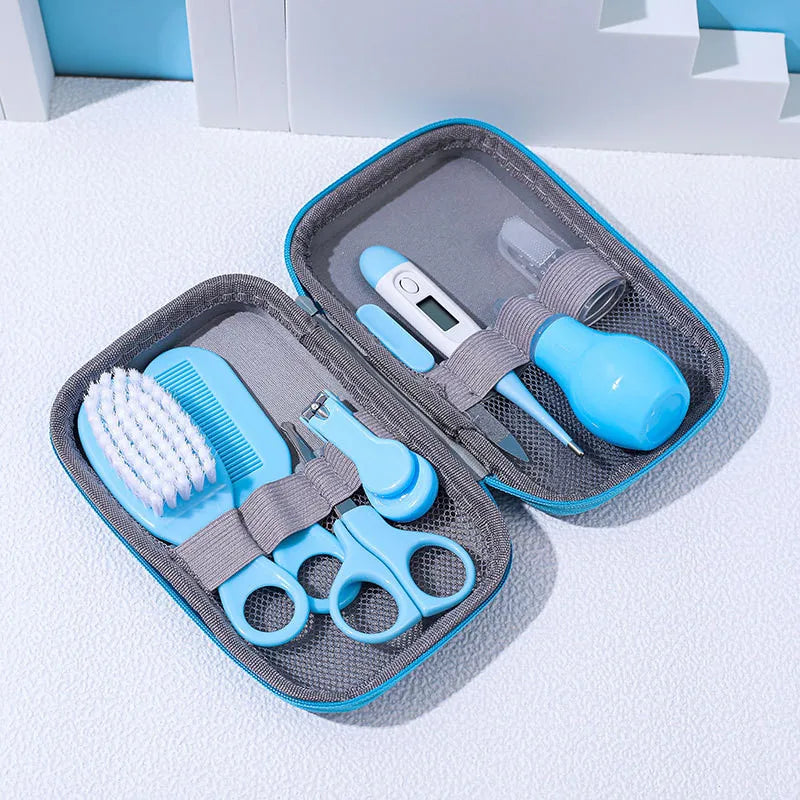
newborn travel checklist • travel baby care guide • See it in action
More resources
Pillar Article: Newborn Care Items Review: Top Picks for First-Time Parents
Other Related Articles:
- Clean Newborn Nose: Comparing Aspirators and Hygienic Tools
- How to Use an Infant Nasal Aspirator: Top Picks for Comfort
- How to Clip Newborn Nails Safely: Best Tools Reviewed
- Newborn Care Essentials: Comparing Kits for Every Family Need
Explore More:





