

How to Use an Infant Nasal Aspirator Safely: Gentle Newborn Nasal Care Guide
An infant nasal aspirator can help remove excess mucus from a newborn’s small nasal passages, making it easier for babies to breathe, feed, and rest. This guide explains how to use an infant nasal aspirator safely, how to choose the right type, and what parents should know before adding suction to a newborn nasal care routine.
⏱ 8 min read
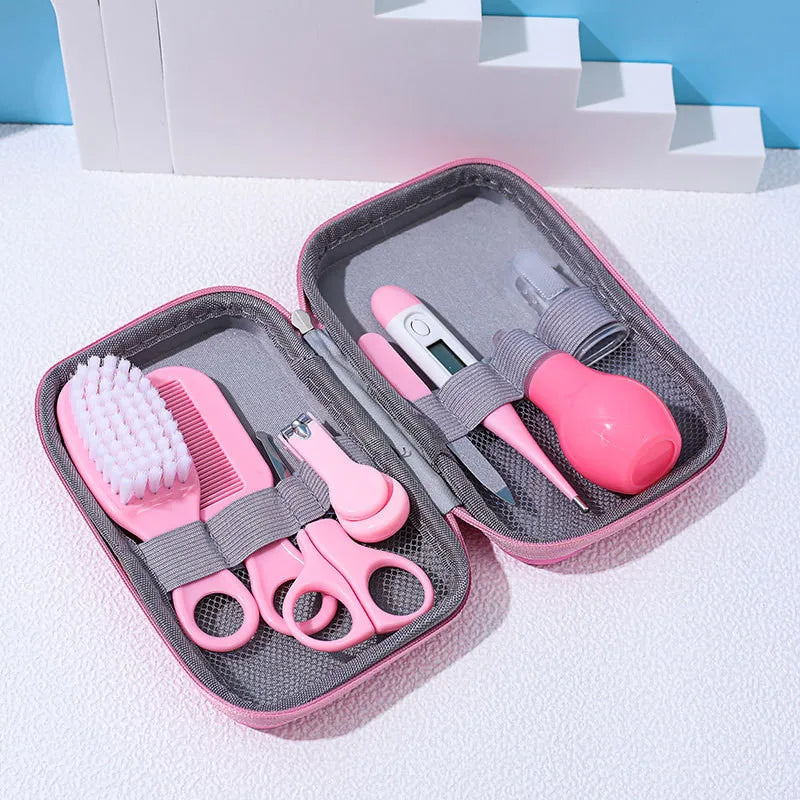
how to use an infant nasal aspirator, gentle newborn nasal care — See it in action
Why newborn nasal care matters
Newborns primarily breathe through their noses, so even a small amount of mucus can make breathing, feeding, and sleeping more difficult. A blocked nose may interfere with comfortable nursing or bottle feeding because babies need to coordinate breathing while they eat.
Gentle nasal care helps keep the nasal passages comfortable during common situations such as dry air, seasonal irritation, or mild congestion. Many parents use a combination of sterile saline drops and an infant nasal aspirator to loosen and remove mucus without unnecessary irritation.
It is important to remember that an aspirator does not treat the cause of congestion. It is a comfort tool designed to help clear temporary mucus buildup. If a baby has trouble breathing, a persistent fever, poor feeding, unusual tiredness, or symptoms that concern you, consult a healthcare professional.
How to use an infant nasal aspirator safely
Using an infant nasal aspirator correctly involves softening mucus first, applying gentle suction, and avoiding excessive use. The goal is to clear the nose comfortably rather than remove every trace of mucus.
Before using an aspirator:
- Wash your hands thoroughly.
- Prepare saline drops, tissues, and the cleaned aspirator.
- Choose a calm moment when your baby is comfortable.
To use an infant nasal aspirator, place your baby in a supported position, add a few saline drops to loosen thick mucus, wait about 30–60 seconds, then gently position the aspirator tip at the nostril opening. Apply short, controlled suction and stop if your baby becomes very uncomfortable.
Step-by-step newborn nasal care routine
- Wash your hands and clean the aspirator according to the manufacturer’s instructions before use.
- Place your baby on their back in a comfortable, supported position.
- Add 1–2 saline drops into one nostril to soften mucus.
- Wait briefly for the saline to work before using suction.
- Place the aspirator tip gently at the nostril entrance without pushing deeply.
- Use gentle suction to remove loosened mucus.
- Repeat on the other nostril only if needed.
- Comfort your baby afterward with feeding, cuddling, or soothing contact.
Infant nasal aspirator types compared
Parents can choose from several types of infant nasal aspirators. The best option depends on your baby’s needs, how often congestion occurs, and how comfortable you feel using the device.
| Type | Advantages | Limitations | Suitable for |
|---|---|---|---|
| Bulb syringe | Affordable, simple, compact, and easy to carry | Less precise suction control and can be harder to clean thoroughly | Occasional mild congestion |
| Manual squeeze aspirator | Allows parents to control suction strength and does not require batteries | Requires hand pressure and regular cleaning | Everyday newborn nasal care |
| Electric aspirator | Provides consistent suction and can be easier for some parents to use | Higher cost and requires power or charging | Parents who prefer automated operation |
| Oral tube aspirator | Offers direct suction control and adjustable pressure | Requires careful hygiene and proper assembly | Parents comfortable with manual control |
Choosing the right option
- For new parents: A manual aspirator can provide a good balance of control and simplicity.
- For occasional congestion: A basic bulb syringe may be sufficient.
- For parents wanting consistent suction: An electric aspirator may be more convenient.
Safety tips for using a baby nasal aspirator
- Use saline before suction. Softening mucus first can reduce the need for repeated suction attempts.
- Avoid deep insertion. Newborn nasal tissue is delicate, so the tip should remain near the nostril opening.
- Do not overuse suction. Frequent suctioning may irritate the nasal lining.
- Stop if your baby is distressed. Comfort your baby and try again later if needed.
- Follow product instructions. Different aspirators may have specific cleaning and usage requirements.
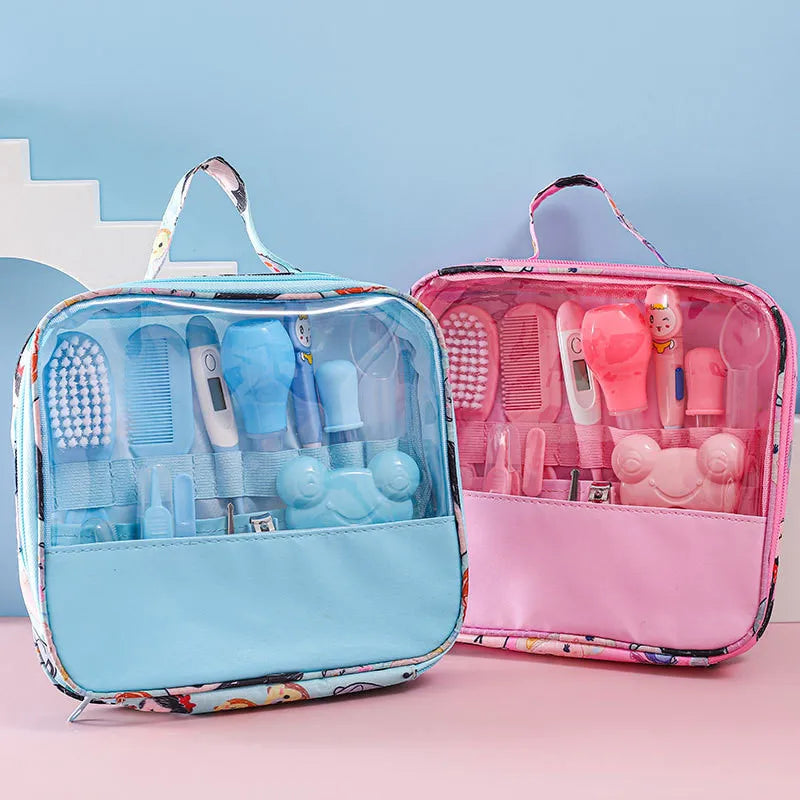
gentle newborn nasal care, best infant nasal spray — See it in action
Choosing an infant nasal aspirator for your baby's needs
The best infant nasal aspirator depends on your baby’s age, congestion level, and how comfortable you are using the device. Instead of choosing based only on suction strength, focus on gentle operation, easy cleaning, and a design that helps you complete nasal care quickly and calmly.
- For occasional newborn sniffles: A simple bulb syringe or manual aspirator is often enough for clearing small amounts of mucus.
- For repeated congestion: An electric aspirator may be convenient because it provides consistent suction and reduces the effort needed during each session.
- For parents who prefer full control: An oral tube aspirator allows you to adjust suction manually while using a filter system for hygiene.
- For travel: Compact manual options are easier to pack and use away from home.
What to look for before choosing
- Gentle suction control: Stronger suction is not always better for newborns. A comfortable, controlled approach helps protect delicate nasal tissue.
- Easy cleaning: Removable parts and simple assembly make it easier to maintain good hygiene.
- Baby-friendly design: Soft tips and quiet operation can make nasal care less stressful.
- Age suitability: Check that the aspirator is designed for infants and follow the manufacturer’s usage guidance.
For parents who want a complete newborn care solution, the Baby Care Kit Multi-Functional can help organize essential baby care tools in one convenient set.
How to make nasal suction easier for your baby
Many babies resist nasal care simply because the sensation feels unfamiliar. Creating a calm routine can make the process smoother:
- Use the aspirator when your baby is relaxed rather than immediately after crying.
- Talk softly or provide gentle comfort throughout the process.
- Use saline first when mucus is thick or dry.
- Keep each session short and stop when enough mucus has been removed.
A consistent but gentle approach is usually more helpful than repeated attempts. The goal is improved comfort, not completely emptying the nasal passages.
Common mistakes to avoid
- Using suction too frequently: Excessive suction may irritate sensitive nasal tissue and increase discomfort.
- Skipping saline: Dry mucus is harder to remove and may require more suction.
- Inserting the tip too deeply: Keep the aspirator near the nostril opening unless the product instructions state otherwise.
- Ignoring hygiene: Always clean reusable parts according to the manufacturer’s instructions to help prevent contamination.
- Using an adult nasal device: Infant nasal passages require products specifically designed for babies.
Final steps: keep newborn care routines calm and consistent
Gentle routines help babies feel more comfortable during daily care. Whether you are cleaning, grooming, or providing basic newborn hygiene, choosing a quiet moment and using slow movements can make the experience easier for both parents and babies.
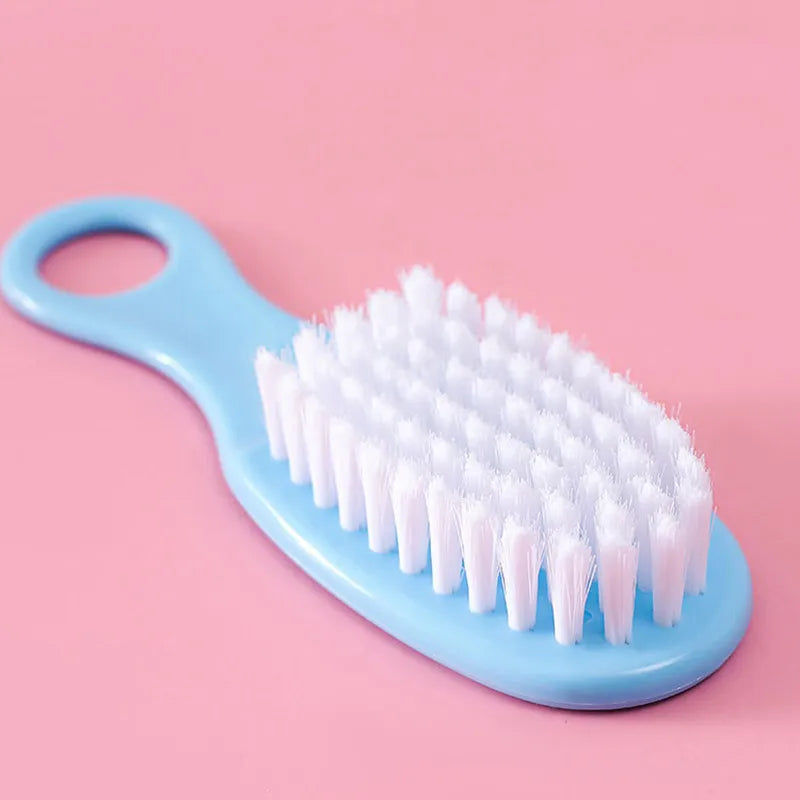
newborn care routine, gentle baby hygiene practices — See it in action
Newborn hygiene essentials for everyday care
Building a simple newborn hygiene routine helps parents handle common daily tasks with confidence. Focus on gentle techniques, clean tools, and age-appropriate products designed for delicate skin.
- Bathing: Use warm water, mild products, and supportive handling to keep bath time safe and comfortable. Learn more about How to bathe a newborn safely .
- Grooming: Keep nails, hair, and skin cared for with newborn-safe tools and careful techniques. Explore Newborn grooming essentials .
- Cord care: Follow recommended hygiene practices while the umbilical area heals. Read the Umbilical cord care guide for helpful tips.
- Comfort: Learn soothing techniques that can make grooming sessions easier with How to soothe a fussy newborn during grooming .
Newborn hygiene checklist
- ✔ Prepare clean baby-safe supplies before starting care
- ✔ Wash your hands before handling grooming tools
- ✔ Use gentle pressure and avoid rushing sensitive areas
- ✔ Clean and dry reusable baby products after use
- ✔ Monitor your baby’s comfort and seek medical advice when needed
FAQ
Q:
How often should I trim my newborn's nails?
A:
Newborn nails grow quickly and may need trimming whenever they become long or sharp enough to scratch the skin. Many parents check nails once or twice a week.
Q:
Can I trim my baby's nails while they are sleeping?
A:
Yes. Trimming nails while a baby is calm or asleep can make the process easier. Use good lighting and move slowly to avoid accidental cuts.
Q:
Should I use nail clippers or a baby nail file?
A:
Both can work when designed for infants. A baby nail file is often preferred by new parents because it allows gradual smoothing with less risk of cutting the skin.
Q:
What should I do if I accidentally cut my baby's skin?
A:
Apply gentle pressure with a clean cloth until bleeding stops. If the cut is deep, does not stop bleeding, or shows signs of infection, contact a healthcare professional.
Q:
Is it safe to bite a newborn's nails instead of clipping them?
A:
No. Biting a newborn’s nails can introduce germs and makes it harder to control the trimming process. Use clean infant nail tools instead.
Q:
When should I contact a pediatrician about a nail injury?
A:
Contact a pediatrician if the area becomes increasingly red, swollen, painful, produces discharge, or if you have concerns about healing.
Pillar Article: Newborn Care Items Review: Top Picks for First-Time Parents
Other Related Articles:
- Clean Newborn Nose: Comparing Aspirators and Hygienic Tools
- How to Use an Infant Nasal Aspirator: Top Picks for Comfort
- Newborn Care Essentials: Comparing Kits for Every Family Need
- Newborn Travel Checklist: Must-Have Gear for Stress-Free Trips
Explore More:





