

Best Detergent for Newborns (2026): Top Safe Picks Compared
Choosing the best detergent for newborns is one of the simplest ways to protect your baby's delicate skin. Newborn skin is thinner than adult skin, making it more susceptible to irritation from fragrances, dyes, and detergent residue. In this guide, we'll compare the safest newborn laundry detergents, explain which ingredients matter most, and help you decide which formula best suits sensitive skin, eczema-prone babies, or everyday family laundry.
See the Baby Bath Toy Elephant ➜
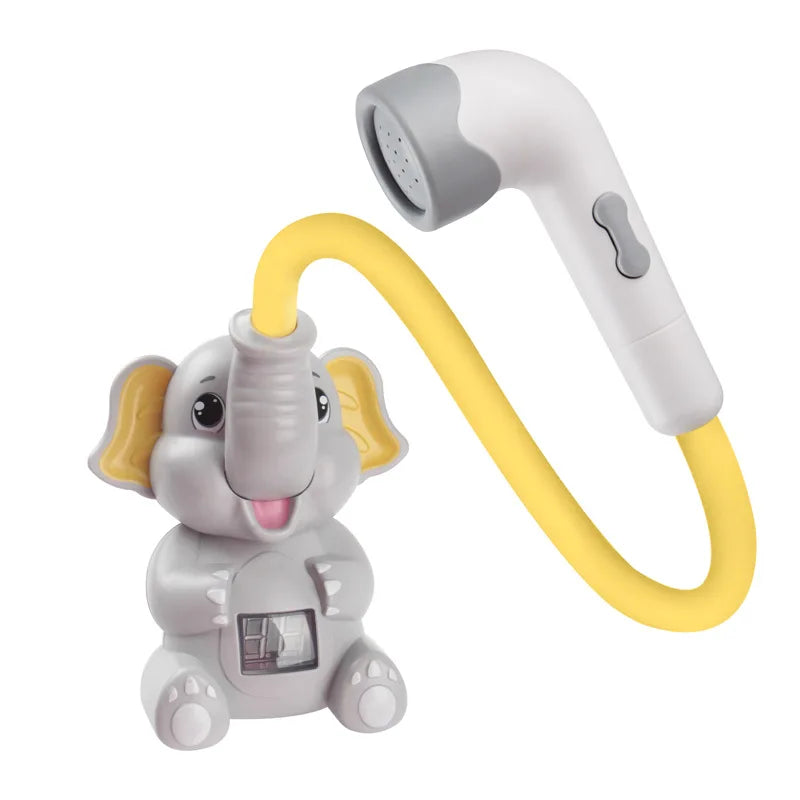
Choosing gentle products for babies starts with minimizing unnecessary irritants.
Best detergent for newborns (2026): top safe picks compared
The safest newborn detergents prioritize simple ingredient lists over heavy fragrances or cosmetic additives. While no detergent works perfectly for every family, the products below consistently perform well for sensitive skin while cleaning milk, spit-up, and diaper stains effectively.
| Detergent | Fragrance | Dyes | HE Safe | Best For |
|---|---|---|---|---|
| Dreft Stage 1 | Light fragrance | No added dyes | Yes | Parents wanting a dedicated baby detergent |
| All Free Clear | Fragrance-free | No | Yes | Sensitive skin and eczema-prone families |
| Seventh Generation Free & Clear | Fragrance-free | No | Yes | Plant-based cleaning |
| ECOS Free & Clear | Fragrance-free | No | Yes | Budget-conscious families |
Editor's verdict
For most newborns, a fragrance-free, dye-free detergent provides the best balance of cleaning performance and skin protection. Babies with eczema or a history of sensitive skin often benefit from products specifically formulated for sensitive households rather than heavily scented baby-branded detergents.
Why newborn skin needs special detergent
During the first months of life, a baby's skin barrier is still developing. Compared with adult skin, newborn skin loses moisture more easily and allows irritating substances to penetrate more readily. Although detergent itself rinses away, leftover residue can remain on fabrics if too much detergent is used or clothes are not rinsed thoroughly.
Residue trapped within clothing fibers may contribute to irritation when combined with sweat, saliva, or prolonged skin contact. While not every baby reacts, infants with eczema or sensitive skin are generally more susceptible.
- Fragrances may trigger irritation in sensitive individuals.
- Dyes provide no cleaning benefit but may increase unnecessary exposure.
- Optical brighteners improve appearance rather than cleaning performance.
- Using excess detergent often leaves more residue behind.
Ingredients to look for (and avoid) in baby detergent
Instead of focusing solely on marketing terms, evaluate the ingredient list.
Ingredients worth looking for
- Fragrance-free formulations.
- Dye-free formulas.
- Plant-derived surfactants where appropriate.
- Products tested for sensitive skin.
- Concentrated formulas that rinse clean.
Ingredients many parents choose to avoid
- Added perfumes or synthetic fragrances.
- Artificial dyes.
- Optical brighteners.
- Fabric softener additives in the detergent.
Terms such as hypoallergenic and dermatologist-tested can be useful indicators, but they are not guarantees. Always review the full ingredient list if your baby has particularly sensitive skin.
How we tested and selected the best newborn detergents
Our recommendations emphasize ingredient transparency first and cleaning performance second. We compared popular newborn laundry detergents using the following criteria:
- Ingredient safety for newborn-sensitive skin.
- Presence or absence of fragrances and dyes.
- Ability to remove common baby stains.
- Compatibility with high-efficiency (HE) washing machines.
- Overall value based on cost per load.
Rather than ranking products purely by brand popularity, we prioritized formulas that balance effective cleaning with minimal unnecessary additives.
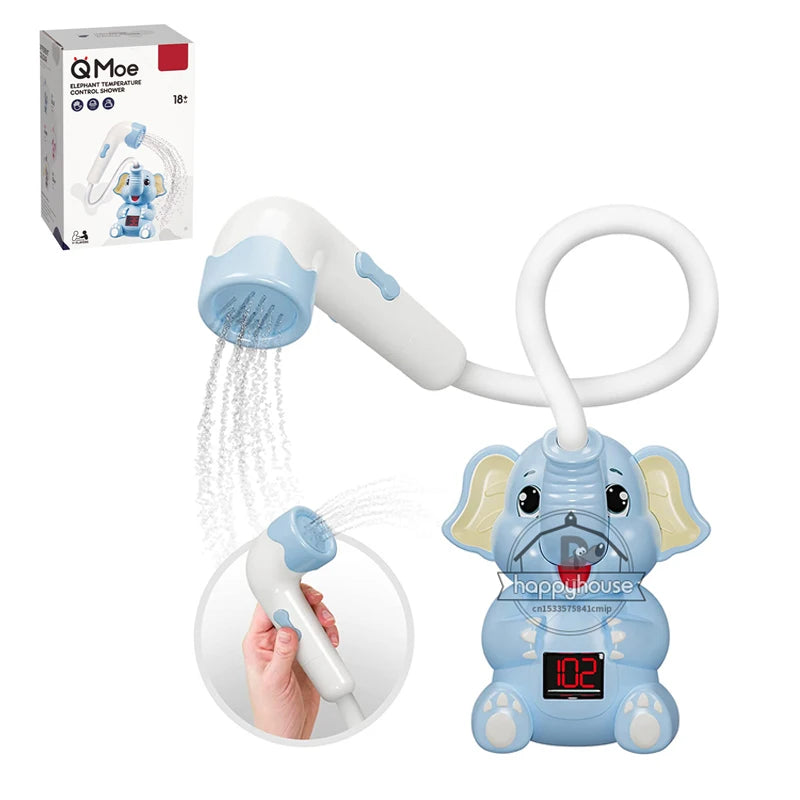
Gentle care extends beyond bath time to every product that touches your baby's skin.
Detailed reviews of the best newborn detergents
Every family has different priorities, whether that's reducing the chance of skin irritation, removing stubborn milk stains, or keeping laundry costs manageable. The products below stand out for their ingredient transparency, cleaning performance, and suitability for newborn clothing.
1. All Free Clear — Best overall for sensitive skin
Best for: Families looking for an everyday detergent that balances effective cleaning with a fragrance-free formula.
- Pros: Fragrance-free, dye-free, HE compatible, widely available.
- Cons: May require stain pretreatment for heavy formula or diaper blowout stains.
Its simple formulation makes it one of the most frequently recommended options for households managing eczema or sensitive skin.
2. Seventh Generation Free & Clear — Best plant-based option
Best for: Parents who prefer plant-based cleaning ingredients without added fragrances.
- Pros: Plant-derived surfactants, fragrance-free, concentrated formula.
- Cons: Higher price per load than some conventional detergents.
It delivers solid everyday cleaning while avoiding unnecessary dyes and perfumes.
3. Dreft Stage 1 — Best dedicated baby detergent
Best for: Parents who prefer a detergent specifically marketed for infant clothing.
- Pros: Effective on common newborn stains, easy to find, HE compatible.
- Cons: Contains a light fragrance, which may not suit babies with very sensitive skin.
Many parents appreciate its cleaning ability, but fragrance-free alternatives may be preferable for infants with eczema.
4. ECOS Free & Clear — Best budget-friendly choice
Best for: Families wanting an economical fragrance-free detergent.
- Pros: Affordable, concentrated, fragrance-free.
- Cons: Heavy stains occasionally benefit from pretreatment.
Baby detergent vs regular detergent: do you need a separate one?
A dedicated baby detergent is not always necessary. What matters most is the formulation rather than the label on the bottle.
Many fragrance-free, dye-free household detergents are suitable for washing newborn clothing, provided they rinse clean and are used according to the manufacturer's directions.
| Feature | Baby Detergent | Regular Fragrance-Free Detergent |
|---|---|---|
| Designed for sensitive skin | Usually | Often |
| Added fragrance | Sometimes | Typically none |
| Suitable for newborn clothes | Yes | Yes, if fragrance-free and dye-free |
| Whole-family laundry | Possible | Ideal |
Many pediatricians recommend choosing a fragrance-free detergent for the entire household instead of maintaining separate detergents for baby and adult clothing.
How to wash newborn clothes safely
Even an excellent detergent can leave residue if it is used incorrectly. Following proper washing practices helps reduce irritation while keeping clothes hygienically clean.
Recommended washing routine
- Wash new baby clothes before first use.
- Measure detergent carefully according to load size.
- Use warm or cool water unless garment labels specify otherwise.
- Select an extra rinse cycle if your baby has particularly sensitive skin.
- Dry clothing completely before storing.
Handling common baby stains
- Rinse milk and formula stains promptly.
- Pretreat stubborn spit-up or diaper stains before washing.
- Avoid bleach on delicate newborn garments unless specifically recommended by the manufacturer.
- Wash reusable bibs and burp cloths separately if heavily soiled.
Liquid vs powder detergent for newborns
Both formats can clean baby clothes effectively, but each has advantages depending on your washing routine.
| Liquid | Powder |
|---|---|
| Dissolves easily in cold water. | Often more economical. |
| Convenient for pretreating stains. | May leave residue if overloaded or poorly dissolved. |
| Usually preferred for sensitive skin households. | Works well when measured accurately. |
For newborn clothing, liquid detergents are often the easier choice because they dissolve quickly and are less likely to leave visible residue.
Common laundry mistakes that irritate newborn skin
- Using more detergent than recommended.
- Skipping an extra rinse when residue remains.
- Adding fabric softeners or scented laundry boosters.
- Ignoring garment care labels.
- Leaving damp laundry sitting too long before drying.
Explore Baby Care Essentials ➜
Final considerations before buying
Choosing the right detergent for your newborn comes down to ingredient simplicity, effective cleaning, and compatibility with your baby's skin. A fragrance-free, dye-free formula is an excellent starting point for most families, while babies with eczema or persistent skin irritation may benefit from detergents developed specifically for sensitive skin.
- Prioritize fragrance-free and dye-free formulations.
- Read the complete ingredient list instead of relying only on marketing claims.
- Select a detergent compatible with your washing machine (HE or standard).
- Measure detergent carefully to minimize residue on clothing.
- If irritation develops, discontinue use and discuss alternatives with your pediatrician.
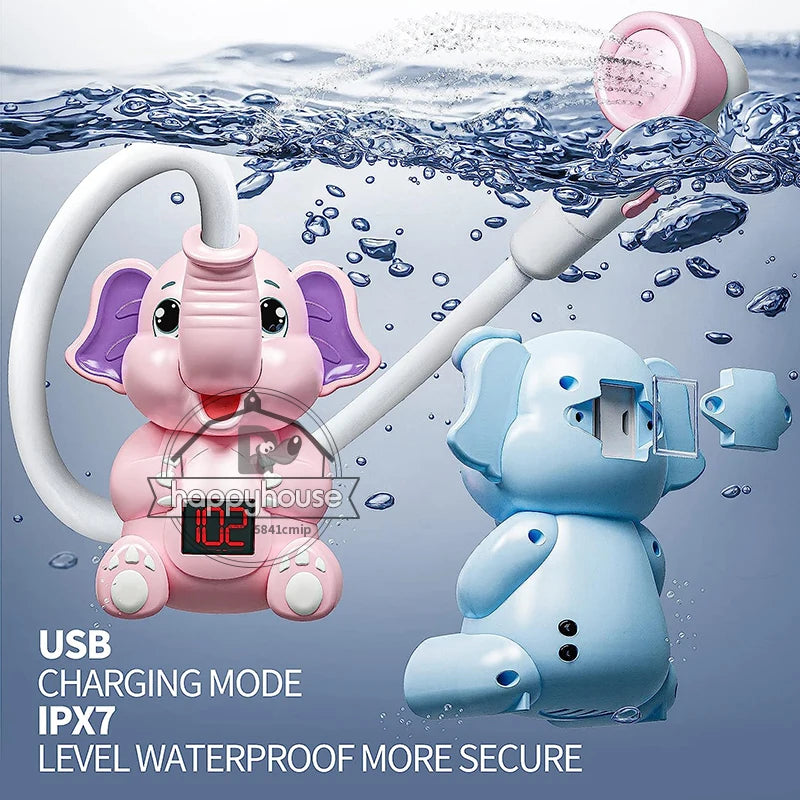
Gentle laundry care helps keep newborn clothing soft, clean, and comfortable for delicate skin.
Add the Bath Toy Elephant to Your Cart ➜
Mini FAQ
What detergent is safest for newborn clothes?
For most newborns, fragrance-free and dye-free detergents are considered the safest choice. Products formulated for sensitive skin help reduce unnecessary exposure to ingredients that may contribute to irritation.
Can newborns have allergic reactions to detergent?
Yes. Although true detergent allergies are uncommon, some babies develop skin irritation or contact dermatitis from fragrances, dyes, or detergent residue. If you notice persistent redness, rash, or itching, switch to a fragrance-free detergent and consult your pediatrician.
Is fragrance-free detergent better for babies?
In many cases, yes. Fragrance-free detergents eliminate one of the most common sources of skin sensitivity while still cleaning clothes effectively.
Which detergent is best for babies with eczema?
Babies with eczema generally benefit from gentle, fragrance-free, dye-free detergents. Products such as All Free Clear and Seventh Generation Free & Clear are frequently chosen by families managing sensitive skin, although your healthcare provider may recommend a specific product for your child's needs.
Can I wash newborn clothes with regular detergent?
Yes, provided the detergent is fragrance-free, dye-free, and appropriate for sensitive skin. Many families successfully wash everyone's clothing with a single gentle detergent.
There is no universal age. Many families continue using fragrance-free household detergent from birth onward. If you wish to change products, do so gradually and monitor your baby's skin for signs of irritation.
Are fabric softeners safe for newborns?
Most pediatric experts recommend avoiding fabric softeners and scented laundry boosters during the newborn period because they may leave additional residue on fabrics.
How much detergent should I use for baby clothes?
Always follow the detergent manufacturer's measuring instructions. Using more detergent than necessary does not improve cleaning and can increase the likelihood of residue remaining in fabrics.
Closing: choosing the right detergent for healthier newborn laundry
The best detergent for newborns is one that cleans effectively while minimizing unnecessary ingredients that could irritate delicate skin. By selecting a fragrance-free, dye-free formula, measuring detergent correctly, and rinsing clothes thoroughly, you can help keep your baby's clothing comfortable from the very first wear.
For additional newborn care guidance, visit Newborn Skincare Guide , learn more about managing sensitive skin in Eczema in Babies Treatment , or browse helpful family products in Lifestyle and Body Care & Health Devices .
Author's quick checklist before washing newborn clothes
- Choose a fragrance-free, dye-free detergent.
- Wash all new baby clothing before first use.
- Measure detergent carefully for each load.
- Use an extra rinse cycle if your baby has very sensitive skin.
- Monitor your baby's skin and change detergents if irritation develops.
Pillar Article: 3 Ingredient Bath Bombs Reviewed: Which Ones Are Safe and Fun
Other Related Articles:
- How to Make Bath Fizz at Home: Safe Recipes for Little Ones
- Hospital Newborn Bath vs. Home Bath: Pros, Cons, and Tips
- Bath Thermometer for Newborns: Which Models Are Accurate and Easy
- Top Baby Bath Toys Compared: Which Keeps Toddlers Engaged Safely
Explore More:





