

Does making bath fizz at home really work for babies and toddlers?
Yes. Learning how to make bath fizz at home can be a fun way to add gentle sensory play to bath time when you use baby-safe ingredients, avoid harsh fragrances, and supervise children throughout the bath. Homemade bath fizz lets parents control what goes into the recipe, making it easier to avoid unnecessary dyes or perfumes that may irritate sensitive skin.
How to Make Bath Fizz at Home: Safe Recipes for Little Ones
Looking for a simple way to make bath time more enjoyable? This guide explains how to make bath fizz using gentle household ingredients, along with practical safety tips for babies and toddlers. You'll also find age-appropriate recipe ideas and ways to pair homemade fizz with supervised bath play, including a playful elephant bath toy for older babies and toddlers.
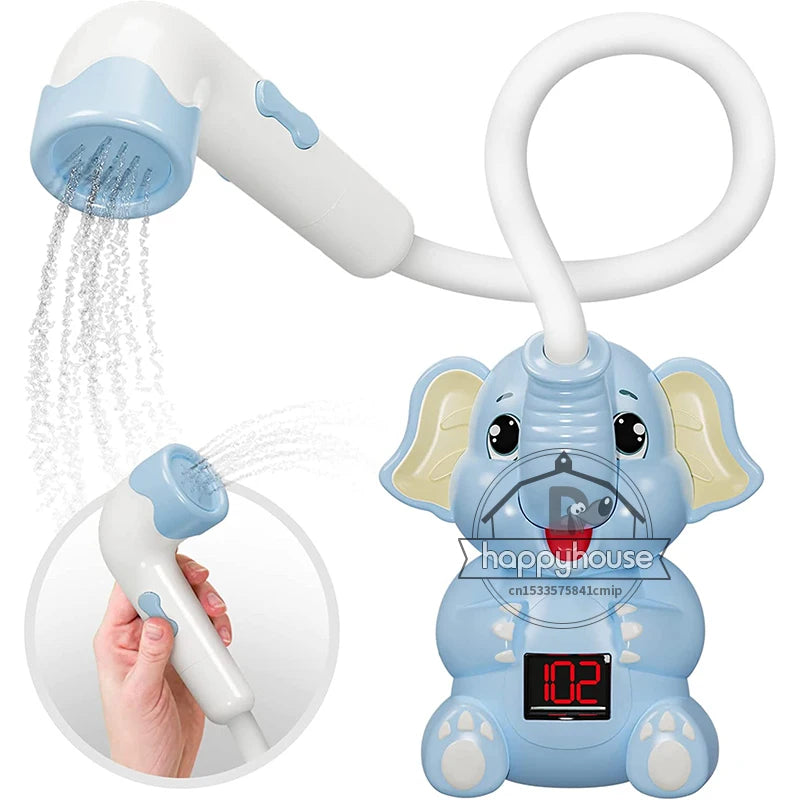
how to make bath fizz + diy bath fun — See it in action
Why bath fizz delights babies (and how to keep it safe)
Bath fizz creates a gentle bubbling reaction that many toddlers find fascinating. Watching a fizzer dissolve introduces simple cause-and-effect learning while adding excitement to an everyday routine. For parents, making bath fizz at home also means choosing ingredients that suit a child's individual skin needs.
Key benefits of making bath fizz at home
- Ingredient control: Select fragrance-free, skin-friendly ingredients and skip unnecessary additives.
- Budget friendly: Basic pantry staples can produce multiple small bath fizzers at a fraction of the cost of many commercial products.
- Customizable: Adjust colors, shapes, and scents—or leave them out entirely for sensitive skin.
- Sensory learning: The fizzing action encourages visual curiosity and can help make bath time feel more engaging.
- Suitable for family craft time: Older children can help measure and mix ingredients under adult supervision.
Although homemade bath fizz can be gentle, it should never replace proper bath safety. Babies and toddlers should always be supervised, and any new recipe should be tested on a small area of skin before regular use.
How to make bath fizz — quick recipes
Direct answer: To make a simple homemade bath fizz, combine baking soda, citric acid, cornstarch, and a small amount of carrier oil. Mix the dry ingredients thoroughly before slowly adding the oil until the mixture resembles damp sand. Press firmly into silicone molds and allow the fizzers to dry for 24 to 48 hours before use. For young children, fragrance-free recipes are generally the gentlest option.
Basic gentle bath fizz (suitable for toddlers and older infants)
- 1 cup baking soda
- 1/2 cup citric acid
- 1/2 cup cornstarch
- 2–3 teaspoons fractionated coconut oil or sweet almond oil
- Optional: 2–3 drops chamomile or calendula extract formulated for skin use
- Optional: 1 teaspoon cosmetic-grade mica or beet powder for light color
Whisk the dry ingredients until evenly combined. Slowly drizzle in the oil while stirring continuously to avoid activating the citric acid. Press the mixture firmly into silicone molds and allow it to dry in a cool, dry location for 24–48 hours. Use one small fizzer per bath, and discontinue use if irritation develops.
No-fragrance fizz for sensitive skin
- 1 cup baking soda
- 1/2 cup citric acid
- 1/2 cup finely ground oats or colloidal oatmeal
- 1–2 teaspoons light carrier oil
- No fragrances, essential oils, or added colorants
Colloidal oatmeal may help soothe dry skin, while the fizzing action remains gentle. Because newborn skin is especially delicate, parents should consult their pediatrician before introducing any bath additives during the first months of life.
Fizzy recipes for every age & sensitivity
Different ages have different skincare needs. Adjust ingredients conservatively and prioritize skin comfort over colorful effects.
0–3 months
- Consult your pediatrician before introducing bath fizz.
- If approved, use only fragrance-free ingredients and avoid added colors.
- Keep baths short using comfortably warm water, and discontinue use if any irritation appears.
3–12 months
- Choose small fragrance-free fizzers made with oatmeal or cornstarch.
- Limit use to one small fizzer per bath.
- Rinse with clean water after bathing if your child's skin tends to become dry.
1–4 years
- Children often enjoy colorful fizzers made with cosmetic-grade or naturally derived colorants.
- Use only mild, child-safe ingredients and avoid heavily scented recipes.
- Encourage supervised sensory play by watching the fizz dissolve together, or pair bath time with a bath toy elephant for added fun.
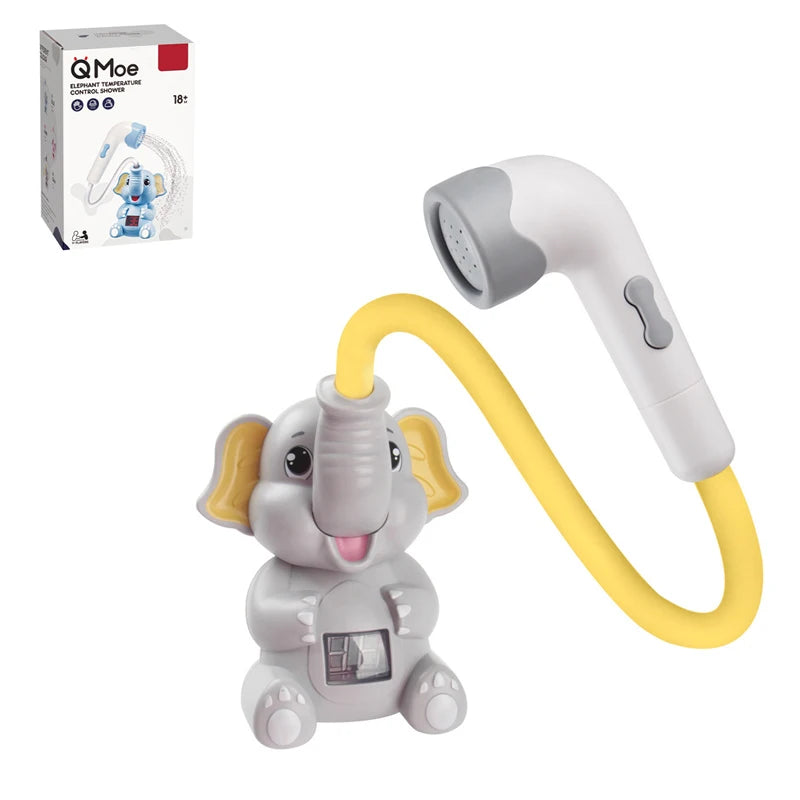
DIY bath fun + bath toy elephant — See it in action
DIY equipment checklist for making bath fizz
You don't need specialized equipment to make homemade bath fizz. A few basic kitchen tools help ensure consistent results while keeping the preparation process clean and simple.
- Mixing bowls for combining dry and wet ingredients separately.
- Measuring cups and measuring spoons for accurate ingredient ratios.
- A fine whisk or spoon to evenly distribute citric acid and baking soda.
- Silicone molds or small ice cube trays for shaping bath fizz.
- Disposable gloves (optional) to keep moisture from activating the mixture while handling.
- An airtight container for drying and storing finished bath fizz.
If you're preparing bath fizz as a family activity, organize your workspace first and keep all ingredients out of reach of young children until the fizzers have fully hardened.
Step-by-step: using fizz with babies and toddlers
- Fill the tub with comfortably warm water, around 37°C (98–100°F), and confirm the temperature using a thermometer from the Temperature Tools collection.
- Allow the bath fizz to dissolve completely before placing your child into the tub. This helps distribute the ingredients evenly.
- Use only one small fizzer per bath, especially for babies or children with sensitive skin.
- Closely supervise sensory play throughout the bath. Encourage children to watch the fizz rather than handle pieces that have not fully dissolved.
- Limit bath time to about 10–15 minutes unless otherwise recommended by your healthcare provider.
- Rinse your child's skin with clean water if desired, gently pat dry with a soft towel, and apply a fragrance-free moisturizer if dryness occurs.
For older babies and toddlers who enjoy interactive play, a gentle bath toy can help maintain attention while caregivers supervise. See the electric bath toy elephant if you're looking for an age-appropriate bath companion.
Comparison: homemade fizz vs store-bought
| Feature | Homemade bath fizz | Store-bought bath bombs |
|---|---|---|
| Ingredient control | ✅ Parents choose every ingredient and can avoid fragrances or dyes. | ⚠️ Ingredients vary by manufacturer and may contain perfumes or colorants. |
| Preparation time | ⚠️ Requires mixing, molding, and drying. | ✅ Ready to use immediately. |
| Cost per use | ✅ Usually lower when made in batches. | ⚠️ Premium products can become expensive over time. |
| Customization | ✅ Easy to adjust ingredients, shapes, and colors. | ⚠️ Limited to commercially available formulas. |
Pros & Cons quick view
- Homemade bath fizz advantages: better ingredient transparency, customizable recipes, and lower long-term cost.
- Homemade bath fizz drawbacks: requires preparation time and proper storage to maintain fizz.
- Store-bought advantages: convenient, consistent appearance, and no preparation required.
- Store-bought drawbacks: some products may include fragrances, glitter, or dyes that are unsuitable for sensitive skin.
Essential safety tips
- Always supervise babies and toddlers during bath time, regardless of whether bath fizz or toys are used.
- Choose fragrance-free recipes whenever possible for children with sensitive skin or eczema-prone skin.
- Avoid adding essential oils unless they are specifically considered appropriate for your child's age and recommended by your healthcare provider.
- Perform a patch test with any new recipe before full use.
- Discard any homemade bath fizz that develops moisture, mold, or an unusual odor during storage.
- Rinse the bathtub after use to reduce slippery residue and keep ingredients securely stored out of children's reach.
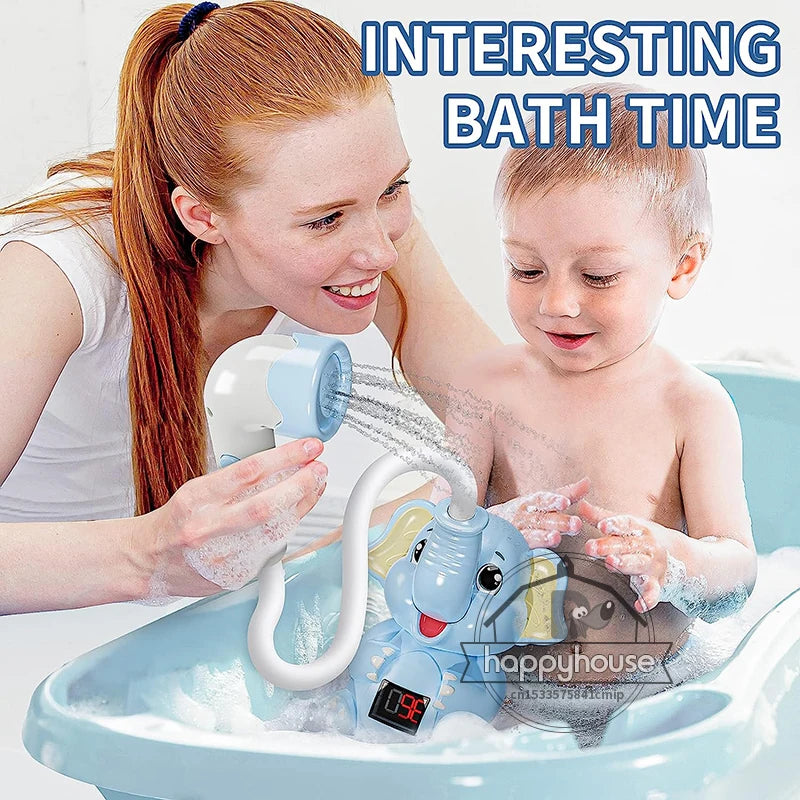
Make bath time more enjoyable with safe DIY bath fizz and supervised sensory play.
Frequently asked questions about kids bath fizz
- Can toddlers use homemade bath fizz?
- Yes. Toddlers can usually enjoy homemade bath fizz when it is made with gentle ingredients, used in moderation, and introduced under close adult supervision. Fragrance-free recipes are often the best choice for sensitive skin.
- How do you make bath bombs without citric acid?
- You can create a mild bubbling bath mixture using baking soda and other skin-friendly ingredients, although it will not produce the same fizzy reaction as traditional recipes. Some DIY recipes substitute cream of tartar, but the texture and performance will differ.
- What ingredients are safe for kids bath bombs?
- Baking soda, citric acid, cornstarch, colloidal oatmeal, and small amounts of child-friendly carrier oils are commonly used. Avoid harsh detergents, large amounts of fragrance, glitter, or unnecessary dyes for young children.
- Can I make bath fizz without essential oils?
- Absolutely. Homemade bath fizz works well without essential oils. Many parents choose fragrance-free recipes to reduce the chance of skin irritation.
- How long does homemade bath fizz last?
- When stored in an airtight container in a cool, dry place, homemade bath fizz typically stays fresh for about 3 to 6 months. Moisture is the biggest factor that reduces shelf life.
- Why is my homemade bath fizz not fizzing?
- The most common causes are excess moisture during mixing, incorrect ingredient ratios, or exposure to humidity during storage. Using fresh baking soda and citric acid and allowing the fizzers to dry completely helps improve performance.
- What should I do if my child's skin reacts?
- Stop using the bath fizz immediately, rinse the skin thoroughly with clean water, and contact your pediatrician if irritation persists or worsens. Keep a list of the ingredients used so you can identify possible triggers.
Final notes — making bath time calmer, safer, and more fun
Learning how to make bath fizz at home for kids is a simple way to introduce sensory play while maintaining control over the ingredients that come into contact with your child's skin. Choosing gentle recipes, following basic safety precautions, and storing homemade fizz correctly can help create a relaxing bath routine for the whole family.
For the best experience, combine homemade bath fizz with age-appropriate bath accessories, supervised water play, and child-friendly routines that encourage learning through exploration. If your child has sensitive skin or a history of eczema, consult your pediatrician before introducing any new bath products.
Related helpful collections: Baby Care Essentials • Health & Safety • Baby Growth & Learning
Product link: baby-bath-toys-electric-elephant — a fun companion for supervised sensory bath play.
Pillar Article: 3 Ingredient Bath Bombs Reviewed: Which Ones Are Safe and Fun
Other Related Articles:
- Hospital Newborn Bath vs. Home Bath: Pros, Cons, and Tips
- Detergent for Newborns: Gentle Options for Sensitive Skin Reviewed
- Bath Thermometer for Newborns: Which Models Are Accurate and Easy
- Top Baby Bath Toys Compared: Which Keeps Toddlers Engaged Safely
Explore More:





