

What is the safe bath temperature for a newborn?
The safe bath temperature for a newborn is usually around 98–100°F (37–38°C). This range is close to body temperature, helping babies stay comfortable while reducing the risk of burns, overheating, or chills. For what temperature for baby bath in celsius , aim for approximately 37–38°C and always check the water before placing your baby in the tub. A bath thermometer duck can help parents maintain a consistent newborn bath temperature during every bath.
Safe Bath Temperature for Newborn: Tips for Stress-Free Baths
⏱ 6 min read. Bathing a newborn can feel overwhelming for first-time parents. Water that is too warm may irritate delicate skin, while water that is too cool can make babies uncomfortable and fussy. Understanding the safe bath temperature for newborn helps create a calmer routine and makes bath time a safer bonding experience. From checking water temperature correctly to preparing the room before bath time, small steps can make a big difference.
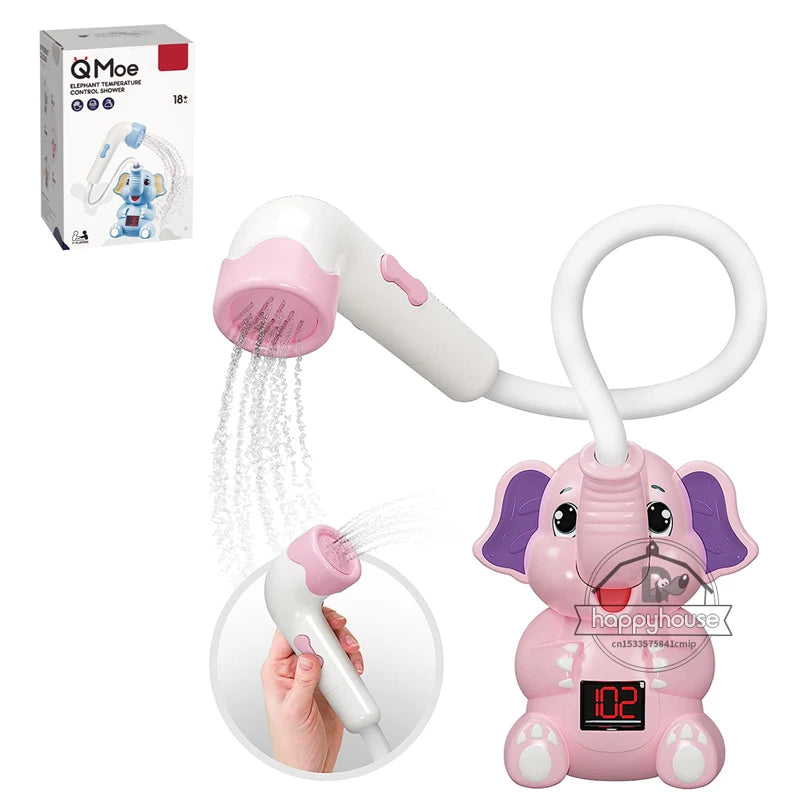
Keep the ideal baby bath temperature safe and comfortable
Why Bath Temperature Matters for Newborns
Maintaining the best temperature for baby bath water is an important part of baby bath water safety . Newborns have thinner skin and developing temperature regulation systems, which means they cannot adjust to temperature changes as effectively as older children or adults.
Why Newborn Skin Is Sensitive to Temperature
A newborn’s skin barrier is still developing, making it more vulnerable to heat, dryness, and irritation. Water that feels comfortably warm to an adult may feel too hot for a baby. Keeping bath water slightly warm instead of hot helps protect sensitive skin while keeping your baby relaxed.
Following safe newborn bathing practices also reduces stress because babies are less likely to cry or become uncomfortable when the water temperature stays consistent.
Key Risks of Incorrect Water Temperature
- Water that is too hot can cause skin burns or irritation.
- Very warm water may contribute to overheating and discomfort.
- Cold bath water can cause shivering, crying, and difficulty staying comfortable.
- Frequent temperature changes may make newborns associate bath time with stress.
How to Check and Maintain the Right Bath Temperature
Knowing how to test baby bath water temperature is one of the most important newborn bathing skills. The goal is not only reaching the right temperature once but maintaining a safe range throughout the bath.
How to Test Baby Bath Water Temperature
- Fill the bath with warm water before bringing your newborn into the room.
- Use a bath thermometer duck to check that the water is around 98–100°F (37–38°C).
- Mix the water thoroughly so there are no hotter areas near the faucet.
- Check the temperature again if bath time lasts longer or more water is added.
Using a Bath Thermometer vs Wrist or Elbow Test
A thermometer provides the most reliable reading because adults cannot always accurately judge temperature by touch. The wrist or elbow test can be useful as a backup method, but it should not replace a thermometer when preparing a newborn bath.
To test manually, place your clean wrist or elbow into the water. The water should feel comfortably warm, never hot. If you feel heat immediately, allow the water to cool before placing your baby inside.
Preparing a Safe Bath Environment Before Your Newborn Gets In
Temperature control involves more than water alone. A properly prepared environment helps prevent chills and keeps the entire bath routine safer.
Room Temperature and Bath Setup Checklist
- Keep the room comfortably warm, ideally around 75°F (24°C), and avoid cold drafts.
- Prepare towels, washcloths, clean clothes, and newborn care essentials before starting.
- Place all supplies within arm’s reach so you never need to leave your baby unattended.
- Check the bath water temperature immediately before putting your newborn in.
Safe Water Depth and Bath Duration
Newborn baths should use only a small amount of water and should be kept short. A few minutes is often enough to clean a newborn while avoiding unnecessary exposure that may dry delicate skin.
Never leave a newborn alone in the bath, even for a moment. Safe supervision is one of the most important newborn bath safety guidelines .
Signs Baby Bath Water Is Too Hot or Too Cold
Even with careful preparation, parents should watch their baby’s reactions during bath time. A newborn cannot explain discomfort, but body language can provide clues.
- Signs water may be too hot: flushed skin, increased fussiness, restlessness, or appearing uncomfortable.
- Signs water may be too cold: crying, tense movements, or becoming unsettled during the bath.
If your baby seems uncomfortable, remove them from the water safely, wrap them in a warm towel, and recheck the temperature before continuing. Do not rely only on how warm the water feels to your hand because adult skin is less sensitive than newborn skin.
How Often Does a Newborn Need a Bath?
Many parents ask, does newborn need bath everyday ? Daily baths are usually unnecessary. Most newborns only need a full bath about 2–3 times per week, while the face, neck folds, and diaper area can be cleaned regularly.
Bathing too often may remove natural oils from newborn skin and contribute to dryness. Maintaining a balanced routine supports both hygiene and comfort while making it easier to maintain the correct newborn bathing tips temperature every time.
Bathing Considerations Before and After Cord Stump Falls Off
Before the umbilical cord stump falls off and heals, many healthcare providers recommend sponge baths instead of placing the baby in a tub. After healing, regular short baths with properly controlled water temperature can be introduced.
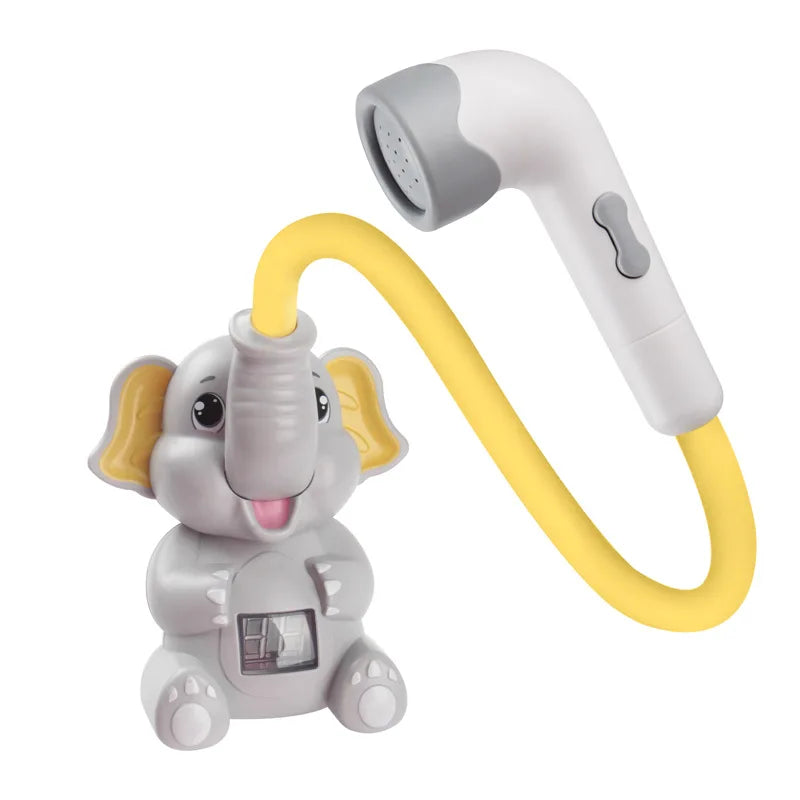
Monitor newborn bath temperature fahrenheit easily for safer baths
Step-by-Step Stress-Free Newborn Bath Routine
A simple routine helps parents maintain safe newborn bathing practices while keeping the experience calm.
Before Bath
- Prepare towels, clean clothes, and baby hygiene essentials before starting.
- Fill the bath and check that the water reaches 98–100°F (37–38°C).
- Make sure the room is warm and free from drafts.
During Bath
- Support your newborn’s head and neck at all times.
- Lower your baby gently into the water after confirming the temperature.
- Use a soft cloth to clean gently without prolonged soaking.
- Monitor your baby’s comfort and adjust if the water becomes cooler.
After Bath
- Lift your baby carefully and wrap them in a warm towel immediately.
- Dry skin folds gently and dress your baby promptly.
- Keep your newborn warm after the bath to prevent chills.
Frequently Asked Questions About Newborn Bath Temperature
What is the ideal baby bath temperature?
The ideal baby bath temperature is around 98–100°F (37–38°C). This range is warm enough for comfort while reducing the risks associated with hotter water.
What temperature for baby bath water in Celsius?
The recommended what temperature for baby bath in celsius range is approximately 37–38°C. A bath thermometer can help confirm the water stays within this safe range.
How do I test baby bath water temperature?
The most accurate method is using a bath thermometer duck . If one is unavailable, test the water with your wrist or elbow as a backup, but avoid relying only on touch.
What happens if newborn bath water is too hot?
Water that is too hot can irritate sensitive newborn skin and may increase the risk of burns. Always check the temperature before placing your baby in the bath.
How long should a newborn bath last?
A newborn bath usually only needs to last a few minutes. Short baths help maintain comfort and reduce skin dryness.
Can newborns get cold during a bath?
Yes. Newborns can lose body heat quickly, especially when the room or water is too cool. Keeping the room warm, using the correct bath temperature, and drying your baby promptly can help prevent chills.
Pillar Article: Infant Bath Time Routine: Step-by-Step Guide for Calm Baths
Other Related Articles:
- Toddler Afraid of Water? Step-by-Step Guide to Build Confidence
- Baby Hates Bath Time? Practical Tips to Make Baths Enjoyable
- Infant Thermometer Rectal: How to Measure Baby Temperature Safely
Explore More:





