

Best Baby Bath Toys: Safe, Fun & Easy-to-Clean Picks for 2026
Finding the best baby bath toys can turn everyday baths into a fun learning experience while helping babies explore movement, textures, and cause-and-effect play. The right bath toy should do more than entertain—it should be easy to clean, safe for your baby’s age, and designed to reduce common problems like trapped water and mold buildup.
Whether you need baby bath toys for toddlers , sensory play options, or bath toys that prevent mold , this guide compares the top choices by safety, materials, cleaning ease, and developmental value.
⏱ 8 min read
Featured Snippet: What Are the Best Baby Bath Toys?
The best baby bath toys are safe, age-appropriate, easy to clean, and made from durable materials that do not trap hidden water. Look for open designs, non-toxic materials, easy-grip shapes, and toys that support sensory exploration without unnecessary small parts. For most families, the best choice depends on the baby’s age, play style, and how easily the toy can be dried after each bath.
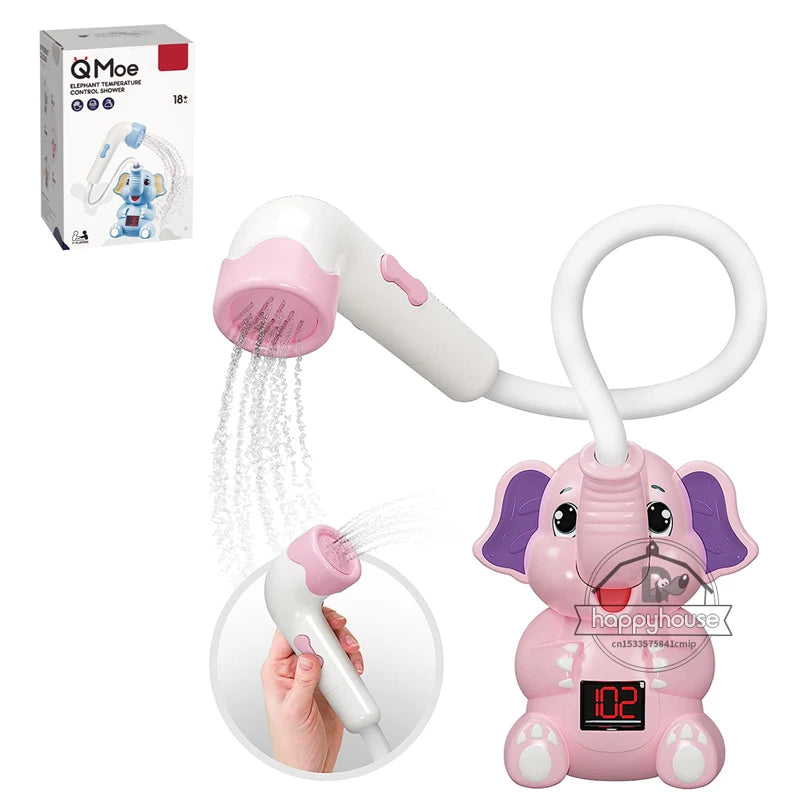
Best baby bath toys designed for safe and engaging bath play
Best Baby Bath Toys: Quick Picks for Parents
Parents often compare bath toys based on more than entertainment value. Hygiene, durability, safety, and age suitability matter just as much. These categories highlight the best options for different needs.
| Category | Best For | Material | Cleaning Ease | Mold Risk | Price Range |
|---|---|---|---|---|---|
| Best Overall Baby Bath Toy | Everyday bath play | Baby-safe plastic or silicone | Easy | Low with open design | Mid |
| Best Mold-Resistant Bath Toy | Parents prioritizing hygiene | Silicone/open drainage designs | Very easy | Low | Mid |
| Best for Teething Babies | Chewing and sensory exploration | Food-grade silicone | Easy | Low | Low-Mid |
| Best Stacking Bath Toy | Fine motor development | Plastic or silicone | Easy | Low | Low |
| Best Floating Bath Toy | Cause-and-effect play | Lightweight plastic | Moderate | Depends on design | Low-Mid |
| Best Budget Bath Toy | Simple bath entertainment | Durable plastic | Easy | Varies | Low |
Best Overall Baby Bath Toy
Baby bath toys are a practical choice for families looking for interactive play without complicated cleaning. A well-designed bath toy can help babies become comfortable in water while encouraging curiosity through movement, sound, and visual stimulation.
Standout reason: Combines entertainment with simple everyday use.
Best Mold-Resistant Bath Toy
Open-design silicone or easy-draining bath toys are often preferred because they allow water to escape quickly after use. This reduces hidden moisture where mold can develop.
Standout reason: Easier drying and fewer hard-to-clean areas.
Best for Teething Babies
Soft silicone bath toys can provide sensory variety for babies who explore objects by touching and mouthing. Choose toys designed without detachable parts and clean them regularly.
Standout reason: Supports sensory exploration with a soft texture.
Best Stacking Bath Toy
Stacking cups and similar bath toys encourage hand-eye coordination, grasping skills, and early problem-solving.
Standout reason: Provides developmental play beyond simple splashing.
Best Floating Bath Toy
Floating baby bath toys encourage babies to reach, grab, and track moving objects in water.
Standout reason: Supports movement and visual tracking.
Best Budget Bath Toy
Simple, durable bath toys can provide plenty of entertainment without unnecessary features. The best budget options are easy to wash and inspect.
Standout reason: Affordable, practical, and easy to replace.
Best Baby Bath Toys by Age
The ideal bath toy changes as babies develop new skills. Choosing age-appropriate designs improves safety and keeps play engaging.
Best Bath Toys for 6–12 Months
Babies between 6 and 12 months often enjoy toys that are easy to hold, squeeze, and explore. Look for lightweight floating toys, textured silicone designs, and toys without small detachable parts.
- Easy-grip shapes for developing hand control
- Simple colors and movement for visual tracking
- Soft textures for sensory exploration
Best Bath Toys for 12–24 Months
Toddlers benefit from toys that encourage problem-solving and coordination. Stacking cups, pouring toys, and interactive designs can support early learning through play.
- Stacking and sorting activities
- Cause-and-effect features
- Simple imaginative play
Best Toddler Bath Toys
The best toddler bath toys provide more challenge while remaining safe under supervision. Choose durable designs that can withstand frequent handling and are easy for toddlers to clean with adult help.
Best Baby Bath Toys by Category
Best Mold-Resistant Bath Toy
Parents searching for bath toys that prevent mold should prioritize toys with open structures, drainage holes, or removable components. Avoid designs that permanently trap water inside.
Best Easy-to-Clean Bath Toy
The easiest bath toys to maintain are those that can be rinsed fully, dried quickly, and inspected regularly. Simple shapes usually outperform complicated designs with hidden openings.
Best Sensory and Developmental Bath Toy
Sensory bath toys introduce different textures, movements, and sounds that encourage exploration. These toys can support fine motor skills and coordination while keeping bath time engaging.
Best Stacking Bath Toy
Stacking toys help toddlers practice grip control, ordering, and problem-solving. They are also typically easy to separate, rinse, and dry.
Best Floating Bath Toy
Floating baby bath toys encourage reaching and grabbing while helping babies understand movement in water.
Best Bath Toy for Teething Babies
For teething babies, choose soft, durable materials designed for safe chewing. Avoid toys with loose pieces or damaged surfaces.
Baby Bath Toy Materials: Which Are Safest?
Non-Toxic Materials to Look For
When selecting safe baby bath toys , parents often look for silicone, durable BPA-free plastic, and other baby-friendly materials. Material quality matters because bath toys are exposed to water, frequent handling, and repeated cleaning.
Materials and Features to Avoid
- Toys with cracks, peeling surfaces, or damaged finishes
- Small detachable parts that may create choking risks
- Fully sealed toys that trap water internally
How to Check for Choking Hazards
Inspect bath toys regularly. Avoid toys with loose components and choose designs appropriate for your child’s age and developmental stage.
How We Tested the Best Baby Bath Toys
A reliable baby bath toy comparison should consider hygiene, safety, durability, and real parent convenience.
Mold Resistance and Drying Test
We evaluate how easily each toy drains, dries, and prevents trapped moisture after bath time.
Cleaning and Storage Test
Toys are assessed for rinsing difficulty, drying requirements, and practical storage between baths.
Safety and Durability Check
We review material quality, seams, detachable parts, age suitability, and durability during regular use.
How to Choose the Best Baby Bath Toys
Age and Developmental Stage
Select toys based on your baby’s current skills. Younger babies need easy-grip designs, while toddlers benefit from more interactive play.
Material and Safety
Choose durable, non-toxic bath toys without unnecessary small parts or unsafe construction.
Mold Resistance and Drainage
Toys that dry completely after each bath are easier to maintain and reduce hygiene concerns.
Cleaning and Drying Ease
Simple designs with fewer hidden areas are usually easier to clean and inspect.
Price and Long-Term Value
The best value comes from toys that remain safe, durable, and engaging as your child develops.
How to Clean Baby Bath Toys and Prevent Mold
How to Clean Bath Toys After Every Bath
- Rinse toys with clean water after use
- Remove trapped water from openings
- Wipe away soap residue
How to Dry and Store Bath Toys
Allow toys to air dry completely before storing them. Keep them in a well-ventilated area instead of closed containers where moisture can remain trapped.
When to Throw Away a Moldy or Damaged Bath Toy
Replace toys that develop visible mold, unpleasant odors, cracks, damaged surfaces, or areas that cannot be cleaned properly.
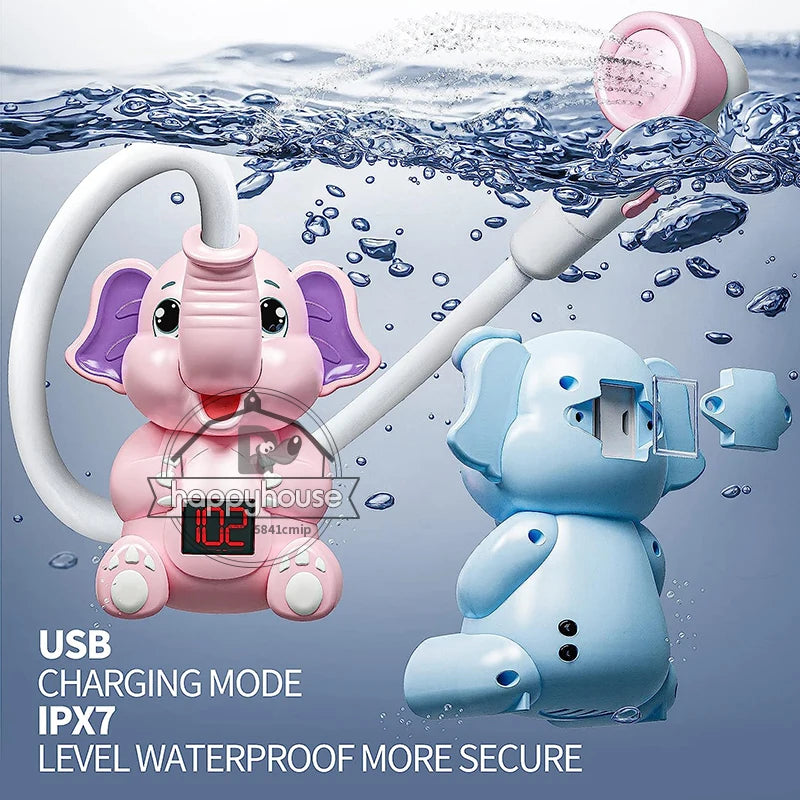
Safe baby bath toys that make bath time more engaging
Baby Bath Toys FAQ
When can babies start using bath toys?
Many babies can begin using simple bath toys once they can safely sit with support and enjoy supervised bath play. Always choose age-appropriate toys and supervise children during use.
What are the safest baby bath toys?
The safest baby bath toys are made from durable materials, have no small detachable parts, and are easy to clean and dry.
How do you clean baby bath toys and prevent mold?
Rinse toys after each bath, remove trapped water, and allow them to dry completely. Open designs are often easier to maintain than sealed water-filled toys.
Are squirting bath toys safe for babies?
Squirting toys can be entertaining, but enclosed designs may trap water and become difficult to clean. Choose models that can be opened, drained, or thoroughly maintained.
What materials are safest for baby bath toys?
Silicone and durable baby-safe plastics are common choices. Always check product information and inspect toys regularly for wear.
How often should you replace baby bath toys?
Replace bath toys when they show mold, cracks, damage, strong odors, or cannot be cleaned effectively.
Are silicone bath toys better than plastic bath toys?
Silicone toys are often valued for softness and easy cleaning, while plastic toys can provide durability and lightweight designs. The best choice depends on your child’s age and play needs.
What baby bath toys are best for toddlers?
Toddlers often enjoy stacking toys, pouring toys, and interactive designs that encourage coordination and imaginative play.
Pillar Article: 3 Ingredient Bath Bombs Reviewed: Which Ones Are Safe and Fun
Other Related Articles:
- How to Make Bath Fizz at Home: Safe Recipes for Little Ones
- Hospital Newborn Bath vs. Home Bath: Pros, Cons, and Tips
- Detergent for Newborns: Gentle Options for Sensitive Skin Reviewed
- Bath Thermometer for Newborns: Which Models Are Accurate and Easy
Explore More:





