

Does floor mats cleaning really keep baby spaces safer and fresher?
Yes. A consistent floor mats cleaning routine helps create a cleaner, healthier play space by removing crumbs, dust, sweat, allergens, and everyday germs before they build up. For most foam play mats, Pack N Play mats, and waterproof playpen mats, a quick daily wipe followed by complete drying is enough to maintain hygiene, while a deeper clean every few weeks keeps the surface fresh without damaging protective materials. Following a baby safe floor mat cleaning routine also helps extend the life of the mat and reduces the risk of lingering odors or mold caused by trapped moisture.
⏱ 7 min read
Floor Mats Cleaning Guide for Fast Daily Baby-Safe Refresh
Busy parents deal with spills, snack crumbs, crawling babies, and messy play sessions every day. This practical floor mats cleaning guide explains how to clean foam play mats, Pack N Play mats, and playpen mats safely using simple, non-toxic methods. You'll learn how to refresh your baby's play surface in just a few minutes while protecting waterproof coatings, foam layers, and sensitive skin.
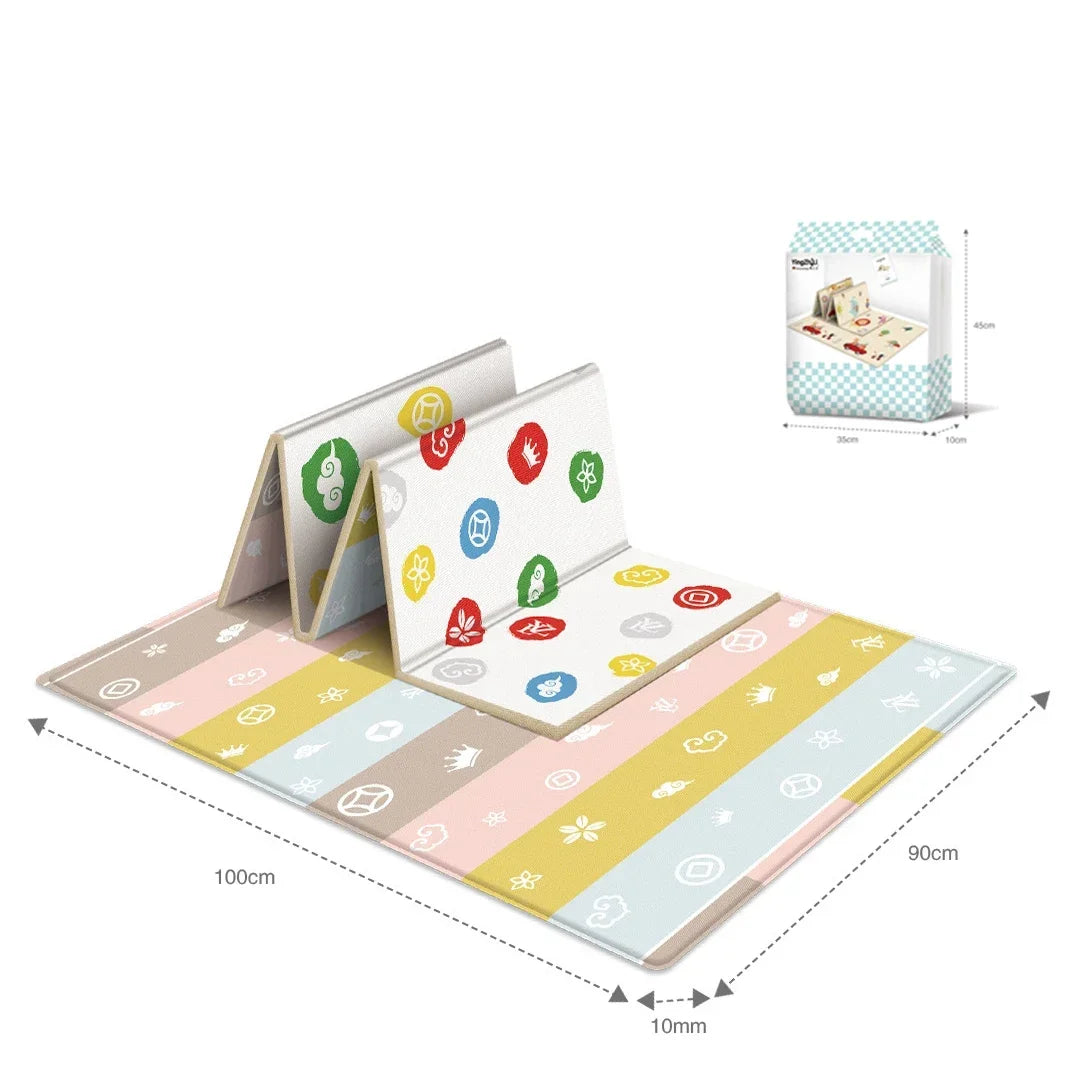
floor mats cleaning • cleaning foam play mats • cleaning pack n play mat — See it in action
Curious which surfaces and accessories pair best with quick-clean mats? Learn more and plan a safer play area.
Why quick floor mats cleaning matters
Babies spend hours crawling, rolling, sitting, and exploring on floor mats, making these surfaces one of the most frequently used areas in the home. Daily exposure to food crumbs, saliva, pet hair, skin oils, dirt tracked in on socks, and moisture can gradually create an environment where odors, stains, and bacteria become more difficult to remove.
A short daily cleaning routine helps prevent buildup before it becomes a larger problem. Regular maintenance also protects foam surfaces from excessive scrubbing, allowing the material to stay soft and supportive for longer.
- Removes everyday dirt, dust, and allergens before they accumulate.
- Helps reduce sticky residue that attracts more debris.
- Supports a cleaner crawling and tummy-time environment.
- Minimizes staining and unpleasant odors.
- Reduces the need for frequent intensive deep cleaning.
Which areas to focus on?
- High-traffic play zones where babies crawl most often.
- Edges, folds, and seams where crumbs collect.
- Under activity gyms, toys, and feeding seats that trap moisture.
- Areas with visible spills, discoloration, or sticky residue after meals.
Quick example: After snack time, remove loose crumbs, wipe the surface with a damp microfiber cloth and a baby-safe cleaner, then allow the mat to air-dry completely before the next play session.
Fast daily routine (step-by-step)
A daily floor mat refresh takes less than five minutes and works well for most foam play mats, playpen mats, and Pack N Play mats. Performing these simple steps consistently keeps dirt from becoming embedded while helping maintain a hygienic play surface.
- Clear the area — Remove toys, blankets, books, and loose accessories.
- Remove loose debris — Sweep gently with a soft brush or use a hand vacuum to lift dust, crumbs, and hair.
- Spot clean spills — Wipe sticky areas immediately using a damp microfiber cloth and a mild baby-safe cleaning solution.
- Sanitize if needed — Apply a diluted child-safe disinfectant according to the manufacturer's directions, allowing the recommended contact time before wiping.
- Dry thoroughly — Use a clean microfiber towel or allow the mat to air-dry fully to prevent trapped moisture.
- Replace toys — Return clean toys and rotate frequently used items to distribute wear evenly.
Materials needed (quick checklist)
- Two or three clean microfiber cloths.
- Mild baby-safe cleaner or warm water mixed with a small amount of gentle dish soap.
- Child-safe disinfectant suitable for baby surfaces.
- Soft-bristle brush or handheld vacuum.
- Small spray bottle for controlled application.
What to use — baby-safe cleaners & tools
Using the right products is just as important as cleaning regularly. Gentle, non-toxic cleaners help sanitize baby floor mats without breaking down waterproof coatings, fading printed surfaces, or irritating sensitive skin.
Recommended
- Mild soap diluted with warm water for everyday wiping.
- Alcohol-free, fragrance-free disinfectants approved for children's surfaces.
- Soft microfiber cloths that lift dirt without scratching.
- Soft rubber squeegees for waterproof foldable mats.
- Spray bottles that apply a light, even mist instead of soaking the surface.
Avoid
- Bleach, ammonia, or harsh solvents that can damage foam and waterproof finishes.
- Abrasive scrub pads or stiff brushes that wear away protective coatings.
- Strongly scented cleaners that may irritate babies with sensitive skin or respiratory systems.
- Excessive water or prolonged soaking, which can allow moisture to penetrate foam layers and encourage mold growth.
Cleaning tools and supplies table
| Tool or Cleaner | Recommended Use | Safe for Foam Mats | Notes |
|---|---|---|---|
| Microfiber cloth | Daily wiping | Yes | Gentle and reusable. |
| Mild soap solution | Routine cleaning | Yes | Use a lightly damp cloth rather than soaking the mat. |
| Baby-safe disinfectant | Occasional sanitizing | Yes | Follow label directions and wipe away residue if required. |
| Soft-bristle brush or hand vacuum | Removing crumbs and dust | Yes | Ideal before wet cleaning. |
| Bleach or abrasive cleaners | Not recommended | No | May damage materials and leave harmful residues. |
When and how to deep clean
Even with consistent daily maintenance, every mat benefits from a thorough cleaning every 2–4 weeks. Deep cleaning is also recommended immediately after diaper leaks, large food spills, pet accidents, illness in the household, or whenever the mat develops persistent stains or odors. Following a proper baby safe floor mat cleaning routine helps sanitize baby floor mats while protecting foam cores, waterproof coatings, and stitched seams.
Deep-clean steps
- Remove any washable cover and clean it according to the manufacturer's care label.
- Vacuum or brush away loose debris before using water or cleaning solution.
- Treat visible stains with a gentle detergent or baby-safe stain remover, then wipe clean with fresh water.
- For waterproof mats, clean both sides using warm soapy water and a microfiber cloth before wiping away any residue.
- Inspect seams, folds, and corners for trapped crumbs or moisture before drying.
- Never saturate solid foam inserts, as excessive moisture can weaken the material and encourage mold growth.
Safe drying methods
Complete drying is essential before babies return to the play area. Moisture trapped inside foam or folded mats can create unpleasant odors and increase the chance of mildew.
- Air-dry the mat completely in a well-ventilated, shaded location.
- Stand foldable mats upright so both sides receive airflow.
- Avoid direct sunlight for extended periods, which may fade colors or dry out foam.
- Do not stack, fold, or store mats until every surface feels completely dry.
- Inspect the mat before reuse for lingering moisture, peeling, cracks, or damaged seams.
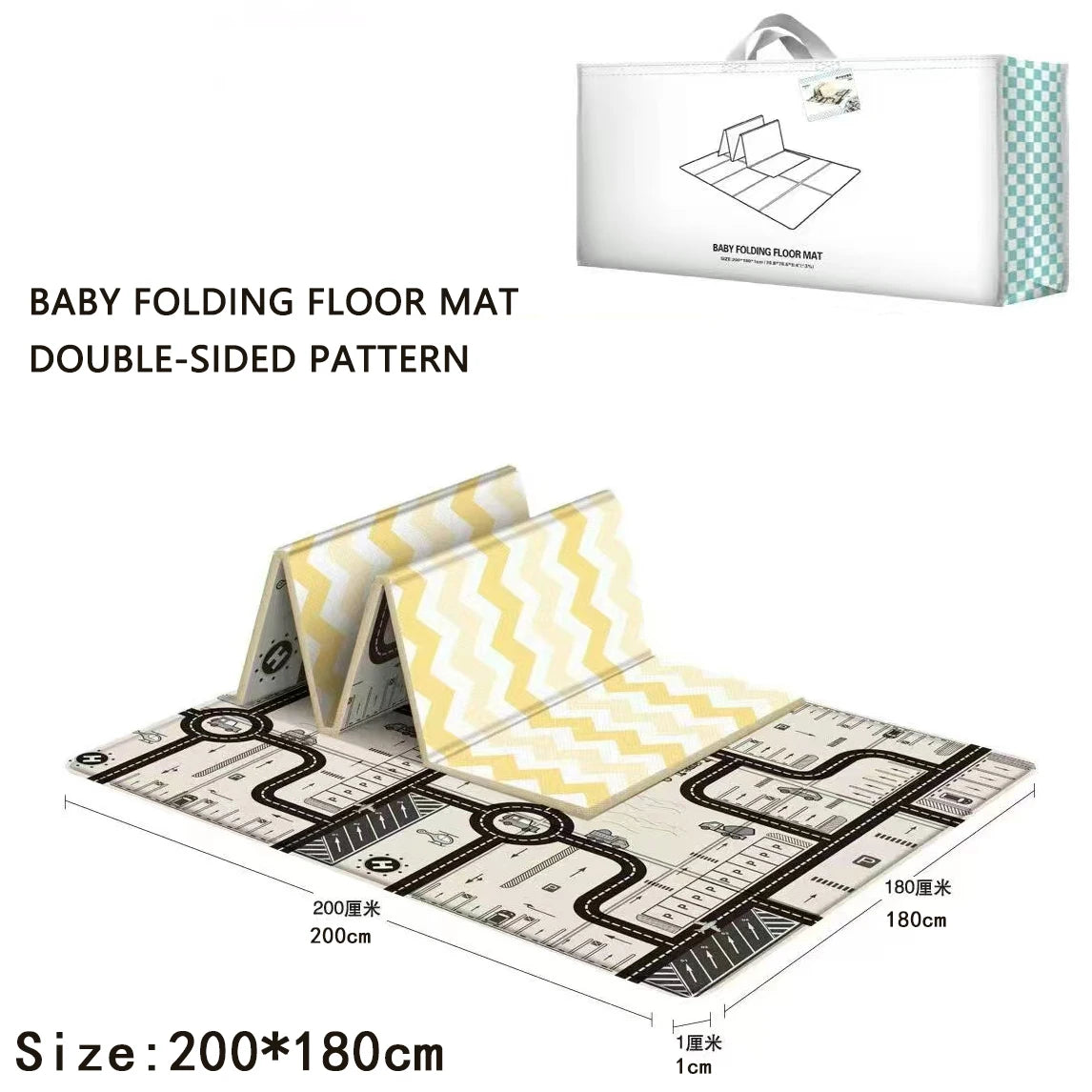
cleaning foam play mats • cleaning playpen mat • cleaning pack n play mat — See it in action
Compare: cleaning methods at a glance
Each cleaning method serves a different purpose depending on the type of mess, the material, and the amount of time available.
| Method | Time | Best for | Advantages | Limitations |
|---|---|---|---|---|
| Daily wipe | 3–5 minutes | Foam and waterproof mats | Fast maintenance that prevents buildup | Does not remove deep stains |
| Hand wash (cover) | 20–40 minutes | Removable fabric covers | Removes body oils and everyday dirt thoroughly | Requires complete drying before reuse |
| Machine wash (if label allows) | 1–2 hours total | Machine-washable covers only | Convenient for routine deep cleaning | Improper settings may shrink fabric |
| Enzyme spot cleaner | 5–15 minutes | Food, milk, and organic stains | Helps remove odors and stubborn residue | Requires careful rinsing afterward |
Pro tips to extend mat life
Good maintenance habits keep play mats cleaner between washes and help preserve cushioning, waterproof coatings, and printed surfaces for years of everyday use.
- Rotate the mat every week to distribute wear evenly.
- Keep shoes off the mat whenever possible to reduce dirt and grit.
- Use snack trays or washable placemats during meals to contain crumbs.
- Clean spills immediately before they dry into the surface.
- Carry a small cleaning kit with microfiber cloths and a baby-safe spray for quick touch-ups while traveling.
Prevent sticky ring stains
Liquids containing juice, fruit puree, milk, or syrup can leave visible rings if allowed to dry. Blot spills immediately instead of rubbing aggressively, then wipe with a damp microfiber cloth and allow the surface to dry naturally.
Storage best practices
- Store mats only after they are completely dry.
- Fold according to the manufacturer's crease lines to avoid cracking.
- Keep mats in a cool, dry area away from direct sunlight and excessive humidity.
- Avoid placing heavy furniture on folded mats for long periods to prevent permanent compression.
- Inspect stored mats periodically for signs of moisture, mold, or damage before using them again.
Need tips on size, thickness, and material for your family's routine? See comparisons and choose smarter for everyday cleaning and long-term durability.
Safety & baby-friendly cleaning checklist
Following a consistent baby safe floor mat cleaning routine helps keep your child's play area hygienic while protecting the mat from unnecessary wear. Before returning the mat to everyday use, take a few moments to complete these simple safety checks.
- Rinse away any cleaning residue if the product instructions recommend it before allowing babies to crawl or play.
- Choose child-safe, non-toxic cleaners designed for surfaces that may come into contact with young children.
- Store all cleaning products securely out of children's reach.
- Follow the recommended contact time for disinfectants to properly sanitize baby floor mats.
- Allow every layer of the mat to dry completely before folding, storing, or placing toys back on the surface.
- Improve ventilation by opening windows or drying mats in a well-ventilated room whenever possible.
- Test unfamiliar cleaning products on a small hidden area before treating the entire mat.
- Inspect the surface regularly for peeling, cracks, loose seams, or damage that could affect safety.
How often should floor mats be cleaned?
The right cleaning schedule depends on how often the mat is used, whether pets share the space, and how frequently snacks or messy play activities take place.
Daily
- Wipe away crumbs, spills, and visible dirt after playtime or meals.
- Allow the surface to dry completely before the next use.
Weekly
- Clean the entire surface with a mild baby-safe cleaner.
- Check seams and folds for trapped dirt and moisture.
Monthly
- Perform a complete deep clean following the manufacturer's care instructions.
- Inspect waterproof coatings, foam condition, and stitched edges for signs of wear.
High-traffic areas
- Homes with multiple children, indoor pets, or frequent snack time may benefit from more frequent spot cleaning and weekly sanitizing.
- Increase cleaning frequency during cold, flu, or allergy seasons when maintaining clean play surfaces is especially important.
Pros & cons: Quick refresh vs. deep clean
Both cleaning methods play an important role in keeping baby play mats hygienic. Choosing the right approach depends on the type of mess, available time, and the condition of the mat.
| Cleaning Method | Best For | Advantages | Limitations |
|---|---|---|---|
| Quick daily refresh | Everyday crumbs, dust, and small spills | Fast, convenient, minimizes dirt buildup, reduces material wear | Cannot fully remove deep stains, odors, or embedded dirt |
| Deep cleaning | Monthly maintenance and larger accidents | Removes stubborn stains, sanitizes thoroughly, restores freshness | Requires more time, complete drying, and careful handling of foam materials |
- ✅ Daily cleaning helps maintain hygiene with only a few minutes of effort.
- ✅ Regular maintenance reduces the need for aggressive scrubbing that can shorten mat life.
- ✅ Scheduled deep cleaning removes odors, bacteria, and stains that routine wiping cannot address.
- ❌ Deep cleaning takes longer and requires complete drying before babies can safely use the mat again.
- ❌ Relying only on quick wipes may allow hidden moisture or stains to accumulate over time.
Frequently asked questions
-
How do you clean foam play mats without damaging them?
Remove loose crumbs first, then wipe the surface with a microfiber cloth dampened with warm water and a mild baby-safe cleaner. Avoid soaking the foam or using abrasive scrubbers, and allow the mat to air-dry completely before use.
-
What is the safest cleaner for baby floor mats?
A fragrance-free, non-toxic cleaner designed for children's surfaces is the safest choice. A diluted solution of mild dish soap and warm water also works well for everyday cleaning. Avoid bleach, ammonia, and harsh solvents that may damage the mat or leave irritating residues.
-
How often should floor mats be cleaned?
Wipe baby play mats daily after meals or messy play, perform a full surface clean each week, and complete a deep clean every 2–4 weeks. Increase cleaning frequency if pets, illnesses, or heavy daily use introduce additional dirt and germs.
-
Can you disinfect foam play mats safely?
Yes. Use a child-safe disinfectant approved for baby surfaces, follow the manufacturer's recommended contact time, and wipe away any remaining residue if instructed. Let the mat dry thoroughly before your child plays on it.
-
How do you clean a Pack N Play mat?
Remove the mattress cover if it is washable, following the care label instructions. Wipe the waterproof surface with a soft cloth and mild soap solution, clean seams carefully, then dry the entire mat completely before reassembling the play yard.
-
How do you remove odors from floor mats?
Persistent odors are often caused by trapped moisture or organic residue. Deep clean the affected area with a gentle enzyme cleaner when appropriate, rinse thoroughly, and allow the mat to dry in a shaded, well-ventilated space. If odors remain after repeated cleaning, inspect the foam for permanent damage or mold.
-
How long should floor mats dry before using them again?
Drying time depends on the material, humidity, and airflow, but every surface should feel completely dry before use. Most waterproof mats dry within a few hours, while thicker foam products may require additional time after deep cleaning.
-
What cleaning products should you avoid on baby play mats?
Avoid bleach, ammonia, harsh solvents, abrasive cleaning pads, highly scented chemicals, and products not recommended by the mat manufacturer. These cleaners may damage protective coatings, weaken foam, or leave residues unsuitable for baby play areas.
Related collections: Baby Care Essentials • Mom Essentials • Baby Growth & Learning
Pillar Article: How to Create Safe Play Area at Home: Step-by-Step Parent Guide
Other Related Articles:
- Sensory Play for 7 Month Old: Easy Activities for Everyday Learning
- Motor Skills and Fine Motor Skills: How to Support Baby Play Sessions
- Portable Baby Mat for Travel Review: Lightweight Picks Compared
Explore More:





