

Does creating a sensory play zone really boost motor skills and fine motor skills?
Answer: Yes — a thoughtfully arranged play space can give babies more opportunities to practice both gross and fine motor skills. A safe sensory surface, outdoor mat for play area, or waterproof play mat can support supervised tummy time, reaching, rolling, crawling, grasping, and exploring. The goal is not to make babies reach milestones faster, but to provide regular, enjoyable opportunities for movement and hands-on learning at their own pace.
⏱ 8 min read
Motor Skills and Fine Motor Skills: How to Support Baby Play Sessions
Supporting motor skills and fine motor skills does not require complicated equipment or long training sessions. Babies develop through everyday opportunities to move, reach, grasp, explore, and interact with people and objects around them. A safe floor space, age-appropriate toys, tummy time, and simple sensory activities can turn ordinary play into meaningful practice. Below, you’ll learn what fine motor skills for babies look like at different ages, how fine and gross motor skills work together, and practical ways to encourage baby coordination development without putting pressure on milestones.
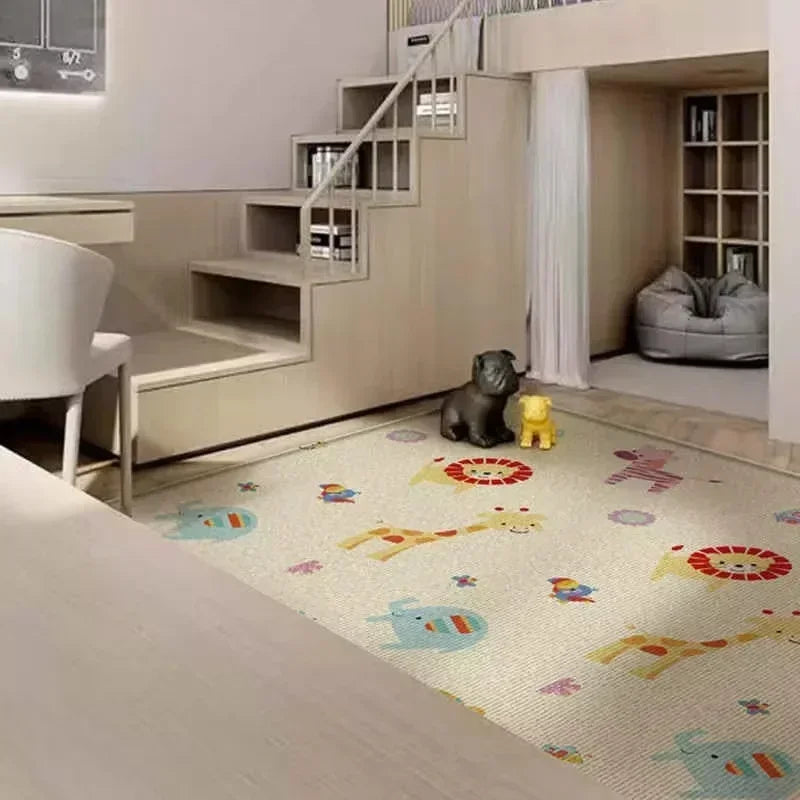
motor skills and fine motor skills + sensory surface — See it in action
What Are Fine Motor Skills for Babies and Why Do They Matter?
Fine motor skills for babies are the small, controlled movements that involve the hands, fingers, and wrists. Early examples include opening the hands, bringing fingers toward the mouth, reaching for a toy, grasping an object, transferring it from one hand to another, and eventually picking up small pieces of food using a developing pincer grasp.
These skills develop gradually through repeated opportunities to interact with the environment. When a baby reaches for a toy, for example, they are not only moving their fingers. They are coordinating their eyes, shoulders, arms, hands, and fingers to judge distance, control movement, and successfully make contact with the object.
Fine vs gross motor skills: understanding the difference
The difference between fine vs gross motor skills is mainly the size and type of movement involved:
- Gross motor skills: Use larger muscle groups for movements such as lifting the head, rolling, sitting, crawling, standing, and walking.
- Fine motor skills: Involve smaller movements of the hands and fingers, such as grasping, releasing, transferring objects, pointing, and picking up food.
Although they are different, these abilities develop together. A baby needs sufficient trunk and shoulder stability to control their arms effectively, while reaching and grasping give them opportunities to strengthen coordination and explore cause and effect. For example, sitting balance can make it easier to use both hands to hold and examine a toy.
Why fine motor skills support early learning and independence
Strong baby coordination development supports much more than physical movement. As babies manipulate objects, they learn about size, texture, weight, movement, and cause and effect. Reaching for a toy also encourages visual attention and problem solving, while grasping and releasing help babies learn how their actions affect the world around them.
Over time, developing hand control contributes to everyday abilities such as holding a spoon, picking up finger foods, turning pages, pointing, stacking objects, and participating in early self-care. Fine motor development also works alongside communication and cognitive development because babies often use their hands to explore, gesture, request, and interact with caregivers.
Development is individual. Babies may reach the same general milestones at different times, and temporary differences do not automatically indicate a problem. Focus on opportunities for practice and gradual progress rather than comparing one baby with another.
Baby Fine Motor Skills Milestones by Age
Understanding baby motor skills milestones can help parents notice emerging abilities without turning development into a race. The following timeline is a general guide, not a strict schedule. Some babies develop particular skills earlier or later, and skills can overlap from one age range to the next.
0–3 months: hands opening and early reaching
During the first three months, babies are gaining control over their head, neck, shoulders, and arms. Their hands may spend less time tightly closed as they become more aware of their fingers and begin bringing their hands toward their face or mouth.
- Opening and closing the hands more frequently
- Bringing hands toward the mouth
- Watching their own hands move
- Beginning to reach or swipe toward interesting objects
- Briefly holding an object placed in the hand
At this stage, supervised floor play and short periods of tummy time can support the larger muscle control that later helps with purposeful reaching.
3–6 months: grasping and transferring objects
As babies gain better control of their arms and hands, reaching becomes increasingly purposeful. They may start closing their fingers around toys, bringing objects toward their mouths, and exploring items by turning or shaking them.
- Reaching toward nearby toys
- Grasping larger objects with the whole hand
- Holding toys for longer periods
- Bringing objects to the mouth for exploration
- Beginning to move or transfer objects between hands
These are important stages in motor skills development baby routines because they combine visual tracking, arm movement, hand control, and sensory exploration.
6–12 months: picking up, pinching, and exploring
Between six and twelve months, many babies become more active explorers. They may sit independently, crawl or move in other ways, and use their hands with increasing purpose. Their grasp gradually becomes more precise as they learn to pick up objects and manipulate them.
- Reaching accurately for desired objects
- Picking up larger toys and moving them between hands
- Raking objects toward themselves with the fingers
- Beginning to use a thumb-and-finger grasp for smaller items
- Pointing, poking, banging, shaking, or dropping objects
- Practicing self-feeding with appropriately prepared foods under supervision
Parents can support these emerging skills with safe, age-appropriate objects that are large enough to avoid choking risks. The emphasis should remain on exploration rather than perfect technique.
12+ months: improving precision and self-feeding skills
After the first year, many toddlers continue refining hand and finger control. They may become more accurate when picking up small objects, attempt to use utensils, turn pages, stack items, scribble, and participate in simple everyday tasks.
- More precise pincer grasp
- Picking up small pieces of appropriately prepared food
- Beginning to use a spoon with assistance
- Stacking or nesting simple objects
- Turning board-book pages
- Making early marks with large crayons
There is a wide range of normal development. If you are concerned about a missing skill, loss of a previously acquired ability, or a noticeable difference in movement between sides of the body, discuss your concerns with your child's pediatrician or healthcare professional.
Activities to Improve Fine Motor Skills in Babies
The best activities to improve fine motor skills baby routines are simple, supervised, and matched to the child's current abilities. You do not need expensive toys. Everyday interactions with safe objects can provide valuable practice while keeping play engaging.
Tummy time activities for reaching and grasping
Skills supported: shoulder strength, arm control, visual tracking, reaching, and early grasping.
Place your baby on a firm, safe surface for supervised tummy time while they are awake. Position an age-appropriate toy or your face slightly in front of them. As your baby looks toward the object, move it slowly from one side to the other. This encourages visual tracking and may motivate them to shift their weight, reach, or eventually roll toward the target.
- Start with a short, comfortable period of tummy time.
- Place a familiar toy within visual range but not so far away that your baby becomes frustrated.
- Move the toy slowly from side to side.
- Give your baby time to attempt the movement independently.
- Stop when your baby becomes tired or upset and try again later.
These tummy time motor skills activities can be adapted as your baby becomes stronger. The aim is to create opportunities for movement, not to force a particular position or milestone.
Sensory play ideas for hand coordination
Skills supported: grasping, releasing, hand-eye coordination, finger movement, and sensory exploration.
Sensory play for motor skills can be as simple as offering safe objects with different shapes and textures. For younger babies, use large, washable toys that cannot fit entirely into the mouth. Let your baby touch, hold, shake, and explore them while you supervise.
- Textured fabric: Offer a securely made sensory toy or fabric book with varied textures for touching and grasping.
- Soft balls: Encourage reaching and holding with a large, lightweight ball that is easy for small hands to grip.
- Stacking cups: Let older babies practice holding, banging, nesting, and knocking cups over.
- Large rings: Offer appropriately sized rings for grasping, transferring, and releasing.
Keep the activity simple. One or two objects can be enough for meaningful exploration, especially when a caregiver joins the play by naming textures, describing movements, and responding to the baby's cues.
Simple household activities for finger strength
Skills supported: grasp-and-release control, bilateral coordination, hand strength, and early problem solving.
Once your baby is developmentally ready, ordinary household routines can become opportunities for supervised practice. For example, a baby may enjoy placing large objects into and out of an open container, turning thick board-book pages, or helping to move lightweight toys into a basket.
- Place large, safe toys into a wide container and let your baby remove them.
- Encourage your baby to turn thick board-book pages during story time.
- Offer a large soft ball to hold, pass, or roll.
- Let your baby practice picking up appropriately sized finger foods during supervised meals.
Never use small household objects as practice toys if they present a choking risk. Activities should always match your baby's developmental stage and be supervised by an attentive adult.
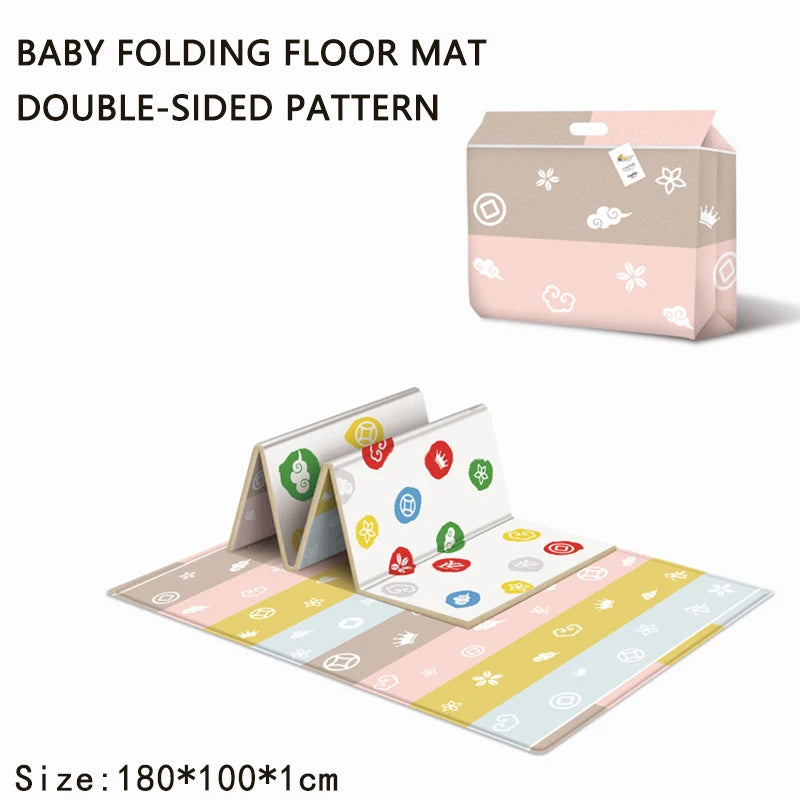
motor skills and fine motor skills + outdoor mat for play area — See it in action
How to Create a Safe Baby Play Environment for Motor Development
A safe environment gives babies the freedom to practice movement without unnecessary obstacles. When creating a space for how to develop baby motor skills , think beyond the toy itself. The floor surface, surrounding furniture, cleanliness, temperature, and level of supervision all affect how comfortably a baby can explore.
Choosing safe surfaces and sensory materials
Choose a stable play surface that gives your baby enough room to move, roll, reach, and eventually crawl. A waterproof play mat can be practical for everyday floor play because it is easier to wipe after spills and messes. A sensory surface can add tactile variety, while an outdoor mat for play area use may be useful when supervised play moves outside.
When choosing a play surface, consider:
- Stability: The mat should stay securely in place and not create unexpected sliding.
- Comfort: A supportive surface can make floor play more comfortable while allowing babies to move naturally.
- Space: Leave enough open room for rolling, reaching, and crawling as your baby becomes more mobile.
- Cleanability: Choose materials that can be cleaned regularly, especially for babies who mouth toys and surfaces.
- Age appropriateness: Sensory features and toys should suit your baby's developmental stage.
For families who need a practical surface for everyday floor play, the Foldable Baby Play Mat (waterproof) can provide a convenient, wipe-clean area for supervised play while making storage easier when the space is needed for other activities.
Cleaning and supervision tips during play
Babies explore with their hands and mouths, so regular cleaning and close supervision are essential. Inspect toys and play surfaces frequently, particularly after outdoor use or messy sensory activities.
- Check toys regularly for cracks, loose pieces, or damage.
- Keep small objects away from babies who still mouth items.
- Clean waterproof play surfaces according to the manufacturer's care instructions.
- Wash fabric toys and removable covers as recommended by the manufacturer.
- Supervise babies during all floor and sensory play.
- Keep cords, small household objects, plastic packaging, and other hazards outside the play area.
- For outdoor play, inspect the area for stones, insects, sharp objects, excessive heat, or other hazards before placing your baby down.
Choking prevention is especially important as babies begin developing a more precise grasp. Objects that can fit completely inside a child's mouth may pose a choking hazard. When introducing toys or foods, follow age recommendations and guidance from your pediatrician or other qualified healthcare professional.
Sample Daily Routine for Supporting Baby Motor Skills
A practical routine for how to develop baby motor skills does not need to look like formal exercise. Short periods of active play can be naturally included around feeding, naps, diaper changes, and family time. Follow your baby's cues and stop when they show signs of tiredness or frustration.
10–20 minute play session example
A simple session can combine several developmental opportunities without overwhelming your baby:
- 2–5 minutes of tummy time: Place your baby on a safe floor surface and encourage head lifting, looking, and reaching.
- 3–5 minutes of reaching practice: Offer one interesting toy within comfortable reach and allow your baby to attempt to grasp it.
- 3–5 minutes of sensory exploration: Introduce a safe textured object and let your baby touch, hold, shake, or explore it.
- 2–5 minutes of free movement: Give your baby time to move naturally without directing every action.
For younger babies, even shorter periods may be appropriate. Older babies who are sitting or crawling may naturally spend longer exploring, provided they remain comfortable and supervised.
Combining tummy time, sensory play, and grasping practice
The most effective baby play ideas for development often combine gross and fine motor practice. For example, placing a toy slightly to the side during tummy time can encourage a baby to turn the head, shift weight through the arms, reach forward, and eventually grasp the object. This single activity involves several connected skills.
As your baby grows, adapt the environment rather than forcing more repetitions. Move toys slightly farther away when reaching becomes easy, introduce new textures when familiar objects lose interest, or provide more space when crawling begins. The objective is to offer a manageable challenge that encourages curiosity without causing unnecessary frustration.
Mini FAQ
What are fine motor skills for babies?
Fine motor skills for babies are the small movements involving the hands and fingers. Early examples include opening the hands, reaching for objects, grasping toys, transferring objects between hands, releasing items, pointing, and eventually using a pincer grasp to pick up appropriately sized foods. These skills develop gradually through everyday play and exploration.
What is the difference between fine and gross motor skills?
Gross motor skills involve larger muscle movements such as lifting the head, rolling, sitting, crawling, standing, and walking. Fine motor skills involve smaller, more precise movements of the hands and fingers, such as grasping, transferring objects, pointing, and picking up food. The two areas work together because babies often need trunk and shoulder stability to use their hands effectively.
When do babies start developing fine motor skills?
Fine motor development begins from birth. During the first months, babies gradually gain more control over opening their hands and bringing them toward their face. Over the following months, reaching, grasping, transferring objects, and more precise finger movements emerge. Development varies between babies, so milestones are best viewed as a general progression rather than a strict timetable.
What activities improve fine motor skills in babies?
Activities that can support fine motor development include supervised tummy time with reaching opportunities, grasping large age-appropriate toys, exploring safe textures, transferring objects between hands, turning thick book pages, stacking or nesting large cups, and practicing self-feeding with appropriately prepared foods when developmentally ready. Keep activities simple, supervised, and suited to the baby's current abilities.
How does sensory play support motor skills development?
Sensory play for motor skills gives babies opportunities to touch, grasp, squeeze, shake, release, and manipulate different objects. These experiences can encourage hand-eye coordination, finger control, and exploration while also supporting learning about texture, shape, weight, and cause and effect. Sensory activities should always use age-appropriate materials and be closely supervised.
When should parents talk to a pediatrician about development?
Talk with your child's pediatrician if you are concerned about your baby's development, if your baby consistently struggles with movement expected for their age, if one side of the body appears significantly different from the other, or if your baby loses a skill they previously had. A healthcare professional can assess your child's individual development and advise whether further evaluation or support is appropriate.

motor skills and fine motor skills + waterproof play mat — See it in action
Supporting motor development can be as simple as creating a safe space where your baby has time to move, reach, grasp, and explore. For a practical surface that fits everyday floor play and storage needs, see the Foldable Baby Play Mat (waterproof) . You can also explore complementary ideas through Baby Growth & Learning and Sensory Toys .
Pillar Article: How to Create Safe Play Area at Home: Step-by-Step Parent Guide
Other Related Articles:
- Sensory Play for 7 Month Old: Easy Activities for Everyday Learning
- Floor Mats Cleaning Guide for Fast Daily Baby-Safe Refresh
- Portable Baby Mat for Travel Review: Lightweight Picks Compared
Explore More:





