

What sensory activities can I do with my 7 month old?
Sensory play for a 7 month old can include simple activities like touching different textures, exploring safe household objects, listening to gentle sounds, playing with colorful toys, and practicing movement through reaching and grasping. These experiences help babies develop sensory processing, motor skills, curiosity, and confidence while encouraging active learning through safe exploration.
⏱ 7 min readBest Sensory Play for 7 Month Old Babies: Safe Activities That Support Development
Sensory play for a 7 month old helps babies understand the world through touch, sight, sound, movement, and exploration. At this age, babies are becoming more curious, improving coordination, and learning how their actions create reactions. This guide explains the benefits of sensory play, age-appropriate activities, safety tips, and simple ways to create a baby sensory play environment at home.
What is sensory play for a 7 month old and why does it matter?
Sensory play for a 7 month old includes activities that stimulate a baby's senses through safe exploration. Babies learn by touching different textures, watching movement, hearing sounds, tasting safe foods, and moving their bodies to discover cause and effect.
At around 7 months, babies are entering an important stage of curiosity and interaction. They are often sitting with support or independently, reaching for objects, transferring toys between hands, and becoming more interested in their surroundings. Sensory experiences provide opportunities for babies to practice these new skills naturally.
How sensory play supports infant development
Sensory play benefits for infants go beyond entertainment. These activities help strengthen connections between the brain and body while supporting multiple areas of development:
- Brain development: New textures, sounds, and movements encourage babies to process information and build neural connections.
- Sensory processing: Babies learn how different sensations feel and how to respond to their environment.
- Motor skills: Reaching, grabbing, squeezing, and moving objects support hand-eye coordination and muscle control.
- Language development: Talking about colors, textures, and sounds introduces early vocabulary.
- Confidence: Independent exploration helps babies understand that their actions can influence the world around them.
Unlike structured learning activities for older children, 7 month old development activities work best when they allow babies to explore at their own pace with caregiver support.
7 month old developmental milestones that sensory play supports
Every baby develops differently, but many 7 month old babies are becoming more active and engaged with their surroundings. Sensory activities encourage practice of these emerging skills through play.
Skills babies are developing at 7 months
| Developing skill | How sensory play helps |
|---|---|
| Sitting and balance | Reaching for toys while sitting encourages posture control and stability. |
| Grasping objects | Different shapes and textures encourage stronger hand movements. |
| Transferring objects between hands | Toy exploration supports coordination and problem-solving. |
| Babbling and communication | Sound-based play encourages listening and early language interaction. |
Parents can match activities with developmental goals. For example, textured toys support grasping, while rolling toys encourage reaching and movement. The goal is not to achieve milestones faster but to provide opportunities for practice and discovery.
How to create a safe sensory play environment at home
A safe sensory play area allows babies to explore freely while reducing common risks. Since many 7 month old babies investigate objects by touching and mouthing, choosing appropriate materials is essential.
Safety checklist for infant sensory activities
- Supervise every activity: Stay close during sensory play, especially when small objects are involved.
- Avoid choking hazards: Use only items that are too large to swallow and follow age recommendations.
- Choose baby-safe materials: Select non-toxic toys, washable surfaces, and soft textures.
- Allow safe mouthing: Babies naturally explore with their mouths, so avoid items with loose parts, harmful coatings, or unsafe materials.
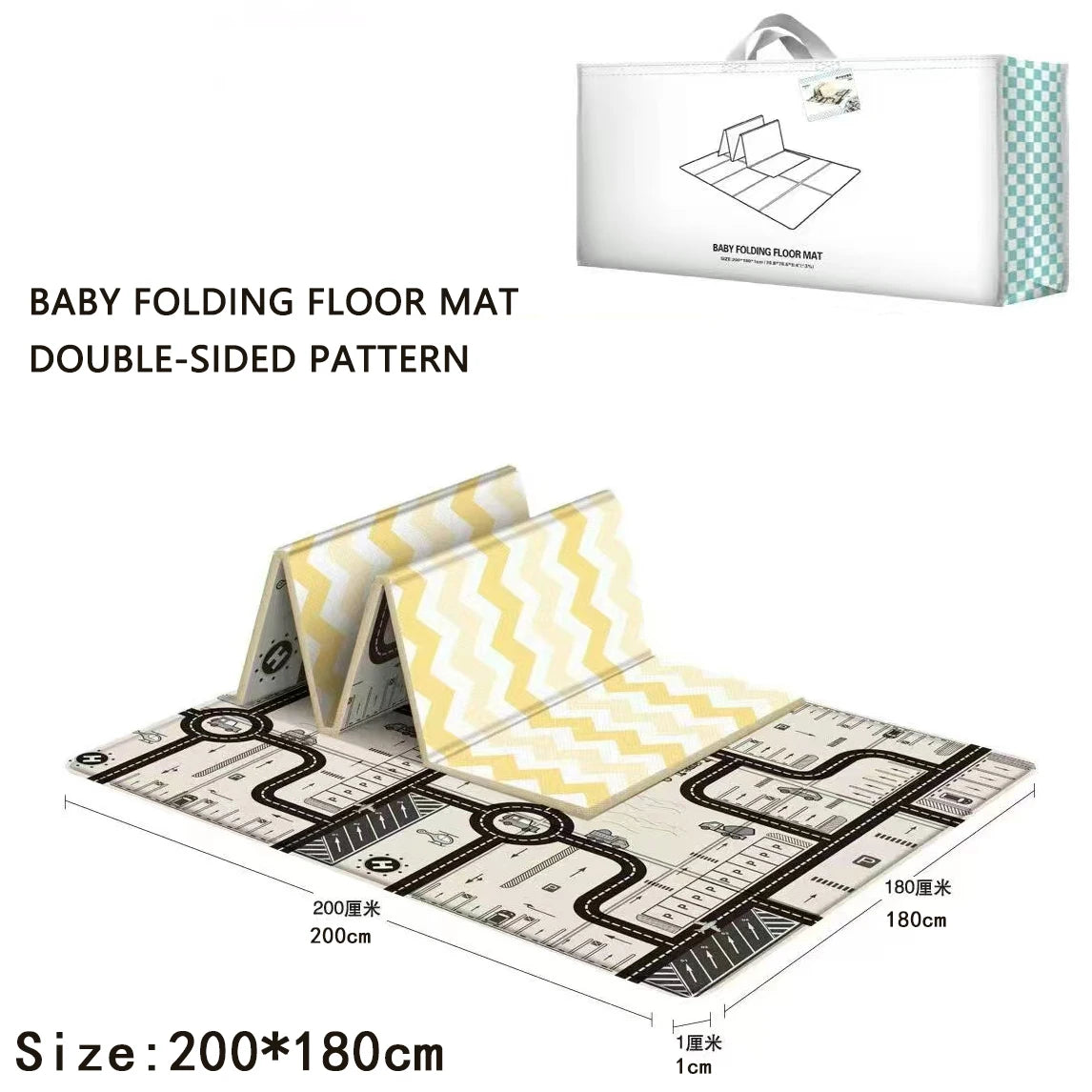
- Create a comfortable space: Use a stable play surface such as a baby safe play mat to support sitting, reaching, and movement.
A simple setup can include a soft mat, a few sensory toys, household objects that are safe for babies, and a caregiver ready to talk and interact.
sensory play for babies / baby sensory play at home / Create a comfortable exploration area.
Best sensory play ideas for a 7 month old
The best sensory play ideas for babies are simple, safe, and focused on interaction. You do not need expensive toys — everyday objects can provide valuable learning experiences when used correctly.
Tactile sensory activities
- Texture exploration basket: Place safe items with different textures, such as soft fabric, silicone toys, and smooth baby-safe objects, for supervised touching. This supports sensory processing and grasping.
- Fabric touch game: Let your baby feel different washable fabrics while describing them with words like soft, rough, or smooth. This supports language development.
- Water play with cups: During supervised bath or water play, allow babies to splash and feel water movement. Adjust the amount of water to keep it safe.
Visual sensory activities
- High-contrast picture cards: Show colorful images or patterns to encourage visual tracking.
- Mirror play: A baby-safe mirror encourages self-recognition and facial observation.
- Moving toys: Slowly move colorful toys from side to side to encourage eye movement and reaching.
Auditory sensory activities
- Sound discovery: Use gentle rattles or safe musical toys to help babies connect sounds with movement.
- Singing and talking: Narrate play activities to build listening skills and early communication.
- Household sound exploration: Safely introduce sounds like crinkling paper or tapping containers while monitoring volume.
Movement and exploration activities
- Reach-and-grab games: Place toys slightly out of reach to encourage movement and coordination.
- Rolling exploration: Encourage babies to reach toward toys while practicing body movement.
- Supported tummy time play: Use toys, mirrors, and comfortable surfaces to make tummy time more engaging.
For families looking for a comfortable foundation for these activities, a Foldable Baby Play Mat — Waterproof & Soft provides a supportive area for floor exploration, sensory activities, and movement practice.
Indoor and outdoor sensory play activities for babies
Easy sensory play ideas for different environments
| Environment | Activity ideas |
|---|---|
| Indoor | Texture baskets, music play, mirrors, sensory toys, and floor exploration. |
| Outdoor | Feeling grass with supervision, watching leaves move, listening to birds, and exploring natural sounds. |
Indoor sensory activities baby routines can include daily play sessions on a clean surface. Outdoor sensory play for babies should always consider weather, shade, temperature, and safe surroundings.
For busy parents, simple setups work best: five minutes of exploring a safe object with conversation can provide valuable developmental benefits.
How often should a 7 month old do sensory play?
There is no required number of sensory play sessions, but many babies benefit from short, regular opportunities throughout the day. Sensory activities for 7 month old babies work best when they fit naturally into daily routines.
Creating a simple sensory play routine
- Start with 5–15 minute sessions: Increase time when your baby remains interested and comfortable.
- Follow your baby's cues: Stop when your baby becomes tired, frustrated, or overwhelmed.
- Mix activities: Combine movement, textures, sounds, and interaction throughout the week.
- Avoid overstimulation: Too many toys, sounds, or bright visuals at once can make babies uncomfortable.
Sensory play can happen during tummy time, bath time, feeding preparation, outdoor walks, or quiet play before naps.
Common sensory play mistakes parents should avoid
- Using unsafe materials: Avoid items with small parts, sharp edges, toxic finishes, or materials not designed for babies.
- Overloading the environment: Too many toys and sounds can distract rather than encourage exploration.
- Choosing activities that are too advanced: Babies learn best when activities match their current abilities.
- Focusing only on toys: Interaction with caregivers is one of the most valuable parts of sensory learning.
- Forcing participation: Responsive play means following your baby's interests instead of pushing a specific activity.
Mini FAQ
-
What sensory activities can I do with my 7 month old?
You can try texture exploration, mirror play, sound games, water play, safe household object exploration, and movement activities that encourage reaching and grasping.
-
Why is sensory play important for a 7 month old baby?
Sensory play supports brain development, motor skills, communication, curiosity, and confidence by helping babies learn through hands-on exploration.
-
How long should sensory play last for infants?
Short sessions of about 5–15 minutes are often effective. Follow your baby's mood and stop when they show signs of tiredness or overstimulation.
-
Is sensory play safe when babies put objects in their mouths?
Yes, mouthing is normal at this age, but activities should use baby-safe materials, avoid choking hazards, and always include supervision.
-
What household items can be used for baby sensory play?
Safe household options include soft fabrics, large containers, baby-safe mirrors, textured objects, and items that create gentle sounds when supervised.
-
Can sensory play help infant development?
Yes. Sensory activities support important skills including coordination, problem-solving, communication, movement, and understanding the environment.
Where to look next: For more ideas, explore Baby Growth & Learning , Sensory Toys , or essentials under Baby Care Essentials . Create a comfortable exploration space with the Foldable Baby Play Mat — Waterproof & Soft .
Pillar Article: How to Create Safe Play Area at Home: Step-by-Step Parent Guide
Other Related Articles:
- Floor Mats Cleaning Guide for Fast Daily Baby-Safe Refresh
- Motor Skills and Fine Motor Skills: How to Support Baby Play Sessions
- Portable Baby Mat for Travel Review: Lightweight Picks Compared
Explore More:





