

Head Tilting in Infants: Causes, Warning Signs, Diagnosis, and Safe Care
Head tilting in infants can be a temporary preference, but a persistent tilt may point to an underlying issue such as torticollis, vision problems, an ear infection, or, less commonly, a neurological condition. The good news is that many causes are treatable, especially when identified early. This guide explains common baby head tilt causes, when to worry about baby head tilt, how doctors evaluate it, treatment options, safe positioning at home, and what parents should know about newborn neck support.
Important: A baby who consistently holds the head to one side should be evaluated by a pediatrician, particularly if the position is new, worsening, or accompanied by pain, fever, unusual eye movements, weakness, vomiting, or developmental concerns.
⏱ 8 min read
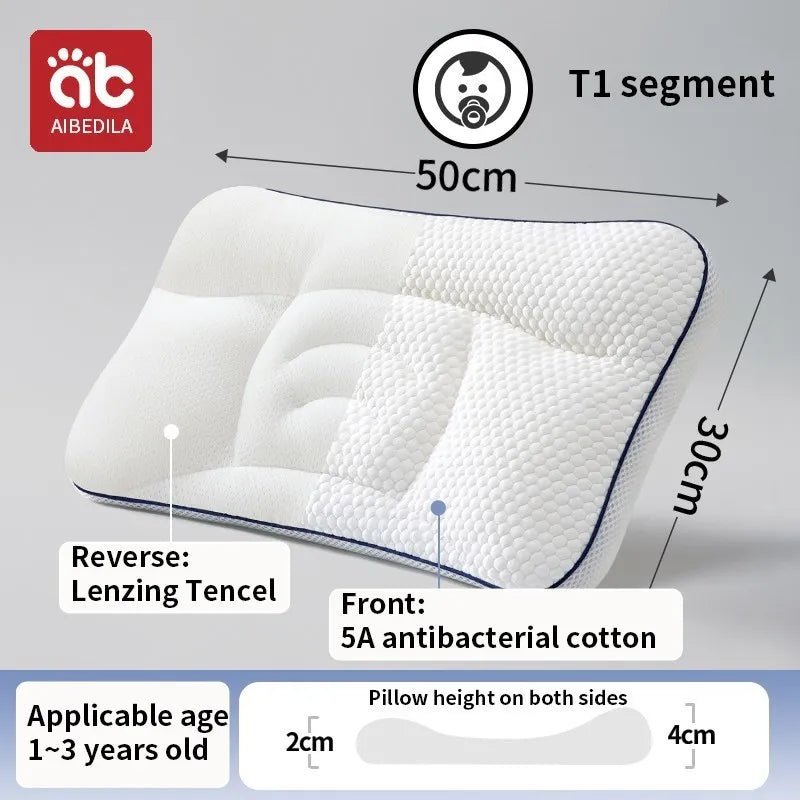
Head tilting in infants can have several causes, so persistent changes in head position deserve careful attention.
Is head tilting in infants normal?
Sometimes, yes. A newborn may naturally turn or lean the head toward a preferred side, especially during early development when neck muscles are still gaining strength and coordination. Occasional head turning that changes from side to side is generally less concerning than a persistent head tilt that is present during feeding, play, carrying, and rest.
Parents should look at the pattern rather than one isolated position. If a baby can comfortably turn the head in both directions and regularly changes position, a temporary preference may be part of normal development. However, if the infant consistently tilts the head toward one shoulder, has difficulty rotating the neck in the opposite direction, or appears uncomfortable when the head is moved, medical assessment is appropriate.
Normal head preference vs persistent head tilt
A normal head preference is usually flexible. The baby may favor one direction but can still look toward sounds, faces, and toys on either side. A persistent head tilt is more consistent and may involve the head leaning toward one shoulder while the chin points in the opposite direction.
- More reassuring: The baby freely turns the head both ways, changes positions naturally, and shows no signs of pain or restricted movement.
- Worth discussing with a pediatrician: The head repeatedly stays tilted to one side, neck movement seems limited, or the baby strongly favors one side during feeding and play.
- Needs prompt evaluation: The tilt appears suddenly, follows an injury, or occurs with fever, severe pain, unusual eye movements, vomiting, weakness, marked sleepiness, or other concerning symptoms.
When head tilting is part of normal development
Young babies are still developing head and neck control. During the first months of life, an infant may briefly adopt different positions while gaining strength, learning to track objects, or responding to a caregiver's voice. As head control improves, babies generally become better able to move their heads through a wider range of motion.
The key is progression. A head position that becomes increasingly fixed or is associated with reduced neck movement should not simply be assumed to be a developmental phase. Early evaluation can help identify treatable causes and reduce the risk of secondary problems such as an uneven head shape.
Common causes of head tilting in infants
There is no single explanation for every case of infant head leaning to one side. The most common causes are musculoskeletal or positional, while other causes involve vision, the ears, or the nervous system. A pediatric examination is the best way to determine which explanation fits an individual baby.
Congenital muscular torticollis
Torticollis in infants is one of the better-known causes of persistent head tilting. Congenital muscular torticollis is commonly associated with tightness or shortening of the sternocleidomastoid muscle on one side of the neck. Affected babies may tilt the head toward one side and have difficulty turning the face fully in the opposite direction.
Some infants with muscular torticollis may also develop a preference for looking in one direction or have a firm area within the affected neck muscle. Early recognition matters because appropriate stretching, positioning, and pediatric physical therapy can often improve mobility and function.
Vision-related causes
Babies sometimes change their head position to compensate for a visual problem. An infant may tilt or turn the head to find a clearer or more comfortable angle for seeing. Persistent head tilting accompanied by unusual eye movements, difficulty tracking objects, or an apparent difference in how the eyes move together warrants medical evaluation and may require an eye examination.
Ear infections
Ear discomfort can sometimes affect how a baby holds the head. An ear infection may be more likely when head positioning changes alongside fever, irritability, poor feeding, sleep disruption, or signs of ear pain. Because infants cannot describe their symptoms, a pediatrician can examine the ears and determine whether an infection or another source of discomfort is present.
Neurological conditions
Neurological causes are less common but important to consider when a head tilt is sudden, persistent, or accompanied by other neurological signs. Abnormal muscle tone, unusual movements, weakness, changes in alertness, developmental regression, or abnormal eye movements should be evaluated promptly.
Temporary positioning preference
Some babies simply develop a preferred direction for looking, particularly when they spend a lot of time facing the same side during feeding, carrying, or awake play. A temporary positioning preference can sometimes improve when caregivers encourage balanced interaction and vary how they hold and engage with the baby.
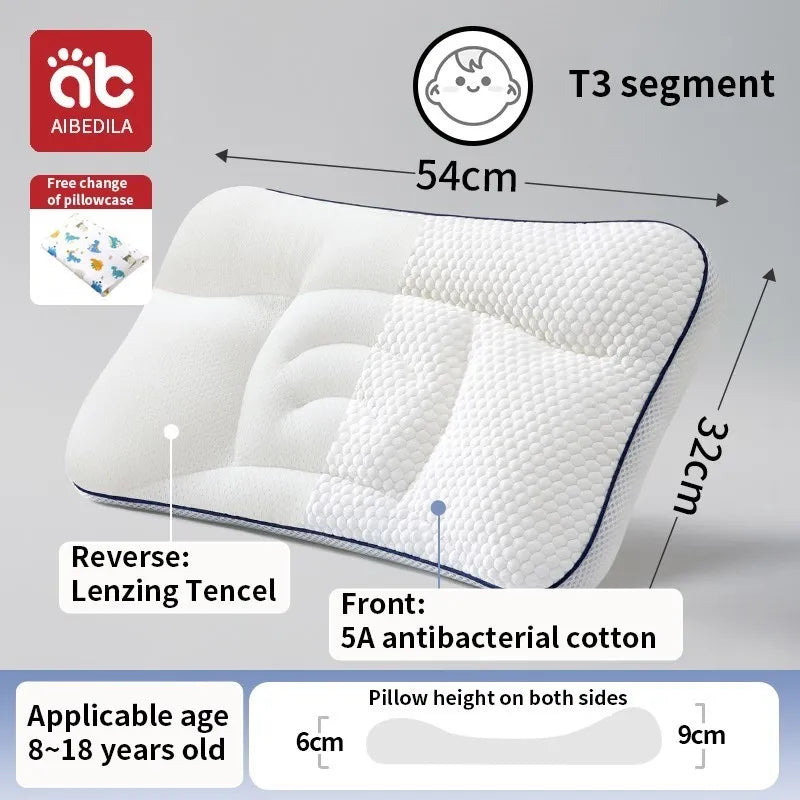
A persistent infant head position should be assessed rather than corrected with an unapproved sleep support.
When to worry about baby head tilt
Knowing when to worry about baby head tilt can help parents respond appropriately without becoming alarmed by every temporary head movement. A persistent tilt is not automatically an emergency, but it deserves attention when it is new, worsening, or associated with other symptoms.
Red-flag symptoms
Seek prompt medical advice if your baby has a persistent head tilt along with any of the following:
- Sudden onset of a new head tilt without an obvious explanation.
- Significant pain, crying when the neck is moved, or marked resistance to movement.
- Fever or signs of infection.
- Unusual eye movements, crossed eyes, or difficulty tracking objects.
- Repeated vomiting, unusual sleepiness, or a significant change in alertness.
- Weakness, loss of previously acquired skills, abnormal movements, or other neurological changes.
- A head tilt following a fall, collision, or other injury.
- Difficulty feeding, swallowing, breathing, or maintaining normal alertness.
When to call your pediatrician
Contact your pediatrician if your baby consistently tilts the head to one side, seems unable to turn the neck equally in both directions, or develops a noticeable preference that does not improve. It is also reasonable to arrange an evaluation if you notice an infant head leaning to one side repeatedly during feeding, tummy time, play, or carrying.
Early assessment can help distinguish a simple positional preference from torticollis, vision-related positioning, ear discomfort, or another condition. Your pediatrician may recommend monitoring, physical therapy, an eye evaluation, or another specialist depending on the findings.
When emergency care is needed
Seek emergency medical care for a baby with a sudden head tilt accompanied by severe illness, significant injury, difficulty breathing, seizures, marked weakness, severe or rapidly worsening symptoms, or a major change in consciousness or responsiveness. When in doubt about a potentially serious acute symptom, seek urgent medical guidance rather than trying to correct the head position at home.
How doctors diagnose persistent head tilting
Doctors diagnose persistent head tilting by considering the baby's age, medical history, development, symptoms, and physical examination. Parents can help by describing when the tilt began, whether it is always present, which direction the baby favors, and whether the position changes during feeding, sleep, tummy time, or play.
Physical examination
During an examination, the clinician may observe the baby's resting head position and assess how easily the infant turns the head in each direction. The neck muscles may be checked for tightness or asymmetry, and the clinician may look for signs associated with torticollis or other musculoskeletal conditions.
Developmental assessment
Because persistent head positioning can occur alongside other developmental concerns, the clinician may assess age-appropriate motor skills, head control, muscle tone, and movement symmetry. The baby's ability to track objects and respond to visual and auditory stimuli may also provide useful clues.
When imaging or specialist referral is needed
Imaging is not necessarily required for every infant with a head tilt. Depending on the examination and suspected cause, a pediatrician may recommend additional testing or referral to a pediatric physical therapist, ophthalmologist, ear specialist, neurologist, or another clinician. Imaging or specialist assessment is more likely when the cause is unclear, symptoms are atypical, the tilt develops suddenly, or there are additional concerning findings.
Treatment options for infant head tilt
Treatment depends on the underlying cause. For babies with muscular torticollis, early intervention often focuses on improving neck mobility and encouraging balanced movement. The goal is not simply to force the head into a straight position but to address the reason the baby prefers one side.
Pediatric physical therapy
Pediatric physical therapy may be recommended for torticollis in infants . A qualified therapist can assess range of motion, muscle tightness, symmetry, and motor development, then teach caregivers appropriate exercises and positioning strategies. Therapy should be individualized rather than based on forceful stretching or generic exercises found online.
Gentle positioning techniques
When recommended by a healthcare professional, caregivers may encourage the baby to look toward the less-preferred side by placing interesting faces, sounds, or toys in that direction during supervised awake time. Feeding and carrying positions may also be varied to promote balanced movement.
For infants who need gentle support for newborn neck positioning, the priority should be addressing the underlying cause and following professional guidance. A support product should never be used to force the head or neck into a fixed position, and sleep products should not be added to an infant's sleep space unless specifically designed and approved for that purpose.
Monitoring progress
Progress is usually assessed by looking at neck range of motion, head control, movement symmetry, and overall development. Parents can keep brief notes about changes in head position and mobility, but improvement should be judged over time rather than from one day to the next.
If the head tilt is not improving, becomes more pronounced, or is accompanied by new symptoms, follow up with the child's healthcare professional rather than increasing stretching or adding additional supports independently.
Safe positioning and daily care at home
Daily routines can support balanced movement while keeping infant safety at the center. These strategies are generally focused on awake, supervised periods unless a healthcare professional provides different instructions.
Tummy time
Supervised tummy time while the baby is awake helps develop neck, shoulder, and trunk strength. Start with short, comfortable sessions and gradually build duration as the baby becomes stronger. If your baby strongly favors one side, ask a pediatrician or pediatric physical therapist how to encourage balanced movement safely.
Feeding position changes
When practical and comfortable for the baby, caregivers can vary feeding positions so the infant is not always looking in the same direction. Parents should never force the neck into a position that causes pain or resistance. For feeding difficulties or persistent asymmetry, professional guidance is appropriate.
Carrying and play
During awake time, vary how you carry and interact with your baby. Place toys and engage with your infant from different directions to encourage looking both ways. Floor-based play and supervised movement can provide opportunities for the baby to practice turning the head naturally.
Sleep positioning
For sleep, place babies on their backs on a firm, flat, separate sleep surface with no loose pillows, positioners, or soft objects. Do not place a baby on the side or stomach to correct a head tilt. A newborn sleeping neck position should not be manually fixed with rolled towels, cushions, or improvised supports.
If you are concerned about your baby's infant head position while sleeping, discuss the issue with your pediatrician. Safe sleep recommendations should take priority over attempts to keep the head centered with an accessory.
Can head tilting cause an uneven head shape?
Yes, a persistent preference to look in one direction can contribute to an infant uneven head shape , particularly when a baby spends substantial time resting the same part of the skull against a firm sleep surface. This is commonly associated with positional plagiocephaly, sometimes called flat head syndrome.
Relationship with positional plagiocephaly
Babies' skulls are soft and rapidly developing, so repeated pressure on one area can influence head shape. A baby with torticollis may be more likely to develop a positional preference because limited neck movement makes it harder to change head position naturally during awake time.
This does not mean that every head tilt causes plagiocephaly or that every uneven head shape indicates torticollis. A pediatrician can assess head shape, neck mobility, and overall development to determine whether further evaluation is needed.
When head shape improves
Many mild positional head-shape changes improve as babies grow, gain stronger neck control, spend more time upright, and become more mobile. Addressing an underlying head-position preference early may help reduce continued pressure on one area. Persistent or pronounced asymmetry should be discussed with a healthcare professional.
What not to use for head support
Parents naturally want to make an uncomfortable baby more comfortable, but products intended to keep a baby's head in one position can create safety concerns during sleep. The safest approach is to address the cause of the head tilt rather than attempting to immobilize the head.
Why pillows are not recommended
Standard pillows, infant neck pillows, sleep positioners, wedges, rolled towels, and other soft items should not be placed in a baby's sleep space unless a healthcare professional has given specific instructions for a medically necessary device. Soft or loose items can increase the risk of airway obstruction and are not part of a routine safe sleep environment.
Even products marketed as a newborn neck support should not automatically be assumed to be appropriate for unsupervised sleep. A product's marketing claims do not replace safe sleep guidance or individualized medical advice.
Safe alternatives
For babies with a persistent head tilt, safer alternatives focus on supervised awake activities and professional evaluation. These may include pediatric physical therapy, age-appropriate tummy time, balanced play, varied carrying positions, and feeding-position adjustments when recommended.
For parents specifically researching a support product, Get product details and sizing , but consult your pediatrician before using any neck or head support with an infant, particularly during sleep.
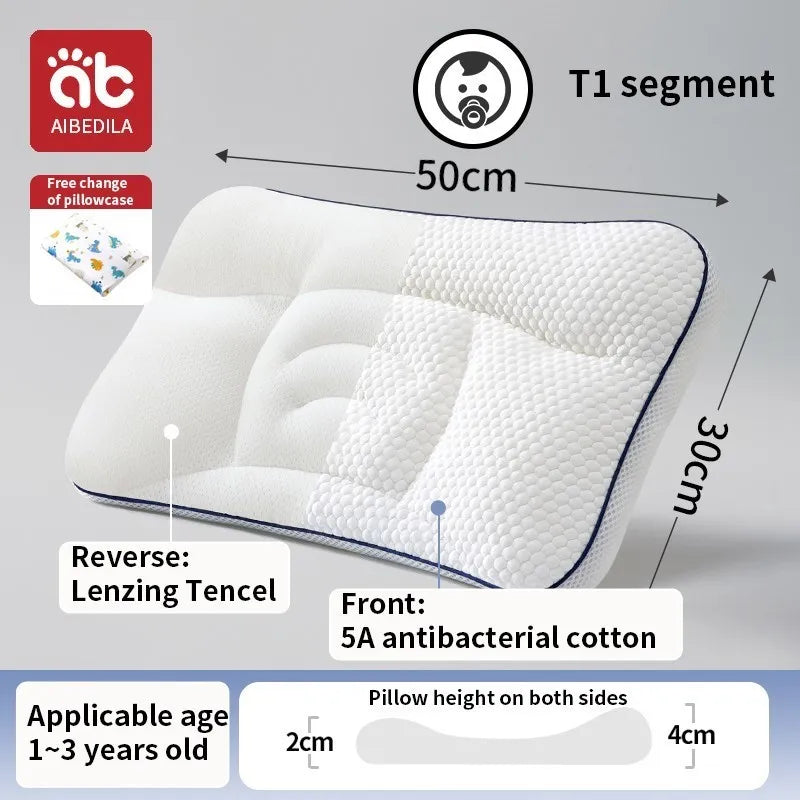
A persistent head tilt is best managed with appropriate assessment, safe awake positioning, and professional guidance.
Frequently asked questions
Can a newborn naturally tilt their head to one side?
Yes. Newborns may temporarily favor one side as they develop head and neck control. The concern is greater when the position is persistent, the baby cannot comfortably turn the head in the opposite direction, or other symptoms are present.
What causes a baby to keep their head tilted?
Common baby head tilt causes include muscular torticollis, a temporary positioning preference, and less commonly vision problems, ear-related discomfort, or neurological conditions. A pediatric examination can help identify the cause.
Is torticollis common in infants?
Congenital muscular torticollis is a recognized condition in infants and is often treatable. It typically involves a preference for one head position and restricted movement in the opposite direction. Early assessment can help guide appropriate physical therapy and positioning strategies.
Will infant head tilt go away on its own?
Some temporary head preferences resolve as babies develop stronger neck control and become more mobile. A persistent or worsening tilt should not be assumed to disappear on its own. A pediatrician can determine whether monitoring or treatment is appropriate.
Can head tilt cause a flat spot on my baby's head?
A persistent head-position preference can contribute to positional plagiocephaly because the baby repeatedly rests the same area of the head against a firm surface. Addressing the underlying preference and encouraging balanced movement during supervised awake time may help reduce continued pressure.
How is torticollis treated?
Treatment often includes pediatric physical therapy and carefully guided exercises or positioning techniques. The exact plan depends on the baby's range of motion, muscle tightness, age, and development. Caregivers should follow instructions from their child's healthcare professional rather than performing forceful stretches independently.
Is it safe to use a neck support pillow for a newborn?
Routine pillows and soft supports are not recommended in an infant's sleep environment. If a healthcare professional recommends a specific product for a particular medical reason, follow their instructions and the manufacturer's safety guidance exactly. Do not use a support to force a newborn's head into a fixed position during sleep.
What sleeping position is safest for babies with head tilt?
For routine sleep, babies should be placed on their backs on a firm, flat, separate sleep surface. A head tilt does not generally mean a baby should be placed on the side or stomach. If your baby has a medical condition that requires special positioning, ask your pediatrician for individualized instructions.
When should I see a pediatrician about my baby's head tilt?
Contact your pediatrician if the tilt is persistent, worsening, associated with restricted neck movement, or accompanied by feeding difficulties, unusual eye movements, fever, pain, or developmental concerns. A sudden tilt after an injury or a tilt with severe symptoms requires urgent medical evaluation.
Can vision or ear problems cause head tilting in infants?
Yes. Some babies may adjust their head position to compensate for a vision problem, while ear discomfort or infection can also affect how an infant holds the head. Persistent tilting accompanied by eye abnormalities, fever, irritability, or signs of ear pain should be assessed by a healthcare professional.
Considering a supportive cushion?
Some caregivers explore ergonomic products when looking for gentle support for newborn neck positioning. The approved baby-neck-pillow-orthopedic-support is available for parents who want to review its product details and sizing. However, a product should not be used to diagnose, treat, or correct a persistent head tilt without professional guidance, and it should never replace appropriate evaluation for torticollis or another medical condition.
Related gear and helpful collections: Sleep & Comfort , Baby Care Essentials , and Health & Safety .
Product mentioned: baby-neck-pillow-orthopedic-support . For more helpful items, shop the Sleep & Comfort collection and related Massage & Relaxation picks to support calmer bedtime routines.
Pillar Article: Infant head tilting: Best pillows and supports compared for safer sleep
Other Related Articles:
- Infant neck exercises review: Tools and supports that improve alignment
- Infant neck problems product comparison: Top picks parents trust
- Stiff neck infants: Best-rated ergonomic pillows compared for relief
- Infant neck stiffness review guide: Which products actually help?
Explore More:





