

Can a stiff neck in an infant improve with home care?
Yes—many cases of mild infant neck stiffness improve with early recognition, gentle positioning, supervised tummy time, and guidance from a pediatric healthcare provider. However, a persistent head tilt, limited neck movement, or feeding difficulties may indicate congenital muscular torticollis or another condition that requires medical evaluation. Infant pillows are not recommended as a treatment for neck stiffness or for routine sleep.
⏱ 7 min read
Stiff neck infants: Causes, symptoms, and safe ways to support recovery
A stiff neck in infants is often first noticed when a baby consistently tilts or turns their head to one side, resists looking in the opposite direction, or seems uncomfortable during feeding. While some temporary head preferences are common, persistent neck stiffness may be related to congenital muscular torticollis or positional preference. This guide explains common causes, early warning signs, and evidence-based home care while emphasizing safe sleep practices and when to seek pediatric advice.
Understanding normal development and safe positioning can help parents identify when simple home strategies are appropriate and when a medical evaluation is needed.
Stiff neck in infants may present as a persistent head preference or reduced neck movement.
Why neck stiffness happens in infants (and what to watch for)
Infant neck stiffness describes reduced flexibility or a preference for keeping the head turned or tilted in one direction. In many babies, this is caused by positional preference or mild tightness of the neck muscles. In others, it may be related to congenital muscular torticollis, a condition that benefits from early assessment and treatment. Prompt recognition helps reduce the risk of feeding difficulties, delayed motor milestones, and positional flattening of the head.
Quick signs parents notice
- Head tilted or turned to the same side most of the time.
- Difficulty turning the head equally in both directions.
- Discomfort or fussiness during feeding on one side.
- Reduced neck range of motion during play or tummy time.
- A developing flat spot on one side of the back of the head.
Early evaluation is important because gentle stretching, positioning techniques, and supervised tummy time are often most effective when started during the first few months of life.
How to relieve neck tension tonight: simple steps that help
If your baby has mild neck stiffness but is otherwise feeding well, alert, and comfortable, simple positioning strategies can support normal neck movement while you arrange follow-up with your pediatrician. Home care should never replace medical evaluation if symptoms are persistent or worsening.
Immediate steps parents can try
- Alternate feeding positions so your baby naturally turns their head in both directions throughout the day.
- Provide several short sessions of supervised tummy time while your baby is awake to strengthen the neck, shoulder, and upper back muscles.
- Place interesting toys, faces, or sounds on the side your baby avoids to encourage gentle, active head turning.
- Carry your baby in different positions so the neck muscles work evenly instead of always facing the same direction.
- Avoid forcing the neck to rotate or performing stretches unless they have been demonstrated by your pediatrician or pediatric physical therapist.
- For sleep, always place your baby on a firm, flat mattress without pillows, positioning devices, or loose bedding.
Normal head preference vs. conditions that need evaluation
Not every infant who prefers turning their head to one side has torticollis. The table below can help parents understand common differences, but it is not a substitute for a professional examination.
| Finding | Often a normal preference | Possible torticollis | Needs urgent medical assessment |
|---|---|---|---|
| Head position | Changes throughout the day | Persistent tilt or rotation toward one side | Sudden abnormal positioning after illness or injury |
| Neck movement | Moves freely both directions | Limited range of motion | Severe pain or inability to move the neck |
| Feeding | No difficulty | May prefer one feeding side | Poor feeding with lethargy or vomiting |
| Associated findings | Normal development | Possible flat spot on the head over time | Fever, weakness, seizures, or altered responsiveness |
| Recommended action | Observe and encourage varied positioning | Schedule pediatric evaluation and consider physical therapy | Seek immediate medical care |
Consistent tummy time, varied positioning, and early assessment of persistent head tilt are supported by pediatric guidance and may help prevent complications such as positional plagiocephaly.
Supervised tummy time and varied positioning encourage healthy neck strength and symmetrical movement.
Safe sleep and head positioning
Safe sleep plays an important role in protecting infants while supporting healthy development. If your baby has a head tilt or neck stiffness, focus on evidence-based positioning strategies rather than specialty pillows or sleep positioners. The safest sleep environment remains a firm, flat mattress with no loose bedding or infant pillows.
Baby head leaning to one side while sleeping
It is common for healthy infants to turn their head to one side during sleep. Parents should be more concerned if the baby consistently favors the same side while awake, cannot comfortably turn in the opposite direction, or develops a flattening of one side of the head.
- Always place your baby on their back for every sleep.
- Allow the head to turn naturally rather than trying to hold it in a centered position.
- Alternate the direction your baby faces in the crib by changing the position of interesting visual stimuli.
- Increase supervised tummy time while your baby is awake to promote balanced muscle development.
How to support newborn head during sleep safely
- Use a firm, flat sleep surface with a fitted sheet.
- Keep the crib free of pillows, wedges, sleep positioners, blankets, and stuffed toys.
- Hold your baby in varied positions throughout the day to encourage symmetrical neck movement.
- Follow any positioning or stretching program recommended by your pediatrician or pediatric physical therapist.
If you want additional educational resources, browse Sleep & Comfort for general sleep-related information and products that follow age-appropriate guidance.
Why pillows are not recommended
- Recommended: Back sleeping on a firm mattress, supervised tummy time, varied positioning, and early medical evaluation when needed.
- Not recommended: Using newborn head support pillows or positioning pillows as a treatment for torticollis, neck stiffness, or flat head syndrome during routine sleep unless specifically directed by a qualified healthcare professional.
How pediatricians diagnose infant head tilt
Persistent head tilt or limited neck movement should be evaluated by a healthcare professional. Early diagnosis often leads to simpler treatment and better long-term outcomes.
Physical examination
- Assessment of neck range of motion and muscle tightness.
- Observation of head position during rest, feeding, and movement.
- Evaluation for positional plagiocephaly (flat head syndrome).
- Screening of developmental milestones and overall neurological function.
When imaging or referral may be needed
- Imaging is not routinely required but may be considered if the examination suggests an uncommon cause of head tilt.
- Many infants with congenital muscular torticollis benefit from referral to pediatric physical therapy.
- Parents should continue prescribed home exercises and attend follow-up visits to monitor improvement.
Treatment options and home care
Most infants with mild congenital muscular torticollis or positional neck stiffness improve with early treatment. The combination of supervised exercises, positioning strategies, and pediatric follow-up is supported by clinical practice and is more effective than relying on sleep products or positioning devices.
Evidence-based care plan
- Increase supervised tummy time several times each day, gradually extending sessions as your baby becomes stronger.
- Encourage active head turning by placing toys, caregivers, and other visual stimulation on the less-preferred side.
- Alternate feeding and carrying positions to promote balanced neck muscle use.
- Perform stretching exercises only after receiving instruction from your pediatrician or pediatric physical therapist.
- Attend follow-up appointments to monitor improvements in neck motion, head shape, and motor development.
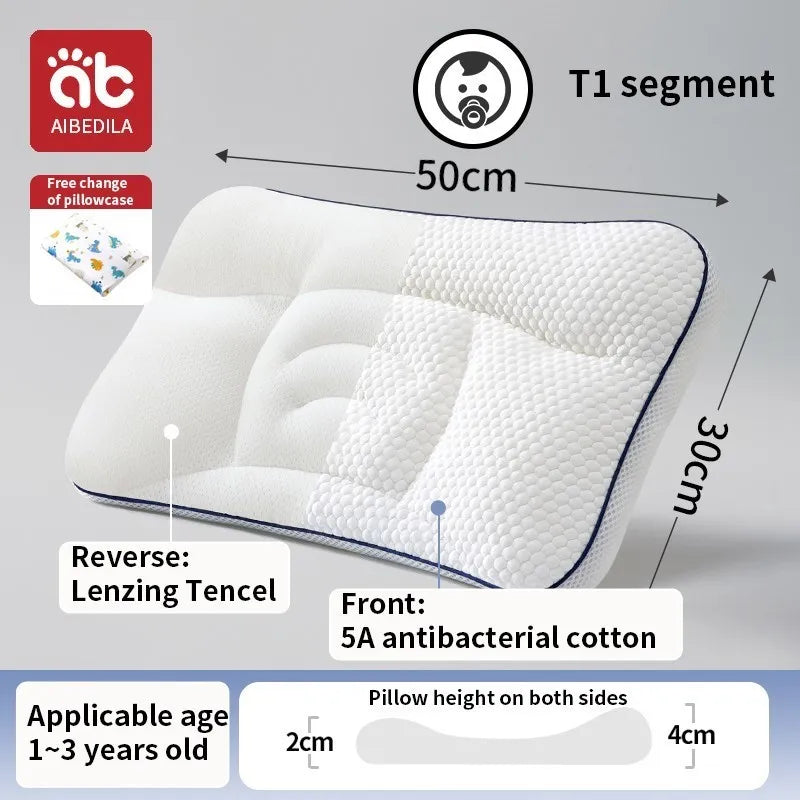
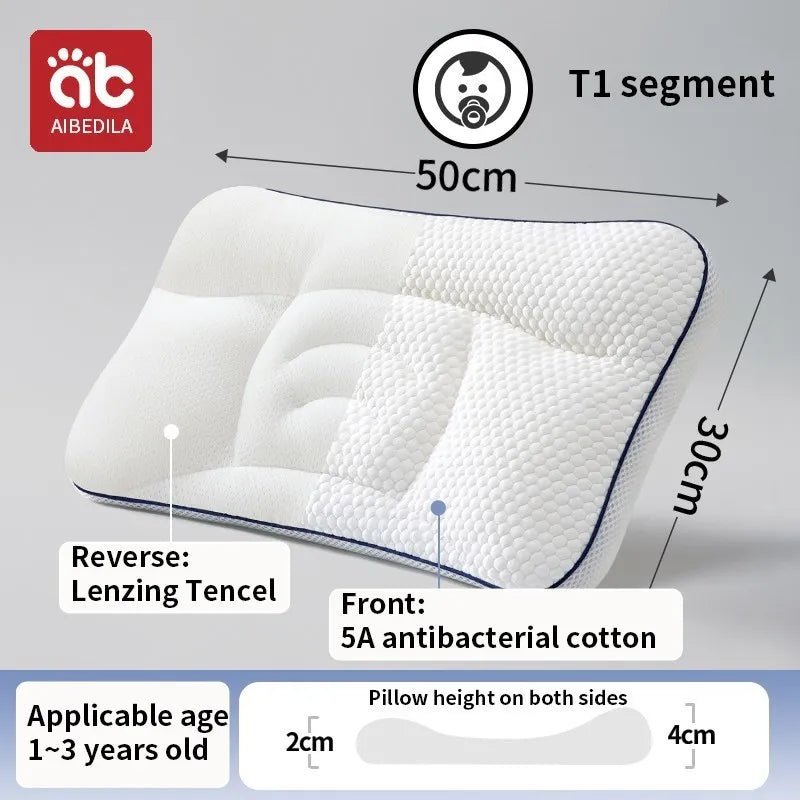
- If recommended by your healthcare provider, you can learn more about the Orthopedic Neck Pillow for Sleeping . It should never replace safe sleep practices or prescribed medical treatment.
Early positioning strategies, supervised tummy time, and guided therapy can help improve neck mobility and symmetrical development.
Always follow your pediatrician's guidance. Safe sleep practices and evidence-based therapy remain the primary approach for managing infant neck stiffness.
Recovery support at home
- Provide supervised tummy time multiple times each day to strengthen neck and shoulder muscles.
- Encourage your baby to look toward both sides during play, feeding, and daily routines.
- Follow any home exercise program exactly as demonstrated by your healthcare provider.
- Monitor for improved neck movement, easier feeding, and more symmetrical head positioning over the following weeks.
Additional parent resources are available in Massage & Relaxation . Choose only products that are specifically labeled as appropriate for infants and use them only according to professional guidance.
| Goal | Recommended approach | Expected benefit |
|---|---|---|
| Improve neck mobility | Supervised tummy time and active positioning | Strengthens neck muscles and encourages symmetrical movement |
| Reduce positional preference | Alternate feeding, carrying, and play positions | Promotes equal head turning in both directions |
| Support recovery | Pediatric evaluation and physical therapy when indicated | Improves long-term outcomes and reduces the risk of persistent torticollis or flat head syndrome |
Frequently asked questions
Is it normal for an infant's head to tilt to one side?
A temporary preference for looking to one side can be normal in young infants. However, if the head tilt persists, your baby cannot comfortably turn in both directions, or you notice a flat spot developing, schedule an evaluation with your pediatrician.
What causes an infant to keep their head tilted?
Common causes include congenital muscular torticollis, positional preference, or tight neck muscles. Less commonly, neurological, vision, or orthopedic conditions may be responsible, making medical assessment important when symptoms persist.
Can torticollis go away on its own?
Mild cases may improve as babies become more active, but early treatment with positioning strategies and, when appropriate, pediatric physical therapy generally leads to faster and more complete recovery.
How can I help my baby's head tilt at home?
Provide supervised tummy time, alternate feeding and carrying positions, encourage your baby to look toward both sides during play, and follow any home exercise program recommended by your healthcare provider.
Is it safe if my baby sleeps with their head turned to one side?
Yes. Healthy infants commonly turn their heads to one side while sleeping. The safest sleep position is always on the back on a firm, flat mattress without pillows, sleep positioners, blankets, or soft objects.
Should I use a newborn head support pillow for torticollis or flat head?
Routine use of infant pillows is not recommended for sleep because they may increase the risk of an unsafe sleep environment. Follow your pediatrician's advice for treating torticollis or positional plagiocephaly. If your healthcare provider recommends a specific product, you can learn more about the Orthopedic Neck Pillow for Sleeping .
When does an infant head tilt become an emergency?
Seek immediate medical care if a head tilt is accompanied by fever, severe neck pain, seizures, weakness, breathing difficulty, vomiting, poor feeding, unusual sleepiness, or follows a significant injury.
Can a head tilt cause a flat head?
Yes. A persistent preference for one head position may contribute to positional plagiocephaly. Early intervention and regular repositioning can help reduce this risk.
How long does recovery from infant torticollis usually take?
Recovery varies depending on severity and the age treatment begins. Many infants who start therapy within the first few months of life show significant improvement over several weeks to a few months.
Will my baby need physical therapy?
Not every infant requires physical therapy, but babies with persistent torticollis, limited neck motion, delayed improvement, or associated head flattening are commonly referred for pediatric physical therapy.
Related Articles:
- Infant neck exercises review: Tools and supports that improve alignment
- Infant neck problems product comparison: Top picks parents trust
- Stiff neck infants: Best-rated ergonomic pillows compared for relief
- Infant neck stiffness review guide: Which products actually help?
- Head tilting in infants review roundup: Top gentle support picks
Pillar Articles:





