

Infant Neck Problems: Causes, Symptoms, and Early Care for Healthy Neck Development
⏱ 8 min read
Does choosing the right support really help infant neck problems?
Yes. Appropriate positioning, supervised tummy time, and early evaluation when needed can help manage many infant neck problems. For babies with mild positional preferences or infant neck tension, gentle repositioning and age-appropriate support during supervised awake time may improve comfort and reduce pressure on developing head shape. Neck support products should always be used according to manufacturer instructions and never replace safe sleep practices or medical advice.
Infant neck problems are common during the first months of life and often improve with early attention. Whether you've noticed a head tilt, stiffness, infant head indentation, or an uncomfortable neck during feeding or supervised awake time, understanding the cause is the first step. This guide explains normal neck development, common warning signs, and evidence-based home care strategies that support healthy movement while following safe sleep recommendations.
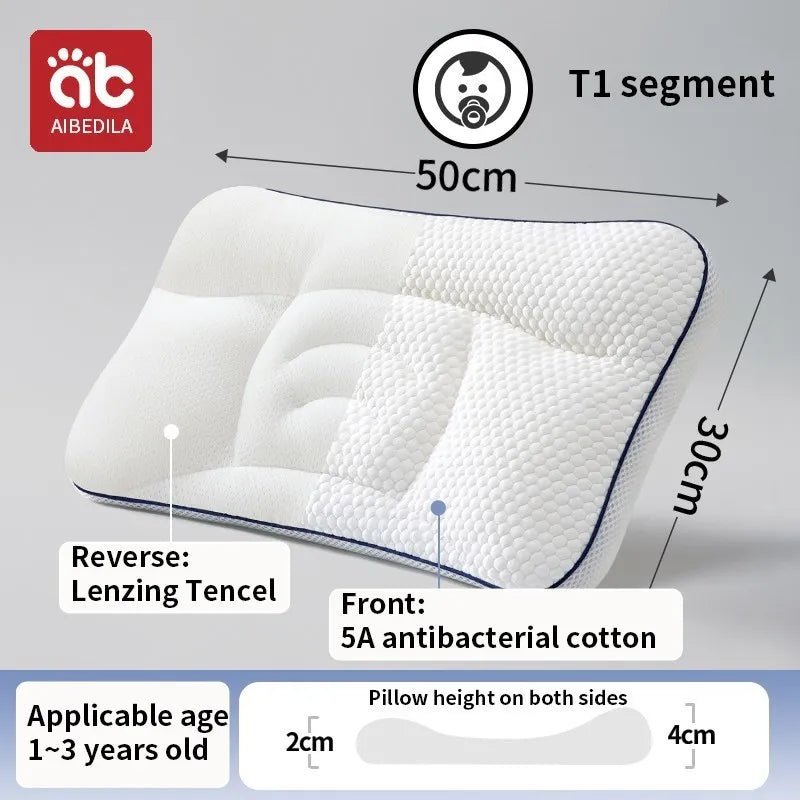
infant neck problems, infant head indentation — See it in action
What are infant neck problems?
Infant neck problems describe conditions that affect how comfortably and freely a baby moves their head and neck. Many newborns naturally prefer looking to one side during the first few weeks, but persistent stiffness, limited range of motion, or developing head flattening may indicate a condition that benefits from early assessment.
Most cases are related to positioning habits or congenital muscular torticollis, a condition where one neck muscle becomes tighter than the other. Early identification often allows simple, conservative treatments to be effective while supporting normal motor development.
Normal neck development by age
- Birth to 2 months: Limited head control is expected, although babies should gradually begin turning toward voices and light.
- 2–4 months: Head control improves during supervised tummy time and upright holding.
- 4–6 months: Most infants can hold their heads steady while sitting with support and rotate comfortably in both directions.
Common types of infant neck problems
- Congenital muscular torticollis causing persistent head tilt.
- Positional preference toward one side.
- Infant neck tension limiting comfortable movement.
- Positional plagiocephaly (flat head syndrome) related to prolonged pressure on one area of the skull.
How can you tell if your baby has a neck problem?
Many babies occasionally favor one side, especially during the newborn period. However, persistent symptoms lasting several weeks or interfering with feeding, movement, or development deserve attention.
Common symptoms
- Consistent head tilt toward one shoulder.
- Preference for looking in one direction only.
- Difficulty turning the head equally to both sides.
- Infant head indentation or flattening developing on one side.
- Fussiness during feeding when turning toward one breast or bottle position.
- Noticeable infant neck tension during movement.
Red-flag symptoms requiring urgent care
- Sudden inability to move the neck after previously moving normally.
- High fever combined with neck stiffness.
- Weakness, unusual sleepiness, or poor feeding.
- Persistent vomiting or signs of neurological changes.
- Breathing difficulty or severe pain with neck movement.
What causes infant neck problems?
Before birth risk factors
Some babies develop congenital muscular torticollis because of positioning in the womb or limited space before birth. Larger babies, multiple pregnancies, and breech positioning may increase the likelihood, although many affected infants have no identifiable risk factors.
After birth positioning and other causes
After birth, spending long periods with the head resting in the same position can contribute to muscle imbalance and head flattening. Limited supervised tummy time, a strong preference for looking toward one side, or less commonly certain neurological or orthopedic conditions may also contribute. Most infants improve with early repositioning, supervised tummy time, and guidance from their pediatrician when needed.
How doctors diagnose infant neck problems
Physical examination
A pediatrician evaluates neck range of motion, muscle tightness, head shape, developmental milestones, and feeding patterns. The examination helps distinguish normal positional preference from conditions requiring treatment.
When imaging or specialist referral is needed
Most infants do not require imaging. Referral to a pediatric physical therapist or specialist may be recommended if neck movement remains limited, head asymmetry worsens, developmental concerns appear, or symptoms do not improve with conservative care.
Treatment and home care for infant neck problems
Most infant neck problems improve with conservative care when identified early. The treatment plan depends on your baby's age, the cause of the stiffness, and whether head shape changes or limited neck motion are present. Consistency is usually more important than intensity, and your pediatrician or pediatric physical therapist can tailor exercises to your baby's needs.
Positioning techniques
- Alternate the direction your baby faces in the crib while always following safe sleep recommendations.
- Switch feeding arms regularly to encourage turning toward both sides.
- Place interesting toys or family members on the less-preferred side during supervised awake time.
- Reduce prolonged time in swings, car seats, or infant loungers when not traveling.
Gentle stretching and tummy time
Supervised tummy time helps strengthen neck, shoulder, and upper back muscles while encouraging balanced movement. If your pediatrician or pediatric physical therapist recommends stretching exercises, perform them gently and only as instructed. Regular, brief sessions throughout the day are often more effective than occasional longer sessions.
- Begin tummy time with short sessions several times each day.
- Increase duration gradually as your baby becomes stronger.
- Stop if your baby becomes overly distressed and try again later.
- Never force the neck beyond its natural range of motion.
Physical therapy
Physical therapy is commonly recommended for infants with congenital muscular torticollis or persistent neck tightness. Therapy focuses on improving range of motion, strengthening weaker muscles, encouraging symmetrical movement, and monitoring head shape. Babies who begin therapy early often make steady progress over the following weeks or months.
Recovery timeline
Every infant develops at a different pace, but many mild positioning-related neck problems improve with consistent home care. More significant muscle tightness may require several months of stretching, repositioning, and physical therapy. Regular follow-up appointments help ensure your baby's neck mobility and motor development continue to improve.

infant neck tension, uncomfortable neck when sleeping — See it in action
Sleep safety and neck support: what parents should know
Is a pillow safe for newborn neck support?
For healthy newborns, pillows are generally not recommended during sleep. Soft pillows, cushions, and positioning devices can increase sleep-related risks. If a support product is recommended for a specific medical reason, use it only under the guidance of your healthcare provider and according to the manufacturer's instructions.
Safe sleep recommendations
- Always place babies on their backs for every sleep.
- Use a firm, flat sleep surface with a fitted sheet.
- Keep pillows, blankets, wedges, and stuffed toys out of the sleep area.
- Encourage supervised tummy time only when your baby is awake.
When neck support products are appropriate
Some supportive products may be useful during supervised awake activities, travel, or therapeutic positioning when recommended by a healthcare professional. They should complement—not replace—repositioning, tummy time, and prescribed therapy.
Flat head syndrome and infant neck problems
Infant neck problems and positional plagiocephaly (flat head syndrome) are often connected. When a baby consistently turns the head toward one side, pressure may build on the same area of the skull, leading to gradual flattening. Early recognition and consistent repositioning usually help improve both neck mobility and head shape.
How torticollis affects head shape
Congenital muscular torticollis can limit comfortable neck movement, causing babies to rest on one side more often. Over time, this repeated positioning may contribute to infant head indentation. Addressing the neck tightness through supervised tummy time, repositioning, and physical therapy when recommended often supports more symmetrical development.
When to seek evaluation
- Head flattening continues to worsen despite regular repositioning.
- Your baby consistently favors one side after several weeks.
- Neck movement remains limited or appears painful.
- You notice facial asymmetry or delayed motor milestones.
- Your pediatrician recommends further assessment or physical therapy.
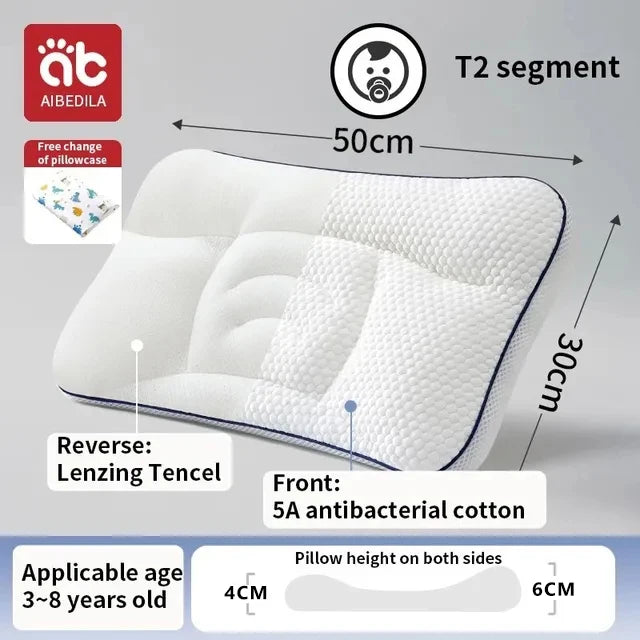
infant head indentation, healthy positioning and neck mobility — See it in action
When to contact your pediatrician
While many infant neck problems improve with conservative treatment, medical evaluation is important if symptoms persist, worsen, or interfere with normal development.
Same-day concerns
- Persistent head tilt that does not improve.
- Difficulty feeding because of limited neck movement.
- Reduced ability to turn the head equally in both directions.
- Noticeable developmental delays or loss of previously acquired skills.
- Rapidly worsening head asymmetry.
Emergency symptoms
- Neck stiffness accompanied by fever.
- Difficulty breathing or swallowing.
- Extreme irritability, lethargy, or poor responsiveness.
- Seizure-like activity or unusual eye movements.
- Sudden weakness or inability to move the neck after an injury.
If your healthcare provider recommends supportive positioning during supervised awake time, use only products intended for that purpose and always follow the manufacturer's instructions. Parents interested in an ergonomic option for supervised use can learn more here: Baby Neck Pillow — Orthopedic Support .
Where to explore complementary items
Parents often combine positioning strategies with other resources that support healthy development and everyday care.
Frequently asked questions
-
Can infant neck problems resolve on their own?
Mild positional preferences often improve with consistent tummy time, repositioning, and normal motor development. However, persistent head tilt, limited neck movement, or worsening head flattening should be evaluated by your pediatrician to determine whether additional treatment is needed.
-
How do I know if my baby has torticollis?
Signs include a consistent head tilt, a preference for looking to one side, difficulty turning the head equally in both directions, feeding challenges on one side, or developing a flat spot on the skull. A healthcare provider can confirm the diagnosis with a physical examination.
-
How should I support my baby's neck while sleeping?
Always place your baby on a firm, flat sleep surface without pillows, wedges, or positioning devices unless specifically prescribed by a healthcare professional for a medical reason. During awake, supervised periods, repositioning techniques and tummy time provide safer ways to encourage balanced neck development.
-
Is any pillow safe for newborn neck support?
For routine sleep, safe sleep recommendations advise against using pillows for newborns. If a healthcare provider recommends a specialized support device for a specific medical condition, follow both the clinician's instructions and the manufacturer's guidance carefully.
-
Can neck problems cause a flat head?
Yes. Babies who consistently turn or tilt their heads to one side because of neck tightness may develop positional plagiocephaly, also called a flat head. Early repositioning, supervised tummy time, and treatment for underlying neck tightness can help improve head shape over time.
-
When should my baby see a physical therapist?
Your pediatrician may recommend pediatric physical therapy if neck tightness persists, head movement remains limited, feeding is affected, or head asymmetry does not improve after several weeks of consistent home positioning strategies.
-
How long does recovery usually take?
Recovery varies depending on the cause and severity. Many infants with mild positional issues improve within several weeks of consistent home care, while babies receiving physical therapy for torticollis may continue treatment for several months with regular follow-up.
-
When is neck stiffness an emergency in a baby?
Seek immediate medical care if your baby develops severe neck stiffness together with fever, repeated vomiting, extreme sleepiness, seizures, difficulty breathing, weakness, poor feeding, or any sudden neurological changes. These symptoms require urgent evaluation.
Pillar Article: Infant head tilting: Best pillows and supports compared for safer sleep
Other Related Articles:
- Infant neck exercises review: Tools and supports that improve alignment
- Stiff neck infants: Best-rated ergonomic pillows compared for relief
- Infant neck stiffness review guide: Which products actually help?
- Head tilting in infants review roundup: Top gentle support picks
Explore More:





