

Does infant neck stiffness really affect sleep and head shape?
Infant neck stiffness can affect comfort, movement, and, in some cases, head shape if a baby consistently favors one side. Mild tightness is not uncommon during early development, but persistent head tilting, difficulty turning the head, or flattening on one side of the skull should be discussed with a pediatrician. Safe positioning while your baby is awake, regular tummy time, and prompt medical guidance when concerns arise are more important than relying on sleep products alone.
⏱ 8 min read
Infant Neck Stiffness Guide: Understanding Causes, Safe Neck Support, and Healthy Development
A baby's neck muscles are still developing during the first months of life, making head support essential during everyday activities such as feeding, carrying, and burping. While temporary head preference may be part of normal development, ongoing infant neck stiffness or limited neck movement can affect comfort, feeding, and even contribute to positional head flattening if left unaddressed. This guide explains how newborn neck support works, the difference between normal development and potential concerns, and practical ways parents can encourage healthy neck strength while following safe sleep recommendations.

Infant neck stiffness and head positioning during early development.
What is infant neck stiffness?
Infant neck stiffness refers to reduced flexibility or difficulty turning the head comfortably from side to side. Parents may notice that their baby consistently looks in one direction, resists rotating the head during feeding, or appears uncomfortable during tummy time. In many cases, early evaluation and simple developmental strategies can help improve neck mobility while supporting healthy head shape.
Neck stiffness in infants should not be confused with the normal lack of head control seen in newborns. During the first several months, babies naturally have weak neck muscles and require consistent support whenever they are lifted or carried. Persistent tightness, however, deserves monitoring because it may contribute to positional preferences and uneven pressure on the developing skull.
Common signs parents notice
- Preferring to look or sleep with the head turned toward one side.
- Difficulty rotating the head equally during feeding or play.
- Fussiness when encouraged to turn toward the less-preferred side.
- Flattening on one area of the back or side of the head over time.
- Reduced enjoyment of supervised tummy time because neck movement feels challenging.
These signs do not automatically indicate a medical condition, but they are worth discussing with your child's healthcare provider if they persist, worsen, or interfere with normal daily activities. Early assessment can help identify whether the pattern reflects typical development, muscular tightness, or another condition that may benefit from stretching exercises or pediatric physical therapy.
Understanding Newborn Neck Support
Healthy newborn neck support is based on proper handling, supervised developmental activities, and safe sleep practices—not specialized sleep products. Because newborn neck muscles are still developing, caregivers should support the head and neck whenever lifting, carrying, or repositioning a baby while allowing natural movement during awake periods.
Key principles for healthy neck development
| Situation | Recommended approach | Why it matters |
|---|---|---|
| Lifting and carrying | Support the head and neck with one hand while supporting the body with the other. | Helps protect developing neck muscles until head control improves. |
| Awake play | Provide supervised tummy time and encourage looking in both directions. | Builds neck strength and promotes symmetrical movement. |
| Sleep | Place babies on a firm, flat mattress on their back without pillows or positioners. | Supports recommended safe sleep practices and reduces suffocation risk. |
If your baby consistently favors one side, has difficulty turning the head, or seems uncomfortable during normal movement, consult your pediatrician. Early guidance is often more beneficial than adding sleep accessories.
Safe Sleep and Newborn Neck Support: What Parents Should Know
Many caregivers wonder whether extra neck support is needed while a newborn sleeps. Current safe sleep guidance recommends placing healthy babies on their backs on a firm, flat sleep surface without pillows, sleep positioners, wedges, or other loose items. These recommendations help reduce the risk of sleep-related injury while allowing babies to move naturally as their neck muscles develop.
- Soft pillows and cushions may create breathing hazards for young infants.
- Sleep positioners can restrict natural movement without addressing the underlying cause of neck stiffness.
- Persistent head preference should be evaluated by a healthcare professional rather than managed solely with sleep products.
Separating sleep safety from carrying support
Neck support is important whenever a newborn is being held, transferred, fed, or burped because the muscles that control the head are still immature. During sleep, however, the safest environment is a bare crib or bassinet with a firm mattress and fitted sheet. Caregivers who notice concerns such as a baby hyperextended neck while sleeping, persistent head tilting, or difficulty moving the neck should discuss these observations with their pediatrician instead of introducing unapproved sleep accessories.
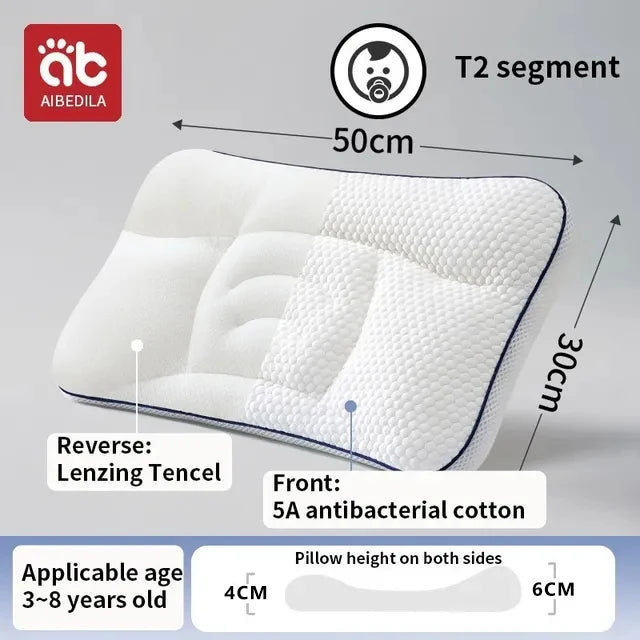
Supporting healthy neck development begins with safe handling, supervised tummy time, and recommended sleep practices.
Supporting Healthy Neck Development During Everyday Activities
For most infants, healthy neck development depends more on daily routines than on specialized products. Consistent head support while carrying, frequent supervised tummy time, and encouraging your baby to look in both directions help strengthen neck muscles and promote balanced movement. If your pediatrician recommends supportive equipment for a specific medical reason, follow their instructions carefully and use only products designed for your baby's age.
Daily habits that encourage balanced neck movement
- Alternate the arm you use when feeding or carrying your baby.
- Position interesting toys and faces on both sides during supervised awake time.
- Give your baby supervised tummy time several times each day, increasing duration as tolerated.
- Limit long periods in car seats, swings, or other containers when they are not being used for travel.
- Attend recommended follow-up appointments if your child has been diagnosed with muscular tightness or torticollis.
If your healthcare provider recommends additional support during supervised awake activities or therapy sessions, use it only as directed. Parents interested in learning more about available supportive products can review this product alongside professional guidance to determine whether it is appropriate for their baby's individual needs.
How to Support a Baby with Neck Stiffness Safely
- Arrange an evaluation with your pediatrician if neck stiffness, head tilting, or limited movement persists.
- Support your baby's head and neck whenever lifting, carrying, or transferring them until head control is well established.
- Place your baby to sleep on a firm, flat mattress without pillows, wedges, or loose bedding.
- Practice supervised tummy time daily to strengthen the neck, shoulders, and upper back.
- Follow any stretching or positioning exercises exactly as demonstrated by your pediatric healthcare provider or physical therapist.
- Monitor head shape and neck movement over time, noting any improvement or worsening to discuss at routine checkups.
Practical tips for everyday comfort
- Change feeding positions regularly so your baby turns toward both sides.
- Encourage reaching and visual tracking in both directions during supervised play.
- Take breaks from infant containers to allow natural movement throughout the day.
- Dress your baby in comfortable, breathable clothing that allows unrestricted neck movement.
- Seek medical advice promptly if your baby appears to be in pain, develops fever with neck stiffness, or suddenly loses previously gained movement.
Common Caregiver Observations
Many parents first notice infant neck stiffness when their baby consistently turns the head to one side, seems less comfortable during tummy time, or develops a preferred feeding position. These observations can provide useful information for a pediatrician, but they should not be used to diagnose the cause or determine treatment at home.
Keeping a simple record of when symptoms appear, which direction your baby prefers to look, and whether movement gradually improves can help healthcare professionals evaluate progress over time and recommend appropriate care if needed.
What Pediatricians Recommend for Healthy Neck Development
Pediatricians generally recommend supporting healthy neck development through normal daily handling, supervised tummy time, routine developmental monitoring, and prompt evaluation when movement appears limited or asymmetrical. Most cases of mild positional preference improve with early intervention and consistent home activities, while more persistent neck stiffness in infants may benefit from referral to pediatric physical therapy.
Monitoring milestones
Every baby develops at an individual pace, but healthcare providers monitor whether head control, neck strength, and symmetrical movement are progressing appropriately during routine well-child visits. They may assess how comfortably a baby turns the head in both directions, lifts the head during tummy time, and maintains head alignment when being held.
- Observe whether your baby looks comfortably toward both sides during daily activities.
- Track improvements in head control as your baby grows.
- Continue supervised tummy time as recommended for your baby's age and ability.
- Discuss any persistent head flattening or movement preference during routine pediatric appointments.
When to ask for professional advice
Contact your pediatrician if your baby has persistent neck stiffness, cannot comfortably turn the head in one direction, develops increasing head flattening, appears to be in pain during movement, or loses previously achieved motor skills. Early assessment allows healthcare providers to determine whether simple home exercises, monitoring, or referral to a pediatric specialist is appropriate.
Parents should also seek prompt medical evaluation if neck stiffness is accompanied by fever, unusual sleepiness, poor feeding, or other concerning symptoms, as these may indicate conditions requiring immediate medical attention rather than routine developmental care.
Caregiver Guidance for Supporting Healthy Neck Development
The most effective support for a newborn's developing neck comes from safe daily care rather than relying on sleep accessories. Focus on proper handling, supervised tummy time, routine pediatric checkups, and following your healthcare provider's recommendations if your baby has persistent neck stiffness or head preference.
- Support your baby's head and neck whenever lifting or carrying them until head control develops.
- Provide supervised tummy time every day to strengthen the neck, shoulders, and upper body.
- Encourage your baby to look toward both sides during play and feeding.
- Follow safe sleep recommendations by placing your baby on a firm, flat mattress without pillows or positioners.
- Seek medical advice if neck stiffness persists, worsens, or is accompanied by developmental concerns.
Complementary categories to explore: Massage & Relaxation for caregiver wellness and Health & Safety resources covering infant care and healthy development.
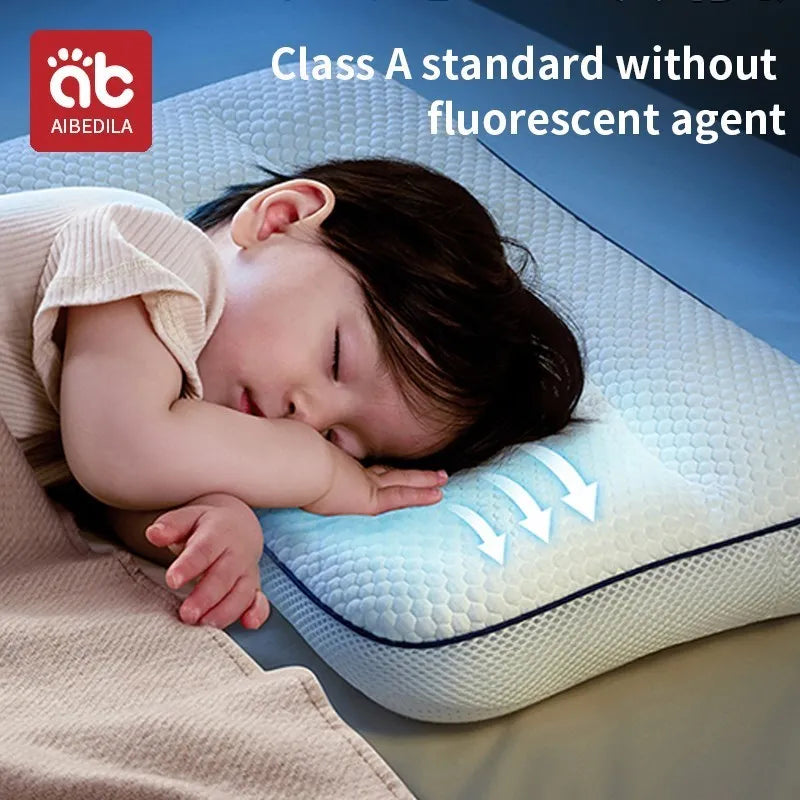
Healthy neck development is supported by safe handling, supervised tummy time, and routine pediatric care.
Frequently Asked Questions About Newborn Neck Support
-
When do newborns develop neck control?
Most babies gradually gain stronger head and neck control over the first several months of life. Your pediatrician will monitor developmental milestones during routine well-child visits because every baby develops at an individual pace.
-
How should I support my newborn's head and neck?
Place one hand beneath your baby's head and neck while supporting the body with the other whenever lifting, carrying, feeding, or burping. Continue providing full support until your baby can reliably hold the head upright.
-
Is a newborn's stiff neck normal?
Temporary head preference or mild tightness can occur during early development. However, persistent neck stiffness, limited range of motion, discomfort, or worsening head tilt should be evaluated by a pediatric healthcare professional.
-
Can a newborn sleep with a neck support pillow?
For routine sleep, safe sleep guidelines recommend placing babies on their backs on a firm, flat mattress without pillows, wedges, or sleep positioners. If supportive equipment is recommended for a specific medical reason, follow your healthcare provider's instructions.
-
Why does my baby's neck look tilted or tight?
A head tilt may result from a positional preference, muscular tightness, or another condition affecting neck movement. An examination by your pediatrician can determine whether monitoring, stretching exercises, or additional treatment is appropriate.
-
How much tummy time helps strengthen a newborn's neck?
Begin with short, supervised tummy time sessions several times each day and gradually increase the duration as your baby becomes stronger and more comfortable. Consistency is more important than long individual sessions.
-
What should I do if my baby hyperextends their neck while sleeping?
Occasional changes in sleeping posture can occur, but persistent neck arching, difficulty moving the head, breathing concerns, or other unusual symptoms should be discussed with your pediatrician. Continue following safe sleep recommendations unless instructed otherwise by your healthcare provider.
Related resources: Baby Care Essentials · Sleep & Comfort · Massage & Relaxation
Pillar Article: Infant head tilting: Best pillows and supports compared for safer sleep
Other Related Articles:
- Infant neck exercises review: Tools and supports that improve alignment
- Infant neck problems product comparison: Top picks parents trust
- Stiff neck infants: Best-rated ergonomic pillows compared for relief
- Head tilting in infants review roundup: Top gentle support picks
Explore More:





